
Choosing a lamp vintage style enthusiasts love for their workspace does not mean you have to sacrifice your eyesight. A classic aesthetic can easily coexist with modern, eye-friendly task lighting if you know what specifications to look for. For many professionals and students in the Philippines, the work-from-home (WFH) desk has become the center of daily life, requiring hours of intense focus under various lighting conditions. While a beautifully weathered brass finish or an iconic green glass shade adds instant character to your study, choosing a lamp purely for its looks can lead to severe eye strain, headaches, and fatigue.
This guide will help you navigate the intersection of classic design and modern ergonomics. You will learn how to evaluate vintage-style fixtures for actual task performance, select the right modern bulbs to protect your eyes, and safely integrate these classic pieces into your daily routine. By focusing on key lighting metrics and structural adjustability, you can curate a workspace that is both visually inspiring and highly functional for long hours of reading, writing, and screen work.
Essential Lighting Specs for Eye-Friendly Vintage Lamps
To transform a vintage fixture into an effective study aid, you must first understand the basic science of task lighting. Standard ambient room lighting is rarely sufficient for close-up reading or computer work. To prevent your eyes from working overtime to resolve fine details, you need to verify specific performance metrics before finalizing your setup.
Products mentioned in this guide
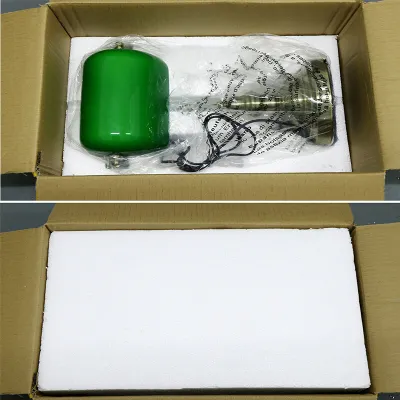
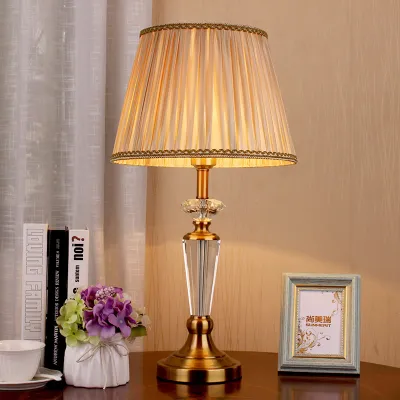

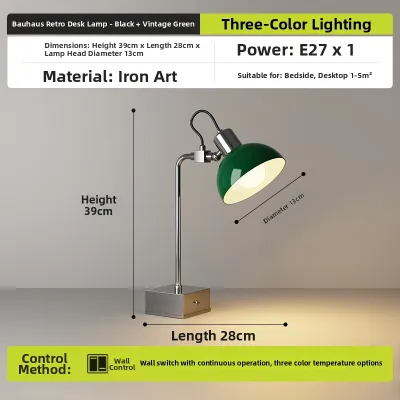
Prices are valid at publication and may change. Please refer to the product page for the latest price.
Lumens and Brightness
When evaluating a lamp, look closely at its lumen output rather than its wattage. Wattage measures electrical power consumption, whereas lumens measure the actual amount of visible light emitted. For focused desk work, reading, and writing, your workspace should ideally receive between 400 and 500 lumens of light. When shopping for vintage fixtures, ensure the shade design is deep enough and wide enough to accommodate a modern LED bulb that can deliver this level of brightness without protruding past the rim of the shade, which would cause direct glare.
Color Temperature (Kelvin)
Color temperature is measured in Kelvin (K) and determines whether the light appears warm and yellow or cool and blue. For a balanced WFH environment, aim for a color temperature between 3500K and 4000K, often referred to as neutral white. While very warm light (2700K) is cozy and suits a relaxed living room, it can cause eye fatigue and drowsiness during prolonged reading. Conversely, extremely cool daylight (6000K or higher) can feel harsh and clinical, intensifying glare from computer screens. A neutral white light provides the crisp contrast needed for reading printed text while keeping you alert.
Color Rendering Index (CRI)
The Color Rendering Index measures how accurately a light source reveals the true colors of objects compared to natural sunlight. For studying and creative tasks, prioritize bulbs with a CRI of 90 or higher. Low-CRI lighting makes colors look dull or distorted, forcing your eyes to strain when distinguishing between different shades or reading small, colored text on diagrams and documents.
Flicker and Glare Prevention
Older magnetic ballasts and low-quality modern dimmers often produce an invisible, high-frequency flicker. While you may not consciously see this flicker, your brain processes it, which frequently leads to unexplained headaches, dry eyes, and mental fatigue. To combat this, always pair your vintage fixture with high-quality, flicker-free LED bulbs. Additionally, position the lamp head so that the light path does not reflect directly off your computer screen or into your eyes, creating distracting hotspots.
Vintage Desk Lamp Styles That Actually Support Desk Work
Not all vintage designs are created equal when it comes to ergonomics. Some styles excel at casting a wide, even glow, while others are highly directional. Understanding how different classic shapes distribute light will help you select the best option for your specific desk layout.

The Classic Banker’s Lamp (Emerald Glass)
Characterized by its heavy brass base and distinctive emerald-green glass shade, the Banker’s lamp is one of the most recognizable vintage designs in the world. Originally popular in banks and libraries during the early 20th century, this style was engineered to cast a concentrated, downward pool of light over ledgers and paperwork while shielding the user’s eyes with its opaque green glass.
For modern desk work, the Banker’s lamp is highly effective if your tasks are primarily paper-based. The green glass softens the light passing upward, reducing overall visual distractions in a dark room. However, because the shade has a fixed, horizontal orientation with very limited tilt, it can easily create harsh reflections on modern glossy computer monitors. To minimize glare, place the Banker’s lamp to the side of your desk, slightly behind the line of your monitor, and use it strictly to illuminate your physical notepad or keyboard area.
Industrial Articulating Arm Lamps
Originating in workshops and drafting studios, industrial articulating arm lamps feature multi-jointed metal bodies, exposed springs, and heavy mechanical tension knobs. This style is the epitome of functional vintage design, prioritizing absolute adjustability over decorative embellishment.
The primary ergonomic benefit of an articulating lamp is its versatility. You can easily pull the light source low and close for fine-detail work, raise it high to illuminate a larger portion of the desk, or tilt the metal shade to direct light away from your computer screen. When sourcing an industrial lamp, always check the structural integrity of the joints and the weight of the base. In the humid tropical climate of the Philippines, cheap iron joints can rust or seize over time; look for high-quality powder-coated steel or solid brass components, and ensure the base is heavy enough to prevent the lamp from tipping over when the arm is fully extended.
Mid-Century Adjustable Metal or Brass Lamps
Mid-Century Modern desk lamps are celebrated for their clean, minimalist lines, organic curves, and space-saving profiles. Often featuring slim goosenecks or simple ball-and-socket pivot joints, these lamps typically utilize conical or dome-shaped metal shades in brass, matte black, or vibrant retro colors.
These lamps are exceptionally well-suited for compact WFH setups or smaller study desks. Their focused, narrow beams provide excellent supplemental task lighting without cluttering your workspace. However, because the metal shades are often small and enclosed, they can trap heat quickly. If you use an older incandescent bulb in a tight mid-century shade, the exterior of the lamp can become hot enough to cause accidental burns. Always pair these compact designs with modern, low-heat LED bulbs to ensure the fixture remains safe to touch throughout the day.
Choosing the Right Bulbs to Upgrade Vintage Fixtures
To make a vintage lamp truly functional for modern studying, you must look past the outer casing and focus on the light source itself. Upgrading the bulb is the easiest way to inject modern eye-care technology into a classic aesthetic.
Socket Compatibility
Before purchasing any bulb, verify the socket type of your vintage lamp. The most common standard screw-type socket in the Philippines is the E27 base, which is widely available in local hardware stores. Smaller vintage lamps or European imports may use the smaller E14 candelabra screw base or bayonet-style mounts. Always measure or check the markings inside the socket cup to ensure you buy a compatible bulb shape and base size.
LED Filament Bulbs
If you want to preserve the warm, nostalgic glow of an antique carbon-filament bulb without the associated heat, high energy costs, and poor light output, LED filament bulbs (often called LED Edison bulbs) are the perfect solution. These modern bulbs feature thin LED strips arranged to look like classic glowing wire filaments. They provide excellent energy efficiency, emit virtually no heat, and are available in clear or amber-tinted glass. Opt for a clear glass LED filament bulb if you need crisp, bright light for reading, as amber-tinted glass can lower the overall lumen output and shift the color temperature to a sleepy, ultra-warm hue.
Smart Bulbs for Task Lighting
Integrating a smart bulb into a vintage lamp offers the ultimate blend of old-school style and modern convenience. By using a smart LED bulb, you can dynamically adjust both the brightness and the color temperature throughout the day using a smartphone app or voice commands. You can set the bulb to a bright, cool 4000K light during your morning study sessions to boost focus, and then transition it to a softer, warmer 2700K glow in the evening to help your eyes wind down. Keep in mind that for smart bulbs to remain responsive, the physical switch on the vintage lamp must always be left in the “on” position.
Wattage Limits and Electrical Safety
Every lamp fixture has a maximum wattage rating, which is typically printed on a label near the socket. Older vintage lamps, especially those with original wiring or cardboard-lined sockets, often have low wattage limits (such as 40W or 60W). Exceeding these limits with old-fashioned incandescent bulbs can melt the socket, degrade the wire insulation, and pose a severe fire hazard. Because modern LED bulbs draw only a fraction of the power—typically using just 5W to 9W to produce the equivalent light of a 50W to 60W incandescent bulb—they operate well within the safe limits of vintage fixtures while keeping heat emission to a minimum.
A Practical Checklist for Buying Vintage Lamps Online
Sourcing vintage or vintage-style lamps on online marketplaces requires a careful, safety-first approach. Because you cannot physically handle the item before it arrives, you must look for specific clues to ensure the lamp is safe, functional, and compatible with your home’s electrical system.
Wiring and Plug Safety
The standard domestic voltage in the Philippines is 220V at 60Hz. Many authentic antique lamps imported from the United States (which operates on 110V) or Japan (which operates on 100V) cannot be plugged directly into Philippine outlets without damaging the bulb or creating a fire hazard. Before buying, ask the seller if the lamp has been rewired for 220V compatibility. Additionally, check the plug type. The Philippines primarily uses Type A (two flat parallel pins) and Type B (two flat pins with a round grounding pin) plugs. If the lamp features an outdated or foreign plug, you may need to use a high-quality adapter or have the cord replaced.
Switch and Hardware Inspection
Carefully examine all available product photos, zooming in on key structural areas. Look for signs of severe corrosion, deep rust on moving joints, or frayed fabric-covered cords. If the lamp features an inline rotary switch or a push-button switch on the base, ask the seller to confirm that the mechanism clicks cleanly and operates without flickering. Loose joints or worn-out tension springs on articulating lamps can prevent the shade from staying in your desired position, rendering the lamp useless as a adjustable task light.
Authentic Antiques vs. Vintage-Inspired Reproductions
Decide whether you want a true antique or a modern vintage-inspired reproduction. True antiques offer unmatched historical character and unique craftsmanship, but they often require professional rewiring and delicate handling. Modern vintage-inspired reproductions, on the other hand, look classic but are built with brand-new electrical components, modern insulated wiring, and standard safety certifications (such as the Philippine Standard or Import Commodity Clearance marks). For a hassle-free WFH setup where daily reliability is paramount, a high-quality modern reproduction is often the safer and more practical choice.
Return Policies and Shipping
Because desk lamps often feature fragile components like glass shades (particularly Banker’s lamps) or delicate ceramic sockets, verify the online store’s return and refund policies before purchasing. Ensure the seller packages the item securely with ample bubble wrap and sturdy boxing. If the lamp arrives with structural damage, cracked glass, or faulty electrical wiring, a clear return policy will protect your investment and allow you to exchange the item or secure a full refund.
Frequently Asked Questions (FAQ)
Is it safe to use original antique lamps with modern electronics?
Using an original, unrestored antique lamp can carry significant safety risks. Over decades, the protective rubber or fabric insulation on older power cords can become brittle, crack, and expose live copper wires, leading to short circuits, electrical shocks, or fires. Furthermore, older sockets may lack proper grounding or polarized plugs. If you purchase a true antique, always isolate the power supply by unplugging it immediately if you notice any flickering or heat. For long-term peace of mind, have the fixture inspected and rewired with modern, double-insulated cables and a new socket by a qualified professional electrician before integrating it into your daily study routine.
How do I prevent glare on my monitor when using a vintage desk lamp?
To prevent distracting reflections on your computer screen, avoid placing your desk lamp directly in front of or behind your monitor. Instead, position the lamp to the left or right side of your desk, depending on your dominant hand (place it on the left if you are right-handed to prevent your hand from casting shadows on your paperwork). Angle the lamp shade downward so that the light source is completely shielded from your direct line of sight. If the lamp shade is highly reflective or open, you can also apply a matte, anti-glare screen protector to your monitor to diffuse any stray light reflections.
Community discussion
Share your experience or ask a question. Comments are reviewed before publication.