
A wall-mounted bell serves as a charming addition to any outdoor space, combining visual interest with a welcoming, tactile soundscape. In the Philippines, where outdoor living areas like patios, pocket gardens, and verandas are central to home life, selecting the right wall mounted bell involves balancing aesthetic preferences with the realities of a tropical climate. The ideal choice depends on your garden’s design theme, the structural integrity of your mounting surface, and how well the bell’s materials can withstand high humidity and heavy seasonal rainfall.
Key Factors for Choosing a Wall-Mounted Garden Bell
Weather and Climate Adaptability
The tropical climate of the Philippines, characterized by high humidity, intense solar exposure, and heavy monsoon rains, poses unique challenges for outdoor decor. Over time, moisture can cause untreated metals to corrode, wood to rot, and low-quality plastics or resins to degrade under UV radiation. When selecting a garden bell, it is essential to check the manufacturer’s specifications for weather resistance, UV stabilizers, and rust-proofing treatments to ensure long-term durability in outdoor environments.
Sound Profile vs. Visual Decor
Garden bells serve dual purposes, acting as both acoustic instruments and decorative focal points. Some homeowners prefer a prominent, resonant sound that can be heard across the property, which is typical of heavy metal bells with active clappers. Others seek a purely decorative accent where the bell remains silent unless manually rung, or a soft, ambient sound like the gentle rustle of bamboo. Determining whether you prioritize acoustic performance or visual design will guide your material and size choices.
Products mentioned in this guide
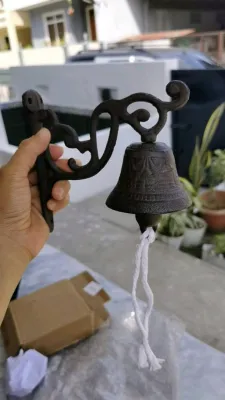

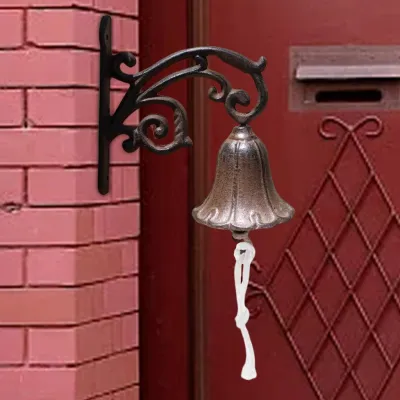
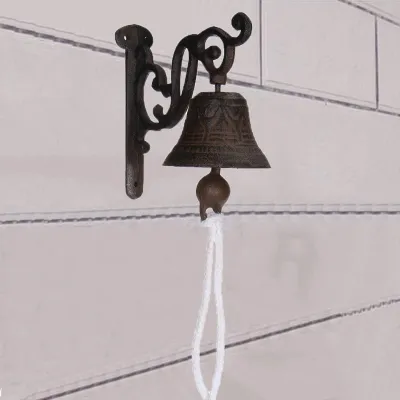
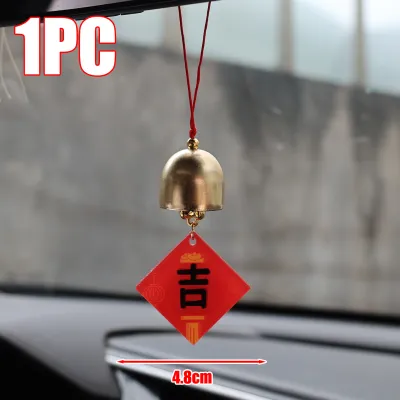

Prices are valid at publication and may change. Please refer to the product page for the latest price.
Mounting Surface Compatibility
The structural material of your exterior wall dictates the type of hardware and installation methods required for a secure mount. In many Philippine residences, perimeter walls and home exteriors are constructed from concrete hollow blocks finished with plaster, which require specific masonry anchors. Mounting a heavy cast-iron bell on a lightweight wooden trellis, vinyl siding, or a thin fiber-cement board without proper structural support can lead to sagging, damage, or structural failure.
Scale and Proportion
A well-placed garden bell should harmonize with its surroundings rather than dominate or get lost in the landscape. A small, delicate ceramic bell may disappear visually on a large, expansive concrete wall, while an oversized industrial-style brass bell can overwhelm a compact urban pocket garden. Measure the available wall space and consider the height of nearby plants and garden structures to select a bell that maintains a balanced visual scale.
Recommended Styles of Wall-Mounted Bells for Your Garden
Classic Metal Bells (Brass, Copper, and Cast Iron)
Metal bells are highly favored for their classic aesthetic and clear, carrying tones. Brass and copper are renowned for producing a crisp, bright, and highly resonant sound that cuts through ambient outdoor noise. These materials naturally develop a weathered patina over time when exposed to the elements, a look that many garden enthusiasts find highly desirable for vintage or traditional garden themes. Broad price bands for these classic options typically range from mid-range selections around ₱800 to premium, heavy-duty brass pieces exceeding ₱3,500.

Cast iron, on the other hand, offers a distinctively rustic, old-world appeal characterized by its dark, textured surface and substantial weight. Cast-iron bells produce a deeper, more solid clanging sound rather than a lingering ring. Because of their heavy build, they require robust mounting hardware and highly stable surfaces to remain secure.
While metal is inherently durable, untreated iron and copper are highly susceptible to oxidation and rust in humid tropical environments. Before purchasing, verify if the product features a protective clear coat or rust-resistant lacquer applied by the manufacturer. If the metal is untreated, you must be prepared to apply a periodic protective sealant or accept the natural color changes that occur as the material oxidizes.
Natural and Rustic Bells (Bamboo, Wood, and Coconut)
For gardens designed around tropical, Zen, or native Filipino aesthetics, natural materials like bamboo, wood, and coconut shells offer an organic, low-profile alternative. These materials produce a soft, muted, and hollow acoustic profile that blends seamlessly with the natural sounds of wind, water, and rustling leaves. They create a relaxing, meditative atmosphere rather than a sharp, attention-grabbing chime. These budget-friendly options generally range from ₱200 to ₱800, making them highly accessible.
Bells constructed from organic materials are exceptionally lightweight, making them highly versatile and easy to mount on softer or less rigid surfaces. You can safely secure them to wooden garden fences, bamboo privacy screens, lightweight trellises, or even sturdy tree branches without worrying about structural strain or heavy anchor requirements.
However, these natural materials have distinct limitations when used outdoors in wet, humid climates. Prolonged exposure to moisture and rain makes untreated wood and bamboo highly susceptible to mold growth, warping, cracking, and wood-boring insect damage. To maximize their lifespan, check product labels for indicators of pressure-treated wood or marine-grade varnished finishes, which provide a barrier against moisture absorption.
Artisan and Decorative Bells (Ceramic, Glass, and Resin)
Artisan bells crafted from ceramic, glass, or synthetic resin serve as vibrant, eye-catching decorative pieces. Ceramic and glass bells often feature intricate hand-painted designs, colorful mosaic tiles, or unique sculptural shapes that add a splash of artistic personality to your outdoor walls. They produce delicate, light, and high-pitched tinkling sounds that are ideal for small, intimate seating areas. These decorative options span a wide price range, from simple ₱300 clay bells to artisanal glass designs costing upwards of ₱1,500.
Synthetic resin options provide a highly practical alternative to fragile materials. Resin can be molded and painted to mimic the heavy look of cast iron, weathered stone, or aged bronze, while remaining lightweight and highly shatter-resistant. This makes resin bells an excellent choice for households seeking a specific high-weight aesthetic without the associated installation difficulties or safety risks.
Because ceramic and glass are inherently fragile, their placement requires careful planning. These materials are highly susceptible to cracking or shattering if subjected to strong winds, heavy torrential rain, or accidental impacts from garden tools or passersby. To protect your investment, install fragile artisan bells in sheltered outdoor zones, such as covered patios, verandas, or beneath deep roof eaves where they are shielded from extreme weather conditions.
Quick Comparison of Bell Materials and Sound Profiles
To help you quickly evaluate the core attributes of different garden bell options, the following table summarizes the general characteristics of each material category. Keep in mind that the specific durability and performance of any individual product will depend heavily on the manufacturer’s quality of construction, applied finishes, and recommended care instructions.
| Material Category | Primary Sound Profile | Weather Resistance Level | Ideal Garden Style |
|---|---|---|---|
| Brass & Copper | Crisp, bright, highly resonant | High (develops natural patina) | Traditional, classic, formal gardens |
| Cast Iron | Deep, solid clanging tone | Medium (prone to rust if untreated) | Rustic, farmhouse, vintage spaces |
| Bamboo & Wood | Soft, muted, hollow rustle | Low to Medium (requires sealant) | Zen, tropical, native Filipino designs |
| Ceramic & Glass | Delicate, light, high-pitched tinkle | Low (fragile under physical impact) | Artistic, whimsical, sheltered patios |
| Synthetic Resin | Silent or light clacking | High (weatherproof and shatterproof) | Modern, low-maintenance landscapes |
Installation Guidelines and Safety Boundaries
Weight Assessment and Hardware
Safe installation of a wall mounted bell begins with an accurate assessment of its weight. Before drilling, weigh the complete bell assembly—including the bracket and clapper—and select wall anchors designed to support that specific weight class. For concrete or masonry walls common in Philippine homes, use a hammer drill to install plastic wall plugs (tox screws) or metal expansion bolts. For wooden studs or solid timber posts, heavy-duty lag screws are recommended, while hollow walls or vinyl siding may require toggle bolts or additional backing support.
High and Overhead Mounting
If you plan to mount your garden bell high on a wall, above eye level, or near active walkways and seating areas, safety must be your primary concern. Ensure that the mounting bracket is perfectly flush against the wall and that all fasteners are tightened securely. If the mounting surface appears degraded, cracked, or structurally compromised, or if you are unsure of its load-bearing capacity under dynamic wind loads, consult a qualified professional contractor to handle the installation.
Wind and Storm Precautions
The Philippines regularly experiences severe weather, including intense monsoon seasons and typhoons. High winds can cause heavy metal clappers to swing violently, putting extreme dynamic stress on the mounting bracket and the wall itself, while lighter materials can be torn away completely. As a preventive safety measure, temporarily remove heavy, fragile, or highly exposed bells when a storm warning is active, or use a durable cord to tie down the clapper and secure the bell body firmly to the wall.
Caring for Your Garden Bell in Humid Climates
Routine Cleaning
Regular maintenance is key to preserving both the appearance and acoustic quality of your garden bell. Clean the bell periodically by wiping it down with a soft, damp cloth and a mild, non-abrasive soap solution to remove dust, pollen, and salt residue, which can accumulate and accelerate corrosion. Avoid using harsh chemical cleaners, steel wool, or abrasive scrubbing pads, as these can strip away protective clear coats, anodized finishes, or decorative paint layers.
Hardware Inspection
The high humidity of a tropical climate can silently degrade mounting systems over time. At least twice a year, perform a visual inspection of the mounting bracket, screws, wall anchors, and any hanging cords or chains. Look closely for signs of rust, structural cracking, fraying ropes, or loose fasteners. Tighten any loose screws immediately, and treat minor surface rust on metal brackets with an outdoor-grade rust converter or protective spray paint.
When to Stop and Replace
While routine maintenance can significantly extend the life of your garden bell, there comes a point when repair is no longer safe or practical. If you observe deep structural rust that has eaten through the metal bracket, severe wood rot that compromises the hanging point, or wall anchors that have pulled loose from degraded concrete, stop using the bell immediately. In these scenarios, attempting a temporary fix can result in a falling hazard; it is far safer to replace the compromised hardware or the entire bell assembly.
Frequently Asked Questions (FAQ)
How high should I mount a garden bell on an exterior wall?
For optimal sound dispersion and ease of manual ringing, mount your garden bell at or slightly above eye level, typically between 1.5 to 1.8 meters from the ground. Always ensure the bell is positioned out of reach of young children or pets, especially if the design features small, detachable parts, long pull cords, or sharp metal edges that could pose a safety hazard.
Can I leave metal bells outside during the heavy rainy season?
While many metal bells are manufactured specifically for outdoor use, prolonged exposure to heavy, continuous rain and high humidity can accelerate corrosion if the protective finish becomes scratched or worn. To protect your bell, check the manufacturer’s care instructions, and consider applying a thin coat of clear, rust-preventative outdoor spray sealant before the onset of the heavy rainy season.
Community discussion
Share your experience or ask a question. Comments are reviewed before publication.