
Narrow hallways and doorways in Filipino homes require wall sconces that are slim, highly functional, and visually unobtrusive. To prevent these tight transitional spaces from feeling like dark tunnels, the ideal fixture must have a shallow profile and provide soft, diffused illumination. A well-chosen door light or hallway sconce balances safe navigation with spatial comfort, transforming tight corners into welcoming pathways.
Selecting the right fixture involves understanding both physical dimensions and light distribution. In many local residences—ranging from urban condominiums in Metro Manila to traditional multi-generational suburban homes—hallways are often designed with minimal footprints to maximize living areas. Bulky, protruding fixtures can disrupt foot traffic and make the space feel even smaller. By focusing on low-profile designs and strategic light placement, you can illuminate your home safely while enhancing its overall interior design.
Understanding the Lighting Needs of Narrow Hallways and Doorways
Tight transitional zones like corridors and entryways serve a dual purpose: they facilitate safe movement throughout the home and establish the visual flow between different rooms. A door light or hallway sconce must provide sufficient illumination to prevent trips and slips, especially during the night, while also making the narrow passage feel open and inviting. Because these areas lack the natural light found in larger living spaces, artificial lighting must work harder to create a balanced, pleasant atmosphere.
Products mentioned in this guide
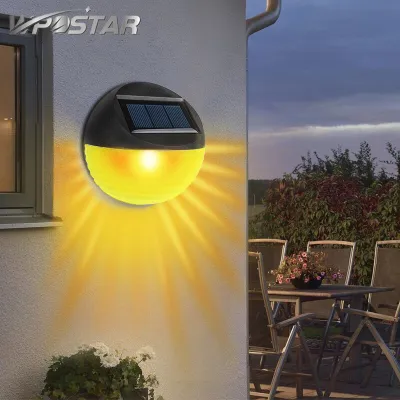
Prices are valid at publication and may change. Please refer to the product page for the latest price.
A common pitfall in narrow corridors is the use of high-profile fixtures that physically obstruct the walkway. When a wall sconce protrudes too far, it becomes a constant hazard for residents carrying laundry baskets, moving furniture, or simply walking past. Additionally, poorly positioned or unshielded bulbs can create intense glare at eye level, causing temporary visual discomfort. This is particularly problematic near doorways where quick transitions between light levels are common.
Another challenge is the creation of harsh shadows and dark corners, which visually compress a space and make it feel cramped. Standard overhead flush-mount ceiling lights often cast downward shadows that leave the upper walls in darkness, reinforcing a tunnel-like effect. To counteract this, wall-mounted fixtures should be selected and positioned to wash the walls with light, which visually pushes the boundaries of the corridor outward. Balancing ambient illumination with space-saving designs is the key to mastering these challenging areas.
Key Features to Look for in a Hallway or Door Light
To find a door light that enhances your narrow hallway without overwhelming it, you must evaluate several physical and technical specifications before making a purchase.

Protrusion and Depth The physical depth of a wall sconce is the most critical factor in maintaining clear walkways. For narrow hallways, look for fixtures labeled as “ADA compliant” or those with a total depth of 4 inches (10 centimeters) or less from the wall surface. If your hallway is exceptionally tight—such as those measuring less than 90 centimeters wide—every centimeter saved increases physical comfort and safety. Always measure the clearance of your hallway at shoulder and elbow height before selecting a fixture.
Light Output and Distribution Instead of choosing a fixture based solely on its design, calculate your lumen requirements based on the actual square footage of the space. As a general guideline, transitional areas require approximately 100 to 150 lumens per square meter. For a hallway that is 1 meter wide and 4 meters long (4 square meters), a total of 400 to 600 lumens is usually sufficient. Consider how the light is distributed: wall-washing fixtures spread light across flat surfaces to make the space feel wider, whereas focused spotlights can create dramatic, narrow beams that may make a tight space feel even more confined.
Color Temperature The color temperature of your bulbs significantly affects the mood and perceived size of a hallway. Warm white light (2700K to 3000K) creates a cozy, welcoming ambiance that works well near bedroom doors. Neutral white light (3500K to 4000K) offers excellent clarity and a clean, modern aesthetic, making it ideal for main entryways and busy transition zones. Avoid cool daylight bulbs (6000K or higher) in tight corridors, as the intense blue-white light can feel clinical and harsh. Always verify the color temperature on the product packaging to ensure consistency across all fixtures in the same visual line.
Glare Control and Diffusers Direct glare from an exposed bulb can be highly disorienting in a narrow space. Opt for wall sconces that feature frosted glass, fabric shades, or integrated acrylic diffusers that soften the light output. Shielded fixtures—where the bulb is completely hidden from direct view and the light is directed upward, downward, or back against the wall—are excellent choices for preventing eye strain as you walk down the corridor.
Electrical Specifications and Compatibility In the Philippines, the standard electrical system operates at 220V to 240V at 60Hz. When purchasing imported fixtures online or from local retailers, always verify that the internal drivers or ballast ratings are compatible with this standard. Additionally, check the bulb base type (such as the common E27 screw base or GU10 bi-pin base) to ensure replacement bulbs are easily accessible in local hardware stores.
Best Wall Sconce Styles for Tight Spaces
Selecting the right style of wall sconce allows you to maximize physical clearance while achieving your desired lighting effect. Several specialized designs are particularly well-suited for narrow corridors and doorways.
Flush-Mount and Recessed Sconces
Flush-mount and semi-flush wall lights are engineered to hug the wall surface, minimizing their physical footprint. These fixtures typically feature flat or gently curved profiles that project very little into the walking path, making them the safest option for extremely tight corridors. They are highly effective when installed directly beside doors that swing outward, as they reduce the risk of the door frame or handle striking the fixture. Recessed wall sconces, which are installed directly inside the wall cavity, offer the ultimate low-profile solution, though they require specific wall depths and professional installation.
Up and Down Wall Lights
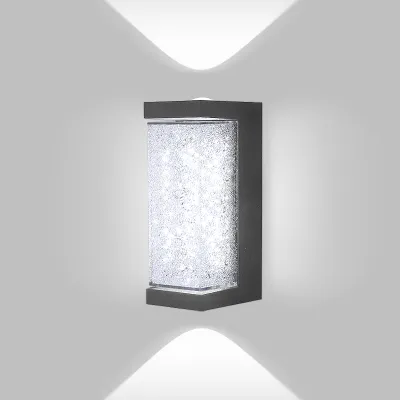
Up and down wall lights, often designed as compact cylinders or rectangular blocks, cast light simultaneously toward the ceiling and the floor. This dual-directional distribution creates a striking visual effect that draws the eye upward, making low ceilings feel significantly higher. By bouncing light off both horizontal surfaces, these fixtures provide excellent indirect ambient illumination without projecting far from the wall. To maximize this reflective effect, ensure your walls are painted in clean, light-colored finishes that scatter the light efficiently rather than absorbing it.
Slim Linear and Cylinder Sconces
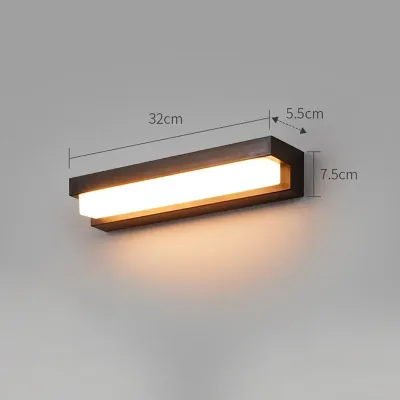
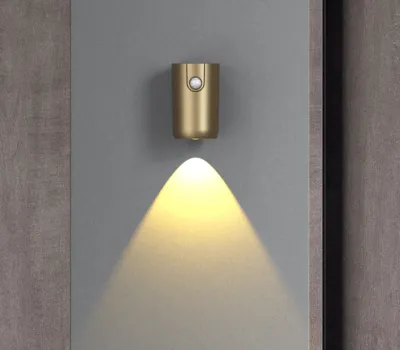
For a modern, minimalist aesthetic, slim linear LED bars and compact cylinder sconces offer high light output with an incredibly small physical footprint. Linear fixtures can be mounted vertically or horizontally, allowing you to customize the direction of the light flow. Many of these modern designs feature integrated LED chips rather than traditional sockets, which allows for ultra-thin profiles. Before purchasing an integrated LED model, check the manufacturer’s specifications regarding heat dissipation and the estimated lifespan of the LED driver, as these components are generally not user-replaceable.
Installation and Placement Guidelines for Philippine Homes
Proper installation ensures your wall sconces provide optimal illumination while remaining safe and compliant with local electrical standards.
Mounting Height and Spacing As a general rule, wall sconces should be mounted so that the center of the fixture is approximately 60 to 66 inches (150 to 167 centimeters) above the finished floor. This height keeps the light source slightly above or at average eye level for most individuals, preventing you from looking directly at an exposed bulb. If your home has exceptionally high ceilings, you may adjust the mounting height upward to maintain visual balance. For long corridors, space your fixtures approximately 6 to 8 feet (1.8 to 2.4 meters) apart to ensure even light distribution without creating dark gaps.
Clearance and Swing Checks Before finalizing your mounting points, carefully measure the swing radius of all nearby doors, cabinet doors, and windows. A door light positioned too close to an entryway can easily be damaged if a door is opened quickly or pushed past its standard stop. Ensure there is adequate clearance so that no moving household element can make contact with the fixture.
Electrical Safety and Wiring Boundaries Before inspecting any existing electrical junction boxes or attempting to install a new fixture, always turn off the main power supply at your home’s central circuit breaker. Use a reliable voltage tester to confirm the wires are completely de-energized before touching them.
Because concrete and concrete hollow block (CHB) construction is the standard for most homes in the Philippines, routing new electrical wires or creating recessed channels (chasing) in concrete walls is a labor-intensive and structurally sensitive task. Running new conduits, upgrading your home’s electrical load capacity, or installing fixtures in damp environments requires the expertise of a licensed electrician. Do not attempt complex structural wiring or modifications yourself; always prioritize safety and hire a qualified professional to ensure compliance with the Philippine Electrical Code.
Practical Tips for Maximizing Space and Light
Beyond selecting the perfect fixture, you can employ several design strategies to enhance the lighting and spaciousness of your narrow hallway.
One highly effective technique is placing a large mirror on the wall opposite or adjacent to your wall sconce. The mirror will reflect the light output, effectively doubling the perceived brightness of the space while creating the visual illusion of a wider room. This setup is particularly useful near dark entryways or at the end of a long, windowless corridor.
To gain complete control over your home’s ambiance, consider installing compatible dimmer switches for your hallway and door lights. Dimming your lights in the evening creates a softer transition as you move between rooms and reduces energy consumption. Always verify that both the wall sconce fixture and the bulb you install are explicitly labeled as dimmable, as using non-dimmable LED bulbs with standard dimmer switches can cause flickering or premature driver failure.
Finally, pay close attention to your wall paint finishes. Matte finishes absorb light and can make a tight hallway feel slightly more enclosed, whereas satin, eggshell, or semi-gloss finishes reflect light gently without creating harsh specular reflections. However, avoid high-gloss paints on plaster or concrete walls, as direct light from a wall-washing sconce will highlight any minor surface imperfections or unevenness in the wall’s texture.
Frequently Asked Questions (FAQ)
How do I calculate the right light output for my hallway?
To estimate the necessary light output, multiply the square footage or square meter area of your hallway by the recommended ambient lighting requirements. For transitional spaces, aiming for 100 to 150 lumens per square meter is a reliable baseline. For example, a hallway measuring 1.2 meters by 3 meters (3.6 square meters) would benefit from a total light output of approximately 360 to 540 lumens. Always check the manufacturer’s recommended room size on the product packaging, and consider increasing the lumens slightly if your walls are painted in dark colors or if your ceilings are unusually high.
What safety precautions are needed for door lights near bathrooms?
Due to the high humidity and moisture levels common in tropical climates like the Philippines, any door light installed near a bathroom or semi-outdoor entryway must have an appropriate Ingress Protection (IP) rating. Look for fixtures labeled with at least an IP44 rating, which indicates resistance to splashing water and damp environments. Ensure the electrical circuit feeding these areas is properly grounded and protected by a Ground Fault Circuit Interrupter (GFCI). Always consult a licensed electrician to verify that the installation complies with local moisture-safety regulations.
Community discussion
Share your experience or ask a question. Comments are reviewed before publication.