
Quick Answer: Key Factors for Waterproof Lantern Wall Lamps
Selecting the right outdoor lantern wall lamp requires balancing classic aesthetics with robust technical specifications. For fully exposed garden walls, a minimum rating of IP65 is necessary to withstand heavy tropical downpours, while an IP44 rating is generally sufficient for covered porches or semi-protected patios.
In humid, tropical climates like the Philippines, material choice is critical to prevent premature failure. Fixtures constructed from cast aluminum, polycarbonate, or marine-grade stainless steel offer the best resistance to rust and corrosion.
Before purchasing any hardwired outdoor fixture, always verify that the lamp is compatible with the local electrical grid standard of 220V at 60Hz. Confirming these specifications beforehand ensures safety, longevity, and optimal performance.
Products mentioned in this guide
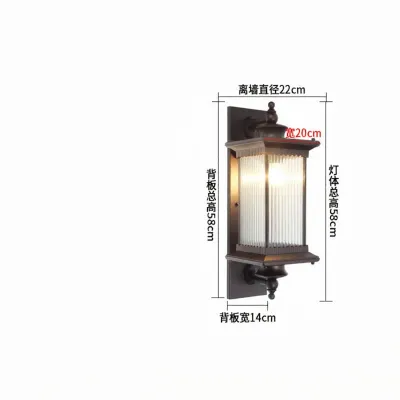
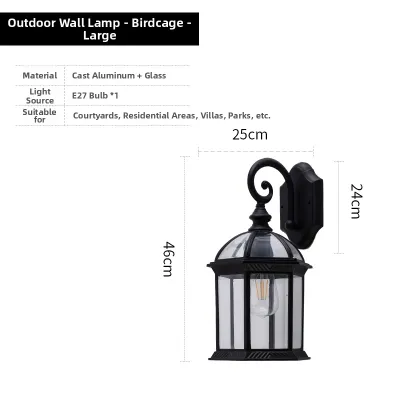
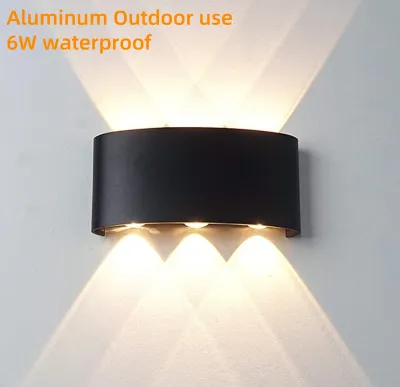
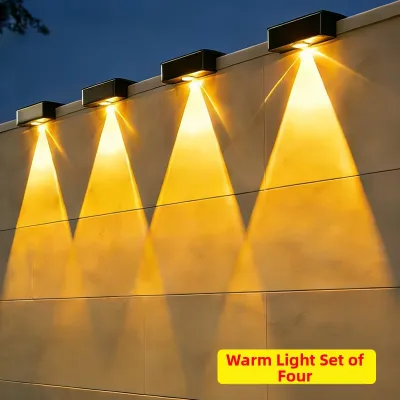
Prices are valid at publication and may change. Please refer to the product page for the latest price.
What to Look for in Waterproof Outdoor Lanterns
IP Ratings Explained
Ingress Protection (IP) ratings indicate how effectively an electrical fixture seals against solids and liquids. The rating consists of two digits: the first digit (ranging from 0 to 6) measures protection against solid objects like dust and insects, while the second digit (ranging from 0 to 9) measures protection against water. For outdoor lighting, understanding these numbers helps prevent short circuits and electrical hazards.

An IP44 rating means the fixture is protected against solid objects larger than 1 millimeter and splashes of water from any direction. This level of protection is suitable for covered outdoor areas, such as under deep eaves, veranda ceilings, or covered carports where direct, wind-blown rain rarely reaches the unit.
For fully exposed areas like garden pathways, perimeter walls, or open-air gateposts, look for fixtures rated IP65 or higher. An IP65 rating guarantees that the housing is completely dust-tight and can withstand low-pressure water jets from any angle. This ensures the internal wiring remains dry even during severe tropical storms and typhoons.
Material Durability in Tropical Climates
High humidity, intense sunlight, and salty coastal air accelerate the degradation of outdoor lighting fixtures. Choosing the wrong material can lead to unsightly rust streaks, structural failure, or electrical grounding issues within a single rainy season.
Powder-coated cast aluminum is highly recommended for tropical environments because it naturally resists rust. The powder coating adds an extra barrier against moisture and UV rays, keeping the finish intact for years. Marine-grade 316 stainless steel is another premium option, specifically formulated with molybdenum to resist pitting and crevice corrosion in salty coastal areas.
High-quality polycarbonate or UV-stabilized plastics are lightweight, rust-proof, and highly impact-resistant. However, lower-grade plastics can become brittle and yellow under prolonged exposure to intense tropical sunlight. Avoid untreated iron or low-carbon steel fixtures, as these materials oxidize rapidly when exposed to moisture.
Glass and Diffusers
The type of glass or diffuser used in a lantern wall lamp affects both the quality of light and the maintenance required over time. Clear glass panels offer the highest light transmission, making them excellent for security lighting where maximum visibility is required. However, clear glass easily shows dust, water spots, and insects, requiring more frequent cleaning to maintain a polished look.
Frosted or opaque glass diffusers soften the light output, scattering the glow to reduce harsh glare. This creates a warm, welcoming ambiance that is ideal for dining patios and cozy seating areas. Frosted glass also hides internal dust and water spots, making it a lower-maintenance choice for busy homeowners.
Seeded glass features tiny, intentional air bubbles trapped inside the pane. This style offers a rustic, vintage charm that beautifully distorts the light source, creating a textured glow on surrounding walls. Seeded glass is highly forgiving when it comes to showing dirt, making it both a practical and stylish option for garden walls.
Electrical and Bulb Compatibility
When choosing an outdoor lantern, always check the technical specifications of the light socket. The E27 screw base is the most common standard, allowing for easy bulb replacement and a wide selection of bulb types. Always verify the manufacturer’s maximum wattage limit, which typically ranges from 40W to 60W for traditional incandescent bulbs.
While incandescent bulbs are still available, energy-efficient LED bulbs are highly recommended for outdoor use due to their lower power consumption and longer lifespan. If you plan to connect your lantern to a dimmer switch or a smart home system, ensure that both the fixture and the specific LED bulb you install are rated as dimmable.
Additionally, check for local electrical safety certifications, such as the Philippine Standard (PS) mark or the Import Commodity Clearance (ICC) sticker. These certifications verify that the fixture has undergone rigorous testing to ensure it complies with national safety standards, reducing the risk of electrical fires or shocks in wet conditions.
Top Lantern and Torch Styles for Gardens and Porches
Traditional and Vintage Lantern Designs
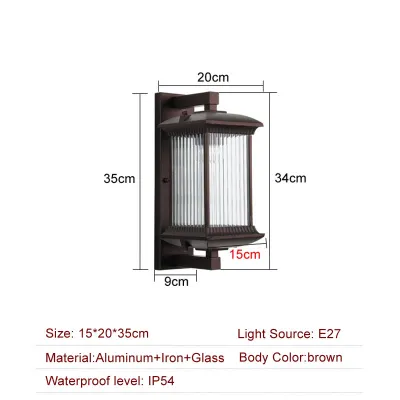
Traditional and vintage-style lanterns draw inspiration from 19th-century gas lamps and carriage lights. These fixtures often feature ornate metal scrollwork, tapered glass cages, and rich finishes like matte black, antique bronze, or weathered brass. They add a sense of timeless elegance and architectural character to classic home designs.
To complement the vintage aesthetic, pair these lanterns with warm-white (2700K to 3000K) LED filament bulbs. These bulbs mimic the look of historic carbon-filament lamps, showcasing glowing vertical threads that look beautiful through clear or seeded glass. This combination provides a soft, inviting light that enhances the architectural details of your home without feeling overly clinical.
Traditional lanterns are best utilized in pairs to frame key architectural elements. Mount them on either side of a grand front entryway, along brick or stone garden walls, or spaced evenly along the columns of a wrap-around porch. The symmetrical placement guides visitors naturally toward entry points while casting a warm, safe glow over steps and walkways.
Modern and Minimalist Wall Torches
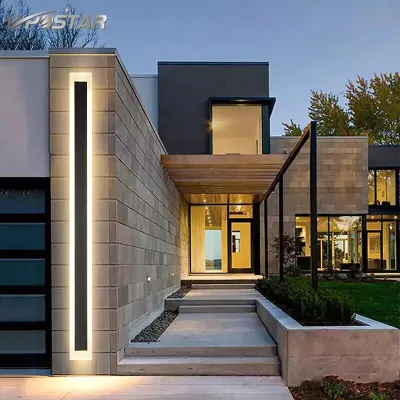
Modern wall torches focus on clean geometric lines, sleek profiles, and functional simplicity. Often constructed from matte black or brushed metal cylinders and rectangles, these fixtures prioritize the control of light over ornamental details. They are designed to blend seamlessly into contemporary architecture, emphasizing the structure of the building rather than the fixture itself.
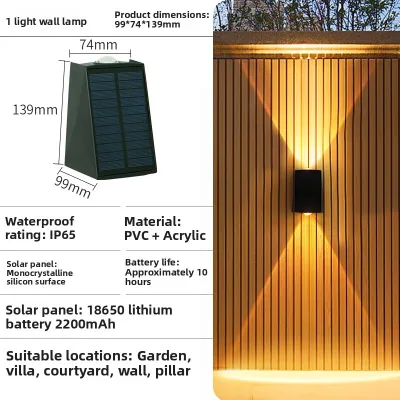
Many modern torches utilize up/down lighting configurations, often referred to as wall-washing. By directing light upward against the eaves and downward toward the ground, these fixtures highlight the texture of concrete, stone, or wood cladding. This technique provides indirect, glare-free illumination that makes outdoor spaces feel larger and more dramatic.
These minimalist designs are ideal for contemporary patios, modern pool houses, and sleek garden boundary walls. Because they conceal the light source from direct view, they minimize light pollution and glare, making them highly suitable for areas where you want to enjoy the night sky or maintain a relaxed, low-light atmosphere.
Solar-Powered and Smart Lanterns
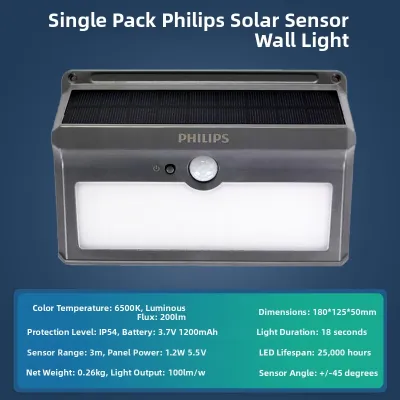
Solar-powered lanterns offer an eco-friendly lighting solution that completely eliminates the need for complex electrical wiring. These fixtures feature integrated photovoltaic panels that charge internal batteries during the day, automatically illuminating at dusk. They are incredibly easy to install, making them perfect for remote garden walls, distant fences, or decorative garden arches.
However, solar-powered lamps depend entirely on daily sunlight exposure to function. During prolonged rainy seasons or heavily overcast days, the batteries may not charge fully, resulting in dimmer light or shorter runtimes at night. For critical security areas, hardwired fixtures remain the more reliable choice, while solar options are excellent for decorative accents.
Smart and sensor-equipped lanterns add convenience and energy savings to your outdoor lighting setup. Look for fixtures with built-in dusk-to-dawn photocells that automatically turn the light on at sunset and off at sunrise. Motion-sensor models are excellent for security, brightening to full capacity only when movement is detected, which helps deter unwanted visitors while conserving energy.
Comparing Power Sources for Outdoor Lanterns
Selecting the right power source depends on your installation capabilities, budget, and how reliably you need the light to perform. Hardwired systems offer unmatched stability but require professional installation, while solar and battery options provide quick setup with some performance trade-offs.
| Power Source | Installation Effort | Weather Resilience | Brightness Consistency | Ideal Placement |
|---|---|---|---|---|
| Hardwired | High (Requires conduit & wiring) | High (Excellent long-term sealing) | Excellent (Unaffected by weather) | Front doors, security zones, high-use patios |
| Solar-Powered | Low (Simple screw mount) | Moderate to High (Depends on panel seal) | Variable (Depends on daily sunlight) | Remote garden walls, sunny fences, decorative paths |
| Battery-Operated | Low (No wiring needed) | Moderate (Requires regular seal checks) | Declines as battery charge drains | Low-use sheds, accent areas, temporary event lighting |
Safe Installation and Weatherproofing Practices
Safety First
Working with electricity outdoors carries inherent risks, especially in damp or wet environments. Before beginning any installation or maintenance task on a hardwired fixture, locate your home’s main service panel and switch off the circuit breaker dedicated to the outdoor lighting zone. Never rely solely on the wall switch to isolate the power, as current can still be present in the junction box.
Once the breaker is off, use a reliable non-contact voltage tester at the fixture site to verify that the wires are completely dead. If you are working outdoors during the day, ensure you have a secondary light source if needed, and never attempt electrical work in active rain, high humidity, or while standing on wet ground.
Professional Boundaries
While replacing an existing wall lantern on a pre-installed junction box is a manageable task for many DIY enthusiasts, running new electrical lines is a job for professionals. Always hire a licensed electrician to install new outdoor conduits, mount exterior-rated junction boxes, or connect new circuits to your main breaker panel.
Outdoor wiring must be run through heavy-duty, weather-resistant conduits to protect the cables from moisture, soil movement, and accidental damage from garden tools. A professional electrician will ensure that all wiring complies with the Philippine Electrical Code (PEC), including the installation of Ground Fault Circuit Interrupter (GFCI) protection, which instantly cuts power if a current leak is detected.
Weatherproofing the Mount
Even the highest-rated IP65 fixture can fail if water leaks behind the mounting plate and into the wall cavity. To prevent this, apply a continuous bead of high-quality, exterior-grade silicone sealant around the top and sides of the fixture’s backplate where it meets the wall surface. This directs rainwater around the fixture rather than letting it seep behind the plate.
Crucially, always leave the bottom edge of the backplate unsealed. This small gap acts as a weep hole, allowing any condensation or minor moisture that manages to get behind the fixture to drain out naturally. Completely sealing the entire perimeter can trap moisture inside, leading to corrosion of the mounting screws and electrical connections.
Connector Safety
Inside the junction box, standard plastic wire nuts are highly vulnerable to moisture ingress, which can cause corrosion and short circuits over time. For outdoor installations, always use waterproof, gel-filled wire connectors or silicone-filled wire nuts. These connectors are packed with a water-resistant sealant that completely surrounds the exposed copper wires, protecting them from humidity.
Ensure that all wire connections are tight and secure before tucking them neatly back into the junction box. If the junction box itself is mounted on a rough surface like brick or stone, use a closed-cell foam gasket between the box and the wall to create a tight, weather-resistant seal that prevents water from entering the wall structure.
Maintaining Outdoor Lamps in Humid Climates
Routine Cleaning
Regular maintenance preserves the appearance of your outdoor lanterns and ensures they continue to provide bright, clear light. Over time, dust, pollen, and insects will accumulate on the glass panels and light bulbs. Clean your fixtures at least once every three months, or more frequently if you live in a dusty or coastal environment.
To clean the fixture safely, turn off the power at the wall switch and allow the bulb to cool completely. Wipe the glass panels inside and out using a soft microfiber cloth dampened with a mixture of warm water and mild dish soap. Avoid using abrasive scrubbing pads, steel wool, or harsh chemical solvents, as these can scratch the glass and strip away protective anti-corrosion coatings on the metal frame.
If you are maintaining solar-powered lanterns, pay special attention to the solar panel. Dust, bird droppings, and fallen leaves block sunlight, drastically reducing the panel’s charging efficiency. Gently wipe the solar panel with a damp cloth to keep it clear of debris, ensuring it receives maximum sunlight throughout the day.
Seal and Gasket Inspection
The rubber O-rings and silicone gaskets inside your waterproof lantern are the primary defense against water ingress. Over time, exposure to intense tropical heat and UV radiation can cause these rubber seals to dry out, crack, flatten, or shrink. If a seal fails, water can easily enter the electrical compartment, causing the bulb to fail or short-circuiting the fixture.
Inspect these seals annually during your routine cleaning. Carefully open the fixture housing and check the condition of all gaskets. If you notice any signs of brittleness, cracking, or loss of elasticity, replace the gaskets immediately. Many manufacturers sell replacement seal kits, or you can use high-quality silicone grease to restore flexibility to dry but undamaged rubber seals.
Corrosion Management
Even with protective coatings, metal fixtures exposed to high humidity and salt air will eventually show early signs of oxidation. For aluminum fixtures, this often appears as a fine white powder, while steel fixtures will develop small red rust spots. Catching these signs early is key to preventing structural damage.
If you notice minor oxidation, gently clean the affected area with a soft brush and mild soapy water, then dry it thoroughly. Once clean, apply a thin coat of high-quality car wax or a manufacturer-approved protective metal spray to seal the surface against oxygen and moisture. For coastal properties, repeating this protective treatment twice a year will significantly extend the lifespan of your outdoor lighting.
Frequently Asked Questions (FAQ)
Can I use indoor lantern wall lamps outdoors if they are under a roof?
No, you should never use indoor-rated light fixtures in any outdoor setting, even if they are completely covered by a deep porch roof or veranda. Indoor fixtures lack the specialized rubber gaskets and sealed compartments required to protect the electrical components from ambient humidity, condensation, and wind-blown mist.
Additionally, indoor fixtures are rarely treated with UV-stabilized coatings, meaning their finishes and plastics will degrade, discolor, and become brittle rapidly under outdoor exposure. Using an indoor fixture outside poses a significant risk of short circuits, electrical shocks, and house fires, and will void any manufacturer warranties.
Do solar lantern wall lamps work well during the rainy season?
Solar lantern wall lamps will experience reduced performance during the rainy season due to persistent cloud cover and shorter daylight hours. Because solar panels require direct sunlight to charge their internal batteries efficiently, consecutive overcast or rainy days will result in shorter illumination runtimes and dimmer light output at night.
For critical security zones, active pathways, and main entryways, it is best to rely on hardwired outdoor fixtures that provide consistent, reliable brightness regardless of the weather. Save solar-powered lanterns for decorative garden accents, fence lighting, and supplementary illumination where constant, high-intensity brightness is not a safety requirement.
Community discussion
Share your experience or ask a question. Comments are reviewed before publication.