
Transforming a high-rise condo balcony into a relaxing evening retreat requires more than just hanging up a few decorative bulbs. Because your balcony is constantly exposed to the elements—ranging from intense tropical heat and high humidity to sudden monsoon downpours—selecting the right waterproof LED lights is essential for safety and longevity. Finding the perfect balance between robust weather resistance, aesthetic appeal, and strict condominium association rules is the key to creating a beautiful, worry-free outdoor space. By understanding how to evaluate product specifications and plan your layout, you can design an inviting outdoor sanctuary that stands up to the local climate.
Decoding Waterproof Ratings for Balcony Environments
When shopping for outdoor lights, you cannot rely on the word “waterproof” alone, as manufacturers use this term loosely. Instead, you must look for the Ingress Protection (IP) rating printed on the product packaging or specification sheet. This two-digit code tells you exactly how well the fixture resists solid objects and liquids. The first digit (ranging from 0 to 6) measures protection against solids like dust and insects, while the second digit (ranging from 0 to 9) measures protection against water.
For covered or semi-covered balconies, fixtures rated IP44 are generally considered damp-rated. This means they can withstand splashing water from any direction, making them suitable for areas that might experience light wind-blown mist but are protected from direct, heavy downpours. However, if your balcony is partially covered or fully exposed to the elements, you should look for wet-rated fixtures with a minimum rating of IP65. An IP65 rating indicates the lights are dust-tight and can handle direct water jets, which is crucial during severe tropical storms and heavy monsoon rains. For highly exposed areas where water might pool or where fixtures are subjected to intense, driving rain, upgrading to IP67-rated lights provides an extra layer of safety, as they can survive temporary immersion.
Products mentioned in this guide
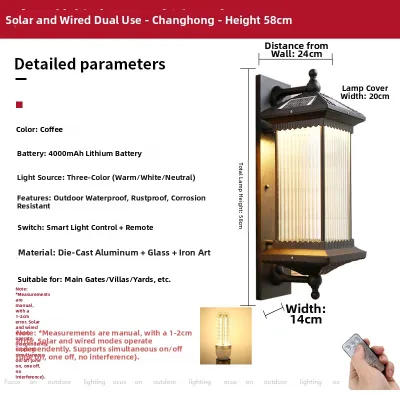
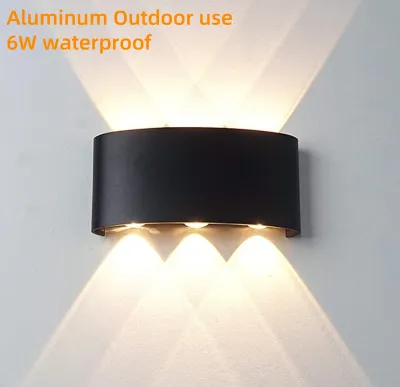
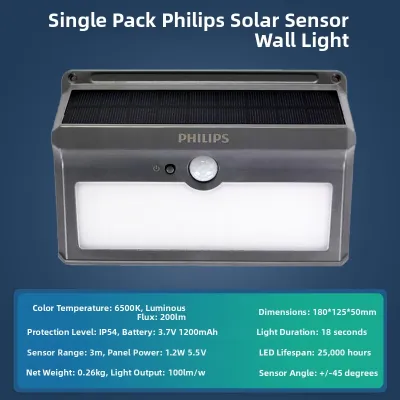
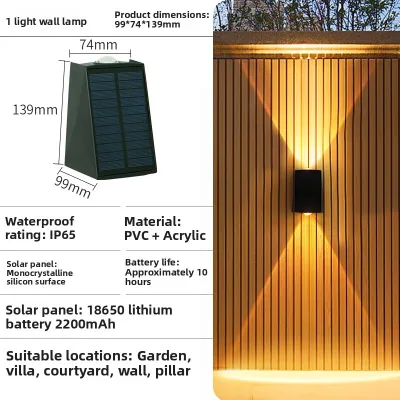
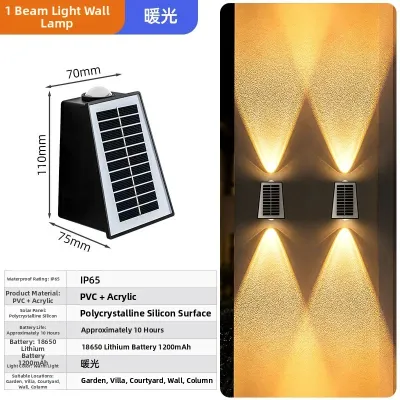
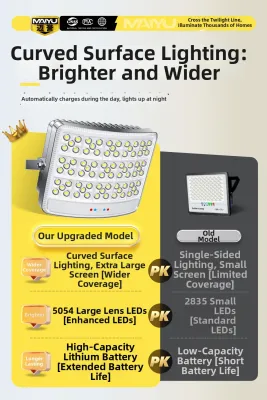
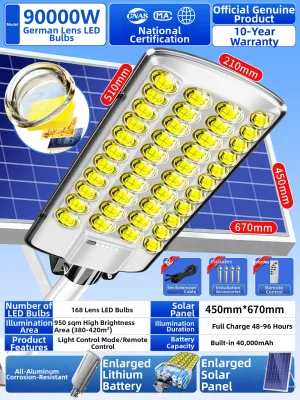
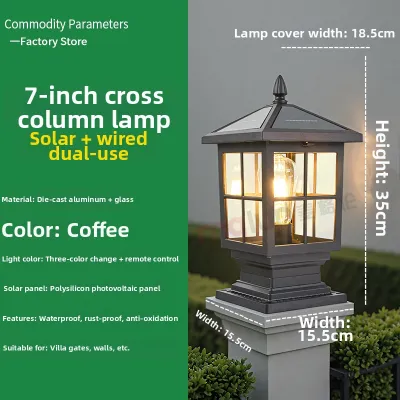
Prices are valid at publication and may change. Please refer to the product page for the latest price.
Beyond water resistance, the local tropical climate presents other environmental challenges that can degrade lighting materials over time. High UV exposure from intense daily sunlight can cause cheap plastics to become brittle, yellow, and crack, eventually compromising the waterproof seals. When reviewing product specifications, check if the manufacturer explicitly states that the housing and cables are UV-resistant or made from heavy-duty materials like polycarbonate or marine-grade silicone. Additionally, verify the operating temperature range of the fixtures to ensure they can withstand the constant heat of tropical afternoons without overheating or suffering premature driver failure.
Choosing the Right LED Light Style for Your Ambiance
The layout of your condo balcony and your personal design preferences will dictate the style of waterproof LED lights you should choose. Different fixtures serve different functional and aesthetic purposes, from casting a soft, romantic glow to highlighting architectural lines. By matching the light style to your balcony’s structural features, you can maximize both visual impact and safety.

Outdoor String and Fairy Lights
Outdoor string lights, often referred to as cafe or bistro lights, are excellent for creating a warm, cozy, and inviting atmosphere. They drape beautifully along railings, across ceilings, or along walls, instantly giving your balcony a relaxed, outdoor-lounge feel. Because they are highly visible, they serve as both a light source and a key decorative element.
When installing string lights on a condo balcony, you must avoid any permanent structural modifications, such as drilling into concrete walls or exterior ceilings, which are typically prohibited by building administrations. Instead, look for lightweight string lights that can be secured using non-destructive methods like heavy-duty, UV-resistant zip ties wrapped around metal railings, or removable adhesive hooks designed specifically for outdoor use. Always check the product label to confirm the bulbs are replaceable, allowing you to swap out individual broken lights rather than discarding the entire strand. Furthermore, inspect the wire insulation quality; thick, rubberized cords (such as SJTW-rated cables) offer much better protection against friction, wind, and moisture than thin, plastic-coated wires.
Waterproof LED Strip Lights
For a modern, sleek, or minimalist aesthetic, waterproof LED strip lights offer an exceptional way to introduce indirect, architectural lighting. These flexible strips can be mounted discreetly under railing edges, along the base of the balcony floor, or around the perimeter of the ceiling. They wash adjacent surfaces with a smooth, continuous glow, making your balcony feel larger and more sophisticated.
To achieve a professional look and protect your investment, never stick bare LED strips directly to outdoor surfaces. Instead, install them inside aluminum channels equipped with frosted diffusers. These channels not only protect the delicate silicone coating of the strip from physical damage and UV degradation but also act as heat sinks to dissipate warmth, extending the lifespan of the LEDs. Ensure that the entire system—including the power supply, controller, and connectors—carries an appropriate outdoor rating. Any wire splices or connections must be sealed with waterproof heat-shrink tubing or housed inside an IP-rated junction box to prevent moisture from seeping into the electrical circuit.
Solar and Battery-Operated Lanterns
If your condo balcony lacks an outdoor electrical outlet, running extension cords from inside your living room can create tripping hazards and prevent your balcony door from closing fully. In such cases, cordless alternatives like solar-powered or battery-operated lanterns are highly practical solutions. These portable fixtures can be placed on tables, hung from railing hooks, or clustered in corners to add depth and warmth to your setup.
Before choosing solar-powered lights, carefully evaluate the daily sun exposure on your balcony. High-rise balconies are often shaded by upper floors or adjacent buildings, meaning they may not receive the direct sunlight required to fully charge solar panels. If your balcony faces away from the sun or is deeply recessed, battery-operated lanterns with rechargeable cells may be a more reliable choice. Regardless of the power source, inspect the battery compartment seals on these fixtures to ensure they have tight rubber gaskets that prevent rainwater and high humidity from corroding the internal contacts. Check the manufacturer’s specifications for expected runtime to ensure the lights will last through your evening gatherings.
Navigating Condo Rules and Power Setup
Decorating a condo balcony requires careful adherence to community guidelines and strict electrical safety practices. Unlike a standalone house, a condominium unit shares structural and aesthetic elements with neighboring units, meaning your lighting choices can affect others. Before purchasing any fixtures, always request a copy of the building administration or Homeowners Association (HOA) guidelines regarding exterior balcony decorations. Many properties prohibit drilling into exterior walls, hanging items that extend past the railing, or using highly saturated colored lights that disrupt the building’s uniform facade. Understanding these rules beforehand prevents costly fines and the hassle of dismantling your setup.
Electrical safety is paramount when dealing with outdoor power connections in a tropical environment prone to sudden downpours. If you are using plug-in LED lights, you must ensure that your power source is safe and dry. Never run standard indoor extension cords through a cracked balcony door, as this can pinch the wire, damage the insulation, and create a fire hazard. Instead, use a dedicated outdoor outlet equipped with a Weatherproof In-Use Cover (often called a “bubble cover”) that keeps the plug dry even when a cord is plugged in. Always incorporate a “drip loop” in your power cords—a simple downward loop in the wire just before it connects to the outlet or fixture—which forces rainwater to drip off the bottom of the curve rather than running directly into the electrical connection. Keep all plugs, adapters, and controllers elevated off the balcony floor where water is likely to pool during heavy rains.
To keep your installation completely non-destructive and compliant with condo rules, utilize temporary mounting hardware. Heavy-duty, double-sided outdoor mounting tape can secure lightweight items to smooth surfaces, but ensure it is rated for high temperatures so it does not melt under the tropical sun. UV-resistant zip ties are incredibly durable and perfect for securing string lights or LED channels to metal or glass balcony railings without scratching the finish. Specialized over-the-railing hooks or tension rods can also provide sturdy support for hanging lanterns without requiring a single screw. If your lighting plan involves any complex fixed wiring or connection to the building’s main electrical panel, always consult a qualified professional to ensure compliance with local electrical codes.
Your Pre-Purchase Evaluation Checklist
Before finalizing your purchase and setting up your balcony oasis, run through a structured evaluation checklist to ensure your selected lights are safe, functional, and aesthetically pleasing. Taking the time to verify these details will save you from the disappointment of premature product failure or incompatible setups. Whether you are planning a modest setup under ₱2,000 or a fully integrated smart lighting system, careful planning is key.
First, consider the color temperature of the LED lights, which is measured in Kelvin (K). For a relaxing, cozy balcony ambiance, look for warm white lights ranging from 2200K to 2700K, which mimic the soft glow of candlelight or traditional incandescent bulbs. Cool white lights (4000K to 5000K) are generally too harsh for an intimate balcony setting, though they can be useful in small doses if you require functional task lighting for reading or cooking. If you want the flexibility to change the mood, look for dimmable fixtures or smart LED systems that allow you to adjust the brightness and color temperature via a remote control or smartphone application.
If you choose smart outdoor lights, verify their compatibility with your existing home network and check your balcony’s Wi-Fi signal strength. Thick concrete condo walls and double-paned glass doors can severely degrade wireless signals, potentially preventing smart lights from connecting to your router. Testing your Wi-Fi signal on the balcony with your phone before buying can help you decide whether to opt for standard plug-and-play lights, Bluetooth-controlled options, or to invest in a Wi-Fi range extender.
Finally, perform a rigorous label verification step on any product you consider. Ensure the lights are compatible with the local voltage of 220V at 60Hz to prevent electrical damage or fire hazards. Check for recognized safety certifications on the packaging, which indicate the product has undergone rigorous testing for outdoor use. Lastly, review the manufacturer’s warranty terms to confirm that water damage and outdoor use are fully covered, giving you peace of mind during the rainy season.
Frequently Asked Questions (FAQ)
Can I use indoor LED strips on a covered condo balcony? (FAQ)
No, you should never use indoor-rated LED strips on a balcony, even if the space is fully covered and protected from direct rain. Covered balconies are still subject to high outdoor humidity, airborne moisture, and dramatic temperature fluctuations, all of which can quickly degrade indoor electronics. Indoor LED strips lack the protective silicone or polyurethane coating found on outdoor models, leaving their copper circuits and solder joints exposed to oxidation and short circuits. Using indoor fixtures in damp environments poses a significant electrical safety risk and will likely lead to premature product failure. Always verify that the product label explicitly states the lights are approved for damp or wet locations before installing them outdoors.
How do I clean waterproof LED fixtures without damaging them? (FAQ)
To maintain the brightness and extend the lifespan of your waterproof LED fixtures, you should clean them periodically to remove dust, pollen, and salt residue. Before cleaning, always isolate the power supply by unplugging the lights or turning off the circuit breaker. Use a soft microfiber cloth dampened with clean water and a mild, non-abrasive soap to gently wipe down the bulbs, cables, and mounting channels. Avoid using harsh chemical solvents, abrasive scrubbing pads, or high-pressure water sprays, as these can degrade the protective UV coatings, scratch the diffusers, or compromise the waterproof seals and gaskets. Allow the entire setup to dry completely before restoring power.
Community discussion
Share your experience or ask a question. Comments are reviewed before publication.