
To survive the demanding Philippine rainy season, the best solar Christmas lights must feature an Ingress Protection rating of at least IP65, a monocrystalline solar panel for efficient charging on overcast days, and a high-capacity rechargeable battery (minimum 1200mAh). Standard decorative lights often fail under the combined assault of heavy monsoon downpours and high relative humidity. Investing in heavy-duty, weather-resistant solar Christmas lights ensures your holiday display remains bright and safe throughout the wet season without risking electrical short circuits or premature product failure.
When planning your outdoor holiday display, finding durable solar Christmas lights that can withstand the local elements is a top priority. Selecting the right specifications and employing proper installation techniques will keep your garden safe and festive even during the gloomiest months of the year.
Why the Philippine Rainy Season Demands Specific Solar Lights
The Philippine wet season, driven by the Habagat (southwest monsoon) and frequent tropical cyclones, presents a hostile environment for outdoor electronics. While standard outdoor lights might withstand a light drizzle, they quickly succumb to the persistent, heavy downpours that characterize the middle to late months of the year. The sheer volume of water delivered during these storms can easily penetrate weak seals, leading to immediate electrical failure.
Products mentioned in this guide
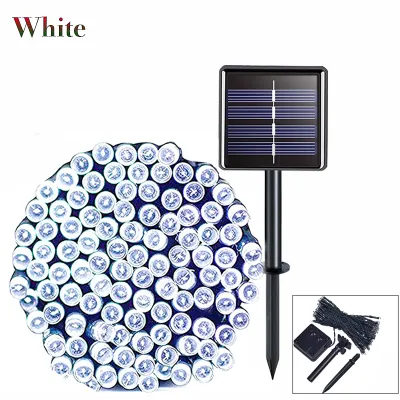
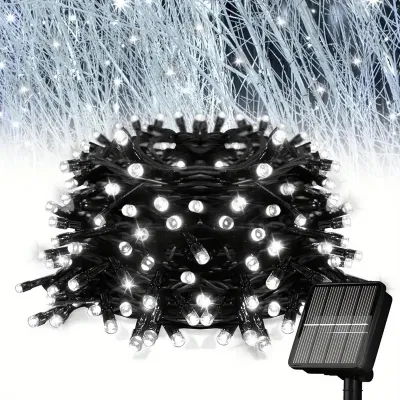
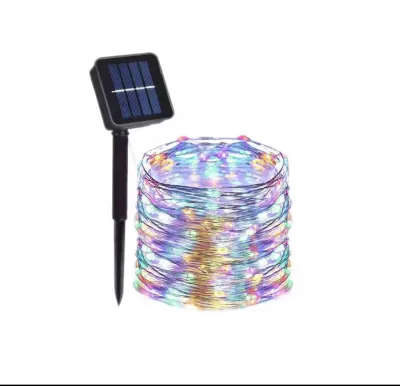
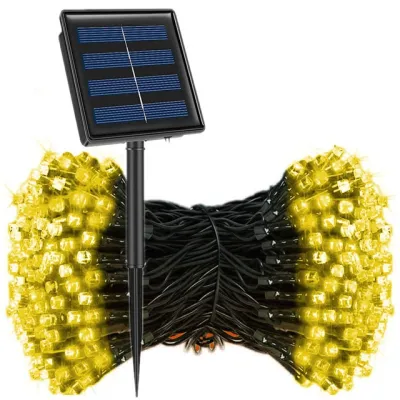
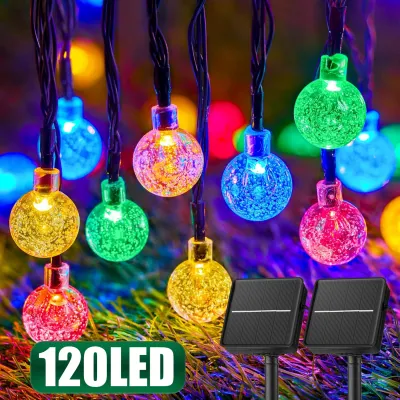
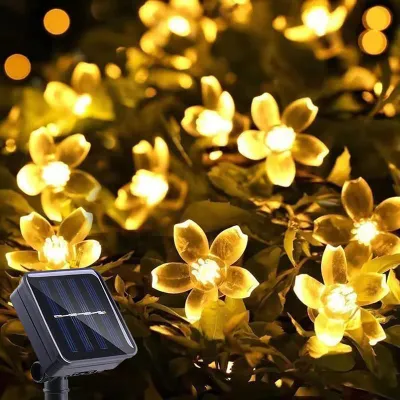
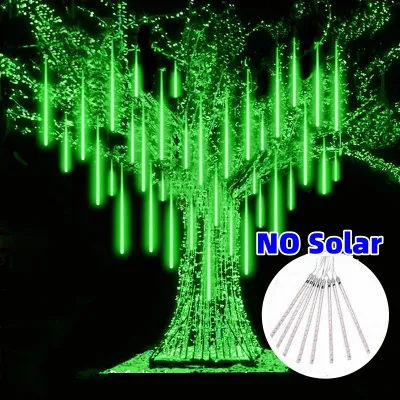
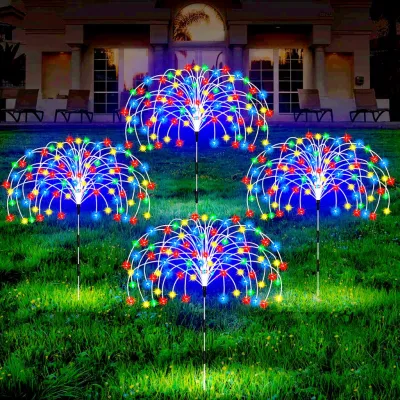
Prices are valid at publication and may change. Please refer to the product page for the latest price.
High relative humidity, which regularly exceeds 80% across the archipelago, accelerates the corrosion of exposed copper wires and electrical contacts. Moisture-laden air can penetrate poorly sealed housings, leading to internal condensation, short circuits, and complete system failure long before the festive season even begins. This constant dampness requires materials specifically treated to resist oxidation and moisture degradation.
Another major challenge is the lack of direct sunlight during consecutive rainy days. Overcast skies significantly reduce the solar energy available to charge the system. Standard solar lights with low-efficiency panels and small batteries will quickly run out of power, leaving your garden dark just when you want it to look festive.
Therefore, relying on generic “water-resistant” labels is a recipe for disappointment. Consumers must look for specialized solar Christmas lights engineered to withstand both heavy water ingress and low-light charging conditions. Investing in robust, weather-certified systems protects your home from electrical hazards and ensures your holiday display survives the elements.
Essential Waterproof and Durability Specifications
The primary indicator of a light string’s ability to survive heavy rain is its Ingress Protection (IP) rating. This standard classifies the degrees of protection provided against the intrusion of solid objects and liquids. Understanding these numbers is crucial when evaluating outdoor lighting products.

For outdoor holiday displays in the Philippines, IP44 is generally insufficient as it only protects against splashes of water. An IP65 rating is the recommended minimum standard, indicating that the product is completely dust-tight and protected against water jets projected by a nozzle from any direction. For areas prone to temporary localized flooding or extreme downpours, look for IP67-rated components, which can withstand temporary immersion in water up to one meter deep for 30 minutes.
Before purchasing, always verify the technical specifications of your chosen light set. You should check the following details on the product packaging or manufacturer datasheet:
- Voltage and Interface: Ensure the system operates on safe, low-voltage DC power (typically 1.2V to 5V for solar units) and check if the charging interface is fully sealed.
- Wattage Limits: Verify the maximum power consumption to ensure the solar panel can realistically support the LED load.
- Dimensions and Bulb Spacing: Confirm the length of the string and the spacing of the bulbs to plan your installation environment accurately.
- Dimming Methods: Check if the controller supports manual or automatic dimming, which can help conserve battery life on cloudy days.
- Electrical Certification: Look for recognized safety marks (such as CE, RoHS, or local quality certifications) to ensure the product has undergone standardized safety testing.
Beyond electrical specs, the physical materials used in construction dictate long-term durability. Look for heavy-duty acrylonitrile butadiene styrene (ABS) plastic for the solar panel housing and battery casing, as this material resists UV degradation under the intense tropical sun. The wiring itself must be robust; opt for thick, multi-stranded copper wires insulated with heavy-duty polyvinyl chloride (PVC) or silicone sleeves to prevent snapping under the weight of water or wind.
Inspect the connections and joints of the light string carefully. Quality waterproof solar Christmas lights feature rubberized or silicone gaskets at all screw-together joints and fully sealed battery compartments protected by tight-fitting rubber caps over the charging ports and power switches. These physical barriers are your first line of defense against moisture ingress.
Solar Panel and Battery Requirements for Overcast Days
To keep your Christmas lights shining through consecutive gloomy days, the type of solar panel is critical. Monocrystalline solar panels are highly recommended over polycrystalline alternatives because they offer superior energy conversion efficiency, particularly in low-light and diffuse-light conditions. This efficiency difference can mean the difference between a bright display and a completely dark yard during a rainy week.
A separate, remote solar panel connected to the light string via a long lead cable is far superior to integrated panels. This design allows you to position the solar panel in the most open, unshaded area of your yard or rooftop to maximize daylight capture, while the actual light strings can be safely draped under roof eaves, patios, or dense foliage where they are protected from direct rain.
Battery capacity, measured in milliampere-hours (mAh), determines how much energy can be stored for nighttime use. Look for solar light systems equipped with rechargeable batteries of at least 1200mAh to 2000mAh. This capacity ensures they have enough reserve power to run for several hours even after a heavily overcast day has limited the charging cycle.
The chemistry of the rechargeable battery also matters. Lithium-ion (Li-ion) batteries generally offer higher energy density, faster charging times, and a longer overall lifespan compared to older Nickel-Metal Hydride (NiMH) batteries. Always verify the manufacturer’s instructions regarding battery replacement, as some models allow you to swap out the internal battery easily when it reaches the end of its life cycle.
Installation Strategies for Maximum Weather Resistance
Proper installation is just as important as product specifications when it comes to weatherproofing. Before beginning any outdoor installation, always read the manufacturer’s instructions, verify the voltage limits, and ensure the power is isolated if you are connecting any hybrid solar-mains systems. Working with electricity in damp environments requires absolute caution.
One of the most effective techniques to prevent water damage is creating a “drip loop.” When hanging the light string, allow the wire to curve downward slightly just before it enters the solar panel housing or any connection port. This simple physical curve forces rainwater to pool and drip off the lowest point of the wire rather than running directly into the electrical seals.
High winds from seasonal storms can easily rip loose light strings from their mountings, causing physical damage or electrical strain. Secure your solar panels and light strings firmly using heavy-duty nylon zip ties, stainless steel mounting screws, or specialized outdoor mounting clips. Avoid relying on temporary adhesives or suction cups, which quickly fail when exposed to moisture and wind.
Keep all electrical connections, control boxes, and battery compartments elevated well above the ground. Ground-level pooling, splashing mud, and localized flooding can easily submerge low-lying components, bypassing basic water seals and causing permanent short circuits. Mounting these components on walls, fences, or dedicated posts keeps them dry and functional.
If your installation requires working at heights, hanging heavy suspended loads over seating areas, or routing cables through damp garden zones, prioritize safety. Use sturdy, slip-resistant ladders, secure any suspended lines with load-bearing support wires to prevent sagging, and consult a qualified professional if you are unsure about structural stability or electrical routing. Remember that decorative style, perceived color temperature, and spatial effects are ultimately conditional preferences; physical safety and structural integrity must always come first.
Wet Season Maintenance and Off-Season Storage
Regular maintenance during the rainy season ensures your solar Christmas lights continue to operate at peak efficiency. Gently wipe the surface of the solar panel once every two weeks using a soft, damp microfiber cloth to remove accumulated dust, rain splatter, and fallen leaves that block sunlight. Avoid using abrasive chemical cleaners that can scratch the protective coating of the panel.
Perform periodic visual inspections of the entire light string. Look for signs of physical wear, such as cracked plastic housings, frayed wire insulation, or loose connection caps. If you detect any exposed copper or damaged seals, immediately isolate the power and discontinue use to prevent electrical hazards.
Once the holiday season concludes, proper off-season storage is vital to preserve the lifespan of your lights. Do not pack them away wet; wipe down the entire string and allow all components to dry completely in a well-ventilated indoor space to prevent mold, mildew, and corrosion from developing during the off-season.
If the design of your solar light set allows, remove the rechargeable batteries before storing the unit. Storing batteries inside the compartment for several months in a humid environment can lead to terminal corrosion, which can ruin the electrical contacts. Store the dry light strings and solar panels in a cool, dark, and dry storage box, avoiding tight bends or kinks in the wires that could cause internal wire breaks.
Frequently Asked Questions (FAQ)
Can I leave solar Christmas lights outside during a typhoon?
No, you should take down your solar Christmas lights and store them indoors if a severe tropical storm or typhoon is forecasted. While high-quality IP65 or IP67 lights can withstand heavy rain, they are not designed to survive the physical impact of flying debris, falling branches, or extreme wind speeds that can tear the wiring apart or damage the solar panel.
Will solar Christmas lights charge if it rains all day?
Yes, solar panels can still charge on rainy and overcast days, but their efficiency drops significantly compared to sunny days. High-efficiency monocrystalline panels are capable of capturing ambient, diffuse sunlight through thick cloud cover, though the resulting charge may only power the lights for a few hours instead of the usual full-night run.
How do I know if water has damaged my solar light?
Common signs of water damage include flickering LEDs, unusually dim light output, or a complete failure of the lights to turn on automatically at dusk. If you notice visible condensation or water droplets trapped inside the bulb casings or the solar panel’s digital display screen, it indicates that the waterproof seals have been breached and the internal circuitry may be compromised.
Community discussion
Share your experience or ask a question. Comments are reviewed before publication.