
To illuminate a ferry deck, a public pier, or a waterfront boardwalk, you cannot rely on standard decorative lights. The best waterproof ferry light options and waterfront string lights are commercial-grade, marine-ready string lights featuring a minimum Ingress Protection rating of IP65 (ideally IP67), heavy-duty UV-resistant rubberized cabling (such as SJTW or neoprene), shatterproof polycarbonate LED bulbs, and corrosion-resistant copper or nickel-plated sockets. In harsh coastal environments, particularly in tropical regions like the Philippines, these specialized features are essential to prevent premature electrical failure, resist salt-induced corrosion, and guarantee the safety of passengers and visitors.
Selecting the appropriate lighting setup requires a deep understanding of how marine environments degrade electrical systems. Waterfront spaces are subject to a combination of salt spray, high humidity, intense solar exposure, and mechanical stress that typical consumer-grade products are simply not engineered to survive. By investing in true marine-grade string lights, you ensure long-term durability, reduce maintenance overhead, and maintain a safe, welcoming atmosphere for everyone on board or along the shore.
Understanding the Marine Environment Challenges for Outdoor Lighting
The combination of salt and moisture creates an aggressive environment for electrical installations. Saltwater is an excellent conductor of electricity; even a thin film of salt spray on an exposed contact can create an unintended electrical path, leading to short circuits, ground faults, or rapid galvanic corrosion. In the tropical climate of the Philippines, where relative humidity frequently exceeds 80% and coastal temperatures remain high year-round, these chemical degradation processes are significantly accelerated, causing standard metal components to rust and fail within weeks.
Products mentioned in this guide
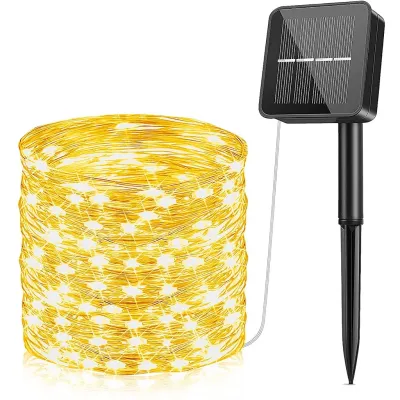
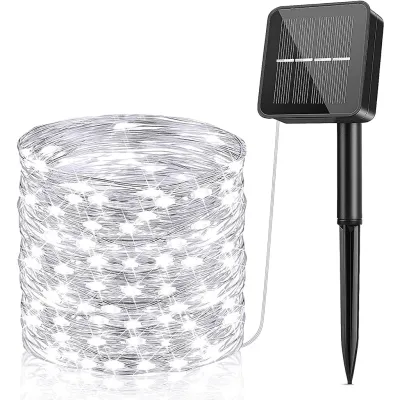
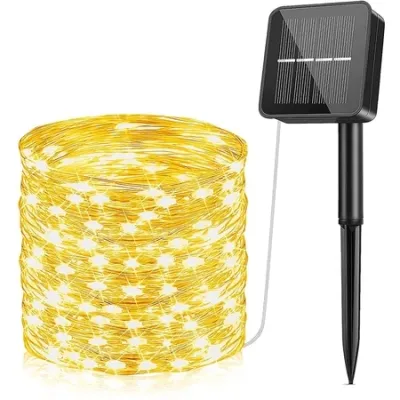
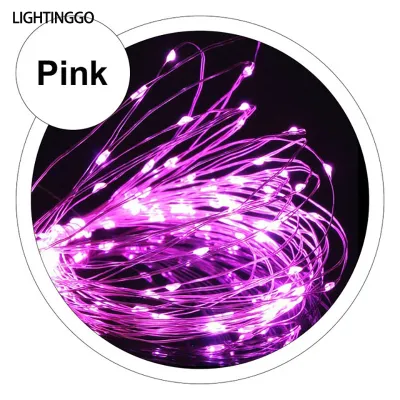
Prices are valid at publication and may change. Please refer to the product page for the latest price.
Beyond chemical corrosion, waterfront lighting must withstand severe physical exposure. Heavy rains during the southwest monsoon (Habagat) season, coupled with wave splashes and sea spray, can saturate light fixtures for hours. If water penetrates the seal between the bulb and the socket, it can cause immediate electrical failure, trip safety breakers, or present a serious shock hazard to anyone nearby.
Mechanical stress is another critical factor for waterfront or vessel lighting. Ferry decks are subject to constant vibrations from marine engines, hull movement through rough waves, and passenger foot traffic, which can loosen standard screw-in bulbs and fatigue internal wiring. Along the shore, strong coastal winds exert continuous physical tension on suspended cables, requiring robust materials and secure mounting methods to prevent the entire string from snapping or sagging dangerously.
Key Features to Look for in Ferry Light and Waterfront String Lights
Selecting the right string lights for a marine vessel or a coastal promenade requires looking far beyond generic “waterproof” marketing claims on consumer packaging. To find a product that will truly endure the elements, you must carefully evaluate technical specifications, material certifications, and structural design features that match the severity of your installation environment. This includes verifying the system’s voltage compatibility (such as 12V/24V DC for low-voltage vessel systems or 220V AC for standard Philippine shore power), bulb base interfaces (like E26 or E27), maximum wattage limits, dimming methods, and safety certifications (such as UL, CE, or local PS/ICC marks). While warm white color temperatures (such as 2700K) are often preferred for creating a cozy, welcoming ambiance on passenger decks and boardwalks, spatial lighting effects and decorative styles remain highly subjective design choices that do not affect the physical performance or safety of the lighting system.

Ingress Protection (IP) Ratings for Wet Locations
The Ingress Protection (IP) rating is the standard international measurement used to define how effectively an electrical enclosure seals against solids and liquids. An IP rating consists of two digits: the first digit (ranging from 0 to 6) indicates protection against solid objects like dust and sand, while the second digit (ranging from 0 to 9) indicates protection against moisture ingress. For marine and waterfront applications, understanding these numbers is critical to selecting a safe and durable product.
For basic outdoor residential use, an IP44 rating is often considered sufficient, as it protects against splashing water. However, on an exposed ferry deck or a coastal pier subject to heavy downpours, wind-driven rain, and wave splashes, IP44 is entirely inadequate. You should look for a minimum rating of IP65, which guarantees that the light string is completely dust-tight and protected against water jets from any angle. For areas closest to the water line or highly exposed decks where temporary submersion or intense sea spray is likely, upgrading to IP67 (protection against temporary immersion up to 1 meter) or IP68 (protection against continuous immersion) is highly recommended.
When evaluating IP ratings, it is vital to verify that the rating applies to the entire string light assembly, not just the individual bulbs. The most vulnerable points of any string light are the bulb-to-socket interfaces and the end-to-end connectors where multiple strings are joined. High-quality marine-grade string lights feature molded rubber sockets with a flexible, integrated gasket or collar that compresses tightly around the base of the bulb when screwed in, creating a continuous watertight seal that prevents moisture from reaching the electrical contacts.
Corrosion-Resistant Materials and Heavy-Duty Wiring
The materials used in the construction of the cable, sockets, and bulbs directly determine how long your waterfront lighting will survive the elements. Standard PVC cables quickly become brittle, crack, and discolor when exposed to intense tropical sunlight and salty air, allowing water to penetrate the protective jacket. Look for heavy-gauge, UV-resistant rubberized cabling, such as those labeled SJTW, SPT-2W, or neoprene, which are specifically formulated to maintain their flexibility and structural integrity under prolonged UV exposure and extreme weather.
Shatterproof bulbs are an absolute necessity for safety on any moving vessel or busy public waterfront. Traditional glass bulbs are highly fragile and can easily shatter due to engine vibrations, passenger contact, or wind-blown debris, leaving dangerous glass shards on the deck or walkway. Polycarbonate (heavy-duty plastic) LED bulbs are the ideal choice, as they are virtually unbreakable, highly impact-resistant, and lightweight. Furthermore, LED technology is highly energy-efficient—a crucial consideration when operating on a ferry’s generator power—and generates minimal heat, reducing the risk of thermal shock when cold sea spray hits a warm bulb.
The internal electrical contacts within each socket must also be constructed from highly corrosion-resistant metals. Cheap string lights often use aluminum or low-grade steel contacts, which oxidize rapidly in marine air, forming an insulating layer that cuts off electrical flow and ruins the fixture. Insist on sockets equipped with nickel-plated brass or pure copper contacts, which resist salt-induced corrosion and maintain a reliable electrical connection. Additionally, any integrated mounting loops, grommets, or hanging hardware should be made of marine-grade 316 stainless steel or high-strength, UV-stabilized plastics to prevent rust stains and physical failure.
Installation and Safety Guidelines for Marine and Dock Areas
Installing electrical fixtures in close proximity to water requires a safety-first approach and strict adherence to professional standards. Before mounting any string lights on a commercial vessel, passenger ferry, or public pier, it is essential to consult the relevant marine electrical standards, vessel manuals, or local port authorities. Marine electrical systems operate under different grounding and distribution principles than terrestrial residential systems, and any addition to the electrical load must be carefully planned and approved to ensure compliance with maritime safety regulations.
A fundamental safety requirement for all waterfront and marine installations is the mandatory use of Ground Fault Circuit Interrupters (GFCI) or Residual Current Devices (RCD). These safety devices continuously monitor the electrical current flowing through the circuit; if they detect a discrepancy of even a few milliamperes—indicating that current is leaking, potentially through water or a human body—they instantly cut off the power in a fraction of a second. Ensure that all power sources are housed in IP-rated, lockable weatherproof enclosures to protect them from direct rain and salt spray.
When physical mounting is concerned, you must never allow the electrical cable of the string lights to bear the mechanical tension of the span, especially in windy coastal environments. Instead, install a dedicated support system using a tensioned guide wire (or messenger cable) made of marine-grade 316 stainless steel. Secure the string lights to this guide wire at regular intervals (approximately every 30 to 50 centimeters) using heavy-duty, UV-resistant nylon zip ties or stainless steel carabiners. This structural setup ensures that all wind loads, vibrations, and physical tension are absorbed by the steel wire, preventing the electrical cable from stretching, cracking, or pulling away from its connections. When working at heights to install suspended loads, always ensure proper scaffolding or safety harnesses are used, and follow the manufacturer’s installation instructions for load-bearing hardware.
Finally, establish a clear safety boundary for all installation and maintenance activities. Always turn off and isolate the main power supply before mounting, adjusting, or inspecting the light strings. For permanent installations, complex routing on commercial passenger ferries, or hardwired integration into a vessel’s main electrical panel, always hire a certified marine electrician or a licensed electrical contractor. Professional installation guarantees that the system is properly grounded, complies with the Philippine Electrical Code, and minimizes the risk of electrical fires or shock hazards in a wet environment.
Maintenance Tips to Extend the Lifespan of Waterfront Lights
Even the highest-quality marine-grade string lights require regular maintenance to combat the relentless effects of salt, moisture, and sun. One of the simplest and most effective maintenance routines is performing periodic freshwater washdowns. Over time, salt crust builds up on the bulbs, sockets, and cables; because salt is a desiccant, it continuously draws moisture from the air, keeping the surfaces damp and accelerating corrosion. Gently wiping down the unpowered string lights with a damp cloth or rinsing them with fresh water removes these corrosive deposits. Always ensure the power is completely disconnected before cleaning, and allow the entire system to dry thoroughly before restoring electricity.
Routine visual inspections are also vital to catching minor issues before they escalate into dangerous electrical failures. At least once a month, or before the onset of the rainy and typhoon season, conduct a thorough inspection of the entire installation. Look for signs of wear such as cracked or yellowed bulb covers, degraded rubber gaskets, loose connections, or physical damage to the cable jacket. Pay close attention to the sockets; if you notice any green or white powdery residue (signs of copper or oxidation), disconnect the power, clean the contacts with an electrical contact cleaner, or replace the damaged section immediately.
Proper storage practices during severe weather or operational downtime will significantly extend the lifespan of your lighting equipment. In the Philippines, severe weather events like tropical typhoons bring extreme winds and torrential rains that can easily destroy outdoor installations. When a typhoon warning is active, or if a ferry is being taken out of service for extended maintenance, temporarily take down the string lights and store them in a dry, sheltered indoor location. Coiling the cables neatly and storing them away from direct sunlight and moisture prevents physical destruction from flying debris and eliminates unnecessary exposure to the elements when the lights are not in use.
Frequently Asked Questions (FAQ)
Can I use standard outdoor string lights on a ferry deck?
No, you should not use standard outdoor string lights on a ferry deck. Standard patio or garden lights are designed for relatively stable, low-exposure residential environments and lack the specialized construction required for marine use. They typically feature thin PVC jackets that degrade rapidly under intense UV light, and their internal electrical contacts are prone to rapid corrosion when exposed to salt spray. Furthermore, standard lights lack the vibration resistance needed to withstand the constant movement of a marine vessel, which can cause bulbs to loosen or break. Using non-marine-grade lights on a ferry deck leads to premature failure and poses serious safety hazards, including electrical short circuits and fire risks.
How do I secure string lights against strong coastal winds?
To secure string lights against strong coastal winds, you must avoid hanging them by their electrical cords, which can stretch and break under tension. Instead, install a dedicated guide wire (or messenger cable) made of marine-grade 316 stainless steel between secure structural anchor points on the deck or dock. Tension the wire using stainless steel turnbuckles, and then attach the string lights to this guide wire at regular intervals using heavy-duty, UV-stabilized zip ties or marine-grade carabiners. This setup transfers the physical load of the wind to the strong steel wire, protecting the electrical cable and connections from structural stress and preventing dangerous sagging.
Community discussion
Share your experience or ask a question. Comments are reviewed before publication.