
Hosting an outdoor wedding reception in the Philippines offers breathtaking natural backdrops, from the cool ridges of Tagaytay to the sandy shores of Boracay. However, the tropical climate presents unique environmental challenges, including sudden torrential downpours, high humidity, and intense afternoon heat. To ensure your celebration remains safely illuminated from dusk until the final send-off, selecting the right waterproof string lights is a critical planning step.
The best waterproof string lights for outdoor wedding receptions in the Philippines are commercial-grade LED string lights with an IP65 or higher weatherproofing rating, heavy-duty rubberized cabling (such as SJTW-rated wire), and shatterproof plastic bulbs. This specific configuration provides the necessary resilience against tropical weather while delivering a warm, romantic glow. When choosing a light for wedding decoration, balancing structural durability with aesthetic appeal ensures your venue remains safe, dry, and beautifully lit throughout the evening.
Key Weatherproof Specs for Philippine Outdoor Venues
Understanding international protection (IP) ratings is essential when selecting lighting that can withstand a sudden tropical storm. An IP rating consists of two digits: the first measures protection against solid objects, and the second measures protection against liquids. For outdoor weddings in the Philippines, look for lights rated at least IP65, which indicates the product is completely dust-tight and protected against water jets projected from any angle. While IP65 is highly effective for suspended overhead canopy lighting during heavy rains, IP67 ratings offer protection against temporary submersion. IP67 lights are ideal for low-lying ground installations, path lighting, or areas where water is prone to pooling during sudden downpours.
Products mentioned in this guide
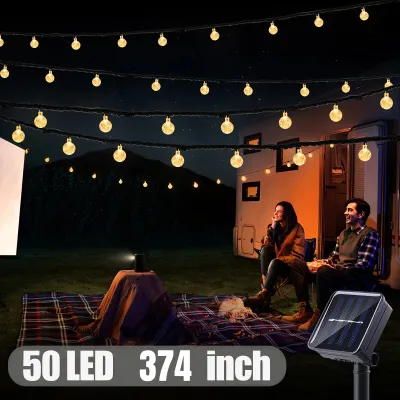
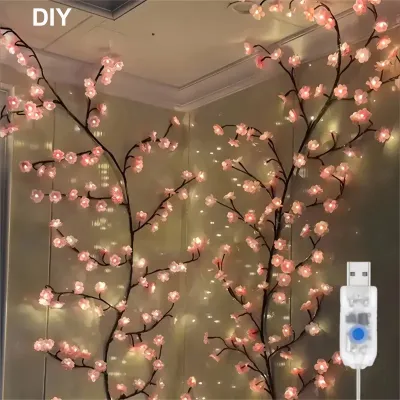
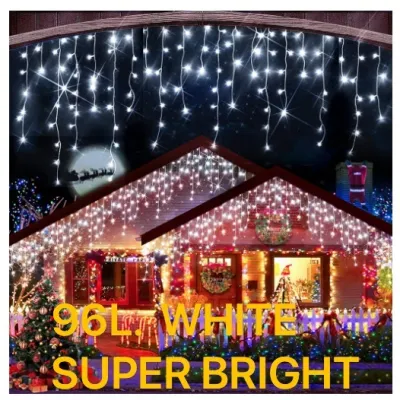
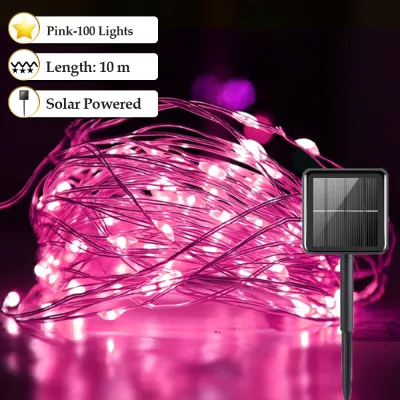
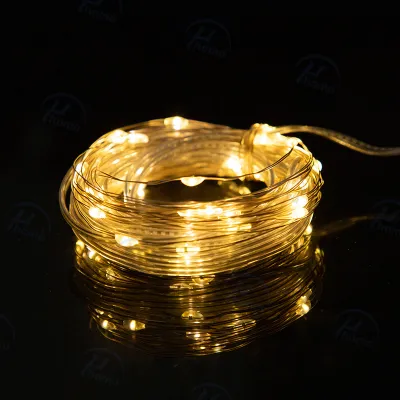
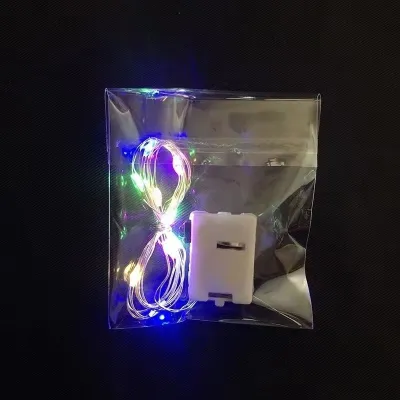
Prices are valid at publication and may change. Please refer to the product page for the latest price.
The structural integrity of the wiring is just as important as the water rating of the bulbs. Cheap, thin copper wire lights lack the structural strength to survive outdoor elements and are highly susceptible to moisture ingress. Instead, prioritize heavy-duty cables insulated with thick rubber or specialized PVC jackets, such as SJTW (Service, Junior, Thermoplastic, Weather-resistant) cords. These thick jackets insulate the copper conductors from the air, preventing the rapid corrosion and short circuits that typically occur in high-humidity coastal environments.
Additionally, daytime setup in the Philippines exposes equipment to intense ultraviolet (UV) radiation. Standard plastics degrade quickly under direct sunlight, becoming brittle, cracking, and eventually exposing live electrical wires to rain. Choosing string lights treated with UV-resistant coatings prevents premature aging of the cable jackets. Investing in UV-stabilized materials ensures that the physical structure of the wiring remains flexible and safe, even if the lights are hung early in the morning and left under the hot midday sun before the reception begins.
Matching the Power Source to Your Wedding Venue
Selecting the right power source for your wedding lighting depends heavily on your venue’s layout, infrastructure, and proximity to electrical grids. Each power type offers distinct trade-offs in terms of reliability, installation complexity, and run-time consistency.

Plug-In String Lights
Plug-in lights are the gold standard for consistent, high-intensity illumination, making them ideal for main reception areas, dining canopies, and dance floors. In the Philippines, the standard household voltage is 220V at 60Hz. Before purchasing, verify that your string lights are rated for this voltage and feature standard local plug interfaces or compatible adaptors. Because plug-in systems draw continuous power, you must calculate the total wattage of your connected strings to avoid overloading the venue’s circuits. Always use heavy-duty, outdoor-rated extension cords and keep all plug connections elevated off the ground using protective junction boxes or hanging hooks to prevent contact with wet grass or pooling water.
Battery-Operated Lights
For remote garden pathways, intimate beach altars, or wrapping around distant tree trunks where running extension cords is impractical, battery-operated string lights offer an excellent wireless solution. These systems operate on low voltage, minimizing electrical hazards in damp environments. However, battery power comes with limitations. Standard alkaline batteries typically provide optimal brightness for only 4 to 6 hours before a noticeable voltage drop dims the output. To ensure your lights last through the entire reception, use fresh, high-capacity batteries and select lighting units that feature weather-sealed battery boxes with rubber gaskets to keep internal contacts dry.
Solar-Powered Lights
Solar-powered string lights are an eco-friendly option for accent lighting, but they require careful placement and realistic expectations. During the Philippine rainy season, thick cloud cover and heavy afternoon rains can severely limit the solar panel’s ability to charge. To maximize evening runtime, the solar panel must be positioned in an unshaded area that receives direct sunlight for at least 6 to 8 hours during the day. Because of their reliance on daily weather conditions, solar lights are best used as supplementary decor—such as highlighting perimeter shrubbery—rather than the primary light source for key areas like dining tables or stage setups.
Selecting Bulb Styles for the Perfect Wedding Ambiance
Lighting sets the emotional tone of a wedding reception. The right combination of color temperature, bulb material, and design style transforms an outdoor space into an enchanting, celebratory environment.
Color temperature is measured in Kelvin (K) and dictates whether a light feels warm or cool. For wedding receptions, warm white light ranging from 2700K to 3000K is highly recommended. This spectrum mimics the gentle glow of candlelight, softening skin tones, enhancing floral arrangements, and creating an inviting, intimate atmosphere. In contrast, cool white or daylight bulbs (5000K and above) emit a blue-toned light that can feel clinical, harsh, and unflattering in wedding photography. While color temperature is a subjective preference, warm white consistently delivers the classic romantic ambiance desired for wedding celebrations.
When it comes to safety in public spaces, the physical material of the bulb is a critical consideration. Traditional glass bulbs present a major hazard in outdoor venues; a sudden gust of wind can swing a light string against a support post, shattering glass over dining tables, dance floors, or guest pathways. Opt for shatterproof LED bulbs made from high-grade polycarbonate, PET, or acrylic. These modern synthetic materials are highly impact-resistant, lightweight, and virtually unbreakable, ensuring that even if a string falls or collides with a structure, your guests remain completely safe.
Different bulb styles complement specific wedding themes:
- Classic Globe Bistro Lights (S14 or G40 bulbs): These larger, round bulbs provide substantial illumination and are perfect for structured overhead grids, rustic barn themes, or elegant European-style garden receptions.
- Delicate Fairy Lights (Micro LEDs): Emitting tiny, point-source pinpricks of light, these are ideal for wrapping around tree trunks, weaving through floral arches, or creating a dense, starry-night canopy effect.
- Vintage Edison-Style Bulbs (ST64 or ST19 bulbs): Featuring visible faux-filaments, these elongated bulbs offer a nostalgic, industrial-chic, or bohemian aesthetic that adds character to exposed timber beams and minimalist outdoor setups.
Safe Installation and Weather Protection Strategies
Installing outdoor lighting safely requires careful structural planning and strict adherence to electrical safety protocols, especially when working in damp tropical environments.
Before beginning any installation, always isolate the power source by turning off the circuit breaker or unplugging all cords. When hanging string lights, avoid using metal nails, staples, or tacks. These sharp fasteners can easily pierce the protective rubber insulation, causing short circuits, electrical shocks, or fire hazards. Instead, secure your light strings using UV-resistant plastic zip ties, insulated S-hooks, or padded mounting clips. These fasteners distribute weight evenly without damaging the cable’s protective jacket.
Protecting electrical connection points from moisture is paramount. Even IP65-rated string lights can short-circuit if the male-to-female plug connections between individual strings are left exposed to rain. Keep all plug joints elevated off the ground by securing them to support poles or overhead structures. For maximum protection, wrap each connection joint tightly with self-fusing silicone tape or house them inside water-resistant connection safety covers. These specialized covers feature internal rubber seals that clamp down on the cords, preventing water from creeping into the electrical contacts.
For any outdoor electrical setup, always plug your lights into a Ground Fault Circuit Interrupter (GFCI) outlet. A GFCI monitors the flow of electricity and instantly cuts the power if it detects a current leak, such as electricity escaping through water or a damp surface. If the venue does not have built-in GFCI outlets, utilize portable, outdoor-rated GFCI adapters between the venue outlet and your main extension cords. For complex installations—such as extensive overhead grids spanning large distances, high-altitude tree climbing, or tapping directly into main distribution panels—always hire a qualified professional electrician to manage the setup.
Finally, account for wind loads and structural tension. The Philippines experiences sudden, strong tropical gusts that can put immense physical strain on suspended wires. When hanging string lights across open spans longer than 10 meters, do not pull the lines completely taut. Instead, create intentional slack or “swag” in the lines to absorb wind energy. For long spans, run a high-tensile steel guide wire (messenger cable) across the space first, then secure the light string to the guide wire using zip ties. This structural support prevents the electrical copper wires from stretching, snapping, or pulling down support poles during unexpected windy spells.
Frequently Asked Questions (FAQ)
How do I calculate the total length of string lights needed for my venue?
To calculate the required length of string lights, start by mapping out your desired layout pattern. The three most common patterns for outdoor wedding receptions are the zigzag (for full canopy coverage), the perimeter (outlining the edge of the dining area), and the tent/canopy style (radiating outward from a central high point).
Once you select a layout, measure the physical distances between your mounting points using a tape measure or a laser distance tool. After calculating the base measurement, add an additional 10% to 15% to your total. This extra length accounts for the natural sag (swag) of the suspended lines, the vertical drops required to reach your power outlets, and any unexpected on-site adjustments during installation.
Can I leave the string lights installed after the wedding?
Whether you can leave your string lights installed long-term depends entirely on the grade of the product you purchase. Standard decorative string lights are designed for temporary event use; their seals, thin wire jackets, and plastic components will degrade rapidly if exposed to continuous tropical sun and rain for more than a few weeks. Leaving temporary lights up permanently increases the risk of water intrusion, electrical shorts, and physical wire failure.
If you plan to leave the lights installed permanently—for example, to illuminate a backyard patio or a permanent venue space—you must invest in commercial-grade, heavy-duty lighting systems. These systems feature heavy rubber SJTW-insulated cables, robust E27 screw-in sockets with tight rubber seals that hug each bulb, and highly durable UV-resistant materials. Even with commercial-grade fixtures, you must conduct periodic safety inspections every few months to check for wire wear, replace degraded bulb gaskets, and ensure that water has not penetrated any connection points.
Community discussion
Share your experience or ask a question. Comments are reviewed before publication.