
Selecting a holy cross for altar setups in an outdoor garden requires careful consideration of materials. The ideal choice must withstand intense environmental factors while maintaining its sacred appearance.
While no single material is entirely impervious to natural wear, cast stone and concrete offer the highest wind resistance and structural longevity. For intricate artistic details, high-quality fiberglass treated with UV-inhibitors provides excellent moisture resistance without the risk of rot.
Powder-coated aluminum and marine-grade stainless steel present modern, low-maintenance alternatives that resist corrosion. The optimal selection ultimately depends on your garden’s microclimate, the structural design of your altar, and your capacity for seasonal maintenance.
Products mentioned in this guide
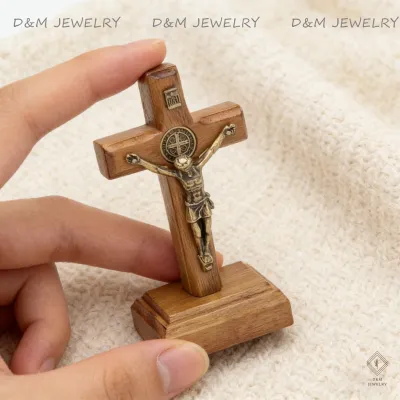
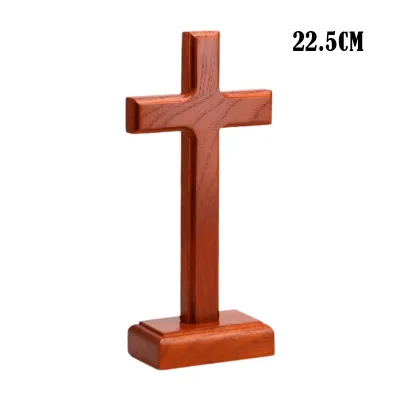
Prices are valid at publication and may change. Please refer to the product page for the latest price.
Understanding the Philippine Climate's Impact on Garden Altars
Establishing an outdoor sanctuary in the Philippines introduces unique environmental challenges that directly affect the lifespan of religious ornaments. The local tropical climate alternates between periods of intense, direct solar radiation and prolonged, heavy rainfall during the monsoon season.
High ambient humidity levels persist year-round, creating an environment highly conducive to organic growth, moisture intrusion, and chemical degradation. When materials are left unprotected in an outdoor garden setting, these climate factors accelerate structural wear.
Ultraviolet (UV) rays break down chemical bonds in paint finishes, resins, and wood fibers, leading to fading, chalking, and brittleness. Heavy rains and high humidity allow water to penetrate porous surfaces, which can cause cracking during thermal expansion or trigger internal rot in organic materials.
Additionally, coastal areas experience salt-laden air that rapidly oxidizes vulnerable metals. Understanding how these forces interact with different materials allows you to make an informed decision that preserves the dignity of your garden altar for years to come.
Comparing Weather-Resistant Materials for a Holy Cross for Altar
Choosing the right material involves balancing aesthetic preferences with the physical demands of an outdoor environment. Different materials offer distinct advantages and vulnerabilities when exposed to tropical weather.

Concrete and Cast Stone
Concrete and cast stone are among the most durable options for an outdoor altar display. Their primary advantage lies in their substantial weight, which provides natural stability against the strong winds and typhoons common in the Philippines.
These materials are completely immune to UV degradation, ensuring they will not warp, melt, or become brittle under the intense tropical sun. This makes them highly suitable for permanent, long-term installations.
However, concrete is inherently porous and susceptible to moisture absorption. Over time, microscopic pockets of water within the material can expand and contract with temperature fluctuations, leading to hairline cracks.
In highly humid garden environments, this moisture retention often encourages the growth of moss, algae, and mold, which can discolor the surface. To mitigate these risks, verify if the manufacturer has applied a high-quality, breathable exterior masonry sealer, or plan to apply one yourself before installation.
Fiberglass and Polyresin
Fiberglass and polyresin are highly popular for detailed religious sculptures because they can be cast into intricate shapes and painted with lifelike precision. Unlike wood or metal, high-quality fiberglass is completely impervious to water.
This means it will never rot, rust, or warp when exposed to heavy monsoon rains. It is also lightweight, making it easy to transport and position during the initial setup of your garden altar.
Despite these benefits, lightweight resins are highly vulnerable to solar damage and wind displacement. Without a robust, factory-applied UV-inhibitor coating, polyresin will quickly fade, yellow, and crack under direct sunlight.
Furthermore, because these pieces lack the structural weight of stone, they are highly susceptible to being knocked over by strong winds. When choosing a fiberglass cross, always confirm that the product is rated for outdoor use with integrated UV protection, and ensure you have a reliable anchoring method.
Treated Wood and Hardwoods
Wood offers a traditional, organic aesthetic that harmonizes beautifully with a natural garden setting. However, wood is the most high-maintenance material choice for an outdoor environment.
Standard untreated softwoods will quickly succumb to rot, warping, and splintering when subjected to the alternating wet and dry cycles of the tropical climate. If you prefer the natural look of wood, you must select either pressure-treated timber or naturally rot-resistant tropical hardwoods.
Dense tropical hardwoods like teak, yakal, or ipil contain natural oils that repel moisture and resist insect infestations. Even with these resilient species, regular maintenance is mandatory to prevent degradation.
You will need to apply a marine-grade varnish or exterior polyurethane sealer annually to protect the wood fibers from UV damage and moisture wicking. Additionally, always mount a wooden cross on an elevated concrete or stone base to prevent direct contact with damp soil, which is a primary gateway for destructive termites.
Metals (Aluminum, Stainless Steel, and Cast Iron)
Metal crosses provide a clean, structural presence for modern or classic garden altars, but their longevity depends heavily on the specific alloy used. Aluminum and marine-grade stainless steel (such as 316-grade) are highly recommended for outdoor use.
Aluminum naturally forms a protective oxide layer that prevents deep corrosion, especially when finished with a durable powder coating. Stainless steel offers exceptional strength and rust resistance, making it ideal for wet or coastal environments.
Cast iron offers a heavy, traditional alternative that easily resists wind displacement, but it requires diligent upkeep. Untreated cast iron will quickly develop surface rust when exposed to rain and humidity.
If you select a cast iron cross, verify that it has been treated with a rust-inhibitive primer and coated with high-grade exterior paint. Avoid using untreated mild steel or items with indoor-rated metallic finishes, as they will degrade and stain your altar pedestal with unsightly rust streaks within a single rainy season.
Key Specifications and Features to Verify Before Purchase
When shopping for an outdoor cross, look beyond aesthetic appeal and scrutinize the technical specifications to ensure long-term durability. First, examine the finish and paint ratings.
High-quality outdoor ornaments should explicitly state the use of UV-resistant acrylic paints, marine-grade polyurethane varnishes, or thermosetting powder coatings. These finishes act as the primary shield against solar degradation and moisture penetration.
Second, evaluate the structural design and weight distribution. Solid-core constructions offer superior structural integrity and are less likely to crack under physical stress or high winds.
Hollow-core alternatives are easier to handle but require careful inspection. For hollow metal or resin structures, check for the presence of weep holes or drainage channels near the base to prevent internal water pooling.
Third, assess the mounting mechanism and base design. A stable outdoor cross must have a low center of gravity or a secure attachment system. Look for models featuring a wide, heavy base, pre-drilled holes for masonry anchors, or an integrated mounting flange.
If you plan to install a large, heavy stone or metal cross, or if you intend to integrate low-voltage LED lighting into the altar design, consult a qualified professional. For any electrical additions, ensure the system uses outdoor-rated, moisture-resistant wiring and that you isolate the power supply before performing any installation or maintenance tasks.
Seasonal Maintenance and Typhoon Preparation
Implementing a regular maintenance routine is essential to preserve the beauty and structural integrity of your outdoor holy cross. For routine cleaning, wash the surface gently using a soft-bristle brush, clean water, and a mild, pH-neutral soap.
Avoid using high-pressure washers, abrasive scrubbing pads, or harsh chemical cleaners, as these can easily strip away protective clear coats, paint layers, and water-repellent sealants. Conduct a thorough inspection of the cross twice a year, ideally before the start of the monsoon season.
Look closely for hairline cracks, chips in the paint, or areas where the protective varnish has begun to peel. Promptly seal any exposed areas using a compatible exterior touch-up paint or clear silicone sealant to prevent water from seeping into the substrate.
When a severe tropical storm or typhoon is forecasted, take proactive steps to protect your garden altar. Lightweight crosses made of fiberglass, polyresin, or wood should be temporarily unmounted and moved to a sheltered indoor area.
For heavy stone, concrete, or metal crosses that cannot be easily moved, verify that the surrounding drainage channels are clear of leaves and debris. Proper drainage prevents water from pooling around the base, which can erode the supporting soil, weaken the foundation, and cause the structure to tilt or fall.
Frequently Asked Questions (FAQ)
Can I leave a wooden holy cross outside all year round?
While it is possible to keep a wooden holy cross outdoors year-round, it is not highly recommended unless you use premium tropical hardwoods like teak or yakal and apply a marine-grade sealant. Wood remains highly vulnerable to the extreme humidity, heavy rains, and active termite populations found in tropical climates. To maximize its lifespan, you must apply a fresh coat of protective sealant annually and ensure the cross is mounted on an elevated base to prevent ground moisture absorption.
How do I anchor a lightweight cross to prevent it from blowing over?
To secure a lightweight fiberglass or resin cross against strong winds, you can anchor it directly to a concrete altar pedestal using stainless steel masonry screws through pre-drilled holes in the base. Alternatively, you can mount the cross securely inside a heavy, weighted planter filled with gravel or concrete, or utilize heavy-duty, rust-resistant ground stakes if placing the cross directly on a garden lawn.
Community discussion
Share your experience or ask a question. Comments are reviewed before publication.