
Creating a magical winter wonderland in a tropical climate relies heavily on the strategic use of lighting. While white Christmas lights are a staple for replicating a snowy aesthetic, achieving the right vibe depends on selecting the correct color temperature and physical light style. In the Philippines, where the holiday season begins early in the “Ber” months, transforming a warm, humid home into an icy retreat or a cozy snow cabin is all about visual illusion. By choosing the right combination of cool and warm tones, and matching the physical structure of the lights to your home’s architecture, you can evoke the crisp, clean feel of a snowy landscape even when the weather outside is warm and tropical.
Because evening lighting displays are a central part of local holiday traditions, selecting the right lights requires balancing aesthetics with practical considerations. The contrast between the vibrant, warm tropical nights and a cool, serene indoor display can make your home feel like a true sanctuary. Achieving this effect does not require a complete home renovation; rather, it relies on understanding how light interacts with your existing decor, walls, and outdoor spaces. By focusing on color temperature, light styles, technical specifications, and safety guidelines, you can create a stunning holiday display that is both beautiful and secure.
Understanding White Light Temperatures for a Winter Aesthetic
The foundation of any winter wonderland display is the color temperature of the white lights you select. Cool white lights, which typically range from 5000K to 6500K on the Kelvin scale, emit a bright, crisp light with a subtle blue undertone. This temperature closely mimics the natural reflection of sunlight on fresh snow and thick ice, making it the ideal choice if you want to create a modern, clean, and distinctly frosty atmosphere. Cool white lights work exceptionally well against silver, blue, or white ornaments, enhancing the icy elegance of your holiday decor.
Products mentioned in this guide
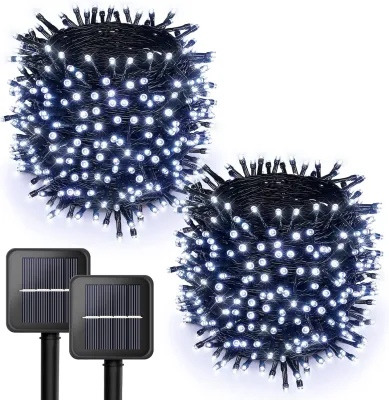
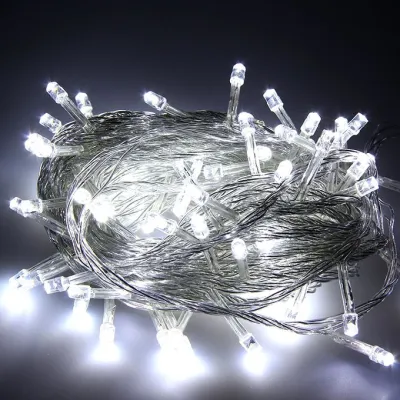
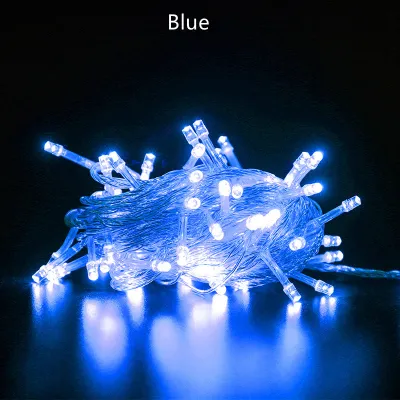
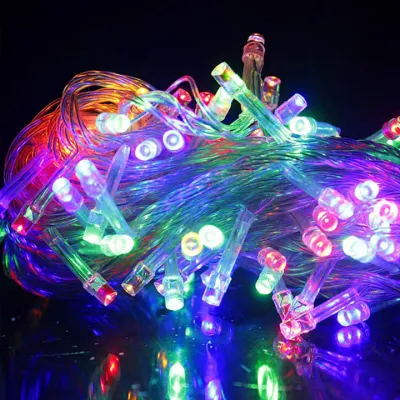
Prices are valid at publication and may change. Please refer to the product page for the latest price.
In contrast, warm white lights, which generally fall between 2700K and 3000K, produce a soft, golden glow reminiscent of candlelight or a crackling fireplace. This temperature evokes a cozy, traditional winter cabin feel, making spaces feel intimate, warm, and welcoming. Warm white lights complement natural wood furniture, traditional green Christmas trees, and warm-toned ornaments like gold, red, and bronze. If your goal is to create a nostalgic, comforting holiday environment rather than a literal snow-covered look, warm white is the preferred option.
To verify the color temperature before purchasing, always check the product packaging or online specifications for the Kelvin (K) rating. If the Kelvin rating is not explicitly listed, look for descriptive terms on the label, but be aware that terms like “daylight” or “bright white” can sometimes refer to neutral white (around 4000K), which sits between warm and cool. When shopping in local retail stores, asking to see a live demonstration of the lights turned on is the most reliable way to confirm the actual color output.
While it is tempting to stick to a single color temperature, mixing warm and cool white lights can create a beautiful sense of depth if done intentionally. The key to mixing temperatures without creating a chaotic or disorganized look is zoning and layering. For example, you can use cool white lights on the outer tips of your Christmas tree branches to simulate a fresh dusting of frost, while placing warm white lights deeper inside the tree to create a warm, glowing core. Alternatively, you can use cool white lights outdoors to frame your roofline and windows, while keeping the indoor lighting warm and cozy to welcome guests inside.
Ideal Styles of White Christmas Lights for a Snowy Effect
The physical style of the light strand determines how the light is distributed and what kind of winter texture it creates. Icicle lights are one of the most effective styles for simulating a snowy exterior. These strands feature a main horizontal wire with multiple vertical drops of varying lengths, mimicking the natural hanging patterns of melting ice. Hanging icicle lights along rooflines, gutters, eaves, and window frames creates a dramatic, cascading effect that instantly transforms your home’s facade into an icy winter palace.

Fairy lights and classic string lights offer the greatest versatility for both indoor and outdoor decorating. Fairy lights feature tiny LED bulbs on thin, flexible copper or silver wires, making them virtually invisible when wrapped around delicate objects. They are ideal for wrapping tightly around indoor tree branches, winding up staircase banisters, or placing inside glass jars to create whimsical, glowing centerpieces. Classic string lights, which have larger bulbs on thicker green or white insulated wires, are perfect for draping across ceilings to create a starry canopy or wrapping around larger outdoor tree trunks.
For covering large vertical surfaces or creating a dense, uniform light display, curtain and net lights are highly efficient choices. Curtain lights consist of long, parallel vertical strands hanging from a single horizontal support wire. Hanging curtain lights behind sheer white window drapes diffuses the light beautifully, creating a soft, glowing backdrop that looks like a gentle, continuous snowfall. Net lights, which are pre-woven into a grid pattern, are designed to be draped directly over outdoor hedges, shrubs, or square pillars, providing perfectly even light distribution with minimal effort.
If you are looking for a low-maintenance alternative to hanging thousands of individual bulbs, projection and laser lights are excellent options for outdoor decorating. These devices project moving snowflake patterns, falling snow effects, or starry points onto large, flat surfaces like house facades, garage doors, or garden walls. To achieve a clear and vibrant projection, ensure the target surface is relatively flat, light-colored, and free of competing ambient light sources like streetlights. Always check the manufacturer’s guidelines regarding the optimal distance between the projector and the wall to prevent the images from becoming blurry or distorted.
Key Features to Check Before Buying
Before purchasing your white Christmas lights, it is essential to evaluate their technical specifications to ensure they are safe, durable, and compatible with your home’s electrical setup. First, consider the power source options. Plug-in lights are the most reliable choice for large, permanent displays because they provide consistent brightness without the need for battery replacements. Battery-operated or USB-powered lights, on the other hand, offer excellent portability for small, isolated indoor arrangements, such as table centerpieces, wreaths, or mantle displays that are far from wall outlets.
For any lights intended for outdoor use, verifying the Ingress Protection (IP) rating is critical to ensure they can withstand tropical humidity and sudden rain showers. The IP rating consists of two digits: the first indicates protection against solid objects, and the second indicates protection against liquids. For outdoor holiday lighting, look for a minimum rating of IP44, which protects against splashing water from any direction. For highly exposed outdoor areas, such as open gardens or rooflines, lights with an IP65 rating or higher offer superior protection against heavy downpours and dust. Indoor-only lights, which often have an IP20 rating, must never be used outdoors.
Voltage compatibility is another crucial safety factor, especially when purchasing imported light sets online. The standard electrical grid in the Philippines operates at 220V at 60Hz. Always verify that the operating voltage listed on the product label matches this standard. Connecting a 110V light set directly to a 220V outlet will immediately destroy the lights and pose a severe fire and shock hazard. If you must use imported 110V lights, you must connect them to a properly rated step-down transformer. To ensure the highest level of safety, look for local certification marks on the packaging, such as the Philippine Standard (PS) mark or the Import Commodity Clearance (ICC) sticker.
Finally, consider lights that offer built-in timers or smart features to simplify your holiday routine and manage energy consumption. Built-in timers allow you to program your lights to turn on automatically at dusk and turn off after a set number of hours, ensuring you do not accidentally leave them running overnight. Smart-enabled lights can be controlled via a smartphone app or integrated into home automation systems, allowing you to adjust brightness levels, change flashing patterns, or sync multiple light strands from the comfort of your couch.
Installation and Safety Guidelines
Proper installation is key to ensuring your winter wonderland display remains safe and beautiful throughout the holiday season. Before hanging any lights, lay the strands out on a dry floor and plug them in to inspect the entire length. Carefully check for frayed wires, cracked plastic insulation, loose connections, or broken bulbs. If you notice any damage, discard the set immediately; attempting to patch damaged wires with electrical tape is a serious safety hazard that can lead to short circuits or electrical fires.
When hanging your lights, avoid using nails, staples, or metal tacks to secure the strands. These sharp fasteners can easily pierce the protective plastic insulation of the wires, exposing live copper and creating a severe shock or fire hazard. Instead, use non-damaging plastic gutter clips, tile clips, or adhesive outdoor hooks designed specifically for holiday lighting. These accessories hold the wires securely in place without damaging your home’s surfaces or compromising the electrical insulation of the light strands.
Managing your electrical load is critical to preventing overloaded circuits and overheated wires. Always check the wattage limits of your extension cords, power strips, and wall outlets, and ensure the total wattage of your connected lights does not exceed these limits. Avoid “daisy-chaining” too many light strands end-to-end. While LED lights draw significantly less power than traditional incandescent bulbs, manufacturers still specify a maximum number of strands that can be safely connected in a single chain. Refer to the product manual to find this limit, and use multiple power outlets or heavy-duty extension cords if your display requires more strands.
For complex outdoor installations, fixed wiring modifications, or any work that requires climbing to high elevations near overhead power lines, safety must be your top priority. Always isolate the power source by turning off the circuit breaker before handling any electrical connections or installing lights in damp areas. If your holiday display involves high-elevation rooflines, suspended loads over walkways, or integrating lights directly into your home’s main electrical panel, stop and consult a qualified professional electrician to ensure the installation is safe, secure, and compliant with local electrical codes.
Frequently Asked Questions (FAQ)
Can I mix cool white and warm white Christmas lights in the same display?
Yes, you can mix cool white and warm white lights, but doing so requires deliberate planning to avoid a chaotic look. A successful strategy is to separate them by zone or layer. For example, use cool white lights on your outdoor roofline to simulate crisp ice, while keeping warm white lights inside your windows to project a cozy, inviting glow. If mixing them on a Christmas tree, use warm white lights deep within the branches to create a warm, glowing core, and drape cool white fairy lights on the outer tips to mimic a fresh dusting of frost.
How do I store white Christmas lights to prevent tangling and damage?
Proper storage prevents wire degradation and saves time during the next holiday season. Avoid stuffing lights loosely into plastic bags. Instead, wind each strand neatly around a piece of sturdy cardboard, a plastic hanger, or a dedicated light storage reel. Store the wrapped lights in a sturdy, airtight plastic container to protect them from dust, pests, and tropical humidity. Keep the container in a cool, dry place, away from direct sunlight or areas prone to extreme heat, which can degrade the plastic insulation over time.
Community discussion
Share your experience or ask a question. Comments are reviewed before publication.