
Finding the perfect balance between finishing your favorite novel and respecting your partner’s sleep is a common bedroom challenge. The ideal solution lies in choosing a xiaomi table lamp that offers highly adjustable brightness, precise directional control, and warm color temperatures. To achieve a disturbance-free reading environment, you need a lamp that can drop to ultra-low lumen levels and direct its beam strictly onto your pages, preventing light spill from crossing the mattress.
While Xiaomi offers several popular designs, the best option depends on your specific bedside setup. A task-oriented smart desk lamp with an adjustable arm provides the best physical light containment, while a cylindrical ambient bedside lamp offers soft, diffused illumination that requires very low dimming settings to remain partner-friendly. By evaluating your nightstand space, preferred reading position, and smart home habits, you can select a model that keeps your bedroom peaceful and your reading comfortable.
Why Shared-Bedroom Reading Requires Specialized Lighting
Shared bedrooms present a unique lighting challenge because the human body is highly sensitive to light exposure during the evening. When your partner is attempting to sleep, even a small amount of stray light can disrupt their sleep cycle. Standard overhead fixtures or generic bedside lamps often scatter light waves indiscriminately across the room, which can suppress melatonin production and make it difficult for your partner to enter deep sleep phases.
Products mentioned in this guide
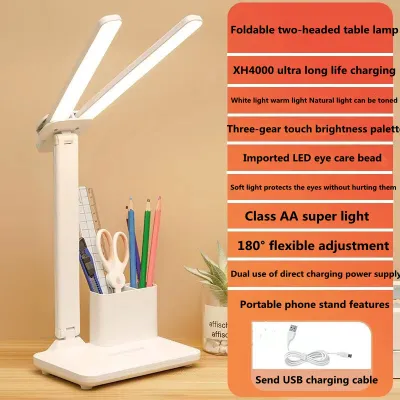
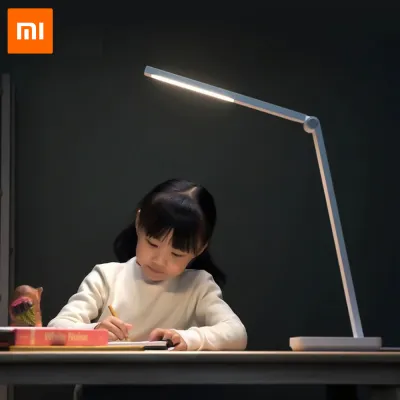
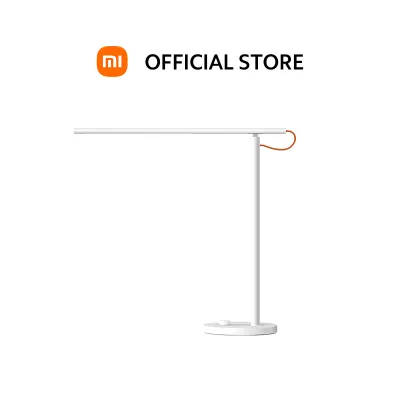
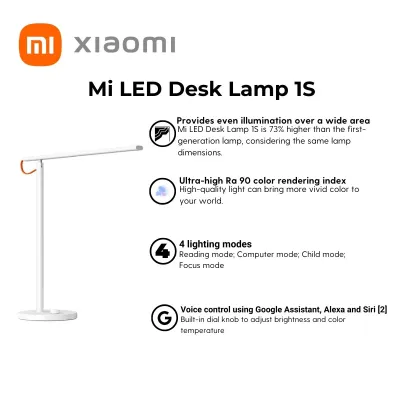
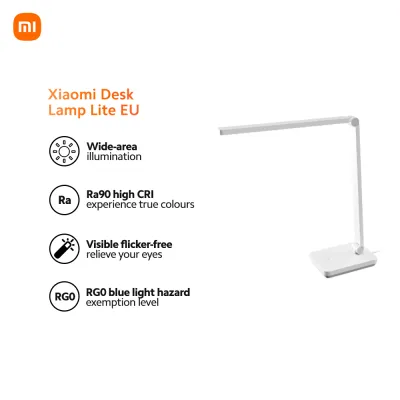
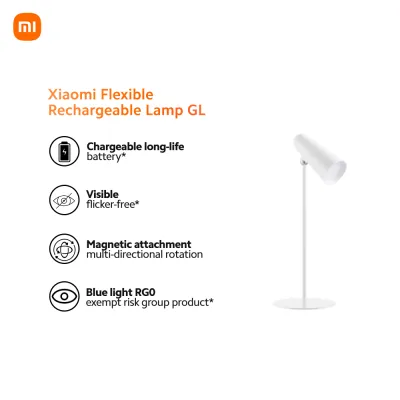
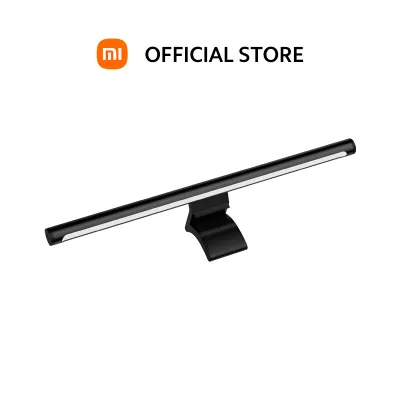
Prices are valid at publication and may change. Please refer to the product page for the latest price.
Most standard desk lamps are designed for productivity, emitting a bright, cool-white light that mimics daylight. While this is excellent for focus during the day, cool light contains a high concentration of blue wavelengths. Exposure to blue light at night signals to the brain that it is still daytime, delaying sleep onset for both you and your sleeping partner. Therefore, a reading light used in a shared space must be fundamentally different from an office lamp.
The key to a successful shared-bedroom setup is maintaining a strict contrast between localized lux and ambient darkness. Localized lux refers to the intensity of light falling directly on your book or e-reader, which should be bright enough to prevent eye strain. Ambient light, on the other hand, must be kept as close to zero as possible on your partner’s side of the bed. Achieving this balance requires specialized optics, precise physical positioning, and highly customizable brightness levels.
Essential Features to Look for in a Xiaomi Table Lamp
Precise Dimming and Warm Color Temperature
When selecting a lamp for late-night reading, the ability to control light intensity is paramount. Look for models that feature stepless dimming, which allows you to adjust the brightness smoothly rather than jumping between harsh, pre-set levels. This gradual adjustment is much less likely to startle a sleeping partner if you need to adjust the light in the middle of the night. Furthermore, ensure the lamp can achieve a very low minimum brightness level—ideally under 10 lumens—so you can read comfortably without illuminating the entire room.

Color temperature control is equally vital for maintaining a restful environment. To minimize blue light exposure and avoid waking your partner, prioritize lamps that can transition to a warm color temperature, typically between 2700K and 3000K. This warm, amber-toned light mimics the gentle glow of a candle, which is far gentler on the eyes and less disruptive to the body’s natural circadian rhythm. When checking product specifications, verify the exact color temperature range to ensure the lamp can reach these lower, warmer Kelvin values.
While warm light around 2700K is generally recommended to support natural melatonin production before sleep, individual visual comfort is highly subjective. Some readers with specific vision requirements may find slightly cooler, neutral light (around 3500K) reduces eye strain, meaning a lamp with a wide, adjustable color temperature range is always the safest choice.
Key Dimming Specifications to Verify:
- Minimum Lumen Output: Look for a low minimum threshold (1% to 5% brightness capability) to ensure the light can be dimmed to a faint whisper.
- Color Temperature Range: Ensure the adjustable range covers 2700K to at least 5000K, giving you the flexibility to transition from daytime study to nighttime reading.
- Flicker-Free Performance: Verify that the lamp uses high-quality direct current (DC) dimming to prevent high-frequency flickering, which can cause subtle eye strain even at low brightness levels.
Directional Light and Anti-Glare Design
To prevent light from spilling onto your partner’s side of the bed, the physical design of the lamp must allow for precise directional control. Lamps with adjustable hinges, rotating heads, or flexible necks are highly advantageous because they let you point the light beam strictly downward onto your reading material. By keeping the light source low and angled away from your partner’s eyes, you can create a localized pool of light that terminates at the edge of your pillow.
Anti-glare features are also essential for protecting your partner from direct exposure to the light source. A well-designed reading lamp should feature a recessed light source or a frosted diffuser that softens the beam. If the LED beads are exposed or flush with the edge of the lamp head, they can create harsh glare when viewed from the side, which will inevitably disturb someone lying next to you.
Optics and Physical Design Checks:
- Beam Angle Control: Look for narrow beam profiles or adjustable heads that let you restrict the light path.
- Diffuser Quality: Opt for lamps with frosted or honeycomb diffusers that distribute light evenly and eliminate harsh hot spots.
- Hinge Stability: Ensure the mechanical joints are sturdy enough to hold their position over time without drooping or slipping.
Smart Controls and Automation
Smart integration adds a layer of convenience that can significantly reduce physical movement and noise in a quiet bedroom. A smart lamp connected to your home network allows you to turn the light off, dim it, or change the color temperature directly from your smartphone. This eliminates the need to reach across your nightstand, fumble for a physical switch, or accidentally bump into bedside items in the dark.
Furthermore, smart automation lets you establish customized routines that align with your sleep schedule. You can program the lamp to slowly dim over a set period, signaling to your body that it is time to sleep, or configure a dedicated “Night Reading” preset that instantly configures the lamp to its lowest, warmest setting. Integrating the lamp with wireless switches or voice assistants allows for hands-free control, ensuring you can settle into sleep without any disruptive physical effort.
Smart Integration Elements:
- Companion App Compatibility: Ensure the lamp connects seamlessly to the official smart home app for remote control.
- Custom Presets: Create and save specific profiles for bedtime reading to avoid manual adjustments every night.
- Wireless Switch Compatibility: Consider pairing the lamp with a physical smart button placed within easy reach on your headboard or mattress frame.
Matching Xiaomi Lamp Designs to Your Bedside Needs
Smart Desk Lamps with Adjustable Arms
Traditional task lamps featuring long, articulated arms are exceptionally effective at containing light spill. Because these lamps are designed to sit on a desk and project light downward, they allow you to position the light source very close to your book. By lowering the lamp head to just a few inches above your pages, you can use an incredibly low brightness setting while still achieving excellent legibility.
However, before choosing a task-style lamp for your bedside, you must verify its physical dimensions and stability. These lamps often have a wider base footprint and a longer arm reach designed for spacious work desks. On a narrow bedside table, a large lamp can feel obtrusive, restrict your movement, or even overhang the edge, making it prone to tipping. Measure your nightstand carefully and check the manufacturer’s base dimensions to ensure a secure, stable fit.
Cylindrical or Ambient Bedside Lamps
Cylindrical ambient lamps are specifically designed for bedroom environments, offering a soft, diffused glow that enhances room aesthetics. These lamps typically emit light in a 360-degree pattern, creating a warm and inviting atmosphere. While they are visually appealing and serve as excellent nightlights, their omnidirectional light distribution means they naturally scatter light in all directions, including toward your partner’s face.
If you prefer the aesthetic of a cylindrical ambient lamp, you must rely heavily on its dimming capabilities to keep it partner-friendly. You will need to operate the lamp at its absolute lowest brightness setting to prevent the 360-degree light spill from becoming disruptive. Additionally, because these lamps often feature compact, enclosed plastic or glass shells, check user feedback to ensure the outer casing does not get uncomfortably warm during extended use at low brightness levels.
Verifying Electrical and Smart Home Compatibility
Before finalizing your purchase, it is essential to verify that the lamp’s electrical specifications are fully compatible with your local home environment. In the Philippines, the standard electrical grid operates at 220V with a frequency of 60Hz. Many imported smart lamps are designed for alternative voltage standards, so you must confirm that the power adapter or built-in ballast is rated for 220V use to prevent electrical damage, overheating, or safety hazards.
Additionally, pay close attention to the plug type and smart home connectivity requirements. Many smart devices require a stable 2.4GHz Wi-Fi frequency to connect to their companion apps, as they may not support 5GHz bands. If your home router uses a combined dual-band network, you may need to temporarily separate the bands during setup to complete the pairing process. Ensure you have the correct plug adapter if the lamp comes with a non-standard plug, and verify whether a dedicated smart home hub is required for advanced automation features.
In the warm, humid climate of the Philippines, proper ventilation around electrical devices is crucial. Ensure your bedside table lamp is placed away from active humidifiers or open windows where rain might splash, and verify that the power adapter is kept in a well-ventilated spot to prevent heat buildup.
Setup and Usage Tips for a Disturbance-Free Environment
Once you have selected the right lamp, its physical placement and daily configuration play a vital role in maintaining a peaceful shared bedroom. Position the lamp slightly behind your shoulder or to the side of your reading position rather than directly in front of you. This placement ensures that the light shines directly onto the pages of your book from an angle, reducing glare on the paper and naturally casting your partner’s side of the bed into shadow.
You can also utilize physical barriers within your bedroom layout to block stray light. Strategically placing a decorative pillow, a raised headboard, or even a small bedside organizer can act as a natural shield, intercepting light spill before it reaches your partner’s eyes. This simple physical adjustment allows you to maintain a comfortable reading light level while keeping your partner’s sleeping zone completely dark.
To streamline your nightly routine, take the time to configure a customized “Reading Mode” in your smart home companion app. Set this profile to activate a warm color temperature (around 2700K) and a low brightness level (between 5% and 10%). By saving this preset, you can activate the perfect bedside reading environment with a single tap on your smartphone or smart switch, avoiding the need to cycle through brighter, more disruptive settings.
Finally, prioritize safety and cable management around your bedside table. Bedside areas are often crowded with chargers, water glasses, and books, creating a risk of accidental spills or trips in the dark. Secure all power cables along the back of your nightstand using adhesive clips or cable ties, ensuring they do not hang loose where they could be caught by a foot or a vacuum cleaner. Keeping the cords tidy prevents the lamp from being pulled off the table, protecting your investment and ensuring a safe sleeping environment.
Frequently Asked Questions (FAQ)
What is the ideal color temperature for reading in bed at night?
The ideal color temperature for nighttime bedside reading is a warm, amber-toned light of approximately 2700K. This temperature minimizes exposure to blue light wavelengths, which are known to suppress melatonin production and disrupt sleep cycles. Warm light provides a cozy, relaxing ambiance that signals to your brain that it is time to wind down, helping both you and your partner transition smoothly into restful sleep.
Can I use a standard Xiaomi desk lamp on a small nightstand?
Yes, you can use a standard task-style desk lamp, but you must carefully measure your nightstand first. Many task lamps have large, heavy bases and long, articulated arms designed for deep office desks. On a compact bedside table, these lamps can take up valuable space, overhang the edges, or become top-heavy when the arm is extended. Check the base diameter and maximum arm reach in the product specifications to ensure a stable, safe fit.
Community discussion
Share your experience or ask a question. Comments are reviewed before publication.