
Choosing the right task lighting can mean the difference between a productive, comfortable study session and an evening spent battling eye strain and headaches. For a dedicated, stationary work-from-home or study setup, a desk lamp is indispensable due to its broad, even illumination. Conversely, for mobile reading, compact shared spaces, or power outages, a portable book light is the better, more flexible tool. Deciding between the two requires looking closely at your physical workspace, your daily routine, and your specific eye comfort needs.
Assess Your Workspace: Signs a Desk Lamp is the Right Fit
Evaluate the permanence of your workspace before making a decision. Dedicated study desks or home office setups in Philippine residences—whether a corner in a Manila condo or a spacious suburban study—benefit from the stability of a traditional desk lamp. If you sit at the same desk every day, a fixed desk lamp provides consistent, reliable lighting that integrates seamlessly into your daily workflow.
If your daily routine involves juggling multiple monitors, large reference books, or drafting physical paperwork, a desk lamp is crucial. Desk lamps offer a broad, even distribution of light that covers a wide surface area. This prevents the high-contrast shadows that occur when a single, narrow beam is focused on only one part of your desk.
Products mentioned in this guide
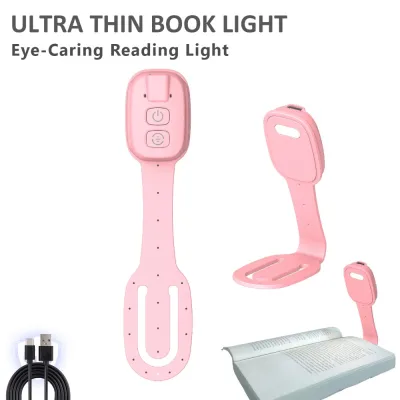
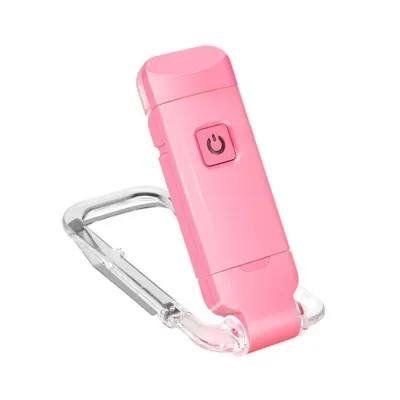
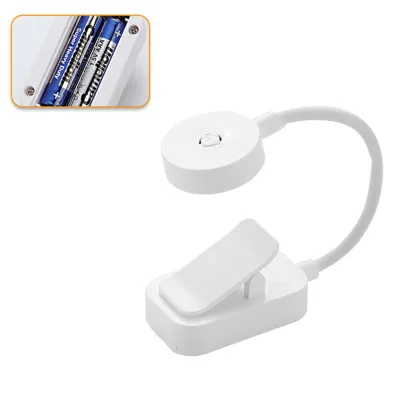
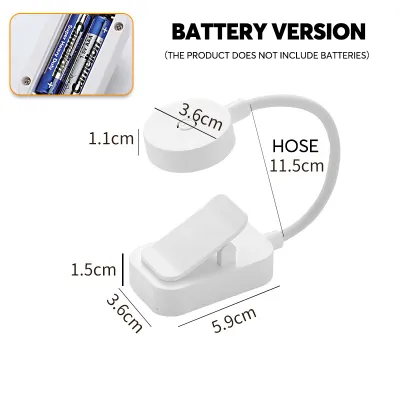
Prices are valid at publication and may change. Please refer to the product page for the latest price.
Pay attention to your body’s signals during long working hours. If you frequently squint, experience dry eyes, or notice harsh shadows cast by overhead room lights, your current ambient setup is insufficient. A high-quality desk lamp with an adjustable arm allows you to direct light precisely where you need it, minimizing glare and reducing the visual fatigue associated with unevenly lit workspaces.
Before purchasing a corded desk lamp, inspect your physical workspace for safety. Verify that your desk is close enough to a wall outlet to avoid stretching cords across walkways, which creates a tripping hazard. In the Philippines, standard household voltage is 220V at 60Hz; always check the product label to ensure the lamp’s electrical specifications match this standard and look for local safety certifications, such as the Philippine Standard (PS) or Import Commodity Clearance (ICC) marks, to ensure safe electrical operation.
When a Portable Book Light Better Serves Your Routine
Not everyone has the luxury of a dedicated, permanent home office. If you study at the dining table, on a shared balcony, or from a bed in a boarding house, a heavy desk lamp with a bulky base is highly impractical. A portable book light takes up zero desk footprint, clipping directly onto your reading material or a nearby shelf, making it the perfect companion for small or flexible living spaces.

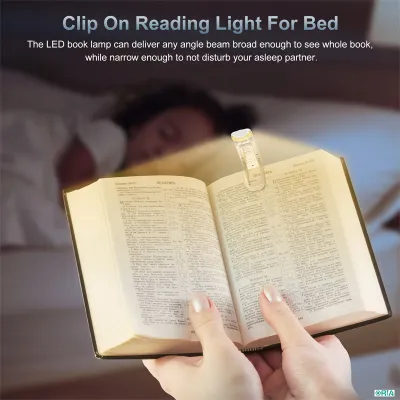
If you share a bedroom or a studio apartment, keeping a bright desk lamp on late at night can disturb others who are trying to sleep. A book light provides highly concentrated, directional illumination that lights up only the pages of your book or the screen of your e-reader. This allows you to study or read comfortably without flooding the entire room with disruptive light.
In areas prone to seasonal weather disruptions and power fluctuations, having a light source that does not rely on a continuous wall connection is a distinct advantage. Rechargeable or battery-operated book lights can run for hours on a single charge, providing a dependable light source during unexpected power outages or when working far from an available electrical outlet.
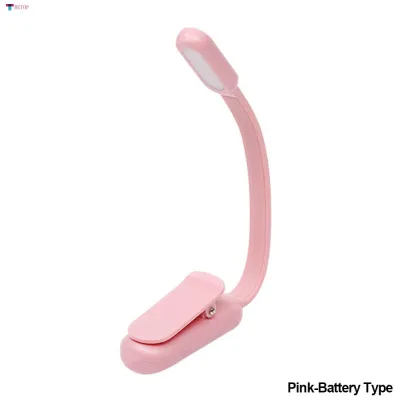
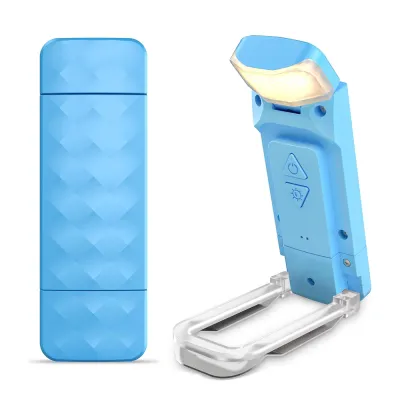
While book lights offer excellent portability, you must verify that the clip mechanism is compatible with your materials. Look for models with padded, wide-gripping clips that won’t crease delicate book pages, scratch e-reader bezels, or slip off thin desk edges. Ensure the neck of the light is highly flexible yet sturdy enough to hold its position without sagging under its own weight.
Core Dimensions to Finalize Your Lighting Decision
To choose the right option, you must weigh the practical differences based on your specific daily tasks and physical constraints.
Light Quality and Adjustability
Achieving visual comfort requires understanding how light quality affects your eyes during different tasks. Look for lighting options that offer adjustable brightness levels and multiple color temperature settings. Warmer tones (around 2700K to 3000K) are ideal for evening reading as they promote relaxation, while cooler, bluish-white tones (around 4000K to 5000K) enhance alertness and focus during daytime study sessions.
The physical spread of light is a primary differentiator between these two devices. Desk lamps typically feature wider beam angles and larger light heads, which distribute light evenly across a broad surface. Book lights, on the other hand, utilize highly concentrated, narrow beams designed specifically to illuminate a small, localized area, which can create high-contrast borders between the lit page and the dark room.
To prevent eye fatigue, do not assume all LED lights perform equally. Prioritize products that explicitly state “flicker-free” operation and feature built-in diffusers. A high-quality diffuser softens the light, reducing harsh glare on glossy textbook pages or digital screens, which is a common cause of headaches during extended reading sessions.
Power, Placement, and Desk Footprint
The physical footprint of your lighting choice directly impacts how you organize your workspace. A traditional desk lamp requires a stable, heavy base or a secure clamp to keep it anchored to your desk surface, which consumes valuable physical space. A book light bypasses this requirement entirely, offering a zero-footprint design that can be clipped and unclipped in seconds.
Power delivery presents a significant trade-off between continuous performance and portability. Corded desk lamps offer unlimited power without the need to monitor battery levels, making them highly reliable for daily, multi-hour use. Portable book lights require ongoing battery maintenance—either through frequent recharging via USB or by replacing disposable batteries—which can be inconvenient if the light dims unexpectedly during a critical study session.
Consider the structural support of your mounting surface when choosing a clip-on light. If you plan to clip a book light to a flexible book cover, a thin shelf, or a fabric headboard, verify the total weight of the device. A heavy clip-on light can cause thin paper pages to sag, pull down lightweight book spines, or tilt awkwardly, disrupting your reading posture and physical comfort.
The Hybrid Approach: Do You Need Both?
Many remote workers and students find that their routines do not fit neatly into a single category. If you spend your daytime hours typing on a laptop at a dedicated desk and your late nights reading physical novels in bed, attempting to use a single lighting device for both activities will likely lead to poor ergonomics. A desk lamp cannot easily accompany you to bed, and a book light is insufficient for illuminating a full-sized desk setup.
Instead of forcing one device to perform every task, consider layering your lighting. You can combine ambient room lighting with a targeted desk lamp for your primary daytime work, and use a small, rechargeable book light strictly as an off-desk supplement for nighttime reading. This layered approach ensures that your eyes have the appropriate amount of contrast and brightness regardless of the activity or the time of day.
Before purchasing any new lighting equipment, conduct a quick audit of your current environment. Turn on your existing room lights and observe how natural light enters through your windows during the day. Sometimes, simply repositioning a floor lamp, adjusting your window blinds to reduce screen glare, or swapping an old bulb in your overhead fixture with a high-quality LED bulb can resolve your lighting issues without the need to buy a new device.
Frequently Asked Questions (FAQ)
Is a book light bright enough for long study sessions?
While modern LED book lights are highly efficient and perfectly adequate for reading a single page of text, they generally lack the broad light spread required for intensive, multi-hour study sessions. Attempting to use a narrow, concentrated beam to study large textbooks, write notes, or reference multiple documents simultaneously can cause severe eye strain. The high contrast between the bright, localized spot of light and the surrounding dark desk forces your pupils to constantly adjust, leading to rapid eye fatigue. For long, demanding academic or professional work, a desk lamp is the safer and more ergonomic choice.
How do I prevent my desk lamp from causing screen glare?
To prevent distracting screen glare in a work-from-home setup, position your desk lamp to the side or slightly behind your computer monitor rather than directly in front of it. Angle the lamp head downward toward your desk surface or keyboard, ensuring the light source is below your eye level to prevent direct glare. If your lamp has an adjustable arm, you can also point the light toward a nearby neutral-colored wall to bounce the light, creating a soft, indirect, and diffused illumination that eliminates harsh reflections on your digital screens.
Community discussion
Share your experience or ask a question. Comments are reviewed before publication.