
Selecting a vintage carbide lamp for garden decor requires balancing historical charm with modern outdoor safety. While original nineteenth-century carbide lamps relied on a chemical reaction to produce light, modern landscape design favors vintage-style replicas or professionally converted electric models. These fixtures preserve the industrial, antique aesthetic of brass canisters and polished reflectors while eliminating the fire hazards and high maintenance of open-flame gas systems. To choose the right lamp for your outdoor space, you must evaluate material durability, authentic design details, electrical safety, and how the fixture’s style complements your garden layout.
Historically, carbide lamps—also known as acetylene lamps—were widely used by miners, cavers, and early motorists. They functioned by dripping water from an upper chamber onto calcium carbide stones in a lower canister, producing flammable acetylene gas that was ignited at a small burner tip. For modern garden decor, genuine antiques are highly prized by collectors but are rarely practical for continuous outdoor illumination. Instead, high-quality vintage-style replicas designed specifically for landscape use offer the classic silhouette of these historical tools while utilizing safe, low-voltage electrical systems or solar-powered LED technology. Understanding these basic structural components helps you select a piece that looks authentic while functioning reliably in an open-air environment.
Key Quality Indicators and Authentic Features
When evaluating a vintage carbide lamp, material selection is the single most important factor for long-term durability. In tropical environments characterized by high humidity and heavy seasonal rainfall, low-grade metals will rapidly corrode and degrade. Look for fixtures constructed from thick-gauge brass or solid copper, which naturally develop a protective, dark patina over time without losing structural integrity. If you prefer the look of steel or iron, ensure the metal has been treated with a high-quality, rust-resistant powder coating or a marine-grade protective finish to prevent rust streaks from staining your garden hardscape.
Products mentioned in this guide
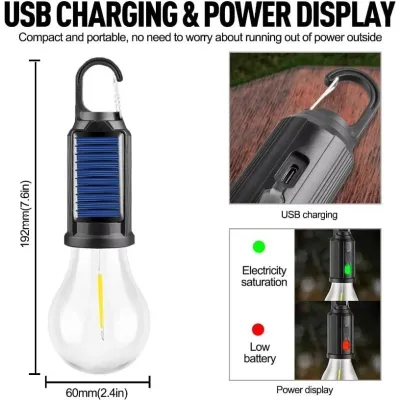
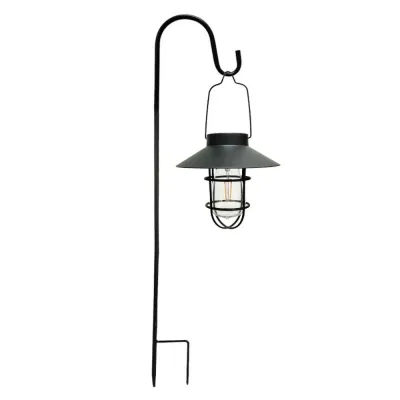
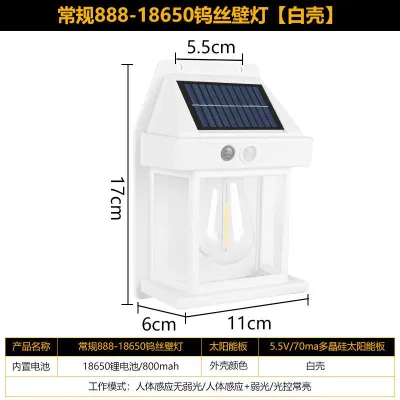
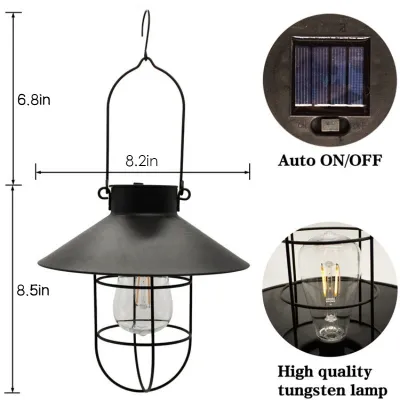
Prices are valid at publication and may change. Please refer to the product page for the latest price.
The reflector is the visual centerpiece of any vintage carbide lamp and deserves close inspection. Historically, these concave discs were made of highly polished brass, chrome, or nickel-plated steel to project a concentrated beam of light forward. For outdoor decorative purposes, the reflector should be securely mounted to the lamp body and free of deep pitting or structural warping. If the lamp design includes a protective glass globe or lens, verify that the glass is thick, clear, and free of bubbles or hairline fractures that could expand under temperature fluctuations.
Even when purchasing an electric conversion where the internal gas mechanisms are non-functional, the craftsmanship of the external joints, hinges, and valves remains a key indicator of quality. High-quality replicas feature functional-looking brass water-drip keys, threaded canister clamps, and robust mounting brackets that mimic the mechanical complexity of original industrial designs. Avoid models with cheaply cast, non-articulating plastic parts painted to look like metal, as these materials degrade quickly under direct sunlight and fail to deliver the authentic weight and texture of a true vintage fixture.
Practical Safety and Installation Considerations
Integrating any electrical fixture into an outdoor garden setting introduces specific safety requirements that must not be overlooked. If you select a wired vintage-style lamp, verify its voltage compatibility with your home’s electrical system and ensure the bulb socket matches standard, easily replaceable outdoor bulbs. Check the product specifications for recognized electrical safety certifications and explicit ratings indicating suitability for wet or damp locations. Never install an indoor-rated vintage reproduction in an exposed garden area, as moisture penetration can lead to short circuits or electrical hazards.

For fixed wiring installations, especially those running through damp garden soil or mounted to permanent stone walls, proper planning is essential. Always isolate the power supply at the main circuit breaker before handling any electrical connections or mounting hardware. Running underground conduit, installing outdoor-rated junction boxes, and ensuring proper grounding require strict adherence to local building codes. If you are working at heights to hang heavy brass fixtures or are unfamiliar with outdoor electrical wiring, consult a qualified professional to complete the installation safely.
Mounting stability is another critical factor, particularly during severe weather or high winds. Vintage-style carbide lamps made of solid brass or copper can be surprisingly heavy, requiring robust structural support. If you are mounting the lamp on a pedestal or post, ensure the base is anchored to a stable concrete footing rather than loose garden soil. For suspended setups, use heavy-duty, weather-resistant chains or brackets rated to support at least twice the total weight of the fixture to prevent accidental falls during tropical storms.
Building Your Shortlist: Matching Styles to Garden Spaces
To create a cohesive outdoor lighting scheme, match the lamp’s design and light distribution to specific zones within your garden. For pathways, borders, and walkways, shorter pedestal-mounted lamps with downward-facing reflectors work exceptionally well. These fixtures direct light precisely onto the ground where it is needed for safe navigation, preventing glare while highlighting the textures of stone paths, low-lying ferns, or ornamental grasses.
For seating areas, patios, and central garden focal points, larger hanging or tabletop models are ideal for creating a warm, ambient glow. These detailed fixtures can be placed on rustic wooden tables, mounted next to entryways, or suspended from sturdy pergola beams to draw the eye and establish a cozy, historic atmosphere. When positioning these lamps, consider how the light interacts with nearby foliage, casting dramatic shadows that add depth to your landscape design at night.
Finally, align the lamp’s finish and scale with the existing aesthetic of your outdoor space. A highly polished brass lamp with intricate valves and a bright reflector fits perfectly in a formal, structured courtyard or a classic garden layout. Conversely, a weathered copper lamp with a deep green patina or a dark, oxidized steel fixture with a minimalist industrial silhouette complements modern tropical landscapes, raw concrete hardscapes, and lush, broad-leafed plantings.
Maintenance and Care for Outdoor Vintage Lamps
Outdoor fixtures face constant exposure to dust, rain, wind, and biological growth, making regular maintenance essential to preserve both their appearance and functionality. To clean the lamp, use a soft, damp microfiber cloth to wipe away dust, pollen, and water spots from the glass lens and reflector. Avoid harsh chemical cleaners, steel wool, or abrasive polishes, as these can strip away the protective lacquer or damage the natural patina that gives the metal its vintage character.
Periodically inspect the physical condition of the lamp, paying close attention to seals, gaskets, and wire entry points. Over time, rubber seals can dry out and crack in hot, humid climates, potentially allowing moisture to enter the electrical compartment. Schedule these inspections at least twice a year, preferably before and after the heavy rainy season, to identify and replace worn components before they cause electrical issues.
Establish clear boundaries for DIY maintenance to ensure your safety. While cleaning the exterior and replacing accessible lightbulbs are safe tasks for homeowners, complex electrical troubleshooting should be left to experts. If you observe flickering lights, exposed wiring, or moisture accumulation inside the electrical housing, immediately turn off the power at the breaker. Consult the manufacturer or a qualified electrician to diagnose and repair the fault rather than attempting to disassemble the electrical components yourself.
Frequently Asked Questions (FAQ)
Can I use a real calcium carbide lamp in my garden?
Using an authentic, functional calcium carbide lamp for regular garden decoration is not recommended due to significant safety and practical concerns. Real carbide lamps generate acetylene gas, which is highly flammable and presents a severe fire hazard in residential outdoor spaces, especially near dry foliage or wooden structures. Additionally, the chemical reaction produces a distinct, unpleasant odor and leaves behind a wet lime residue that requires constant, messy cleanup. For safe, reliable, and low-maintenance garden lighting, electric or LED-converted vintage-style lamps are the industry standard.
How do I know if a vintage lamp is weatherproof?
To determine if a vintage-style lamp is suitable for outdoor use, look for an Ingress Protection (IP) rating on the product packaging, label, or manufacturer’s manual. For general garden exposure, a rating of at least IP44 is recommended, as this indicates protection against splashing water from all directions and solid objects larger than one millimeter. If the product lacks clear documentation regarding its IP rating or outdoor suitability, do not assume it is safe for wet environments; instead, contact the manufacturer directly or consult a qualified electrician before installing it in your garden.
Community discussion
Share your experience or ask a question. Comments are reviewed before publication.