
Decorating your outdoor space with LED fireworks tree lights can instantly elevate your garden, patio, or commercial storefront, turning ordinary trees into brilliant, starburst displays. However, if you live in the Philippines, the arrival of the annual rainy season brings a serious challenge. With torrential downpours, high winds, and persistent humidity, any outdoor electrical fixture faces a harsh environment that can easily lead to short circuits, corrosion, or complete product failure.
Yes, LED fireworks tree lights can absolutely survive the Philippine rainy season, but their survival depends entirely on selecting the correct technical specifications and executing a safe installation. Standard decorative lights designed for mild climates will quickly fail under tropical wet conditions. To ensure your investment lasts through months of heavy rain and high moisture, you must know how to decode waterproof ratings, inspect physical build quality, and implement proper outdoor electrical safety measures.
The Climate Challenge: Rain, Humidity, and Outdoor Lighting
Operating outdoor lighting in the Philippines requires an understanding of how tropical weather patterns interact with electrical components. The country experiences two distinct seasons, with the wet season bringing both sudden, heavy monsoon downpours and prolonged periods of high humidity. These two environmental factors attack outdoor electronics in fundamentally different ways, and your lighting setup must be equipped to handle both.
Products mentioned in this guide
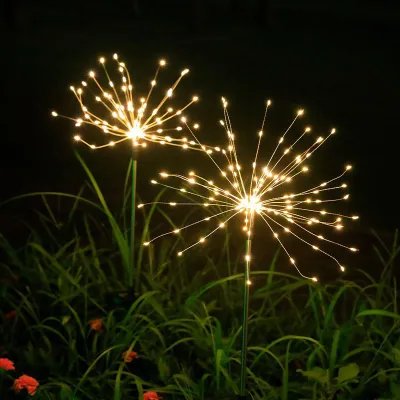
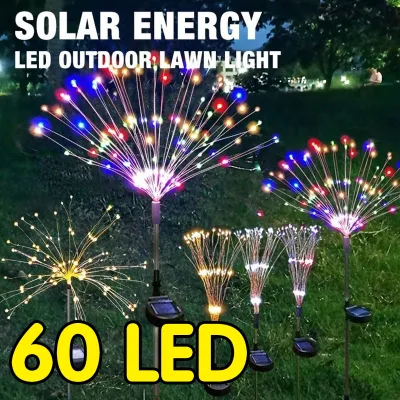
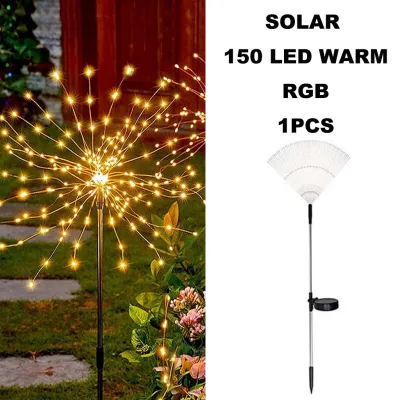
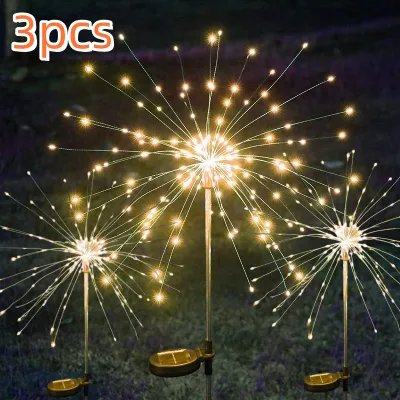
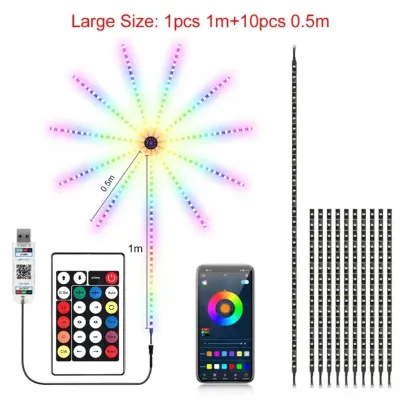
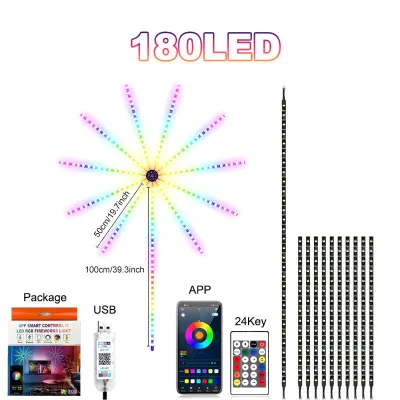
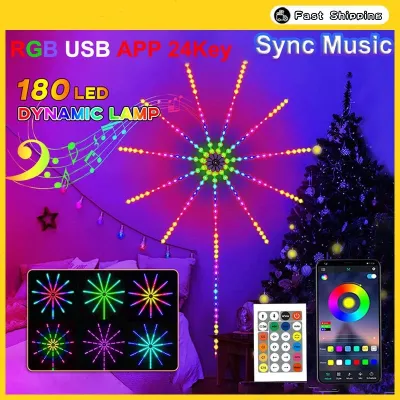
Prices are valid at publication and may change. Please refer to the product page for the latest price.
Direct heavy rainfall, particularly during typhoons or intense afternoon thunderstorms, presents an immediate physical threat. High-velocity water droplets can force their way into weak seals, uninsulated wire joins, and poorly protected bulb sockets. When liquid water penetrates these barriers, it creates an immediate path of low resistance between live electrical components, resulting in short circuits, blown fuses, tripped residual current devices (RCDs), or permanent burnout of the LED driver.
Persistent high humidity poses a slower, more insidious threat that continues long after the rain stops. Even if a light fixture successfully blocks liquid water, moisture vapor in the air can gradually penetrate microscopic gaps in plastic housings and wire insulation. Over time, this trapped moisture leads to internal condensation, which slowly corrodes the delicate LED chips, solder joints, and copper wiring. This corrosion increases electrical resistance, dims the light output, and eventually causes individual branches of your fireworks display to fail prematurely.
Surviving the rainy season therefore requires a two-pronged strategy. You must choose lights that offer robust physical resistance to high-pressure water ingress while also selecting components sealed against moisture vapor. Balancing these needs ensures your decorative display remains bright and safe throughout the wettest months of the year.
Decoding Waterproof Ratings for Tropical Weather
When shopping for LED fireworks tree lights, you will frequently encounter the term “waterproof.” However, this is a broad marketing term rather than a certified technical standard. To determine if a product can truly withstand a tropical wet season, you must look for its official Ingress Protection (IP) rating, which is typically printed on the product packaging, user manual, or transformer label.

IP44 vs. IP65 vs. IP67
The IP rating system consists of two digits. The first digit (0 to 6) measures protection against solid objects like dust, while the second digit (0 to 9) measures protection against liquids. For outdoor holiday and landscape lighting, the liquid digit is the most critical factor to analyze before purchase.
An IP44 rating means the light fixture is protected against solid objects larger than 1 millimeter and splashes of water from any direction. While IP44 lights are technically rated for outdoor use, they are only suitable for semi-sheltered areas, such as under a covered patio or carport. They will likely fail when subjected to driving tropical rain, strong winds that force water upward, or temporary pooling on the ground.
An IP65 rating is the practical minimum standard for fully exposed outdoor tree lights in the Philippines. An IP65-rated product is completely dust-tight and can withstand low-pressure water jets from any angle. This level of protection ensures that even during a severe monsoon downpour, water cannot penetrate the light casing or wire connections.
An IP67 rating offers protection against temporary immersion in water, typically up to 1 meter of depth for 30 minutes. While IP67 provides superior protection, it is generally unnecessary for elevated tree lights unless you are installing them in low-lying garden zones prone to immediate flooding or deep puddles. For most tree-mounted fireworks lights, IP65 offers the ideal balance of performance and cost-effectiveness, with prices typically ranging from ₱1,200 to ₱3,000 depending on the size and density of the display.
The Hidden Threat: Internal Condensation
Standard liquid IP ratings are tested using liquid water, meaning they do not fully guarantee protection against high-humidity air. In tropical climates, daytime temperatures can be very high, causing the air inside a light fixture to expand. As the temperature drops rapidly during a nighttime downpour, the air inside contracts, creating a vacuum that can draw highly humid outdoor air through microscopic gaps in the seals.
Once inside the cooler housing, this moisture condenses into liquid water droplets. Over several weeks, this internal condensation will degrade the copper circuitry and ruin the LED controller. To prevent this, look for LED fireworks lights that feature fully potted or resin-filled controllers. Potting involves filling the entire electronic housing with a solid, non-conductive resin or silicone compound, completely eliminating any air pockets where moisture could collect.
Additionally, inspect the end caps of the light strings. High-quality manufacturers use heavy-duty, heat-shrink tubing or glued silicone caps to seal the terminal ends of the wires. Avoid cheap models that use simple press-fit plastic caps, as these easily loosen under thermal expansion and contract, allowing humid air and rainwater to seep directly into the copper core.
What to Inspect Before Purchasing
Evaluating the build quality of LED fireworks tree lights requires looking closely at the physical materials and construction of the product. Because these lights feature a unique starburst shape with multiple projecting wire branches, they have more physical joints and exposure points than standard linear string lights.
- Wire Material: Budget-friendly fireworks lights starting around ₱300 to ₱500 often use thin PVC (polyvinyl chloride) cables. Under the intense Philippine sun and high UV exposure, PVC can quickly become brittle, sticky, or cracked. Once the outer jacket cracks, rainwater will easily penetrate the wire. Instead, opt for thicker rubber (such as neoprene) or silicone-coated cables. These materials maintain their flexibility, resist UV degradation, and provide a much thicker barrier against water ingress.
- Connector Seals: Inspect the connections where individual light strings join together or connect to the power source. Safe outdoor lights use threaded, screw-tight connectors equipped with a soft rubber gasket or O-ring inside. When tightened, the gasket compresses to form a watertight seal. Avoid simple push-fit plugs, which can easily slide apart under the weight of wet branches or get waterlogged during heavy winds.
- Power Supply Limitations: A common trap for buyers is purchasing a light set labeled as IP65, only to find that the included plug-in transformer or adapter is rated only IP20 (indoor use only). Always check the rating of the power supply. If the adapter is not rated for outdoor use, you must plan to house it inside a weatherproof enclosure or run the low-voltage cable back into an indoor outlet. Additionally, verify that the adapter is rated for the standard Philippine voltage of 220V at 60Hz, and look for official safety certifications such as the Philippine Standard (PS) mark or Import Commodity Clearance (ICC) sticker.
Safe Installation in Wet and Humid Conditions
Installing electrical fixtures outdoors during the wet season requires strict adherence to safety protocols to prevent shock hazards, short circuits, and physical damage to your property. Before beginning any installation, always read the manufacturer instructions for both the lights and any mounting hardware you plan to use.
First, always practice strict power isolation. Never attempt to install, hang, adjust, or connect outdoor lights while the power supply is turned on. Ensure the circuit breaker feeding your outdoor outlets is switched off before handling the wiring. If your installation involves fixed wiring, integration into your home’s main electrical panel, working at significant heights, or managing heavy suspended loads, do not attempt a DIY installation. Instead, hire a licensed electrician or qualified professional to ensure compliance with the Philippine Electrical Code (PEC).
When hanging LED fireworks lights in trees, keep all plug connections, controller boxes, and end caps elevated off the ground. Secure them tightly to sturdy branches or posts using UV-resistant nylon cable ties or insulated mounting clips. Never allow connections to rest on the ground, in grass, or in low-lying garden beds where water can pool during sudden downpours.
Always incorporate a “drip loop” into your wiring layout. A drip loop is a simple loop in the power cord located just before the wire enters an outdoor outlet or connector box. By ensuring the bottom of the loop hangs lower than the electrical inlet, gravity forces rainwater flowing down the cable to drip off the bottom of the curve rather than running directly into the electrical socket.
Finally, ensure that any outdoor outlet used to power your lights is protected by a Ground Fault Circuit Interrupter (GFCI) and housed inside an “in-use” weatherproof cover. An in-use cover (often called a wet-location cover) features a deep plastic dome that keeps the outlet completely shielded from rain even while a power cord is plugged in.
Maintenance and Off-Season Storage
Proper maintenance during the wet season and correct storage during the dry months will significantly extend the lifespan of your LED fireworks tree lights, protecting your investment for years to come.
Perform routine physical checks after major storms or typhoons. Once the weather clears and the power is safely disconnected, inspect the light strings for any physical damage. Look for broken branches, cracked wire insulation, exposed copper, or loose connector caps. If you find any exposed wiring or damaged insulation, do not attempt to patch it with standard electrical tape for continued outdoor use; replace the damaged section or the entire unit to prevent electrical hazards.
When cleaning accumulated dirt, mud, or algae off the lights, use a soft, dry, or slightly damp microfiber cloth. Never use harsh chemical solvents, abrasive scrubbing pads, or high-pressure washers, as these can degrade the protective silicone coatings, damage the delicate LED lenses, and compromise the watertight seals.
At the end of the festive season, do not simply rip the lights down from the trees, as this can stretch the internal copper wires and break the solder joints inside the fireworks spokes. Carefully untie each fixture and bring them indoors. Before packing them away, lay the lights out in a shaded, dry, and well-ventilated indoor area to dry completely. Storing even slightly damp lights inside airtight plastic bins creates a humid microclimate that fosters mold growth, corrodes copper connections, and ruins the electronics before the next holiday season.
Frequently Asked Questions (FAQ)
Can I leave fireworks tree lights outside during a typhoon?
No, you should not leave LED fireworks tree lights plugged in or hanging outside during a typhoon. While an IP65 or IP67 rating protects against water ingress, typhoons bring extreme winds that can snap tree branches, throw heavy debris, and cause severe physical damage to the light strings and wiring. Exposed copper wires from wind-damaged lights pose a severe shock and fire hazard when combined with flooding. Always unplug your outdoor lights and store them safely indoors before a typhoon makes landfall.
Are solar-powered LED fireworks lights safer in the rain?
Solar-powered LED fireworks lights are generally safer in terms of high-voltage electrical shock because they operate on low-voltage direct current (DC) batteries rather than 220V mains electricity. However, the solar panel unit, battery compartment, and physical connections still require an IP65 rating to survive heavy rain. Additionally, you should note that solar lights may struggle to perform during the Philippine rainy season, as prolonged overcast skies and heavy cloud cover will prevent the solar panels from receiving enough sunlight to fully charge the batteries, resulting in very dim or short-lived displays.
Community discussion
Share your experience or ask a question. Comments are reviewed before publication.