
Using solar Christmas lights to create a cozy, warm ambiance in your condo bedroom or living room is an appealing, eco-friendly idea. However, whether these lights can perform reliably indoors depends almost entirely on your unit’s access to direct sunlight. While they are highly convenient for outdoor gardens, bringing them inside introduces unique charging, safety, and performance challenges that you must evaluate before making a purchase.
To make an informed decision, you need to understand how solar panels interact with indoor environments, what kind of light output to expect, and how to safely install these systems within a confined space. This guide provides a practical framework to help you diagnose your condo’s suitability for solar-powered lighting and determine when a plug-in alternative might be a better choice.
Assessing Your Condo's Sunlight for Reliable Charging
Solar panels require direct, unfiltered ultraviolet (UV) light to trigger the photovoltaic process that charges the internal battery. Standard indoor residential lighting, whether from LED bulbs, fluorescent tubes, or halogen downlights, does not emit the spectral intensity required to generate an electrical charge. Even placing a solar panel near a window inside your room is often insufficient if the glass is tinted or treated with Low-E coatings, which are specifically designed to block UV and infrared rays to keep your condo cool.
Products mentioned in this guide
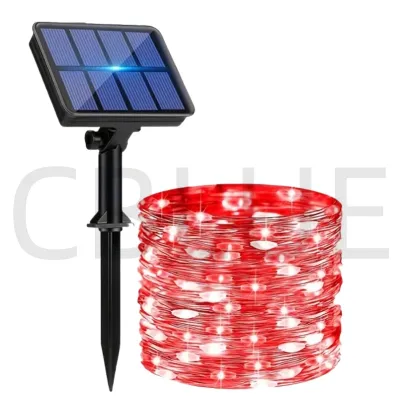
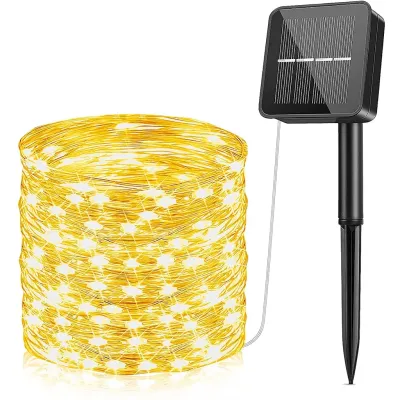
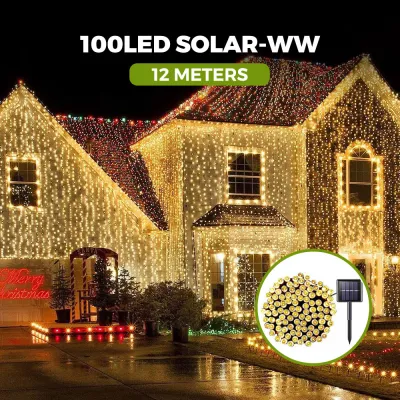
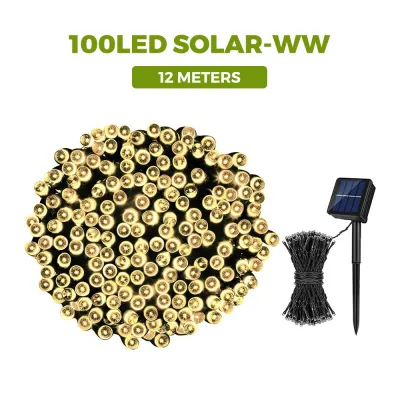
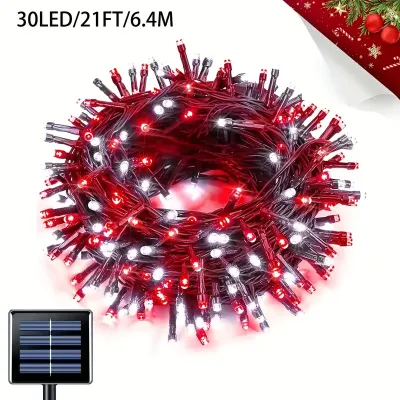
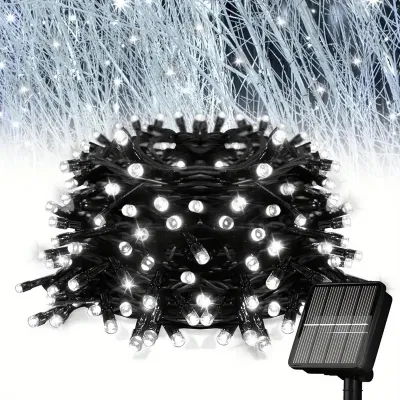
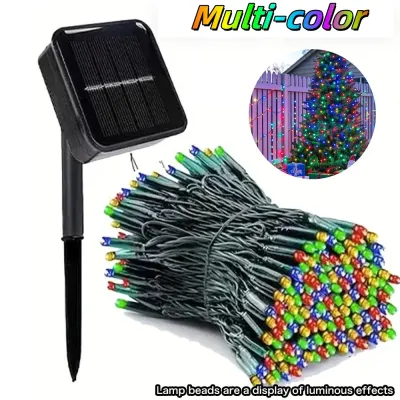
Prices are valid at publication and may change. Please refer to the product page for the latest price.
Your condo’s physical orientation plays a decisive role in determining solar feasibility. Units with east-facing windows receive direct morning light, while west-facing units experience intense afternoon sun, both of which can provide viable charging windows if the panel is placed directly against the glass. Conversely, north- and south-facing windows receive much less direct sunlight throughout the year. Additionally, in dense urban developments across Metro Manila or Cebu, neighboring high-rise towers often cast long shadows, severely limiting the hours of direct sunlight your windows receive.
Seasonal weather patterns in the Philippines introduce further charging inconsistency. During the rainy season, characterized by the southwest monsoon (habagat) and frequent tropical depressions, skies remain overcast for days. Under heavy cloud cover, a solar panel’s energy output drops significantly, meaning your lights may not receive enough energy to charge, regardless of where they are positioned.
When a solar panel is chronically undercharged, you will notice distinct operational issues. The most common signal is the lights failing to turn on automatically at dusk, as the system’s ambient light sensor requires a clear transition from high voltage (daylight) to low voltage (darkness) to trigger. Alternatively, the lights may turn on but dim rapidly, losing their brightness or shutting off entirely within thirty to sixty minutes of operation.
Evaluating Brightness and Runtime for Room Ambiance
Before purchasing solar Christmas lights, it is essential to set realistic expectations regarding their brightness. Solar-powered fairy string lights are engineered for low power consumption to preserve battery life, which means they typically produce a low lumen output—often between 2 to 10 lumens per bulb. This makes them excellent for subtle accent lighting or creating a soft, relaxing background glow, but they cannot replace standard plug-in table lamps or overhead fixtures for tasks like reading or working.

Choosing between warm white and multicolor options is a matter of personal preference and the specific mood you want to create. Warm white lights (typically ranging from 2700K to 3000K) evoke a calm, serene atmosphere that is highly suited for bedrooms, as this color temperature does not interfere with sleep patterns. Multicolor or RGB strings offer a more vibrant, festive energy that can make a living room feel dynamic, though they can sometimes feel visually distracting in smaller, enclosed spaces.
To ensure your lights stay illuminated throughout the evening, you must verify the technical specifications on the product label. Look specifically for the battery capacity, measured in milliamp-hours (mAh), and the solar panel’s rated wattage. A standard budget-friendly solar light set often features a single AA-sized rechargeable Nickel-Metal Hydride (NiMH) battery with a capacity of 600mAh to 1200mAh. Premium models may utilize Lithium-ion (Li-ion) or Lithium Iron Phosphate (LiFePO4) batteries, which offer higher energy density, faster charging cycles, and longer overall lifespans.
As a general rule, a higher mAh rating allows the battery to store more energy, but it also requires a proportionally larger solar panel to charge fully. If you pair a high-capacity 2000mAh battery with a tiny, low-wattage solar panel, the battery may never reach a full charge in a typical indoor condo setting. Always look for a balanced system where the manufacturer specifies a clear ratio of charging hours to operating hours under standard sunlight conditions.
Safety and Installation Checks for Indoor Condo Use
While solar Christmas lights operate on low-voltage direct current (typically 1.2V to 3.7V), safety remains a critical consideration when bringing outdoor-rated electronics inside. The battery box contains rechargeable cells that generate mild heat during both the charging and discharging cycles. In the humid tropical climate of the Philippines, proper heat dissipation is vital. You must place the battery box in a well-ventilated area and avoid tucking it under heavy curtains, bedsheets, mattress corners, or throw pillows, as trapped heat can accelerate battery degradation or pose a minor fire hazard.
Condo living often comes with strict rules against drilling holes or damaging wall finishes, especially if you are renting. To mount your lights safely without risking your security deposit, utilize damage-free hanging solutions. Adhesive-backed utility hooks, transparent cable clips, or lightweight tension rods fitted inside window frames are highly effective for securing wires. Avoid using metal staples, nails, or tacks, which can easily pierce the thin plastic insulation of the copper wiring and cause a short circuit.
Regular physical inspections are necessary to maintain a safe indoor lighting setup. Periodically inspect the battery compartment for signs of chemical leakage, white powdery corrosion on the metal terminals, or physical swelling of the battery casing. Additionally, run your fingers along the wire length to check for fraying, exposed copper, or damage caused by household pets. If you observe any of these warning signs, discontinue use immediately and replace the affected components.
Finally, verify the product’s environmental ratings and certifications. Do not assume that an “outdoor” label automatically makes a product safe or practical for indoor use. Outdoor models often feature bulky, heavily waterproofed battery boxes (rated IP44 or IP65) that lack appropriate indoor safety markings. Ensure the product has verified electrical certifications, such as the Philippine Standard (PS) mark, the Import Commodity Clearance (ICC) sticker, or equivalent international safety standards like CE and RoHS, to guarantee the internal circuitry is stable and safe for continuous indoor operation.
When to Adjust Your Setup or Switch to Plug-in Alternatives
If you find that your solar Christmas lights are underperforming due to limited sunlight, you do not necessarily have to abandon the setup immediately. Many modern solar string lights feature a long lead wire—often 2 to 5 meters—between the solar panel and the first LED bulb. This design allows you to place the actual lights deep inside your bedroom or living room while routing the thin wire through a window gap or balcony door to mount the solar panel outside. You can secure the panel to a balcony railing or suction-cup it directly to the exterior side of a window pane to maximize sunlight exposure.
However, there is a clear threshold where solar power becomes impractical for daily indoor use. If your condo lacks a balcony, has heavily tinted double-glazed windows, or is completely shaded by adjacent high-rises, your solar panel will not receive the minimum three to four hours of direct sunlight required to function. In these scenarios, forcing a solar setup will lead to frustration, deep battery discharge, and premature product failure.
For consistent, year-round ambient lighting that does not depend on the weather, switching to low-voltage plug-in or USB-powered LED fairy lights is the most practical solution. USB-powered lights can be connected to a standard 5V phone charger, a multi-port USB hub, or even a portable power bank, giving you complete flexibility in placement without relying on sunlight. These alternatives offer constant, adjustable brightness levels and often include convenient features like remote controls, dimmers, and built-in timers.
To help you decide on the best course of action for your space, review this quick decision matrix based on your condo’s layout and lighting needs:
| Your Condo's Situation | Recommended Action | Key Benefit | Alternative Option |
|---|---|---|---|
| Balcony available with 4+ hours of direct sun | Place panel on balcony railing; run lead wire indoors. | Maximizes charging efficiency; reliable nightly runtime. | Keep solar setup. |
| No balcony; single-pane window with partial sun | Suction-cup panel to exterior window glass. | Captures direct rays before window tint filters them. | Monitor performance; adjust angle seasonally. |
| Deeply shaded unit or heavily tinted Low-E glass | Switch to USB-powered or plug-in fairy lights. | Eliminates reliance on sunlight; guarantees constant brightness. | USB string lights plugged into a power bank. |
| High-humidity room (e.g., near kitchen or bathroom) | Ensure battery box is IP44 rated; keep in dry, ventilated spot. | Prevents moisture buildup and terminal corrosion. | Low-voltage plug-in lights with indoor safety certification. |
Frequently Asked Questions (FAQ)
Can I charge the solar panel indoors using artificial room lights?
No, standard indoor artificial lights do not emit the correct light spectrum or high intensity required to charge solar panels effectively. Standard household LED or fluorescent bulbs lack the concentrated ultraviolet (UV) light that triggers the photovoltaic process. Attempting to charge a solar panel under room lights will result in a severely depleted battery, causing the lights to either fail to turn on or run for only a few minutes.
How many hours of direct sunlight do solar Christmas lights need?
Most solar Christmas lights require a baseline of four to six hours of direct, unobstructed sunlight to achieve a full charge. This estimate assumes the panel is placed outdoors or directly against clear, untinted window glass. Because panel efficiency, battery capacity, and local weather patterns vary, you should always check your specific product’s manual to verify the recommended charging time for optimal performance.
Is it safe to leave solar fairy lights on overnight in the bedroom?
Yes, low-voltage LED fairy lights are generally safe for overnight use because they generate very little heat compared to traditional incandescent bulbs. However, you must ensure the battery control box is placed in a well-ventilated area, away from flammable materials like bedding, mattresses, or curtains. If your light set does not feature an automatic timer or shut-off function, it is best practice to turn them off manually before sleeping to preserve battery life and prevent unnecessary wear on the cells.
Community discussion
Share your experience or ask a question. Comments are reviewed before publication.