
Solar jellyfish lights can survive the Philippine rainy season, but their durability depends entirely on their waterproof rating, construction quality, and proper placement. The combination of heavy monsoon downpours, high humidity, and tropical heat poses unique challenges to outdoor decorative lighting. Understanding how to evaluate, install, and care for these lights ensures they remain a safe and vibrant addition to your landscape throughout the wettest months of the year.
In the Philippines, the wet season brings more than just standard rainfall; it introduces prolonged periods of high relative humidity, sudden tropical storms, and localized flooding. These conditions can easily compromise low-quality outdoor lighting. By taking a systematic approach to selecting and maintaining your lights, you can protect your investment and keep your garden illuminated safely.
Understanding IP Ratings and Tropical Rain Challenges
To determine if your solar jellyfish lights can withstand the heavy rains of the monsoon season, you must first look at their Ingress Protection (IP) rating. This standard classification system indicates how effectively an electrical enclosure seals against solids and liquids. For outdoor decorative lighting in a tropical climate, relying on vague marketing terms like “water-resistant” or “weatherproof” is highly risky.
Products mentioned in this guide
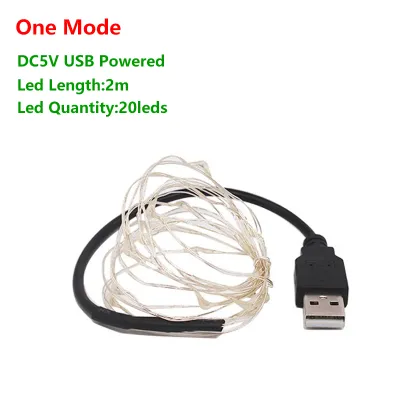
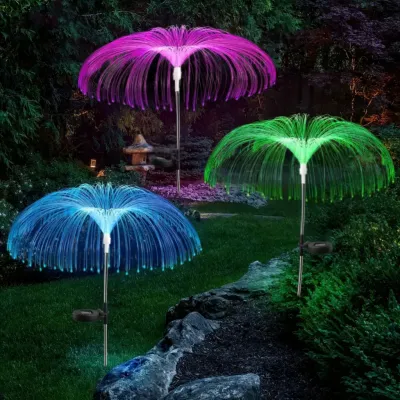
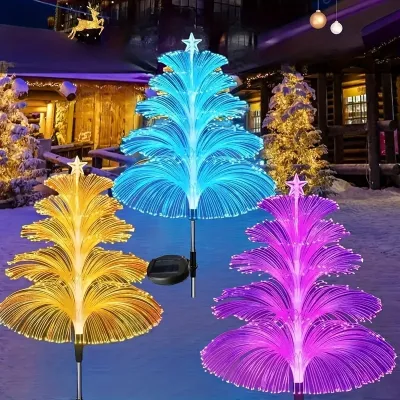
Prices are valid at publication and may change. Please refer to the product page for the latest price.
An IP rating consists of two digits. The first digit (ranging from 0 to 6) measures protection against solid objects like dust and dirt, while the second digit (ranging from 0 to 9) measures protection against moisture. For outdoor garden lights exposed to heavy tropical downpours, you should look for a minimum rating of IP65. An IP65 rating means the light is completely dust-tight and can withstand water projected by a nozzle from any direction.
While IP65 is generally sufficient for standard rain, the extreme weather patterns in the Philippines often push these limits. During severe tropical depressions, rainfall can be torrential and accompanied by strong winds, mimicking high-pressure water jets. If your garden is prone to temporary pooling or if you plan to place the lights in low-lying soil, an IP67 rating is far more reliable. An IP67-rated device can survive temporary immersion in water up to one meter deep for 30 minutes, offering superior protection against flash floods.
Beyond direct rainfall, high relative humidity is a silent threat to outdoor electronics. In tropical environments, humidity levels frequently hover above 80 percent during the rainy season. This moisture-laden air can slowly penetrate microscopic gaps in low-quality seals over time. Once inside, the moisture condenses as temperatures drop at night, leading to internal corrosion of the circuit board, battery terminals, and LED connections.
To verify the IP rating of your solar jellyfish lights, carefully inspect the product packaging, the user manual, or the manufacturer’s official specification sheet. Legitimate manufacturers will clearly print the exact IP rating on the product label, often located on the underside of the solar panel housing. If a product lacks a clear IP rating and only features generic marketing claims, it is best to assume it is not suited for prolonged exposure to heavy tropical rain.
Inspecting Key Waterproof Structures Before Installation
Before pushing the stakes of your solar jellyfish lights into the garden soil, conducting a thorough physical inspection can save you from premature product failure. Even highly rated lights can suffer from manufacturing defects or loose fittings that compromise their water resistance. Taking a few minutes to examine the physical structures of the lights allows you to identify and address potential water entry points.

Begin your inspection with the solar panel housing, which typically contains the main control circuit and the light sensor. Turn the housing over and examine the seams where the plastic pieces meet. Look for a tight, uniform fit without any visible gaps. Pay close attention to the wire entry points where the electrical cables exit the housing to connect to the jellyfish tentacles. These entry points should be sealed with tight-fitting rubber grommets or intact silicone gaskets to prevent water from wicking along the wires into the electronics.
Next, locate and examine the battery compartment. Most solar garden lights feature a removable cover on the underside of the solar unit to allow for battery replacement. Unscrew or unlatch this cover and inspect the perimeter for a rubber O-ring or silicone seal. This gasket must be completely intact, flexible, and free of cracks or dirt. If the gasket is misaligned or missing, rainwater running down the stake will easily seep into the compartment, causing the battery to rust and fail.
Finally, inspect the connection joints where the jellyfish tentacles meet the main cable or support stake. The tentacles of these lights are typically made of optical fibers or thin plastic strands that channel light from an internal LED source. The base where these fibers are bundled must be securely sealed with heavy-duty heat-shrink tubing or a waterproof silicone sleeve. Any loose connections here can allow water to pool inside the fiber optic mount, which can dim the light output or cause electrical shorts.
Rainy Season Installation and Maintenance Practices
Proper installation and regular maintenance are crucial to helping your solar jellyfish lights survive the challenging wet months. Even the most durable waterproof lights can fail if they are positioned in areas that subject them to unnecessary water stress. By adopting smart placement and care routines, you can significantly extend the lifespan of your outdoor decorations.
When choosing installation spots in your yard or garden, avoid low-lying areas where water naturally pools during heavy downpours. Placing the stakes in waterlogged soil can submerge the lower connections and saturate the ground around the battery compartment. Additionally, keep the lights away from roof drip lines, gutters, and downspouts. The concentrated, high-velocity stream of water falling from a roof can easily exceed the pressure limits of an IP65 seal, forcing water inside the housing. Instead, position them in well-drained garden beds or elevated planters.
Maintaining the cleanliness of the solar panel is also essential during the rainy season. While rain can wash away loose dust, it also splatters mud, wet leaves, and organic debris onto the flat surface of the panel. This buildup blocks sunlight, drastically reducing the panel’s ability to charge the internal battery during the limited daylight hours. Clean the solar panel regularly using a soft, damp microfiber cloth. Avoid using abrasive scrubbing pads, harsh chemical detergents, or high-pressure garden hoses, as these can scratch the protective plastic cover or degrade the waterproof seals around the panel edges.
It is equally important to recognize when the weather conditions exceed the limits of your lights. If a severe tropical storm or typhoon warning is issued, the safest course of action is to temporarily remove the lights from your garden and store them indoors. Define clear stop conditions for continued outdoor use: if you observe visible condensation inside the solar panel lens, water pooling in the battery box, or cracked and frayed wiring, immediately turn off the power switch and bring the units inside for inspection and drying.
Buyer’s Checklist for Outdoor Solar Jellyfish Lights
When shopping for solar jellyfish lights, navigating the wide array of options on online marketplaces and in local home improvement stores requires a systematic approach. To ensure you select a durable product that can withstand the demanding Philippine climate, use this concrete evaluation framework before making a purchase.
First, verify the electrical specifications and certifications. Check the operating voltage, battery capacity, and whether the product carries recognized safety certifications. If the solar unit features an optional USB charging port or an AC plug-in adapter for indoor use, ensure these interfaces are properly sealed with tight rubber caps when used outdoors. For any installations that involve connecting the lights to fixed outdoor wiring or mains power, always isolate the power supply at the circuit breaker before handling, follow the manufacturer’s installation instructions precisely, or consult a qualified professional to ensure safety in damp environments.
Second, evaluate the materials used in the construction of the jellyfish tentacles. The delicate, fiber-optic strands must be made of high-quality, UV-resistant PMMA (polymethyl methacrylate) or similar durable plastics. In the Philippines, outdoor materials are subjected to intense, scorching sunlight before the heavy rains arrive. Low-grade plastics will quickly become brittle, yellow, and crack under UV exposure, allowing water to penetrate the fiber bundles during the next downpour.
Third, check the battery specifications to manage performance expectations. Look for lights equipped with high-capacity rechargeable batteries, typically measured in milliampere-hours (mAh). A larger battery capacity allows the light to store more energy during sunny days, providing a buffer to keep the lights illuminated during consecutive overcast or rainy days. Avoid products that do not specify the battery type or capacity on their labels.
Finally, review the manufacturer’s warranty terms and customer support policies. A reliable manufacturer should offer a clear warranty period that explicitly covers outdoor use and water damage under normal weather conditions. Be sure to check the specific steps required to file a claim, as this indicates the brand’s confidence in their product’s waterproof integrity. Keep in mind that decorative styles, color-changing modes, and spatial lighting effects are highly subjective preferences; prioritize robust waterproof construction and electrical safety over aesthetic features when selecting your lights.
Frequently Asked Questions (FAQ)
How long do solar jellyfish lights stay lit during consecutive rainy days?
The runtime of solar jellyfish lights during consecutive rainy days depends heavily on the battery capacity (mAh) and the efficiency of the built-in LEDs. Because solar panels require direct sunlight to charge efficiently, thick cloud cover and heavy rain will drastically reduce the energy collected. If a fully charged battery normally provides 8 to 10 hours of illumination, a dark, rainy day may only generate enough power for 1 to 3 hours of dim light. To manage expectations, check the manufacturer’s specifications for the rated working time and battery capacity, keeping in mind that actual performance will drop significantly without direct sun exposure.
What should I do if I see condensation inside the solar panel or battery box?
If you notice visible condensation or water droplets inside the solar panel lens or the battery compartment, you must act quickly to prevent permanent electrical damage. Immediately turn off the power switch and move the light to a dry, shaded, and well-ventilated indoor area. Do not attempt to pry open permanently sealed solar units, as this will void the manufacturer’s warranty and destroy the remaining seals. If the battery compartment is designed to be opened, carefully remove the rechargeable battery, wipe away any moisture with a dry, lint-free cloth, and allow all components to air-dry completely for at least 24 to 48 hours. Inspect the rubber gaskets for cracks or misalignment before reassembling the unit.
Community discussion
Share your experience or ask a question. Comments are reviewed before publication.