
The better method for extinguishing your candles depends on the specific candle type—such as a jar, pillar, or taper—and your primary goal, whether that is minimizing lingering smoke or avoiding messy wax displacement. A candle snuffer works by cutting off the oxygen supply to extinguish the flame gently, whereas blowing out a candle uses a forceful air current that disperses air and hot liquid wax. To decide which method fits your routine, you can compare several observable factors, including wax splatter, smoke production, and the long-term condition of the wick.
How Extinguishing Methods Affect Candle Quality
Combustion relies on a continuous cycle of fuel and oxygen feeding the flame. The wick draws up liquid wax through capillary action, vaporizing it to keep the flame burning steadily. When you interrupt the oxygen supply gradually, this combustion process ceases naturally without disrupting the physical state of the wick or the liquid wax pool.
Forcefully blowing on a flame introduces sudden, turbulent air currents that can push the hot, liquid wax pool outward. This sudden force disrupts the capillary flow, often causing the wick to bend or fray. Conversely, placing a snuffer bell over the flame starves it of oxygen, allowing the wax pool to remain undisturbed as the flame dies down.
Products mentioned in this guide
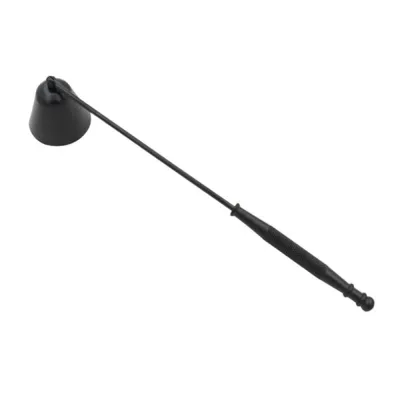
10 Lazada user ratings
Thank you very much, nice item and very usefull in our chapel. Item very well packed and in good condition.
It's nice. just didn't expect that the main snuffer part is movable. but it's okay.
Nice item. Nice color
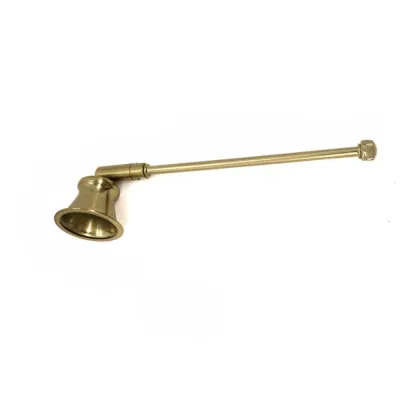
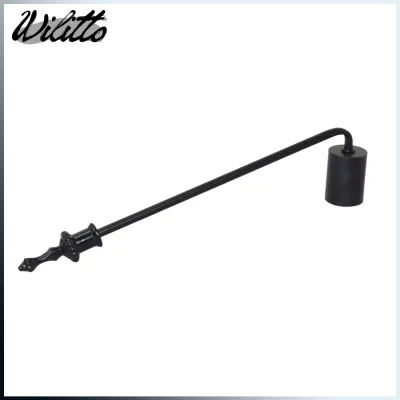
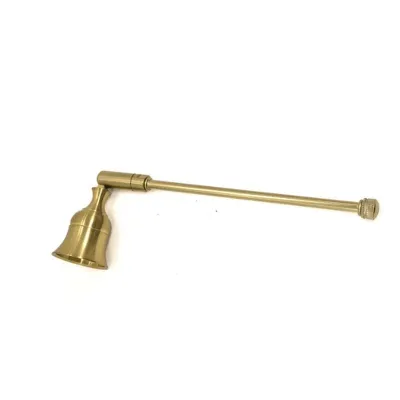
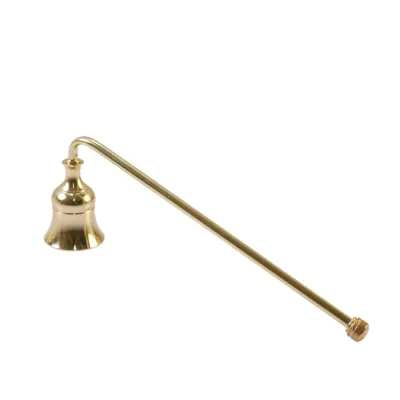
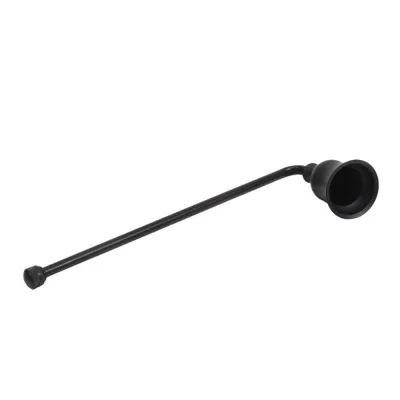
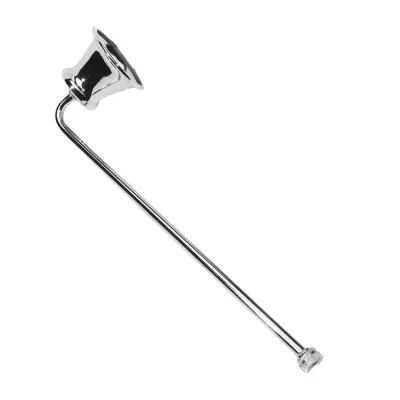
1 Lazada user ratings
Products came in very good condition. Well packed and good quality material. Thank you seller
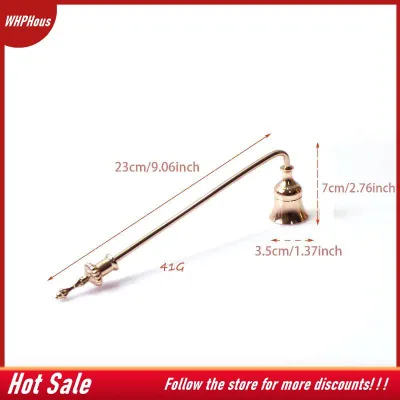
Prices are valid at publication and may change. Please refer to the product page for the latest price.
Because different wax blends have varying melting points and cooling rates, you should observe how your specific candles react to rapid temperature changes and air movement. Some natural waxes, like soy or coconut, may remain liquid longer after the flame is gone, making them more susceptible to displacement than harder paraffin waxes.
Side-by-Side Comparison of Extinguishing Methods
Evaluating how you extinguish your candles involves looking at three key observable dimensions: wax splatter, smoke production, and subsequent wick condition. Before applying any general extinguishing method, check the manufacturer’s label on your candle for specific instructions or warnings.

Wax Splatter and Mess Prevention
Blowing directly onto a burning candle can easily cause hot, liquid wax to splatter out of the container or off the candle’s edge. This displacement can ruin the smooth surface of pillar or jar candles and leave stubborn, hard-to-clean stains on nearby furniture, tablecloths, or walls. Hot wax on wood finishes can strip the polish, while wax on fabrics often requires complex removal techniques.
A candle snuffer minimizes air movement around the flame, keeping the liquid wax pool completely intact and level. This containment is especially helpful for maintaining the aesthetic appeal of decorative candles and protecting your surrounding home decor from accidental damage.
However, you must use the tool carefully; if the metal bell accidentally touches the liquid wax pool, it can leave a physical dent or collect a thick residue that requires regular cleaning. A dirty snuffer bell can transfer soot back into the clean wax pool during subsequent uses.
Smoke Production and Scent Preservation
Blowing out a candle often results in a thick, lingering trail of white smoke because the sudden cooling and air displacement leave the hot wick smoldering. This smoldering wick continues to release vaporized wax and carbon particles into the air, which form the soot and smoke trail. This smoke can quickly fill a small room, detracting from the relaxing atmosphere you just created.
A candle snuffer traps some of this initial smoke inside its bell, but the wick may still smolder briefly once you lift the tool, depending on the wick’s material and length. The trapped oxygen is quickly consumed, but the residual heat can still cause minor smoldering once fresh air is reintroduced.
You can observe whether your chosen method alters the room’s fragrance profile, as a strong burnt-wick smell can temporarily overpower the pleasant aroma the candle spent hours diffusing. Preserving the delicate top notes of high-quality fragrance oils is often a priority for aromatherapy enthusiasts.
Wick Condition and Future Burn Quality
Forcefully blowing can bend or break a fragile, hot wick, or even push it down into the liquid wax pool where it can become trapped as the wax solidifies. A bent wick leads to an uneven burn, tunneling, or difficulty relighting the candle next time. If the wick becomes buried, you may have to scrape away usable wax just to expose it again.
Using a snuffer helps keep the wick upright and centered, provided you lower and raise the bell steadily without physically bumping the delicate wick structure. A centered wick ensures that heat is distributed evenly across the candle’s surface during the next burn, preventing wasteful tunneling.
Regardless of the extinguishing method you choose, trimming the wick to the proper length before the next burn remains a necessary maintenance step to ensure a clean, even flame. A well-maintained wick prevents the flame from growing too large and producing excess soot.
Safety and Suitability for Different Candle Types
Deep jar candles present a unique challenge; blowing into a deep container can force hot wax up against the glass walls, creating soot buildup, or making it difficult to reach the flame safely. The restricted airflow inside a deep jar can also cause the flame to flicker wildly when blown, increasing the risk of glass breakage from uneven heat. A long-handled candle snuffer is often much more practical for reaching deep into jars without risking burns or messy splatters.
For pillar and votive candles, blowing gently is common, but a snuffer is highly effective at preventing wax from spilling over the sides. However, you must ensure the snuffer bell is not so wide that it gets stuck in a deep, narrow wax pool or damages the delicate wax walls of a pillar candle. If the bell scrapes the sides of a pillar, it can ruin the candle’s shape and cause future leaks.
Taper candles carry a high risk of wax dripping down their slender sides if they are blown out forcefully or at an angle. Drafty rooms can exacerbate this dripping issue, turning a clean taper into a messy run of wax. While a snuffer offers the precision needed to extinguish tapers cleanly, you must handle the tool with a steady hand to avoid knocking the tall, unstable candle over.
Always check the candle manufacturer’s safety and care instructions for specific warnings regarding deep containers, delicate wax structures, or recommended extinguishing tools. Some specialty candles may have unique wick configurations that require specific handling.
How to Choose the Right Method for Your Needs
Choose a candle snuffer if you primarily burn deep jar candles, want to prevent hot wax from splattering onto your home decor, or need to keep your candle wicks perfectly centered for the next burn. This tool is ideal for those who prioritize clean maintenance and want to preserve the visual appeal of their candle collection over multiple uses.
Choose blowing out if you are extinguishing standard, shallow candles where a metal snuffer bell might physically dent the soft wax pool, or if you do not have a specialized tool handy and can blow gently and steadily from a safe distance. If you choose this route, placing a finger or card behind the flame can help direct the air current safely.
Verify first if the candle manufacturer explicitly specifies a particular extinguishing method on the safety label, or if the wick is unusually long and produces excessive smoke regardless of how you put it out. Some wicks are designed to self-extinguish or require specific tools to avoid damage.
As a supplementary option, you can also look into a wick dipper, which is another common tool that you can verify against your candle type and wax depth to see if it fits your routine. A wick dipper allows you to submerge the wick directly into the liquid wax, extinguishing it instantly without any smoke.
Proper Candle Care and Maintenance Tips
To maintain optimal burn quality, always trim the wick to the manufacturer’s recommended length—typically around one-quarter of an inch—before every single burn to reduce excess smoke and soot. Trimming also prevents the wick from “mushrooming,” which is the buildup of carbon that causes popping and sparking.
Safely remove any matches, wick trimmings, or debris from the liquid wax pool after the candle cools to prevent these materials from acting as secondary ignition points during the next use. Debris in the wax pool can create multiple flames, leading to overheating and potential safety hazards.
In the warm climate of the Philippines, store your candles in a cool, dry place away from direct sunlight to preserve their fragrance oils and prevent the wax from softening or deforming. High ambient temperatures can cause fragrance oils to bleed out of the wax, reducing the candle’s scent throw over time.
Never leave a burning candle unattended, keep it away from drafts or flammable materials, and always follow the safety warnings printed on the product label. Ensuring a safe burning environment is the most important aspect of enjoying your candle collection.
Frequently Asked Questions (FAQ)
Is it safe to use a candle snuffer on all types of wax?
Snuffers are generally safe to use on all wax types, including soy, paraffin, and beeswax, because they rely on oxygen deprivation rather than any chemical interaction to extinguish the flame. However, you should exercise caution with very soft or low-melt-point waxes to avoid letting the heavy metal bell sink too deeply into the liquid pool, which can leave a permanent dent.
Why does my candle still smoke after using a snuffer?
A candle may still smoke after using a snuffer if the wick is too long, if there is a strong draft in the room, or if you lift the snuffer bell too quickly before the wick has had a chance to cool down. To minimize this residual smoke, ensure you hold the snuffer over the flame for a few seconds and trim the wick before lighting the candle again.
Can I use a wick dipper instead of a snuffer or blowing?
Yes, a wick dipper is an excellent alternative tool that works by gently pushing the lit wick into the liquid wax pool to extinguish the flame instantly and then pulling it back up. This method completely eliminates post-extinguish smoke and coats the wick in fresh wax for the next burn, though it requires a steady hand to avoid breaking a fragile wick or leaving it submerged.
Community discussion
Share your experience or ask a question. Comments are reviewed before publication.