
Choosing between canvas and framed art for your living room depends on your space’s existing interior design, lighting conditions, and how formal you want the room to feel. Neither option is universally superior; instead, each serves a distinct aesthetic and practical purpose on your walls.
Canvas prints offer a modern, borderless, and textured appearance that blends seamlessly into casual or contemporary spaces. Framed art, on the other hand, provides a structured, polished, and traditional look that defines the boundaries of an image and adds a layer of sophistication.
To make the right choice, you must evaluate how these formats interact with your room’s natural light, the physical strength of your walls, and your long-term maintenance preferences. Let’s look at how each format performs across these key areas.
Products mentioned in this guide
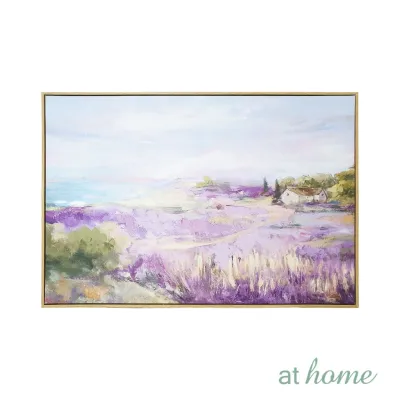
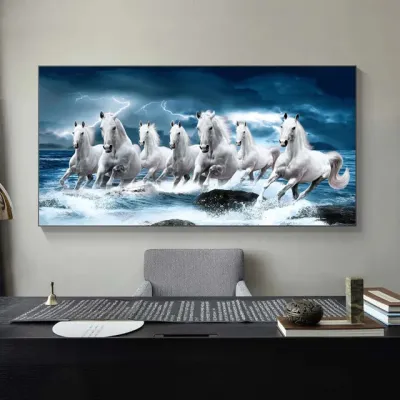
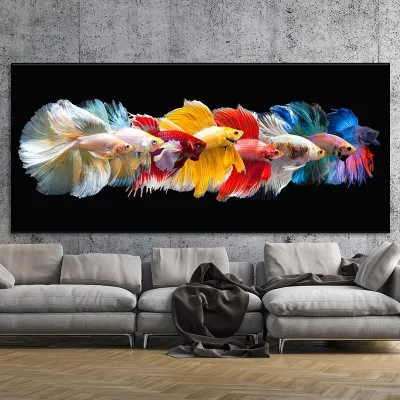
31 Lazada user ratings
your product is not worth 1k or more. the picture itself is nice but it s too small for the price. Kahit 300 pesos Hindi mabibili sa bangket…Read full reviewShow less
your product is not worth 1k or more. the picture itself is nice but it s too small for the price. Kahit 300 pesos Hindi mabibili sa bangketa. Don t be so greedy. Be fair to your customer to what you are selling...to return or get refund is a lot of hazzles. For those who wants to buy wall frame, better buy somewhere which you can get a lot cheaper and more beautiful.
ayos sya walang damage. Bagay na Bagay sa bahay.........................................
Vibrant and eye-catching artwork, High-quality printing and materials,
mali po ang size.maliit po kc ang pagkasize.eh mlki ang order q
Quality:fair Appearance:far from expected Performance:poor
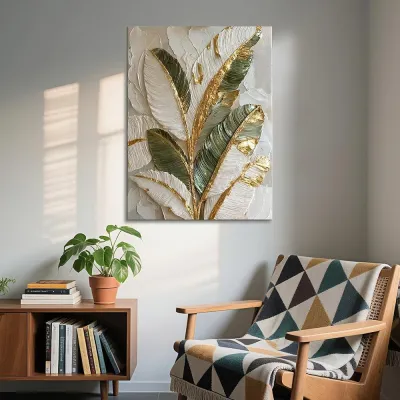
20 Lazada user ratings
it's not same with the picture,may pingas at damage p...excited to see p nman .a bit disappointed,even the color is different..but any way p…Read full reviewShow less
it's not same with the picture,may pingas at damage p...excited to see p nman .a bit disappointed,even the color is different..but any way pede n pag tyagaan..syang nman...
It looks fine. can be used as decor.
for me..satisfied aq very nice

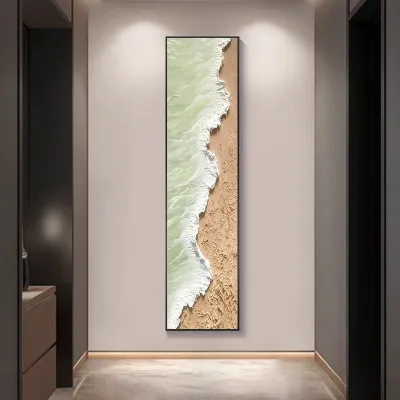
Prices are valid at publication and may change. Please refer to the product page for the latest price.
Visual Impact and Stylistic Fit for Living Spaces
Canvas prints bring a distinct three-dimensional presence to a living room. Because the canvas fabric stretches over a wooden support frame (known as stretcher bars), the artwork projects slightly outward from the wall. This projection, combined with the visible texture of the woven fabric, gives the piece an organic, tactile quality that softens modern minimalist or industrial spaces.
The edge style of a canvas print significantly influences its final look. A gallery wrap wraps the image continuously around the sides of the wooden frame, creating a clean, seamless appearance from any angle. Alternatively, mirrored edges repeat the border of the image on the sides, while solid color edges (often black or white) provide a subtle, intentional boundary without the need for an external frame.
For those who want the best of both worlds, floating frames offer a unique compromise. A floating frame mounts around the canvas print with a small gap between the canvas edge and the frame, creating the illusion that the artwork is suspended inside. This style adds the structured boundary of framed art while preserving the textured, three-dimensional quality of the canvas.
Framed art introduces a structured, architectural element to your walls. The frame acts as a visual transition between the artwork and your wall color, drawing the eye inward and focusing attention on the piece. This format is highly customizable, allowing you to match the frame material to other design elements in your living room, such as wooden furniture or metallic light fixtures.
The choice of frame material completely alters the mood of the artwork. An ornate, dark wood frame lends a classic, formal, or historic feel to a traditional living room. Conversely, a sleek, thin metal frame in matte black or brushed brass aligns perfectly with mid-century modern, contemporary, or transitional aesthetics.
Matting is another visual tool unique to framed art. Adding a cardboard mat board around a print creates breathing room, making the artwork appear more prestigious and curated. This technique is particularly effective for smaller prints, sketches, or family photographs, as it artificially increases the overall footprint of the piece on a large living room wall.
Practicality, Maintenance, and Environmental Factors
Maintaining the pristine look of your wall decor requires understanding how different materials interact with your living room’s environment. Dust, humidity, and sunlight affect canvas and framed art in entirely different ways, meaning your cleaning routine will vary depending on your choice.

Framed art typically features a protective front layer of glass or acrylic glazing. Cleaning this surface is straightforward, requiring only a gentle wipe with a microfiber cloth and a mild glass cleaner. However, you must avoid spraying liquid cleaners directly onto the frame, as moisture can seep behind the glass and damage the paper print over time.
Canvas prints lack a protective glass barrier, leaving the textured surface exposed to the air. Dusting a canvas requires a soft, dry brush or a static duster to gently lift particles from the crevices of the woven fabric. You should avoid using wet cloths or harsh chemical solvents on unvarnished canvas, as moisture can warp the fabric or dissolve the inks.
Environmental conditions like humidity and temperature fluctuations play a major role in the longevity of your art. High humidity can cause canvas fabric to slacken or sag on its wooden frame, though some canvases include adjustable wooden keys in the corners to retighten the tension. Framed art provides more protection against ambient moisture, but poorly sealed frames can trap humidity inside, leading to paper rippling or mildew.
Sunlight exposure is a critical factor for any wall display. Direct ultraviolet (UV) rays can cause both canvas inks and paper prints to fade over time. When purchasing either format, it is essential to check the manufacturer’s product specifications for UV-resistant inks, protective varnishes, or UV-blocking acrylic glazing to ensure your investment remains vibrant.
Cost Structures and Installation Requirements
Budget considerations and physical installation limits are practical realities that will shape your decision. Understanding the total cost of ownership and the structural demands of each format prevents unexpected expenses and wall damage.
Canvas prints generally offer a more straightforward, budget-friendly pricing model, especially for large-scale pieces. Because they do not require glass, matting, or external frames, you can purchase an oversized canvas that is ready to hang right out of the box. This makes canvas an economical choice for filling expansive living room walls without incurring secondary framing costs.
Framed art often involves a multi-layered cost structure. While a standard paper print may be inexpensive, adding a high-quality frame, mat board, mounting hardware, and protective glazing can significantly increase the final price. Custom framing, in particular, is a premium service that can easily exceed the cost of the artwork itself, though it offers unmatched personalization and protection.
The physical weight of the artwork dictates how it must be mounted on your living room wall. Canvas prints are remarkably lightweight because they consist only of fabric and a hollow wooden support frame. They can often be hung securely using simple picture hooks or adhesive strips, making them ideal for rental homes or plaster walls where drilling is discouraged.
Framed art is substantially heavier due to the weight of the wood or metal frame and the glass glazing. Large framed pieces require robust hanging hardware, such as heavy-duty wall anchors or toggle bolts, and should ideally be anchored directly into wall studs. Before hanging any heavy frame, always verify the weight capacity of your hardware and inspect your wall structure to prevent accidental falls.
For safety, always isolate nearby electrical pathways before drilling into walls to mount heavy art. If you are working at heights to hang an oversized piece above a staircase or high mantle, use a stable ladder and consider seeking assistance to handle the load safely.
Decision Framework: Matching Art to Your Space
To finalize your choice, evaluate your living room against a set of practical and aesthetic conditions. This framework helps you weigh the trade-offs of each format to find the option that aligns with your lifestyle, budget, and design goals.
Choose canvas prints if you prefer a relaxed, modern, or minimalist aesthetic with a soft, textured feel. Canvas is also the ideal choice if you are decorating a rental property, need to hang large artwork on delicate walls, or want a cost-effective way to display oversized images without the added weight and expense of glass.
Choose framed art if your living room features a traditional, formal, or highly curated design style. Framed pieces are perfect for displaying delicate works on paper, family photographs, or fine art prints that require the protection of glass and the visual structure of a mat board.
Verify first if your chosen wall is exposed to intense glare from nearby windows, as standard glass frames can create distracting reflections. Additionally, check the structural integrity of your wall and locate the studs if you plan to hang a heavy, oversized framed piece.
The following table summarizes the key differences between canvas and framed art to guide your final decision:
| Decision Dimension | Canvas Prints | Framed Art |
|---|---|---|
| Aesthetic Vibe | Modern, casual, borderless, and textured | Classic, formal, structured, and polished |
| Maintenance Routine | Gentle dry dusting; avoid wet cleaning | Easy glass wiping; protect frame edges from moisture |
| Installation Complexity | Lightweight; simple hooks or adhesive strips | Heavy; requires sturdy wall anchors or stud mounting |
| Glare Susceptibility | Low; matte surface diffuses light | High; requires anti-reflective glass to minimize glare |
| Cost Profile | Economical for large sizes; ready to hang | Variable; custom framing adds significant cost |
Frequently Asked Questions (FAQ)
Can I mix canvas and framed art on the same living room gallery wall?
Yes, mixing canvas and framed art on a single gallery wall is an excellent way to create a dynamic, textured display. To keep the arrangement cohesive, balance the visual weight by distributing the heavier framed pieces evenly throughout the layout rather than clustering them on one side. You can unify the diverse formats by sticking to a consistent color palette, using matching frame colors, or ensuring the canvas edge treatments complement the tones of your wooden or metallic frames.
Which format is more suitable for a living room with large, sunlit windows?
Canvas prints are generally more suitable for bright, sunlit living rooms because their matte, textured surfaces do not reflect light, preventing distracting glare. Framed art with standard glass or acrylic glazing can act like a mirror in high-light environments, obscuring the artwork behind reflections. If you prefer the look of framed art in a sunny room, look for product specifications that feature anti-reflective or museum-grade non-glare glass, and verify that both formats include UV-protective coatings to prevent the colors from fading over time.

Community discussion
Share your experience or ask a question. Comments are reviewed before publication.