
Choosing the right lantern parol for your home is a central part of preparing for the festive holiday season. The ideal choice depends on where you plan to hang the lantern, how much maintenance you are willing to perform, and your personal design preferences. While traditional capiz shell lanterns offer a classic, warm glow that honors heritage, modern LED and acrylic options provide robust weather resistance and vibrant light patterns. Meanwhile, paper and craft parols serve as lightweight, budget-friendly alternatives perfect for indoor spaces and temporary displays. By understanding the unique characteristics of each material, you can select a lantern parol that not only beautifies your home but also remains safe and durable throughout the holidays.
Quick Guide: Matching Parol Types to Your Home
Selecting a lantern parol involves balancing aesthetic desires with the practical realities of your home’s layout and the local climate. If your primary goal is to showcase traditional craftsmanship and you have a well-protected indoor space or a covered porch, a traditional capiz parol is an excellent choice. Its natural shell panels diffuse light into a soft, warm radiance that evokes classic holiday nostalgia.
For those who want a high-impact, low-maintenance display that can withstand outdoor exposure, modern LED and acrylic parols are highly suitable. These fixtures are built to resist moisture and wind, making them ideal for hanging from balconies, roof eaves, or outdoor garden posts. They also offer dynamic lighting effects, such as chasing patterns and color transitions, which are highly visible from a distance.
Products mentioned in this guide
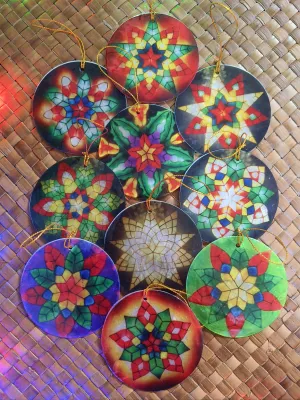
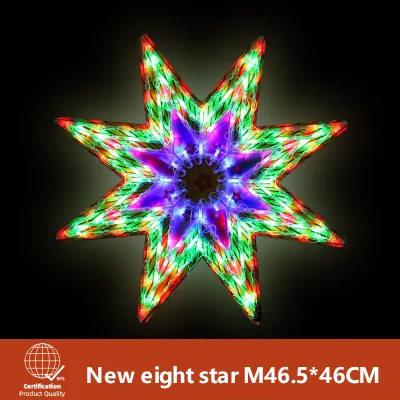
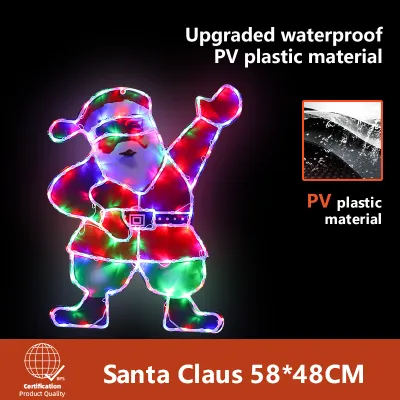
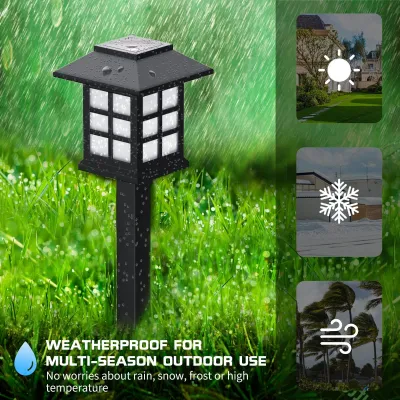
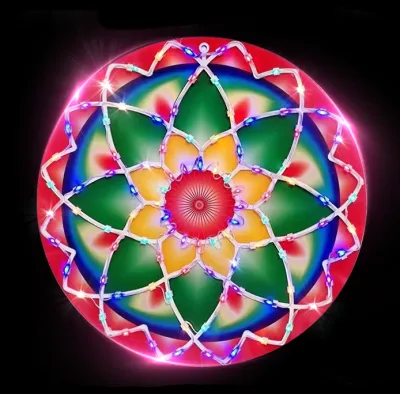
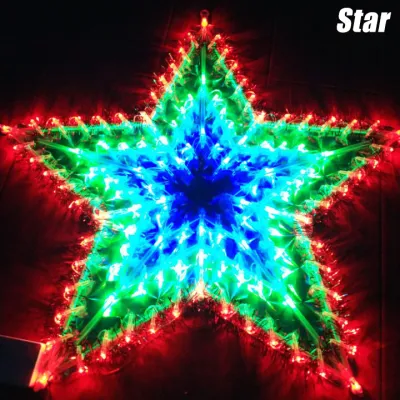
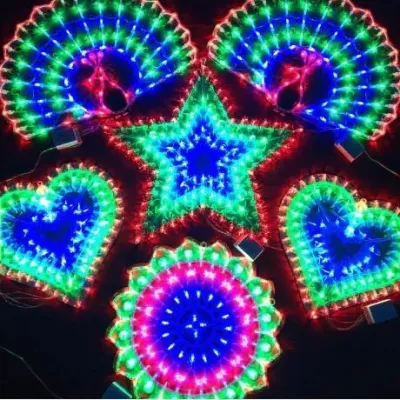
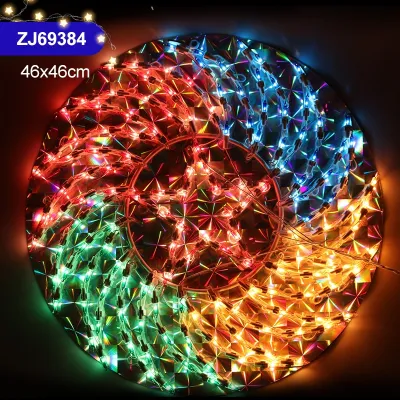
Prices are valid at publication and may change. Please refer to the product page for the latest price.
If you are decorating on a budget, planning a short-term display, or looking for a fun family decorating project, paper and craft parols are the most practical option. They are incredibly lightweight, easy to hang with simple adhesive hooks, and come in a wide variety of vibrant colors. However, they require strict indoor placement and careful handling to avoid damage from moisture or heat.
Understanding Capiz, LED, and Paper Parol Styles
The material used to construct a lantern parol dictates its weight, how it diffuses light, and how well it holds up against environmental wear. Each style has distinct structural characteristics that appeal to different household needs and decorative themes.

Traditional Capiz Shell Parols
Traditional capiz parols are crafted from the natural shells of the windowpane oyster, which are carefully cleaned, cut, and bound together using brass or metal frames. The natural translucency of the capiz shell creates a unique, pearlescent light diffusion that synthetic materials cannot easily replicate. When illuminated from within, the shells emit a soft, organic glow that highlights the intricate, hand-soldered patterns of the frame.
While capiz parols are highly prized for their artisanal beauty and cultural significance, they are inherently fragile. The thin shell panels can crack or shatter under physical impact, and strong winds can easily dislodge them from their metal frames. Consequently, these lanterns are best suited for low-traffic indoor areas, such as living room windows, or well-sheltered outdoor spaces like covered verandas.
Maintaining a capiz parol requires a gentle touch. Dust and dirt should be wiped away using a dry or slightly damp microfiber cloth, avoiding harsh chemical cleaners that can strip the natural luster of the shells. Additionally, because the metal frames are prone to oxidation and rust when exposed to moisture, keeping the parol in a dry, well-ventilated environment is essential for preserving its structural integrity over the years.
Modern LED and Acrylic Parols
Modern LED and acrylic parols represent a contemporary evolution of the classic holiday lantern. These fixtures utilize durable acrylic sheets or molded plastics to house integrated LED light strips or replaceable bulbs. The synthetic construction allows for a highly durable frame that is significantly more resistant to impacts, wind, and moisture than traditional materials.
One of the standout features of LED parols is their ability to produce bright, highly saturated colors and complex, pre-programmed light sequences. Whether you prefer a steady, warm white glow or a fast-paced, multi-colored light show, these lanterns offer exceptional visual versatility. Furthermore, LED technology is highly energy-efficient, consuming a fraction of the power required by older incandescent bulbs, which helps keep electricity costs manageable during extended holiday displays.
However, buyers should consider the long-term serviceability of these modern fixtures. Some LED parols feature integrated light strips that cannot be easily replaced if a single diode fails, meaning the entire unit may need to be serviced or replaced. Additionally, while they offer unmatched convenience and brightness, some homeowners find that the sharp, intense light of LEDs lacks the soft, nostalgic warmth associated with natural capiz shells.
Paper and Craft Parols
Paper and craft parols are the most accessible and lightweight options available. Traditionally constructed using a bamboo frame (known as a balangkas) covered with colorful Japanese paper (papel de Hapon), cellophane, or crepe paper, these lanterns are deeply rooted in community crafting traditions. They are highly customizable, allowing families to build or personalize their own designs.
Because they are so light, paper parols can be hung almost anywhere using basic hanging hardware, suction cups, or temporary adhesive hooks. This makes them ideal for apartments, classrooms, and indoor party venues where heavy mounting hardware is not permitted. They are also highly economical, with prices often starting at a fraction of the cost of capiz or acrylic models.
The primary trade-off with paper parols is their extreme vulnerability to the elements. High humidity can cause the paper to sag and lose its tension, while direct contact with rain will quickly ruin the structure. Wind can easily tear the delicate paper panels away from the bamboo frame. Furthermore, fire safety is a critical concern; paper parols must never be paired with heat-generating incandescent bulbs, as the dry paper and bamboo can easily ignite if they come into contact with excessive heat.
Comparing Durability and Ideal Display Locations
To help you make an informed decision, it is helpful to compare how these three parol types perform across key physical and environmental dimensions. The table below outlines the practical trade-offs of each material.
| Feature | Traditional Capiz | Modern LED & Acrylic | Paper & Craft |
|---|---|---|---|
| Weather Resistance | Low (requires shelter) | High (if outdoor-rated) | None (indoor only) |
| Fragility | High (shells can crack) | Low (shatter-resistant) | Very High (tears easily) |
| Cleaning Effort | Moderate (gentle wiping) | Low (wipe down easily) | Very Low (dusting only) |
| Ideal Placement | Indoor windows, covered porches | Balconies, eaves, gardens | Living rooms, bedrooms, offices |
| Primary Light Source | Soft, diffused glow | Bright, dynamic patterns | Mild, localized accent |
The tropical climate of the Philippines presents unique challenges for holiday decorations. High relative humidity, sudden tropical downpours, and intense afternoon sun can rapidly degrade materials. For instance, prolonged exposure to humidity can cause the solder joints on capiz frames to weaken or corrode, while the shells themselves may begin to yellow or delaminate. Paper parols exposed to humid air will quickly lose their crispness, leading to a saggy, worn appearance.
To ensure your parol remains safe and visually appealing, perform regular visual checks for wear throughout the holiday season. For capiz lanterns, inspect the metal joints for signs of rust and check that the shell panels remain securely seated in their channels. For LED units, look for flickering lights, cracked acrylic housing, or moisture buildup inside the light compartments, which indicates a compromised seal. For paper parols, check for any signs of tearing, mold growth, or discoloration near the light source.
Electrical Safety and Installation Boundaries
Operating any illuminated holiday decoration requires strict adherence to electrical safety standards to protect your home from fire hazards and electrical shocks. Before plugging in any parol, verify that its voltage rating matches your home’s electrical supply (typically 220V). Inspect the plug, power cord, and socket for any signs of fraying, exposed wires, or cracked insulation. If you notice any damage, do not use the fixture until the cord or plug has been professionally repaired or replaced.
It is vital to distinguish between indoor-only and outdoor-rated electrical components. Outdoor-rated parols must feature weather-resistant cords, sealed light sockets, and appropriate ingress protection (IP) ratings to prevent water from entering the electrical housing. Never use an indoor-rated parol in an outdoor setting, even under a covered porch, as blowing rain and high humidity can easily cause a short circuit. Always check the manufacturer’s safety labels and specifications before deciding on a display location.
For complex installations, safety boundaries must be respected:
- Power Isolation: Always unplug the parol or switch off the corresponding circuit breaker before installing, adjusting, cleaning, or replacing bulbs.
- Work at Height: When hanging parols from high ceilings, roof eaves, or second-story balconies, use a stable, slip-resistant ladder and have a second person assist you.
- Suspended Loads: Ensure that mounting hooks, anchors, and support wires are rated to hold the weight of the parol, especially for heavy capiz models.
- Qualified Professionals: Consult a licensed electrician for permanent outdoor wiring, installing dedicated outdoor outlets, or mounting heavy fixtures that require structural modifications.
Fire safety is particularly critical when dealing with paper or natural wood frames. If your paper or capiz parol uses replaceable bulbs, always adhere to the maximum wattage limit specified by the manufacturer. Never use high-wattage incandescent bulbs, which generate significant heat; instead, opt for cool-operating LED bulbs. Ensure there is adequate clearance between the bulb and the surrounding material to prevent heat buildup.
Step-by-Step Selection Checklist for Your Home
Use this step-by-step checklist to guide your purchasing decision and ensure you select the perfect parol for your living space.
- Step 1: Define the exact display location. Measure the physical dimensions of the space where you plan to hang the lantern. Check if the area is fully exposed to the elements, partially sheltered, or strictly indoors. Locate the nearest electrical outlet and measure the distance to determine if you will need an outdoor-rated extension cord.
- Step 2: Determine the desired lighting ambiance. Decide whether you want a soft, warm, steady glow that serves as a subtle decorative accent, or a bright, colorful, dynamic light display that stands out from a distance. Consider how the light will interact with your existing home decor and neighborhood surroundings.
- Step 3: Verify product specifications and safety labels. Carefully read the product packaging or manufacturer's description. Confirm the voltage compatibility, wattage limits, and whether the fixture is certified by local safety standards (such as the Philippine Standard or Import Commodity Clearance marks). Verify if the light source is integrated or if the bulbs are replaceable.
- Step 4: Assess storage and maintenance requirements. Consider where you will store the parol during the off-season. Ensure you have a dry, pest-free storage space, such as a closet or attic, and a suitable protective container (like a rigid plastic bin for capiz or a flat box for paper) to keep the lantern safe from dust, moisture, and physical damage.
Frequently Asked Questions (FAQ)
Can I leave a traditional capiz parol outside during the holiday season?
It is generally not recommended to leave a traditional capiz parol fully exposed to the outdoors. While they can handle brief periods in semi-sheltered areas like a covered porch or veranda, prolonged exposure to wind, rain, and high humidity will damage the natural shells and cause the metal frame to rust. If you choose to display a capiz parol in a semi-outdoor space, ensure it is securely anchored to prevent it from swinging and hitting walls, and bring it indoors during heavy storms or high winds. Always defer to the manufacturer’s specific care instructions regarding outdoor use.
How do I safely store my lantern parol after the holidays?
To preserve your lantern parol for future holiday seasons, start by unplugging the unit and allowing it to cool completely. Gently clean the surface according to its material: use a dry microfiber cloth for capiz shells, a soft duster for paper, or a damp cloth for acrylic. If the parol has removable parts or bulbs, carefully disassemble them and wrap them individually in bubble wrap or packing paper. Store the parol in a sturdy, rigid container—such as a plastic storage bin—to protect it from being crushed. Keep the container in a cool, dry, and pest-free environment to prevent moisture damage, mold growth, or insect infestation.
Community discussion
Share your experience or ask a question. Comments are reviewed before publication.