
A capiz shell crucifix is a sacred wall hanging crafted from the translucent, pearlescent shells of the windowpane oyster (Placuna placenta), serving as a deeply cherished symbol of faith and heritage in many Filipino households. Combining Catholic devotion with the natural beauty of coastal craftsmanship, these unique religious items do more than adorn a wall—they reflect a cultural identity shaped by both spiritual conviction and the surrounding tropical seas. By capturing and softly diffusing the bright tropical sunlight, a capiz crucifix brings a serene, warm glow into living spaces, making it a popular and meaningful choice for home decor.
What Makes Capiz Shell a Unique Material for Religious Decor?
The primary allure of capiz shell lies in its extraordinary relationship with light. Unlike opaque materials such as wood or plaster, capiz possesses a natural translucency that allows light to pass through its delicate layers. When illuminated by natural sunlight or indoor lighting, the shell filters the rays, creating a soft, warm, and almost ethereal glow. This unique iridescence, reminiscent of mother-of-pearl, naturally evokes a sense of spiritual radiance and peace, making it an exceptionally fitting medium for representing sacred figures and symbols.
In addition to its luminous quality, capiz shell is celebrated for its organic uniqueness. Because each shell is harvested from natural marine environments, no two pieces are identical. Every segment used in a crucifix displays subtle variations in its creamy white coloration, natural grain, thickness, and texture. These minor imperfections and distinct patterns ensure that every finished crucifix is a one-of-a-kind piece of art, carrying its own character and charm that mass-produced plastic alternatives simply cannot replicate.
Products mentioned in this guide
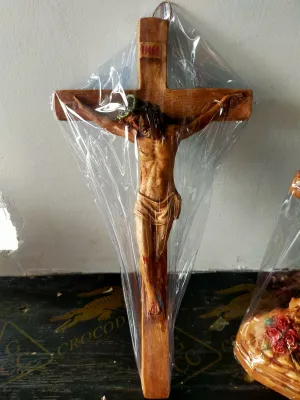
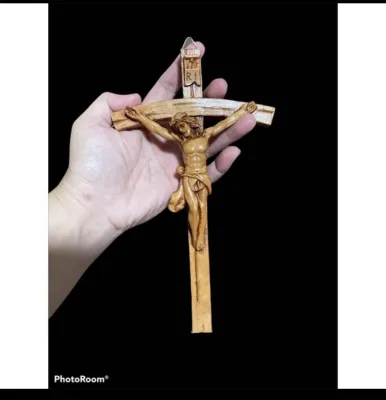
Prices are valid at publication and may change. Please refer to the product page for the latest price.
From a practical standpoint, capiz shell offers a lightweight alternative to traditional heavy materials like solid timber, bronze, or wrought iron. This makes the installation process significantly easier and safer, reducing the structural stress on household walls. Despite its delicate, paper-thin appearance, cured and laminated capiz shell is surprisingly resilient when properly framed and backed. It provides a durable decorative solution that can withstand the test of time, provided it is handled with reasonable care and kept away from harsh physical impacts.
The Cultural and Spiritual Significance in Filipino Catholic Homes
The popularity of the capiz shell crucifix is deeply rooted in the historical and cultural landscape of the Philippines. As a nation with a profound Catholic heritage, religious symbols are central to daily life, and the integration of indigenous materials like capiz represents a beautiful harmony between local coastal identity and spiritual devotion. By utilizing a resource harvested from the country’s abundant waters, local artisans transform a humble gift of the sea into a profound expression of faith, connecting the household’s physical environment with their spiritual beliefs.

In a typical Filipino home, the crucifix is far more than a decorative accent; it is the spiritual anchor of the household. It is traditionally positioned in a highly visible and respected area, such as directly above the main entrance door, in the center of the living room, or as the centerpiece of a dedicated family altar. Placing the crucifix in these prominent locations is believed to invite divine blessings, offer spiritual protection, and remind family members of their faith as they enter and leave the home. It serves as a quiet, constant focal point for personal reflection, family prayers, and seasonal novenas.
This deep cultural resonance also makes the capiz shell crucifix a highly meaningful gift for significant life events. It is a time-honored tradition to present a beautifully crafted crucifix as a housewarming gift to bless a family’s new dwelling and wish them peace. Similarly, it is frequently given as a wedding present to help a newly married couple establish their own Christian home, or as a token of appreciation and blessing during baptisms, confirmations, and religious anniversaries. Such a gift carries a lasting sentimental and spiritual value that is passed down through generations.
How to Choose the Right Capiz Shell Crucifix for Your Space
Selecting the perfect capiz shell crucifix requires a thoughtful balance of aesthetic preference, spatial constraints, and structural quality. Begin by assessing the size and proportions of the wall where you intend to hang the piece. A large, ornate crucifix measuring 18 to 24 inches in height makes a stunning focal point for a spacious living room, high-ceilinged entryway, or main hallway. For more intimate spaces, such as a bedroom, a study, or a compact prayer alcove, a smaller size ranging from 8 to 12 inches is often more appropriate, ensuring the sacred symbol harmonizes with the room without overwhelming it.
Pay close attention to the frame material and the structural backing of the crucifix. High-quality capiz decor relies on a sturdy frame—typically made of brass, wrought iron, or treated hardwood—to hold the delicate shell segments securely in place. This backing is essential for maintaining the shape of the crucifix and preventing the shells from warping or shifting over time, especially when exposed to the natural humidity of a tropical climate. Before purchasing, inspect the back of the piece to ensure the hanging bracket or loop is robust and firmly integrated into the main frame, rather than just attached to the delicate outer shell. If you opt for a modern variation that includes integrated backlighting, always verify the electrical specifications, including voltage compatibility, wiring safety, and certification labels, before mounting it near power outlets.
The quality of the craftsmanship is another critical factor to evaluate. Examine the edges of the individual capiz segments to ensure they are cleanly cut and neatly bound. In traditional shellcraft, these pieces are joined using thin metal solder, similar to the techniques used in stained-glass windows; this solder should be smooth, consistent, and free of sharp protrusions. Additionally, observe the corpus—the representation of Christ—which may be made of molded resin, brass, or carved wood. Ensure it is securely mounted to the cross and that its details are clear and respectful.
Finally, establish a realistic budget and explore reputable sourcing options. Prices for capiz shell crucifixes can vary depending on the size, complexity of the design, and the level of handcrafting involved. Simple, smaller designs may range from ₱500 to ₱1,200, while larger, highly detailed, or custom-made artisan pieces can range from ₱1,500 to ₱5,000 or more. To ensure you are getting an authentic product while supporting local communities, consider purchasing from established artisan cooperatives, local parish shops, or specialized home decor boutiques. While online marketplaces and ecommerce platforms offer convenient browsing, always read customer reviews and check real-life photos to verify the build quality before finalizing your purchase.
Caring for and Maintaining Your Capiz Shell Wall Decor
To preserve the luminous beauty and structural integrity of your capiz shell crucifix for years to come, proper maintenance is essential. Because capiz is a natural, organic material composed primarily of calcium carbonate, its surface can be easily scratched or dulled by improper cleaning. For routine maintenance, a gentle dusting with a clean microfiber cloth or a soft feather duster is all that is required to keep the surface free of dust and debris. Avoid using rough scrubbing pads, steel wool, or stiff-bristled brushes, which can permanently scratch the delicate pearlescent finish.
When a deeper clean is necessary to remove accumulated grime or fingerprints, use a slightly damp, soft cloth. Prepare a mild cleaning solution by mixing a few drops of gentle, pH-neutral dish soap with warm water. Gently wipe the shell surfaces, taking care not to saturate the joints or allow water to seep behind the frame. Immediately follow up with a dry, soft towel to remove any residual moisture, as standing water can weaken the adhesives or cause metal frames to tarnish. Never use harsh chemical cleaners, bleach, ammonia, or vinegar, as these acidic substances can chemically erode and permanently ruin the natural nacre of the shell.
Environmental placement also plays a vital role in the longevity of your decor. While capiz shells are naturally accustomed to moisture, prolonged exposure to intense, direct sunlight can cause the protective lacquer coatings or natural resins to yellow, crack, or become brittle. Position your crucifix on a wall that receives indirect light rather than harsh, direct afternoon sun. Additionally, ensure that the hanging mechanism is checked periodically. Because a wall crucifix is a suspended load, verify that the wall anchor, screw, or hook remains firmly embedded in the wall to prevent accidental falls that could shatter the delicate shellwork.
Frequently Asked Questions (FAQ)
Can capiz shell crucifixes be placed in humid areas like near the kitchen?
While capiz shell itself is highly water-resistant due to its marine origins, placing a crucifix in areas with high humidity, steam, or grease requires caution. The metal solder, wooden backings, and adhesives used to assemble the piece can degrade, rust, or warp when constantly exposed to moisture and cooking oils. If you choose to hang your crucifix near a kitchen or dining area, ensure the room is well-ventilated, and position the piece away from direct steam sources, stoves, or sinks to prevent discoloration and structural damage.
How do I verify if the capiz shell used is ethically sourced?
To verify the ethical sourcing of your capiz shell decor, look for products from manufacturers that openly disclose their material origins and adhere to local environmental guidelines. In the Philippines, the harvesting of windowpane oysters is regulated to prevent overfishing and protect marine ecosystems. Authentic capiz will always feature natural, subtle variations in color, texture, and light transmission, and will feel cool to the touch. In contrast, synthetic plastic imitations are perfectly uniform, feel warm, and lack the genuine depth and iridescence of real marine shell.
Community discussion
Share your experience or ask a question. Comments are reviewed before publication.