
Selecting a beautiful mama mary for altar setups is a deeply personal decision that brings a sense of peace, reverence, and cultural heritage to a Filipino household. Capiz shell, harvested from the marine mollusk Placuna placenta, has long been a staple of traditional Philippine craftsmanship, prized for its delicate, translucent quality that diffuses light into a soft, warm glow. When fashioned into religious icons, capiz shell offers a unique blend of natural beauty and sacred artistry, making it an exceptional material for honoring the Blessed Mother. Whether you are establishing a new prayer corner or seeking to elevate an existing family altar, understanding the distinct styles of capiz shell decor will help you select a piece that is both spiritually fitting and physically appropriate for your home.
Evaluating Capiz Shell Designs for a Reverent Altar Setup
Setting up a dedicated prayer space requires thoughtful planning to ensure that every object contributes to an atmosphere of quiet reflection and deep devotion. When incorporating capiz shell religious art into your home altar, you must evaluate how the material’s unique physical properties align with the sacred purpose of the space. A well-chosen piece should not only serve as a beautiful decorative accent but also inspire daily prayer and contemplation.
Reverence and Iconography
The primary consideration for any devotional image is its adherence to traditional Catholic iconography. When examining a capiz shell depiction of Mama Mary, look closely at how the artisan has represented her features, posture, and traditional symbols. Whether the piece depicts Our Lady of Grace with outstretched hands, the Immaculate Conception, or Our Lady of Perpetual Help, the mosaic work must preserve the dignity and serene expression of the Blessed Mother. The natural variations in the shell’s texture and color should complement the figure rather than distract from it. Ensure that the craftsmanship respects the traditional drapery of her veil and robes, avoiding overly abstract interpretations that might compromise the piece’s suitability for focused prayer.
Products mentioned in this guide
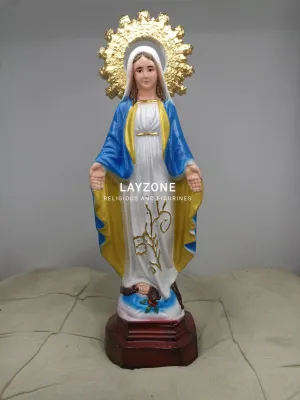
Prices are valid at publication and may change. Please refer to the product page for the latest price.
Space and Scale
A harmonious altar setup relies on balanced proportions. Before selecting a capiz shell piece, measure the height, width, and depth of your altar table, shelf, or wall space. An oversized statue or an excessively large wall plaque can easily crowd a modest table, leaving insufficient room for other essential devotional items such as a crucifix, a Bible, rosaries, or fresh flowers. Conversely, a tiny framed image might fail to establish a clear focal point on a large, expansive wall. Aim for a layout where the image of Mama Mary remains the central visual anchor, surrounded by a comfortable amount of open space that allows the mind to focus without feeling overwhelmed by clutter.
Light Interaction
The natural translucency of capiz shell is its most celebrated feature, allowing light to pass through and create a soft, pearlescent radiance. When planning your altar, observe how the ambient light in the room changes from morning to night. Consider how the capiz shell will interact with natural window light during the day or with dedicated altar lamps and candles in the evening. Position the icon where it can catch the light gently, transforming ordinary illumination into a warm, reverent glow. Keep in mind that perceived color temperature—whether you prefer a warm, golden candlelight effect or a cool, clean daylight appearance—and the overall spatial lighting effect are highly personal preferences rather than universal performance standards; choose the lighting environment that best fosters your personal state of prayer.
Freestanding Statues: Centerpieces for Spacious Altars
For households with a spacious console table, a dedicated wooden altar cabinet, or a deep built-in wall niche, a freestanding capiz shell statue serves as an exceptional three-dimensional centerpiece. These statues carry a distinct physical presence, immediately drawing the eye and establishing a clear focal point for family prayers and daily devotions.

Best Use Cases
Freestanding statues are ideal when you have a wide, stable surface that allows the figure to be viewed from multiple angles. They work beautifully on central altar tables where they can stand tall as the primary devotional image, flanked by smaller items like candle holders or small vases of fresh flowers. Because they occupy significant physical space, they are best suited for larger living rooms, dedicated prayer rooms, or spacious entryways where the family naturally gathers.
Design Characteristics
Most freestanding capiz statues are crafted by applying thin, hand-cut segments of capiz shell over a sturdy structural core, which is typically made of resin, carved wood, or a lightweight composite material. Artisans carefully arrange these shell tiles in a mosaic pattern, using the natural curves of the shell to mimic the flowing folds of Mama Mary’s robes. To define the edges and add structural stability, the borders of the shell segments are often bound with fine brass, copper, or gold-painted metal wire. Some premium designs may also feature solid, polished pieces of shell for the hands, face, or halo, creating a beautiful contrast between the detailed mosaic body and the smooth, luminous focal points.
Limitations and Stability
While freestanding statues are visually striking, they are also highly delicate. The protruding edges of the shell mosaic and any fine metal wirework can easily chip, bend, or lift if the statue is bumped, dropped, or handled roughly. Additionally, the tiny crevices between the individual shell tiles tend to collect dust over time, requiring patient and delicate maintenance. To protect your investment, always place the statue on a perfectly level, non-slip surface that is completely free from vibration. Keep the statue well away from high-traffic edges where it could be accidentally knocked over by passing family members, children, or household pets.
Safety Boundary
Because capiz shell is an organic material held together by resins, glues, and protective clear lacquers, it is highly vulnerable to heat damage. It is absolutely critical to maintain a strict safe distance of at least 12 inches between a freestanding capiz statue and any open candle flames. Placing lit wax candles too close to the statue can cause the shell to crack, warp, or turn a permanent, unsightly black. In worst-case scenarios, the heat can melt the underlying adhesives or cause the protective clear coat to release unpleasant fumes. To eliminate this risk entirely, consider pairing your statue with high-quality LED flameless candles, which provide a beautiful, safe flicker without producing heat.
Wall Plaques: Space-Saving Focal Points with Glowing Effects
When surface space on your altar table is limited, or if you prefer a clean, uncluttered layout, a wall-mounted capiz shell plaque offers an elegant, space-saving solution. By moving the primary icon of Mama Mary to the wall, you free up valuable table space for other liturgical items while drawing the eyes of worshippers upward in a traditional gesture of reverence.
Best Use Cases
Wall plaques are perfect for narrow hallway altars, compact bedroom prayer corners, or small apartments where table space is at a premium. Mounting the plaque directly above a small shelf or console table allows you to create a complete, multi-tiered altar setup without overcrowding the flat surfaces. This arrangement is also highly effective in homes with young children or active pets, as it keeps the primary sacred image safely out of reach.
Design Characteristics
Capiz wall plaques are available in a variety of traditional shapes, such as classic circular medallions, elegant arched windows that mimic church stained glass, and clean rectangular panels. The capiz shell is typically laid flat against a sturdy backing material and framed in dark, rustic local hardwoods or ornate wrought iron scrollwork. This combination of the delicate, iridescent shell and the heavy, structured frame creates a striking visual contrast that fits seamlessly into both modern Filipino homes and more traditional, rustic interiors.
Lighting Effects
Wall plaques are uniquely suited to showcase the luminous, light-filtering qualities of capiz shell. When mounted on a wall that receives indirect natural light from a nearby window, the plaque’s appearance will shift beautifully throughout the day, reflecting soft silver, pink, and gold tones as the sun moves across the sky. For evening prayers, you can position a small, low-heat spotlight on the table below or install a wall-mounted picture light above the plaque. Angling the light source toward the capiz panels creates a stunning, backlit glow that highlights the natural grain of the shell and casts a peaceful, ambient light throughout the prayer space.
Installation Considerations
Because wall plaques can be surprisingly heavy—especially those framed in solid wood or wrought iron—proper installation is essential for safety. Before mounting, check the weight of the plaque and inspect the wall type. Concrete or masonry walls require drilling and the use of plastic wall plugs paired with sturdy steel screws. Drywall or hollow wooden partitions require specialized toggle bolts or heavy-duty hollow-wall anchors. Never hang a heavy plaque using simple adhesive strips or small nails, as a fall will likely shatter the delicate shell mosaic. Additionally, avoid mounting the plaque on damp or poorly ventilated walls, such as those sharing a boundary with an uninsulated exterior area or a bathroom, as persistent moisture can cause the wood backing to warp and the shell adhesives to fail. For any installation involving work at height or the routing of fixed electrical wiring for dedicated spotlights, always observe proper power-isolation protocols, follow the manufacturer’s installation instructions, and consult a qualified professional to ensure safety.
Capiz Shell Frames: Highlighting Cherished Icons and Prayer Cards
If your family already treasures a specific printed icon, a blessed prayer card, or a historic painted image of Mama Mary, a capiz shell frame is an excellent way to house and elevate this personal heirloom. Rather than replacing a beloved image, a capiz frame allows you to integrate your existing devotional items into a beautiful, cohesive altar design.
Best Use Cases
Capiz frames are highly versatile and ideal for personalizing smaller, intimate prayer spaces, such as a bedside table, a study desk, or a small shelf in a quiet corner of the home. They allow you to showcase highly specific representations of Mama Mary that may not be readily available as three-dimensional statues or large plaques. This style is also perfect for creating a modular altar, where you can easily swap out prayer cards or seasonal devotional images to match the liturgical calendar.
Design Characteristics
These frames feature borders crafted from flat or slightly beveled capiz shell tiles, which are carefully laid out in elegant geometric patterns like herringbone, brick, or diagonal mosaics. The natural luster of the shell creates a radiant, shimmering border that draws the viewer’s eye directly to the central image. Because the frame itself is relatively flat, it acts as a luminous border that enhances the sacred art within without competing with it for attention, ensuring that the face of Mama Mary remains the undisputed focus of your devotion.
Protection and Maintenance
To preserve the quality of your printed or painted icon, choose a capiz frame equipped with a high-quality glass or UV-resistant acrylic protective sheet. This barrier is essential for shielding delicate paper, canvas, or photographs from the high humidity of the tropical climate, as well as protecting them from airborne dust and accidental wax splatters from altar candles. Position the framed icon away from direct, intense sunlight, as prolonged exposure to UV rays can cause printed images to fade rapidly and can make the clear protective lacquer on the capiz frame turn yellow or brittle over time.
Limitations
While capiz frames offer a highly personal and customizable option, they lack the three-dimensional presence and physical weight of freestanding statues or thick, carved plaques. On a large, open altar table, a single flat frame can sometimes look understated or get lost among larger objects. To overcome this limitation, you can create a layered composition by placing the framed icon on a small decorative easel to give it height, and placing dimensional items like a small crucifix, a rosary box, or small vases slightly forward on the table to establish depth.
Niches and Miniature Shrines: Creating a Dedicated Sacred Space
For those who wish to establish a highly formal, comprehensive prayer corner, a capiz shell niche or miniature shrine—often referred to in the Philippines as a retablo or altarito—provides a magnificent, self-contained sacred environment. These structures act as architectural frames, defining the boundaries of the altar and helping to minimize household distractions during family prayer.
Best Use Cases
Miniature shrines are best suited for larger, permanent altar setups in living rooms, quiet study rooms, or sheltered, indoor-facing verandas. Because they create a physical “room within a room” for your icons, they are perfect for households that want to establish a highly structured, church-like atmosphere for their daily devotions. They serve as an excellent way to group multiple small devotional items together in a neat, organized, and highly reverent manner.
Design Characteristics
These niches are typically designed to resemble the architecture of historic churches, complete with arched roofs, side columns, and sometimes small decorative doors that can be opened during prayer times. Capiz shell panels are often integrated as the back wall, side wings, or decorative windows of the shrine. In many designs, a non-shell statue (such as a carved wooden or porcelain figure of Mama Mary) is placed inside the niche, with the translucent capiz backing acting as a glowing, heavenly backdrop that diffuses light from behind the figure, creating a beautiful, ethereal aura.
Spatial Requirements
Because niches are fully three-dimensional structures with significant height, width, and depth, they require a substantial and sturdy supporting platform. They are not suitable for small, narrow floating shelves or delicate bedside tables. Before purchasing or building a niche, ensure that your altar table or cabinet is deep enough to accommodate the structure safely, leaving a comfortable margin at the front for prayer books or rosaries, and that the furniture is strong enough to support the combined weight of the wooden shrine frame and the statues placed inside.
Lighting Integration
One of the greatest advantages of a miniature shrine is the opportunity to integrate custom lighting. Installing safe, low-heat LED strip lights or small puck lights inside the upper arch of the niche allows you to illuminate the central statue and the capiz backing from within. The light passes through the translucent shell panels, creating a breathtaking, soft radiance that is perfect for early morning or late-night prayers. When integrating any electrical lighting, always verify that the voltage matches your home’s electrical supply (typically 220V in the Philippines), use certified low-voltage adapters, and ensure all wiring is kept completely dry and safely routed away from any water vessels or physical hazards on the altar. For any custom fixed wiring, always follow proper power-isolation protocols, adhere to the manufacturer’s installation instructions, and consult a qualified professional to ensure safety.
Quick Comparison: Matching Capiz Shell Styles to Your Altar Space
To help you decide which capiz shell style is best suited for your specific home environment, the following table compares each option across key spatial, aesthetic, and practical dimensions:
| Style | Space Requirement | Lighting Effect | Candle Safety Proximity | Maintenance Level |
|---|---|---|---|---|
| Freestanding Statue | High (Requires deep, flat table space) | Reflects ambient light; beautiful under direct spotlights | High Risk (Keep at least 12 inches away from open flames) | Moderate (Requires delicate dusting of mosaic crevices) |
| Wall Plaque | Low (Frees up table surface; requires wall space) | Excellent for backlighting and capturing natural window light | Safe (When mounted high above physical candles) | Low (Easy to dust flat surfaces; check wall anchors) |
| Capiz Frame | Low (Compact; fits small tables or bedside desks) | Creates a radiant border; highlights central printed icon | Moderate Risk (Keep away from direct heat and wax splatters) | Low (Wipe glass and frame border with microfiber cloth) |
| Niche / Shrine | Very High (Requires deep, sturdy, permanent platform) | Superb for internal LED backlighting and diffused glows | Safe (Statue is shielded inside, but keep candles away from frame) | High (Requires cleaning both the structure and the interior) |
Altar Safety and Capiz Shell Care in a Humid Climate
Using natural materials like capiz shell in a tropical, humid climate like the Philippines requires specific care and safety practices to ensure your devotional pieces remain beautiful and structurally sound for generations. By understanding how heat, moisture, and cleaning agents affect capiz, you can maintain a safe and reverent prayer space.
Candle and Heat Safety
The primary threat to any capiz shell decor on a home altar is the heat from devotional candles. Capiz shell is composed of calcium carbonate bound together by natural organic matter, and it is usually coated with a protective clear lacquer or resin to enhance its shine. When exposed to the high, direct heat of an open flame, the shell can easily crack, delaminate, or turn black, while the underlying adhesives can melt or scorch. Always maintain a strict safety boundary of at least 12 inches between any capiz piece and an open flame. To eliminate fire hazards and protect your sacred art, we highly recommend transitioning to high-quality LED flameless candles. These modern alternatives mimic the warm, flickering glow of traditional candles perfectly without producing any heat, smoke, or dripping wax, keeping your altar completely safe.
Humidity and Moisture Management
The tropical climate of the Philippines is characterized by high humidity, which can take a toll on the backing materials used in capiz decor. While the shell itself is naturally water-resistant, the wood, composite board, paper backings, and adhesives used to construct plaques, frames, and niches can absorb moisture from the air. This can lead to warping, the growth of mold, or the weakening of the glue holding the shell tiles in place. To prevent these issues, ensure your altar is located in a well-ventilated room with consistent air circulation. Avoid placing your altar directly beneath air conditioning units where cold air can cause condensation to drip onto the decor, and do not mount wall plaques against damp, uninsulated exterior concrete walls.
Routine Cleaning
Keeping your capiz shell Mama Mary clean requires a gentle, non-abrasive touch. For intricate mosaic statues and detailed niches, use a soft, dry makeup brush, a clean paint brush, or a feather duster to gently sweep away dust from the small crevices without catching or lifting the edges of the shell. For flat surfaces like frames and wall plaques, wipe gently with a clean, dry microfiber cloth. If a surface is particularly dirty or sticky, you may use a barely damp microfiber cloth—wiped with water only—and follow up immediately with a dry cloth to ensure no moisture remains on the shell or seeps into the seams. Never use harsh chemical cleaners, window sprays, vinegar, or abrasive scrubbing pads, as these acidic or abrasive substances will strip away the protective clear coat and permanently dull the natural, pearlescent luster of the shell. Never soak any capiz piece in water.
Professional Care
Over years of use, or if a piece is accidentally exposed to excessive moisture or heat, you may notice that some shell segments are beginning to loosen, peel, or crack. If you notice structural weakness in a heavy wall plaque frame or a large niche, do not attempt to repair it using harsh household superglues, as these chemicals can react negatively with the natural shell and cause permanent discoloration. Instead, stop using the piece and consult a qualified restorer or the original manufacturer for advice. For antique pieces or highly valued family heirlooms, seeking specialized professional conservation is the best way to ensure the physical and spiritual value of the icon is preserved for future generations.
Frequently Asked Questions (FAQ)
Can capiz shell Mama Mary decor be placed outside on a garden altar?
No, capiz shell religious decor designed for the home is generally not suitable for prolonged outdoor exposure. Although capiz shell is a natural marine material harvested from the sea, the backing materials, adhesives, metal wires, and clear protective lacquers used to construct these decorative pieces are not formulated to withstand outdoor elements. Exposure to direct sunlight and UV rays will quickly cause the protective clear coat to turn yellow, brittle, and peel, while rain and outdoor humidity will cause wood backings to warp, metal parts to rust, and adhesives to dissolve. Wind can also easily tip over statues or blow debris against the fragile shell mosaic, causing irreversible cracking. To preserve your capiz shell Mama Mary, keep it strictly indoors or, at most, within a fully enclosed, dry, and well-sheltered patio or veranda that is completely protected from rain, wind, and direct sunlight.
How do I clean yellowed or cloudy capiz shell on my altar?
To clean cloudy capiz shell, start by identifying whether the discoloration is surface grime or a permanent material change. If the cloudiness is caused by a buildup of dust, smoke from incense, or wax residue, you can gently wipe the surface with a clean microfiber cloth that has been barely dampened with plain water, followed immediately by a dry cloth to remove any residual moisture. However, if the shell has turned a deep yellow or has become brittle and opaque, this is typically a sign of natural aging or UV damage to the organic shell material or the clear protective lacquer coating. This type of discoloration cannot be scrubbed away, and attempting to clean it with harsh chemicals or abrasive pads will only scratch the shell and worsen the damage. In such cases, it is best to accept the warm, aged patina as a natural characteristic of the organic material, or consult a professional restorer if you wish to have the old lacquer chemically stripped and reapplied.
Community discussion
Share your experience or ask a question. Comments are reviewed before publication.