
Selecting a ceiling fan with an integrated light requires balancing two distinct functions: cooling your living space and illuminating it effectively. In the Philippines, where high humidity and warm temperatures make ceiling fans a year-round necessity, finding a unit with the right lighting specifications ensures your room remains both comfortable and functional. To make an informed purchase, you must evaluate three primary light specifications: lumens (for actual brightness), color temperature (measured in Kelvin for ambiance), and the Color Rendering Index (CRI) (for color accuracy), while also verifying local electrical compatibility.
Quick Answer: Essential Light Specs for Ceiling Fans
When browsing ceiling fans with integrated lights, focusing on a few core specifications will help you narrow down your options quickly:
- Brightness (Lumens): Look for a light output of 800 to 1,500 lumens for standard bedrooms, and 1,500 to 3,000 lumens for larger living rooms or open-plan spaces.
- Color Temperature (Kelvin): Choose 2700K to 3000K (Warm White) for cozy relaxation, or 4000K to 6500K (Cool White to Daylight) for task-focused areas. Models with tunable or tri-color LEDs offer the greatest flexibility.
- Color Rendering Index (CRI): Aim for a minimum of CRI 80 for general use, and CRI 90 or higher for dining areas or walk-in closets where color accuracy is essential.
Understanding Lumens: Matching Brightness to Your Room
Many buyers mistakenly look at wattage to determine how bright a ceiling fan’s light will be. While wattage indicates how much electrical energy the fixture consumes, lumens measure the actual amount of visible light emitted. With modern energy-efficient LED technology, a bulb or integrated module can produce high brightness while consuming very little power. Relying solely on wattage can lead to purchasing a fan that is either too dim for your daily activities or unnecessarily harsh on your eyes.
Products mentioned in this guide
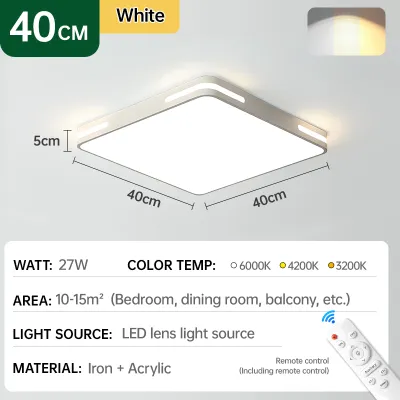
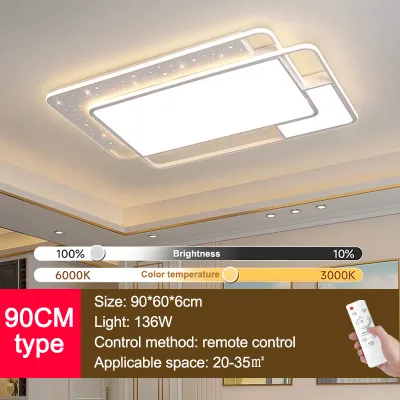
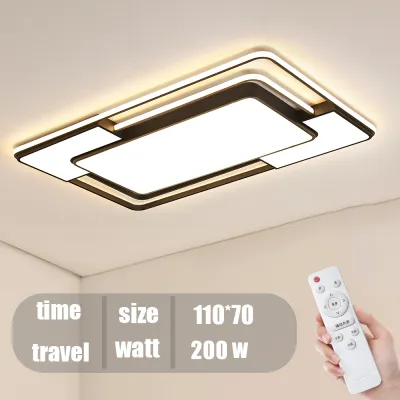
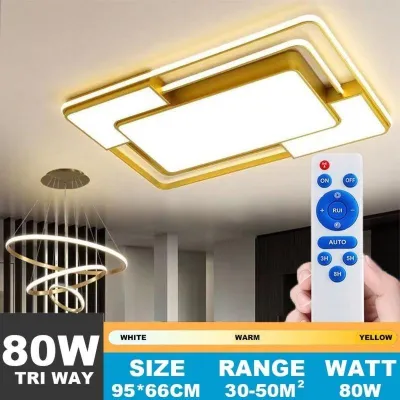
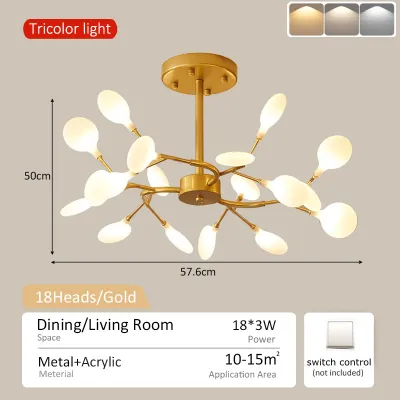
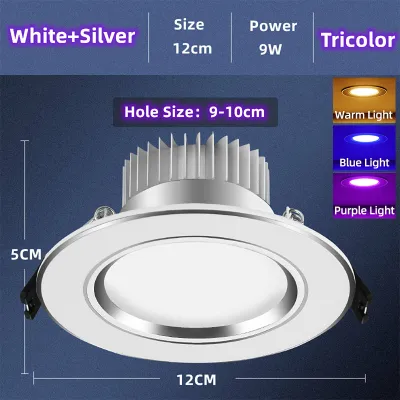
Prices are valid at publication and may change. Please refer to the product page for the latest price.

To determine the required lumens for your space, you should consider both the room’s floor area and its primary function. A basic rule of thumb is to calculate the required light output per square meter. For general ambient lighting in a standard bedroom or living room, aiming for approximately 100 to 200 lumens per square meter is usually sufficient. For task-oriented spaces, such as a home office or a kitchen where a ceiling fan is installed, you may want to increase this to 300 to 400 lumens per square meter.
Your room’s layout and ceiling height also play a significant role in how brightness is perceived. High ceilings or dark-colored walls absorb more light, meaning you will need a higher lumen output to achieve the same level of visibility. Conversely, in smaller rooms with light-colored walls, a lower lumen rating will prevent the space from feeling overly clinical or blinding.
Color Temperature (Kelvin): Setting the Right Ambiance
Color temperature, measured on the Kelvin (K) scale, dictates the visual warmth or coolness of the light emitted by your ceiling fan. This specification directly influences the mood of the room and how comfortable you feel during different times of the day. Selecting the wrong color temperature can make a cozy bedroom feel like an office, or a workspace feel too dim and unproductive.
Warm White (2700K–3000K): This range produces a soft, yellowish glow reminiscent of traditional incandescent bulbs. It is highly recommended for bedrooms, dining rooms, and living areas where you want to promote relaxation and a welcoming atmosphere in the evening.
Cool White (4000K): Offering a neutral, clean white light without blue undertones, this range is ideal for transitional spaces, home offices, and kitchens. It provides excellent clarity for reading, cooking, or working without causing eye strain.
Daylight (6000K–6500K): This range mimics natural midday sun, featuring distinct blue undertones. It is highly effective for utility rooms, laundry areas, or spaces where maximum visibility is required, though it can feel too harsh for evening relaxation.
For multi-purpose rooms, consider ceiling fans equipped with tunable or tri-color LED modules. These fixtures allow you to cycle through warm, neutral, and daylight settings using your remote control or a standard wall switch. This feature is particularly useful in Philippine households where a single living area might serve as a daytime study space and a nighttime family relaxation zone.
Color Rendering Index (CRI): Ensuring True Color Perception
The Color Rendering Index (CRI) measures how accurately a light source reveals the true colors of objects, furniture, and skin tones compared to natural sunlight. Rated on a scale from 0 to 100, a higher CRI means colors will appear more vibrant, natural, and true to life under the fan’s light. Low-CRI lighting can make vibrant home decor look dull, washed out, or unnaturally gray.
For general household areas, a CRI rating of 80 is the standard baseline for acceptable color quality. This level of performance is perfectly suitable for hallways, bedrooms, and general living spaces where precise color distinction is not critical. It ensures that your interior paint colors and furnishings look consistent and appealing under artificial light.
In specific zones, however, investing in a ceiling fan light with a CRI of 90 or higher is highly beneficial. High-CRI lighting is particularly valuable over dining tables, as it makes food look more appetizing and fresh. It is also crucial in dressing areas or walk-in closets, helping you coordinate clothing colors accurately without having to step near a window to check them in daylight.
Secondary Specifications: Dimmability, Glare, and Beam Angle
Beyond the primary metrics of brightness and color, several secondary design features dictate how comfortable and usable your ceiling fan’s light will be on a daily basis. Dimmability is a key feature to look for if you want to transition your space from bright daytime utility to soft evening relaxation. However, you must verify whether the fan’s light kit is compatible with standard wall-mounted dimmer switches, or if it relies entirely on a proprietary remote control or mobile app to adjust brightness levels.
Glare prevention is another critical factor, especially since ceiling fans are positioned directly overhead. Look for fixtures that feature high-quality diffusers, such as frosted glass, opal acrylic, or textured shades. These materials scatter the light evenly, preventing harsh, direct glare from exposed LED chips or bulbs that can cause discomfort when you are lying down on a bed or reclining on a sofa.
Finally, consider the beam angle and the physical depth of the light fixture. A wide beam angle ensures that light is distributed evenly across the entire room, reducing dark corners. If the light source is deeply recessed within the fan’s body, it may create a spotlight effect, concentrating light directly beneath the fan while leaving the perimeter of the room in shadow.
How to Verify Light Specs and Compatibility Before Purchasing
Before finalizing your purchase, always inspect the product packaging, user manual, or online specification sheet to verify that the manufacturer’s claims are certified. Look for a standardized lighting facts label, which provides verified data on lumen output, color temperature, and energy efficiency. This helps you avoid low-quality, unbranded products that often exaggerate their brightness levels or lifespan.
Electrical compatibility is paramount for safety and performance in the Philippines. Ensure the ceiling fan and its integrated light kit are rated for a 230V voltage system at 60Hz. Importing fans designed for 110V systems or 50Hz grids can lead to immediate motor damage, flickering lights, or serious electrical hazards unless paired with a heavy-duty transformer.
Lastly, examine the warranty terms and the physical design of the light source. Determine whether the fan uses an integrated LED module or standard screw-in bulb sockets (such as E27). While integrated LEDs offer a sleek, low-profile design and excellent energy efficiency, they can be difficult to replace if they fail. Standard bulb sockets allow you to easily swap out bulbs yourself, saving you from having to replace the entire light kit or hire a professional if a light burns out.
Frequently Asked Questions (FAQ)
Can I replace the LED light kit if it burns out?
Whether you can replace the light source depends entirely on the fan’s design. If your ceiling fan uses standard screw-in bulb sockets, you can easily replace the bulbs yourself without any special tools. If the fan features an integrated LED module, replacing it typically requires purchasing a matching proprietary light plate directly from the manufacturer. Always check the manufacturer’s warranty terms and the availability of replacement parts before purchasing a model with an integrated LED.
Does the ceiling fan motor cause the light to flicker?
In a well-designed ceiling fan, the motor should not cause the light to flicker. Flickering is usually caused by voltage fluctuations, loose wiring connections, or a low-quality LED driver that cannot handle the electrical noise generated by the fan motor. If you experience persistent flickering when the fan speed changes, it may indicate an electrical compatibility issue or a failing driver. For safety, isolate the power at your circuit breaker and consult a licensed electrician to inspect the wiring and connections.
Community discussion
Share your experience or ask a question. Comments are reviewed before publication.