
When shopping for a ceiling fan with an integrated light, navigating the technical specifications can feel overwhelming. To find a fixture that cools your room while providing the perfect illumination, you must look at three core metrics: lumens, color temperature, and wattage. Lumens tell you how bright the light will be, color temperature dictates the mood and color tone of the room, and wattage indicates how much electricity the fixture consumes.
In tropical climates like the Philippines, where ceiling fans are essential for managing daily humidity and maintaining airflow, selecting the right lighting specifications is doubly important. A poorly chosen light can emit excess heat or fail to illuminate a large, open-plan living space. By understanding how these three metrics interact, you can make an informed decision that balances energy efficiency, comfort, and visual appeal.
Lumens: Evaluating Actual Brightness for Your Space
Historically, many people associated brightness with wattage, assuming a higher wattage automatically meant a brighter room. With the widespread adoption of modern LED technology in ceiling fan lights, this assumption is no longer accurate. Today, lumens are the standard measurement of total visible light emitted by a source, serving as the only reliable way to evaluate actual brightness.
Products mentioned in this guide
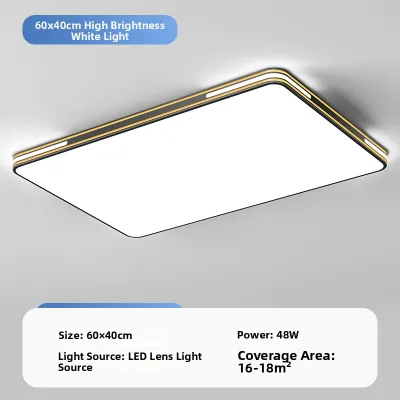
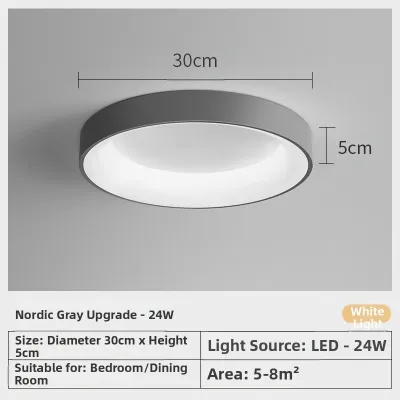
Prices are valid at publication and may change. Please refer to the product page for the latest price.
When comparing ceiling fans, you should look specifically for the lumen rating on the product specification sheet. A higher lumen count means a brighter light, regardless of how much power the fixture draws. Relying solely on the number of bulbs or the physical size of the light panel can be misleading, as highly efficient LED modules can produce substantial brightness from a compact footprint.
To determine how many lumens you need, consider the primary function of the room. A bedroom or a cozy den typically requires lower overall brightness, whereas a kitchen, home office, or open living room demands a higher lumen output to support daily tasks. Always verify the total lumen output listed by the manufacturer rather than guessing based on visual design.
Color Temperature: Setting the Right Room Ambiance
Color temperature describes the appearance of the light emitted by the fixture, measured on the Kelvin (K) scale. This metric does not refer to the physical heat of the bulb, but rather the visual warmth or coolness of the light. Lower Kelvin numbers produce a warm, yellowish glow, while higher Kelvin numbers yield a cool, bluish-white light.

Selecting the right color temperature is a matter of matching the light tone to the room’s primary activities. Warm light, typically ranging from 2700K to 3000K, creates a cozy and relaxing atmosphere, making it ideal for bedrooms and dining areas. Neutral white light, around 4000K, offers a balanced, natural appearance suitable for living rooms and general common areas. Cool white or daylight tones, ranging from 5000K to 6500K, provide high contrast and clarity, which is excellent for task-oriented spaces like home offices, kitchens, or utility rooms.
Many modern ceiling fan lights feature adjustable color temperature settings, often referred to as CCT (Correlated Color Temperature) selectable lights. These fixtures allow you to switch between warm, neutral, and cool tones using a remote control or a wall switch. This flexibility is highly beneficial in multi-purpose rooms, allowing you to transition from bright, cool light for daytime work to soft, warm light for evening relaxation.
Wattage: Managing Power Consumption and Heat
Wattage measures the electrical power consumed by a light fixture, which directly influences your energy bills and heat output. In the past, high-wattage bulbs were necessary to achieve bright spaces, but modern LED integrated ceiling fans have decoupled power consumption from brightness.
To find an energy-efficient ceiling fan light, you should evaluate its luminous efficacy, which is the ratio of lumens produced to watts consumed (lumens per watt). High-efficacy fixtures deliver maximum brightness while keeping wattage low, helping you manage household energy consumption. This efficiency is particularly valuable in warm regions where fans and lights run for extended hours, as lower wattage also translates to minimal heat generation from the light source itself.
If you choose a ceiling fan that uses replaceable bulbs rather than an integrated LED panel, always check the maximum wattage limit printed on the socket. Exceeding this limit poses a serious safety hazard, as excess heat can damage the fan’s internal wiring, melt plastic components, or even cause an electrical fire. Always verify that your chosen bulbs comply with the manufacturer’s specified wattage limits.
How to Match Light Specs to Your Room Needs
To select the ideal ceiling fan light, you must synthesize lumens, color temperature, and wattage into a single decision framework tailored to your specific environment. Begin by evaluating the physical dimensions of your room, the height of your ceiling, and the amount of natural light the space receives during the day. High ceilings or dark wall finishes may require a higher lumen output to achieve the same perceived brightness as a smaller, lighter room.
Next, align the color temperature with your daily routines to support visual comfort and natural circadian rhythms. For instance, using cool daylight tones in a bedroom late at night can disrupt sleep patterns, whereas warm tones help the body wind down. If your ceiling fan will serve as the primary light source in a multi-functional space, prioritizing a model with dimming capabilities or adjustable color temperatures is highly recommended.
Finally, before finalizing your purchase, verify all electrical and physical compatibility factors. Ensure the fan’s voltage matches your local grid (typically 220V in the Philippines) and check for necessary electrical certifications to guarantee safe operation. Because installing a ceiling fan involves fixed wiring, working at heights, and managing suspended loads, always isolate the power at the circuit breaker before installation. If you are installing the fan in a damp environment like a covered patio, verify that the fixture is damp-rated, and always consult a qualified professional to handle the wiring and mounting securely.
Frequently Asked Questions (FAQ)
Can I replace the integrated LED light in a ceiling fan?
Many modern ceiling fans feature integrated LED panels or modules rather than traditional screw-in bulb sockets. While these integrated lights offer excellent energy efficiency and a slim profile, they cannot be swapped out as easily as standard bulbs. If an integrated LED fails, you will typically need to source a specific replacement part from the manufacturer or hire a qualified professional to replace the light module. Always check the product specifications to understand whether the light source is integrated or uses standard replaceable bulbs before buying.
Does the ceiling fan motor affect the light's performance?
High-quality ceiling fans are engineered with isolated wiring and stable power delivery systems to ensure that the motor’s operation does not interfere with the light. However, if you experience flickering, dimming, or buzzing when the fan motor changes speeds, it may indicate loose electrical connections, voltage fluctuations in your home’s wiring, or severe motor vibration. If these symptoms occur, isolate the power immediately and consult a licensed electrician to inspect the wiring and ensure safe operation.
Community discussion
Share your experience or ask a question. Comments are reviewed before publication.