
When shopping for a ceiling fan with an integrated light, focusing solely on the fan’s cooling power or aesthetic design is a common oversight. The light kit is a primary illumination source that must be evaluated with the same scrutiny as the motor. In tropical climates like the Philippines, where ceiling fans run frequently to combat humidity, selecting a fixture with the right light specifications ensures your space remains both comfortably cool and perfectly lit. Balancing lumens, wattage, and color temperature prevents common issues like dim living spaces, excessive energy bills, or harsh, clinical glare.
Understanding Lumens: Matching Brightness to Your Room Size
Lumens measure the total amount of visible light emitted by a source, representing actual brightness rather than the power consumed. To determine how many lumens your ceiling fan light needs, evaluate the room’s dimensions and primary activities. For instance, a relaxing bedroom might only require around 100 to 150 lumens per square meter, whereas a task-heavy kitchen or home office often demands 300 to 400 lumens per square meter to ensure adequate visibility.
High ceilings and spacious layouts also dictate your lumen requirements. If your ceiling fan is mounted high, the light must travel further, which naturally diffuses the brightness before it reaches living areas. Additionally, pay close attention to the placement of the fan blades relative to the light source. If the light kit is positioned above the blades, it can create a distracting strobe or shadow-casting effect when the fan is spinning. In larger rooms, a single ceiling fan light may not suffice, making supplemental lighting like recessed downlights or floor lamps necessary to fill in dark corners.
Products mentioned in this guide
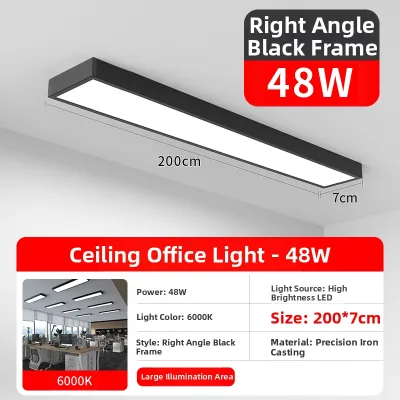
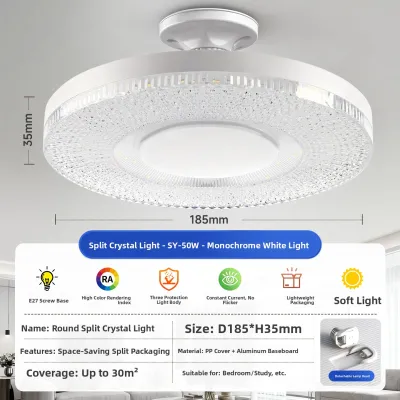
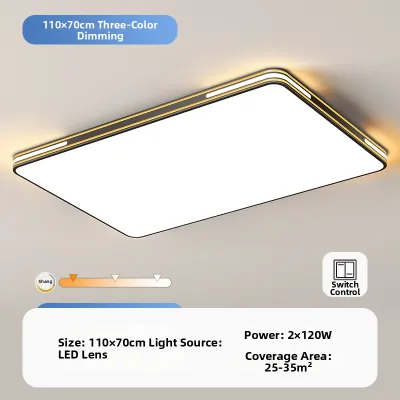
Prices are valid at publication and may change. Please refer to the product page for the latest price.
Evaluating Wattage and Energy Efficiency
Wattage measures electrical power consumption, not brightness. When evaluating ceiling fans, you will encounter two main types of light setups: fixtures with replaceable bulb sockets and those with integrated LED modules. For socket-based fixtures, the manufacturer specifies a maximum socket wattage limit that you must never exceed to prevent overheating. Conversely, integrated LED panels draw significantly less actual wattage while producing substantial light, making them highly energy-efficient.

To identify the most efficient models, calculate the fixture’s luminous efficacy by dividing the total lumen output by the wattage consumed. A higher lumens-per-watt ratio indicates a more efficient light kit that delivers bright illumination without inflating your monthly electricity bill. Furthermore, always check the combined power draw of both the fan motor and the light kit. This is especially critical if you are installing the unit on an existing circuit with strict load limits, ensuring the combined draw does not overload your home’s electrical wiring.
Choosing the Right Color Temperature (Kelvin)
Color temperature, measured on the Kelvin (K) scale, dictates the visual warmth or coolness of the light. Lower Kelvin ratings, typically between 2700K and 3000K, produce a warm, yellowish glow that mimics traditional incandescent bulbs. This warm light is ideal for creating a cozy, inviting atmosphere in bedrooms and living rooms. Neutral white light, ranging from 3500K to 4000K, offers a clean, balanced tone suitable for dining areas and general living spaces.
Cool white light, ranging from 5000K to 6500K, delivers a crisp, bluish-white illumination that enhances focus and detail. This range is highly functional for kitchens, home offices, and utility rooms where task clarity is essential. For maximum versatility, look for ceiling fans featuring adjustable or tunable white options. These models allow you to shift the color temperature throughout the day, transitioning from a bright, energizing cool white during hot afternoons to a soft, relaxing warm white in the evening.
Checking Dimmability and Smart Controls
Achieving the perfect ambiance requires understanding how the fan’s light dimming interacts with your home’s controls. A critical distinction must be made between fan-speed controls and light-dimming circuits. Attempting to control fan speed using a standard light dimmer, or vice versa, can permanently damage the motor or the light kit.
If you plan to dim your ceiling fan light, verify that both the light kit and the control switch are explicitly rated as dimmable. Using non-dimmable LED bulbs or integrated modules on a standard dimmer switch often leads to annoying buzzing sounds, rapid flickering, or premature hardware failure. Always review the product label or manual to confirm compatibility with remote controls, wall-mounted dimmers, or smart home ecosystems before finalizing your purchase.
Verifying Physical and Electrical Compatibility
Before purchasing, carefully inspect the product’s specification label to ensure it matches your home’s electrical infrastructure. In the Philippines, standard residential voltage is 220V to 240V at 60Hz; installing a fixture rated solely for 110V will cause immediate damage and safety hazards. If you plan to install the fan in a semi-outdoor area like a covered patio or balcony, verify that it has an appropriate IP (Ingress Protection) rating for damp or humid environments to prevent moisture from corroding the electrical components.
Physical safety is equally paramount. Ceiling fans with integrated lights are significantly heavier than standard light fixtures and exert dynamic forces when spinning. Ensure your ceiling electrical box is structurally supported and rated to handle the fan’s full weight. For any fixed wiring installation, work at heights, or when manufacturer instructions conflict with your existing home wiring, always isolate the power at the main circuit breaker and consult a qualified electrician to complete the installation safely.
Frequently Asked Questions (FAQ)
Can I replace the integrated LED light in a ceiling fan?
Many modern ceiling fans feature integrated LED modules rather than standard bulb sockets. These integrated panels are generally not designed to be replaced by the consumer. If the LED module fails, it may require professional repair, sourcing a proprietary replacement part from the manufacturer, or replacing the entire light kit assembly. Before buying, check the manufacturer’s warranty terms and inquire about the availability of replacement light parts to avoid future maintenance headaches.
Does the ceiling fan light affect the fan's motor performance?
In properly designed and certified ceiling fans, the light kit and the motor operate on isolated electrical circuits, meaning the light will not interfere with the fan’s speed or cooling performance. However, safety issues can arise if you use replacement bulbs that exceed the fixture’s maximum rated wattage. The excessive heat generated by overloaded bulbs can degrade the light housing, melt wire insulation, and eventually damage the motor’s internal components or shorten its lifespan.
Community discussion
Share your experience or ask a question. Comments are reviewed before publication.