
Deciding whether to install a ceiling fan with light or a regular ceiling light in your room is a balance of comfort, safety, and visual design. In a tropical climate like the Philippines, where high humidity and warm temperatures are constant companions, the appeal of a 2-in-1 fixture that cools while it illuminates is undeniable. However, making the wrong choice can lead to a cramped room, inadequate lighting, or even safety hazards.
To make the right decision, you must evaluate several factors beyond simple aesthetics. Your room’s physical dimensions, the existing electrical infrastructure, and your specific lighting needs all play a critical role. While a ceiling fan with light saves floor space and helps lower cooling costs, a standard ceiling light offers superior brightness, simpler installation, and a cleaner visual profile.
Assess Your Room's Airflow and Climate Needs
Active air circulation is a primary requirement for comfort in tropical regions. High humidity levels often make indoor air feel heavy and stagnant, even when the actual temperature is moderate. A ceiling fan addresses this by creating a continuous breeze that promotes evaporative cooling on the skin, making a room feel significantly cooler without relying solely on air conditioning.
Products mentioned in this guide
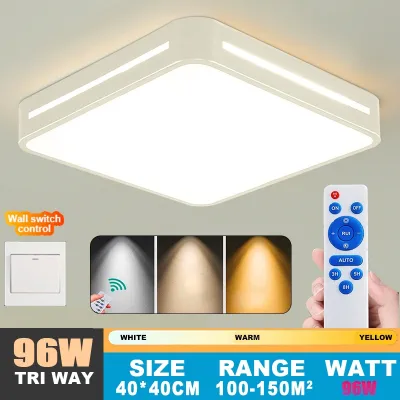
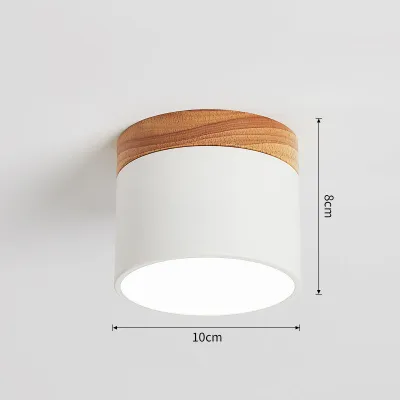
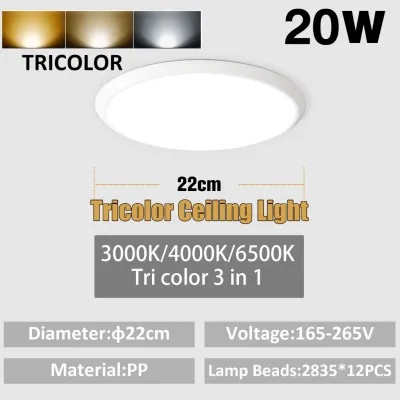

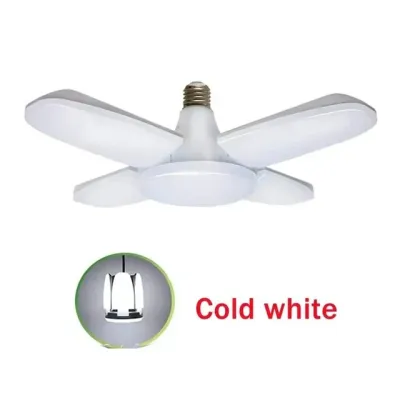
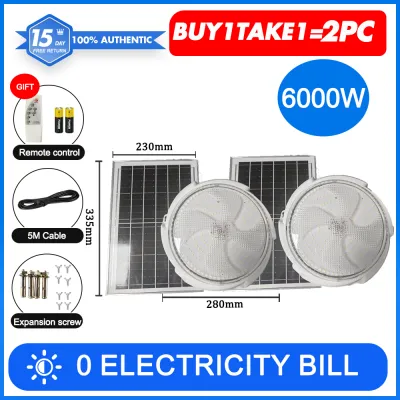

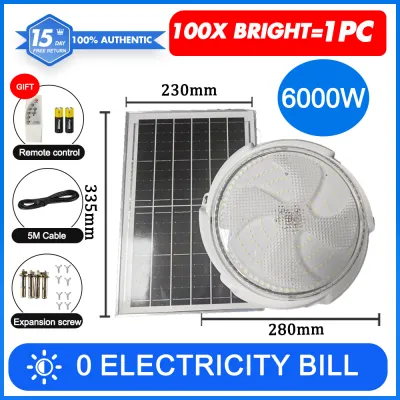
Prices are valid at publication and may change. Please refer to the product page for the latest price.
If your room already has an air conditioning unit, a ceiling fan with light serves as an excellent energy-saving partner. Instead of running the air conditioner at a low temperature setting, you can set it higher and use the ceiling fan to distribute the cool air evenly throughout the space. This cooperative setup reduces the workload on your cooling system and can lead to noticeable savings on your monthly electricity bills.
Conversely, in rooms where air conditioning is absent, a ceiling fan is often the primary defense against stifling heat. It keeps the air moving, preventing the buildup of heat pockets near the ceiling. However, you must consider the specific function of the room. In a dining room, a strong downward breeze can cool food too quickly, while in a home office, it might rustle papers and cause minor annoyances.
There are also spaces where active airflow is unnecessary or even counterproductive. Small hallways, walk-in closets, and bathrooms do not benefit from a ceiling fan. In fact, installing a fan in a high-humidity bathroom can expose the motor and blades to excessive moisture, leading to premature wear, rust, and potential electrical hazards. For these areas, a simple, moisture-resistant ceiling light is always the more practical choice.
Evaluate Ceiling Height and Space Constraints
Before purchasing a ceiling fan with light, you must measure your room’s vertical clearance. For safety, the lowest point of the fan blades must be at least 2.1 meters (7 feet) above the floor. If your ceiling is lower than 2.4 meters (8 feet), installing a standard downrod fan is highly discouraged, as it poses a physical hazard to taller occupants and makes routine tasks like changing bedsheets or moving furniture dangerous.

In rooms with low ceilings, a flush-mount or “hugger” ceiling fan with light is sometimes considered an alternative. While these models sit closer to the ceiling, they still occupy significant vertical space and can make a small room feel visually cramped. The physical bulk of a fan, with its wide blade span, can dominate the upper third of a room, creating a heavy, oppressive atmosphere.
A standard ceiling light, by contrast, has a minimal spatial footprint. Flush-mount or semi-flush-mount ceiling lights sit tight against the ceiling surface, preserving precious vertical clearance and maintaining an open, airy feel. This makes them the ideal choice for compact bedrooms, study rooms, and apartments where maximizing the perception of space is a priority.
Furthermore, you must consider the horizontal clearance around the fixture. Fan blades require at least 45 centimeters (18 inches) of clearance from any adjacent walls, doors, cabinets, or tall furniture. If a fan is installed too close to a wardrobe, the opening doors could strike the blades, or the airflow could be severely restricted, causing the fan to wobble and strain its motor.
Compare Lighting Quality and Visual Comfort
Lighting quality is often compromised when choosing a 2-in-1 ceiling fan with light. One of the most common issues is the “strobe effect,” which occurs when the fan blades rotate directly beneath or in front of the light source. This creates a rapid, flickering shadow pattern across the walls and floor, which can cause eye strain, headaches, and general discomfort during extended periods of use.
To avoid the strobe effect, many modern ceiling fans place the light kit directly below the blades. While this eliminates the flickering shadows, it can limit the spread of light. Because the light source is positioned beneath the fan assembly, it often casts a more focused, downward beam rather than distributing light evenly across the entire room. This can leave the corners of the room in shadow, requiring you to add floor or table lamps to achieve balanced ambient lighting.
A dedicated ceiling light is engineered specifically for optimal light distribution. Whether you choose a large LED panel, a flush-mount dome, or a multi-bulb fixture, these lights are designed to scatter illumination widely and evenly. They provide a high lumen output without the obstruction of moving parts, making them far superior for tasks that require clear, consistent visibility, such as reading, studying, or cooking.
If your room serves multiple purposes, such as a bedroom that doubles as a home office, the quality of light becomes even more critical. A standard ceiling light with dimming capabilities or adjustable color temperatures allows you to transition from bright, cool white light for working to warm, soft light for relaxing. Achieving this level of versatility with a ceiling fan light kit can be more challenging and expensive, as many integrated fan lights have limited bulb options or proprietary LED modules that are difficult to customize or replace.
Check Electrical and Installation Requirements
Installing a ceiling fan with light is significantly more complex than mounting a standard ceiling light. The primary concern is structural support. A regular ceiling light is lightweight and can safely hang from a standard plastic or thin metal junction box. A ceiling fan, however, is not only heavy but also subjects the ceiling structure to continuous dynamic forces and vibrations while in motion.
To safely support a ceiling fan, your ceiling must be equipped with a junction box that is explicitly rated for fan support. These boxes are constructed of heavy-duty metal or reinforced plastic and are securely anchored to the ceiling joists with a metal brace or wood blocking. Installing a ceiling fan on a standard light fixture box is a serious safety hazard, as the constant vibration can cause the box to fail, leading to the fixture falling from the ceiling.
Wiring is another critical factor to evaluate. Operating a ceiling fan with light requires independent control over the fan motor and the light kit. If your room is wired with a single wall switch, you will either need to use pull chains on the fixture to control them separately, rely on a wireless remote control, or have an electrician run additional wiring to install dual wall switches. Remote controls are convenient, but they can be misplaced, and their receivers inside the fan canopy can occasionally fail.
Because of these complexities, you should always consult a qualified electrician if you are unsure about your ceiling’s structural capacity or electrical wiring. If your existing junction box is unrated, or if you need to run new wires through your ceiling and walls, professional installation is essential to ensure compliance with local electrical codes and to guarantee the long-term safety of your home.
Decision Matrix: Which Fixture Fits Your Space?
To help you make the final choice, consider the specific conditions of your room. A ceiling fan with light is the most practical and space-saving choice when:
- Your ceiling height is 2.4 meters (8 feet) or higher, ensuring safe clearance.
- The room suffers from poor natural ventilation and requires constant air movement to combat tropical humidity.
- Floor space is limited, making a separate stand fan or tower fan impractical.
- You want to supplement your air conditioning system to improve energy efficiency.
On the other hand, a regular ceiling light is the safer, more effective, and more cost-effective option when:
- Your ceiling is low (under 2.4 meters), where a spinning fan would pose a safety hazard or feel visually oppressive.
- The room is used primarily for activities that require high-quality, shadow-free task lighting, such as a study, home office, or kitchen.
- Your existing ceiling junction box is not fan-rated, and you want to avoid the cost and hassle of structural reinforcement and rewiring.
- You prefer a minimalist, modern aesthetic with clean lines and no visual clutter.
If you decide that a regular ceiling light is best for your ceiling height and lighting needs, but you still require cooling, there are excellent alternative combinations. You can pair a high-output, flush-mount ceiling light with a separate wall-mounted fan, a quiet pedestal fan, or a compact desk fan. This approach allows you to position the light source perfectly for maximum visibility while placing the fan where it provides the most comfortable airflow, giving you the best of both worlds without compromising on safety or design.
Frequently Asked Questions (FAQ)
Can I install a ceiling fan with light on a standard light fixture junction box?
No, you should never install a ceiling fan on a standard light fixture junction box. Standard boxes are designed only to support static loads, typically up to 15 kilograms, and are not built to withstand the continuous dynamic forces and vibrations generated by a spinning fan. A ceiling fan requires a heavy-duty, fan-rated junction box that is securely anchored to the ceiling joists. Always check the manufacturer labels on your existing box, and if it is not explicitly rated for fan support, consult a qualified electrician to replace it before installation.
Do ceiling fans with lights provide enough brightness for a bedroom or study?
In many cases, the light kits integrated into ceiling fans do not provide sufficient brightness to serve as the sole light source for detailed tasks. Many fan lights use frosted glass covers, shades, or compact LED modules that diffuse the light, resulting in lower overall lumen output. While this soft, ambient illumination is often adequate for a bedroom, it can lead to eye strain in a study or home office. If you choose a ceiling fan with light for these spaces, it is highly recommended to supplement it with dedicated task lighting, such as a desk lamp or adjustable floor lamp, to ensure comfortable visibility.
Community discussion
Share your experience or ask a question. Comments are reviewed before publication.