
Choosing between a European-style table lamp for your bedside and one for your living room comes down to balancing focused task lighting with expansive ambient illumination. While a bedside lamp requires a compact footprint, glare-free shading, and lower, warmer light levels for reading, a living room lamp serves as a decorative statement piece that casts a wider, brighter glow to fill the room. Understanding these distinct roles ensures you select the right proportions, materials, and electrical specifications for each space.
By evaluating how size, brightness, and design elements function in different areas of your home, you can find a fixture that is both highly functional and aesthetically pleasing. Let us explore how to match these classic lighting designs to your specific daily needs.
Understanding the Lighting Roles: Task vs. Ambient
Bedside lighting is primarily functional and intimate. When selecting a lamp for your nightstand, the main goal is to provide adequate illumination for reading, journaling, or winding down without causing eye strain. The light must be focused downward and shielded outward to prevent disturbing a sleeping partner or creating harsh glares in a darkened room.
Products mentioned in this guide
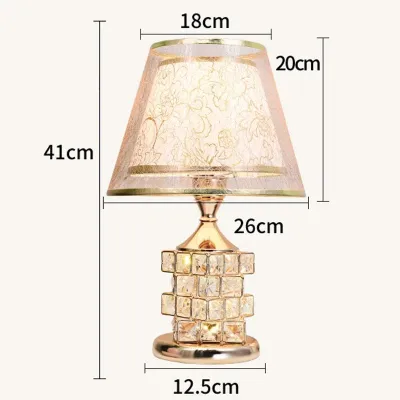
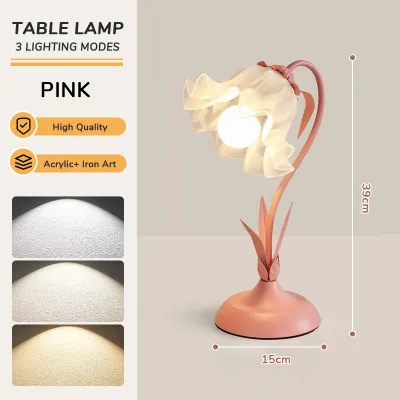
![L&H(COD)Eye protection desk lamp LED study room living room bedroom bedside European style lamp creative [Free bulb]](https://img.lazcdn.com/g/p/f53abbc3a55b85d28befccfc72ed5b3e.jpg_400x400q80.jpg_.webp)
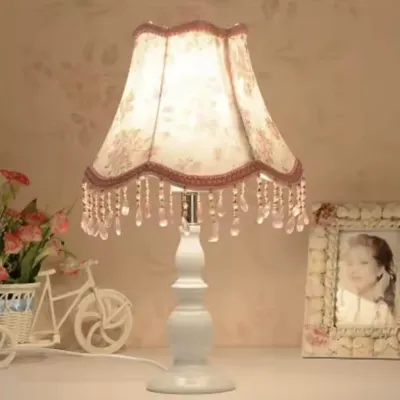
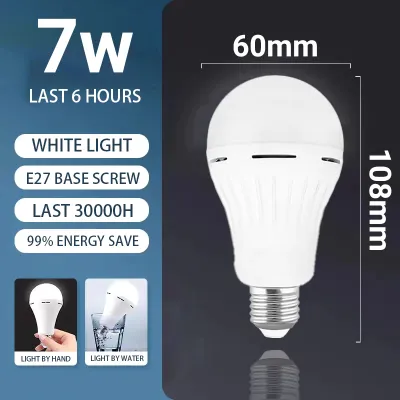
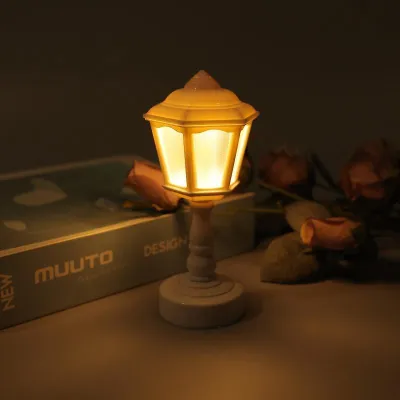
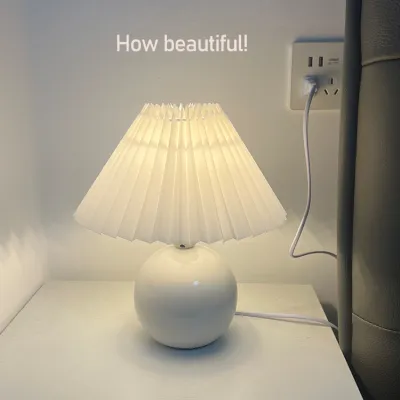
Prices are valid at publication and may change. Please refer to the product page for the latest price.
In contrast, living room lighting focuses on ambient fill and mood setting. A living room table lamp works alongside overhead fixtures to eliminate dark corners, soften shadows, and create a warm, welcoming atmosphere. Rather than concentrating light in a tight circle, a living room fixture should diffuse light outward to illuminate a larger seating area.
European design philosophies adapt beautifully to both of these roles. Traditional European styles, characterized by ornate brass bases and heavy ceramic bodies, naturally ground a living room console table. Meanwhile, modern European designs, featuring clean lines and minimalist metal frames, offer the streamlined profiles necessary for cluttered bedside tables.
Sizing and Proportions for Nightstands and Consoles
Finding the correct lamp height is essential for visual comfort. For a bedside table, the bottom of the lamp shade should align roughly with your eye level when you are sitting or reclining in bed. This placement ensures that the solid shade blocks the direct glare of the bulb while directing light onto your book or lap.

Nightstand surface area is usually limited, making the base footprint a critical factor. A bedside lamp should have a compact, stable base that leaves plenty of room for daily essentials like a phone, a glass of water, and reading glasses. A base that is too wide increases the risk of accidental bumps in the dark.
Living room consoles, side tables, and credenzas offer much more physical space, allowing for taller and wider lamp proportions. A larger lamp acts as a visual anchor in a spacious room, balancing the scale of sofas and large armchairs. However, ensure the lamp height does not block sightlines between seating areas or obstruct walkways where people pass by.
Brightness Levels, Bulb Types, and Light Quality
Bedside lamps perform best with lower lumen outputs and warm color temperatures. A soft, warm white light helps signal to your body that it is time to rest. To maximize versatility, look for lamps compatible with dimmable bulbs or those featuring built-in multi-way switches, allowing you to transition from reading brightness to a low nightlight.
Living room lamps require higher lumen levels to contribute effectively to the room’s overall layered lighting scheme. Because these lamps help illuminate social spaces, a slightly brighter, warm-to-neutral light is ideal. This level of brightness keeps the space feeling active and inviting without becoming sterile or overly clinical.
Before purchasing any European-style lamp, always verify the socket type and local bulb availability. Many European designs utilize E14 or E27 screw bases. Ensure you can easily source compatible LED bulbs locally that match the lamp’s maximum wattage limits and your home’s dimming systems.
Design Elements and Material Considerations
Classic European silhouettes often feature rich materials like antiqued brass, polished marble, hand-painted ceramic, and intricate crystal. These materials add a sense of history and sophistication to a living room, where the lamp serves as an intentional decorative focal point even when turned off.
For the bedside, material safety and ease of maintenance are top priorities. Fragile glass or delicate crystal bases can be risky on a nightstand that is frequently reached for in the dark. Instead, consider sturdy ceramic or metal bases paired with durable, easy-to-clean fabric shades.
In humid tropical environments, material choice requires extra care. Fabric shades should be made of breathable, dust-resistant materials to prevent moisture buildup and mold. Metal components should feature high-quality plating or protective lacquers to resist tarnishing over time.
Electrical Safety, Voltage, and Placement Checks
Electrical compatibility is a primary safety concern when installing imported lighting. In the Philippines, the standard residential electrical system operates at 220V at 60Hz. Always check the manufacturer’s label on your European-style lamp to ensure the internal wiring and socket are rated for this voltage, preventing short circuits or overheating.
Cord management differs significantly between the two rooms. Bedside lamps require easily accessible switches, whether located on the cord, the lamp base, or via a smart plug system. In the living room, cords must be safely routed behind heavy furniture and away from foot traffic to prevent tripping hazards.
If you discover that your chosen lamp requires a different plug type, voltage conversion, or structural rewiring to integrate with your home’s smart switches, stop immediately. Always consult a qualified electrician to handle these modifications safely and ensure compliance with local electrical codes.
Frequently Asked Questions (FAQ)
Can I use the same European table lamp for both the bedside and living room?
While some transitional designs can work in both spaces, it is rarely ideal due to scale and brightness differences. A lamp large enough to stand out in a spacious living room will likely overwhelm a bedside table, while a compact bedside reading lamp will fail to provide sufficient ambient light for a living area.
Do European-style lamps require special bulbs?
Many European-style lamps use standard E27 or E14 screw bases, which are widely available in local hardware stores. However, you must always verify the socket label to confirm the base size, maximum wattage limit, and voltage compatibility before installing a new bulb.
How do I clean delicate fabric or crystal shades?
Begin with a visual inspection to identify loose dust or debris. Use a soft, dry microfiber cloth or a clean feather duster to gently sweep the surface. For intricate crystal pieces or stubborn stains on fabric shades, stop and consult the manufacturer’s care instructions to avoid damaging the materials.
Community discussion
Share your experience or ask a question. Comments are reviewed before publication.