
A full mirror organizer cabinet is an exceptionally efficient furniture piece for compact bedrooms, especially in urban Philippine homes where floor space is at a premium. By combining a full-length dressing mirror with hidden shelving, drawers, or hanging rods, this dual-purpose unit eliminates the need for separate bulky dressers and standalone mirrors. Choosing the right cabinet requires balancing spatial constraints, tropical climate durability, and structural safety. This guide provides a comprehensive framework to help you evaluate materials, measure your space accurately, and select a secure, high-quality cabinet that enhances both the functionality and visual appeal of your bedroom.
The Space-Saving Benefits of Dual-Purpose Mirror Cabinets
Integrating a full-length mirror with concealed storage offers profound functional and visual advantages, particularly in compact rooms where every square centimeter counts. From a design perspective, large reflective surfaces are highly effective tools for visual expansion. By bouncing both natural light from windows and artificial light from ceiling fixtures, a full-length mirror brightens dark corners and creates an illusion of depth. This reflective effect tricks the eye into perceiving the room as larger than its actual size, making a small bedroom feel airy and less confining.
Beyond the visual benefits, a dual-purpose cabinet dramatically reduces the physical footprint of your furniture. In a typical bedroom layout, you might have a freestanding wardrobe, a separate vanity table, a jewelry box, and a leaning floor mirror. Each of these items occupies valuable floor space and creates a fragmented layout. A full mirror organizer cabinet consolidates these functions into a single vertical unit. By utilizing vertical wall space rather than horizontal floor space, you free up critical areas for walking paths, bedside tables, or simply a more open, uncluttered room flow.
Products mentioned in this guide
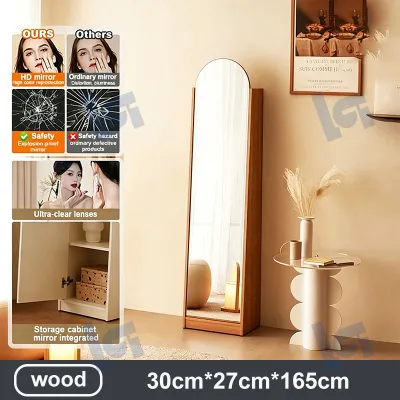
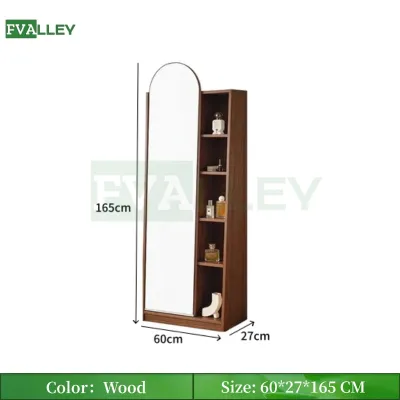
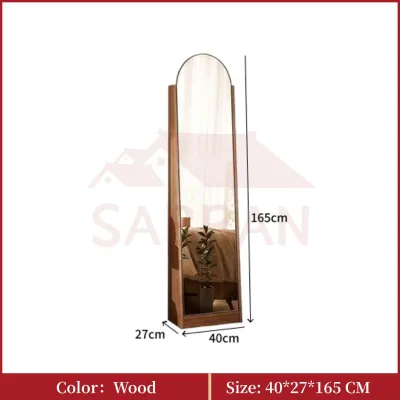
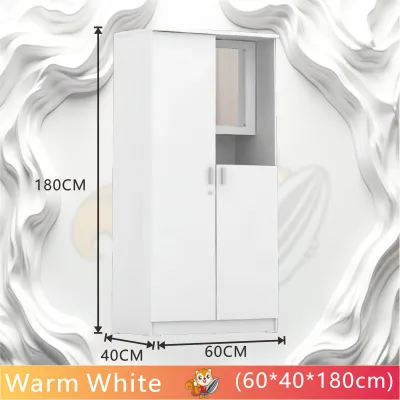
Prices are valid at publication and may change. Please refer to the product page for the latest price.
Clutter control is another major advantage of this furniture type. Visual clutter—such as scattered cosmetics, tangled jewelry, and daily accessories—can make a small room feel chaotic and even smaller than it is. A mirror organizer cabinet allows you to conceal these items behind a clean, sleek reflective facade. When the cabinet door is closed, all your personal items are neatly tucked away, leaving only a pristine mirror surface that contributes to a minimalist, organized aesthetic. This organization not only improves the room’s appearance but also streamlines your daily routine by keeping your essentials in one centralized, easily accessible location.
Measuring Your Room: Dimensions and Door Clearance
Before purchasing a full mirror organizer cabinet, precise measurements are essential to ensure the unit fits harmoniously into your bedroom layout. Start by measuring the height and width of the designated wall space. The mirror should be tall enough to allow you to view your entire figure from a comfortable standing distance, which typically requires a mirror height of at least 120 centimeters. However, you must ensure the overall cabinet height does not visually overwhelm the wall, block high-mounted windows, or interfere with wall-mounted air conditioning units, which are common in Philippine bedrooms.

Door clearance mechanics are a critical factor that dictates how usable the cabinet will be in a tight space. If you choose a cabinet with a hinged door, you must calculate the swing radius. Ensure that when the door is fully opened, it does not strike your bed, desk, or bedroom door. If your layout is exceptionally tight, a cabinet with sliding doors or a sliding mirror panel on tracks is a far more practical choice. Sliding mechanisms require zero front clearance to open, allowing you to place the cabinet close to other furniture without sacrificing access to your stored items.
Depth considerations are equally important when planning your room’s circulation path. Standard organizer cabinets range in depth from shallow jewelry cabinets (around 10 to 15 centimeters) to deeper wardrobe-style units (30 to 45 centimeters or more). While a deeper cabinet offers more internal storage capacity for folded clothes or hanging rods, it also protrudes further into the room. You must balance your storage needs with the remaining walkway space. Ideally, you should maintain a clear clearance path of at least 60 to 90 centimeters in front of the cabinet to allow for comfortable movement and easy access.
Evaluating Frame Materials and Anti-Tip Safety
The structural integrity of a full mirror organizer cabinet depends heavily on its frame materials. Engineered wood, such as Medium-Density Fiberboard (MDF) or high-density particle board, is a popular and cost-effective option that provides a smooth, uniform surface for laminates and veneers. However, because mirror glass is heavy, the engineered wood must be of high quality to prevent sagging over time. Metal alloys, such as powder-coated steel or aluminum, offer a highly durable, modern, and slim profile with excellent load-bearing capacity. Solid wood frames provide excellent longevity and classic appeal, though they are significantly heavier and require robust wall support.
Given that these cabinets are tall, narrow, and front-heavy due to the weight of the mirror glass, anti-tip safety is an absolute priority. When the cabinet door is opened, the center of gravity shifts forward, creating a severe risk of the unit tipping over. This hazard is especially critical in households with young children or pets, as well as in regions prone to seismic activity. You must verify that the cabinet includes a dedicated wall-anchoring kit, consisting of heavy-duty brackets, straps, or safety screws. Never skip the installation of these safety devices; anchoring the cabinet securely to the wall structure is a mandatory step to prevent serious accidents.
In the tropical climate of the Philippines, high relative humidity and seasonal temperature fluctuations can severely impact furniture materials. Low-quality engineered wood can absorb moisture from the air, leading to swelling, warping, and the peeling of edge bands. When selecting a cabinet, inspect the quality of the edge banding and look for protective finishes, such as water-resistant laminates or polyurethane sealants. These barriers protect the inner core of the frame from moisture penetration, ensuring the cabinet remains structurally sound and visually appealing even during the humid wet season.
Assessing Internal Layout and Mirror Glass Quality
To maximize the utility of your organizer cabinet, you must carefully evaluate its internal layout and the quality of the mirror glass. A well-designed interior should offer modularity to accommodate different types of items. Look for adjustable shelves that can be repositioned to fit tall perfume bottles or folded garments, dedicated hanging rods for scarves or ties, and built-in drawers or velvet-lined slots for delicate jewelry. This level of organization ensures that every cubic centimeter of vertical space inside the cabinet is utilized efficiently, preventing wasted space.
The quality of the mirror glass itself is paramount for both accurate reflection and long-term durability. Cheap mirrors often use low-grade glass that distorts the reflection, making it difficult to use for grooming or dressing. Furthermore, high humidity can cause standard mirrors to undergo “mirror rot,” where the silver backing oxidizes and creates unsightly black spots or peeling edges. To prevent this, look for copper-free or silver-backed glass with a protective backing paint. These materials are specifically engineered to resist moisture degradation, ensuring your mirror remains crystal clear for years to come.
Hardware durability is another critical aspect that is often overlooked. The hinges, sliding tracks, and drawer runners bear the brunt of daily wear and tear, especially when supporting a heavy mirror door. Check the load ratings and materials of these components. Look for heavy-duty, rust-resistant hardware, such as stainless steel soft-close hinges or smooth-rolling ball-bearing drawer slides. High-quality hardware not only ensures smooth, quiet operation but also prevents the mirror door from sagging or becoming misaligned over time, which could otherwise compromise both safety and functionality.
Sourcing, Delivery, and Pre-Purchase Verifications
When you are ready to purchase a full mirror organizer cabinet, navigating the sourcing and delivery process carefully will help you avoid common pitfalls. You can find these units through specialized furniture showrooms, online home decor platforms, or local custom carpenters. Custom carpenters provide the highest level of design flexibility, allowing you to specify exact dimensions, materials, and internal configurations to fit an awkward niche or corner perfectly. Online platforms offer convenience and a wide variety of styles, but require diligent reading of customer reviews and product specifications.
Delivery and assembly logistics require careful planning, particularly for heavy, fragile items like mirror cabinets. Determine whether the product is delivered as a flat-pack that requires self-assembly or as a fully assembled unit. Fully assembled cabinets are exceptionally heavy and bulky; you must measure your doorways, hallways, elevator cabins, and stairwells to ensure the delivery team can safely transport the unit to your bedroom. Additionally, clarify any associated handling or delivery fees in ₱ with the seller beforehand, as these costs can vary significantly based on your location and the accessibility of your home.
Finally, always verify the seller’s warranty and transit protection policies before finalizing your purchase. Because mirror glass is highly fragile, there is always a risk of damage during transit. Ensure the retailer provides a clear, written guarantee that covers replacement or a full refund if the mirror arrives cracked, chipped, or broken. Additionally, check for a structural warranty on the frame and hardware, which typically ranges from several months to a year, to protect your investment against manufacturing defects.
Frequently Asked Questions (FAQ)
How do I clean the mirror surface without damaging the frame?
To clean the mirror surface safely, always apply your cleaning solution to a soft microfiber cloth rather than spraying it directly onto the glass. When you spray liquid directly onto a mirror, gravity causes it to run down and pool at the bottom edge or seep into the joints between the glass and the frame. This accumulated moisture can damage the mirror’s backing, leading to silver rot, or cause wood frames to swell and warp. Wipe the glass in a gentle, circular motion, and use a dry section of the cloth to buff away any remaining streaks. Avoid using harsh abrasive cleaners, ammonia-based products, or rough paper towels, as these can scratch the glass or degrade the protective finishes on the surrounding cabinet frame.
Can I install a full mirror cabinet on a drywall partition?
Installing a heavy full mirror cabinet on a drywall partition requires careful structural consideration. Drywall alone does not possess the structural strength to support the weight of a tall, front-heavy cabinet, especially when the door is swung open. To ensure a safe installation, you must locate the wooden or metal studs behind the drywall using a stud finder and anchor your anti-tip kit or mounting brackets directly into these structural members. If a stud is not available at the exact mounting location, you must use heavy-duty toggle bolts or hollow-wall anchors specifically rated for the weight of your cabinet; never rely on standard plastic expansion plugs. If you are uncertain about the wall’s internal structure or your ability to secure the cabinet safely, stop the installation and consult a qualified local contractor or professional installer to prevent structural failure.
Community discussion
Share your experience or ask a question. Comments are reviewed before publication.