
Transforming your bedroom into a personal sanctuary often comes down to how you manage light. A galaxy night lamp for bedroom galaxy setups offers a unique way to introduce soft, ambient illumination that mimics a starry night sky. However, choosing the right model requires looking beyond the beautiful online photos. To find a lamp that truly enhances your space, you must evaluate how its projection coverage, brightness controls, noise levels, and safety features align with your specific sleeping habits and room layout.
In the Philippines, where urban bedrooms and cozy condo units often double as work-from-home spaces, managing the transition from a busy day to a restful night is essential. High humidity and warm tropical evenings mean your bedroom should feel like a cool, dark oasis. A galaxy projector can help establish this relaxing atmosphere, but only if it functions quietly and dims sufficiently to let you sleep. By focusing on practical specifications rather than flashy marketing, you can select a device that serves as both a stunning visual accent and a practical sleep aid.
Understanding Bedroom Lighting Needs for Galaxy Projectors
Before browsing online marketplaces, clarify how you intend to use the galaxy lamp. If your primary goal is a sleep aid, you will need a device that offers static, low-brightness settings with minimal movement. Dynamic, fast-rotating, and highly colorful projections are excellent for evening relaxation or casual gatherings, but they can easily overstimulate your brain when you are trying to wind down for the night.
Products mentioned in this guide
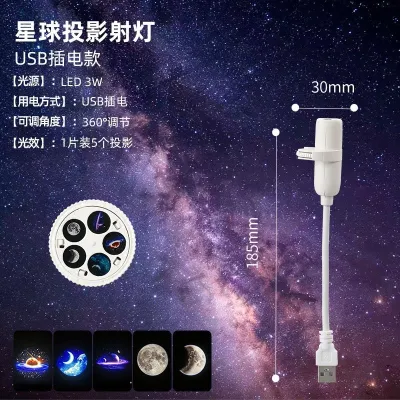
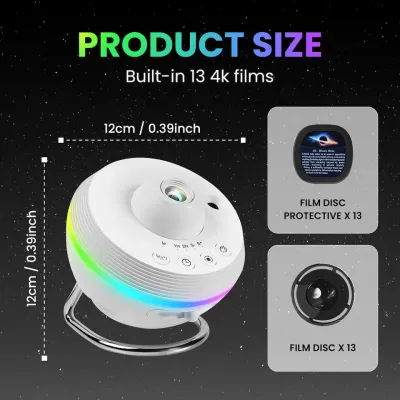
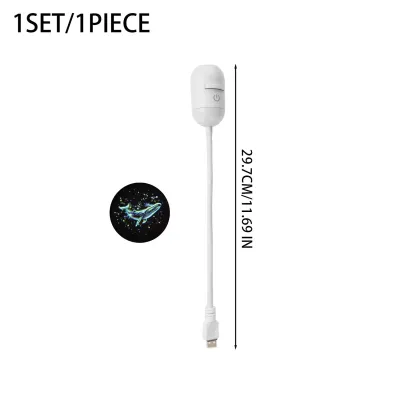
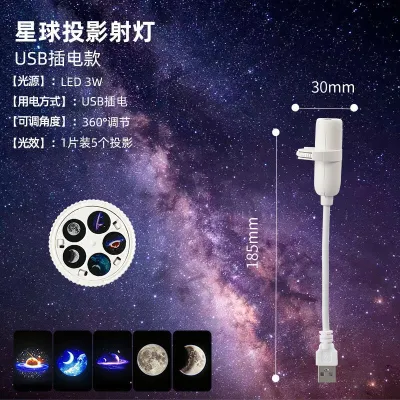
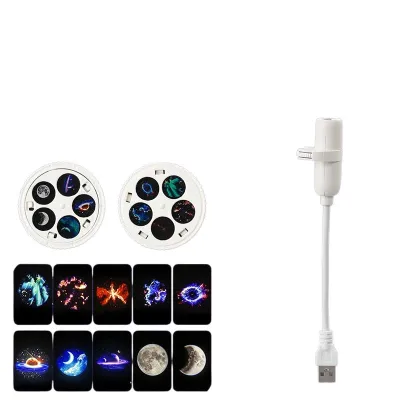
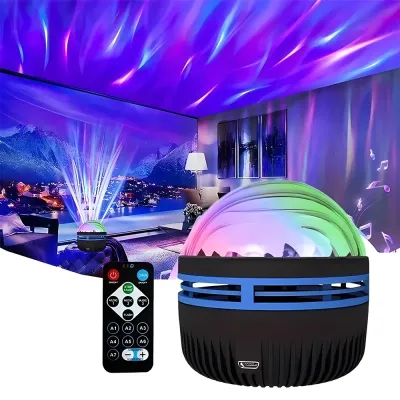
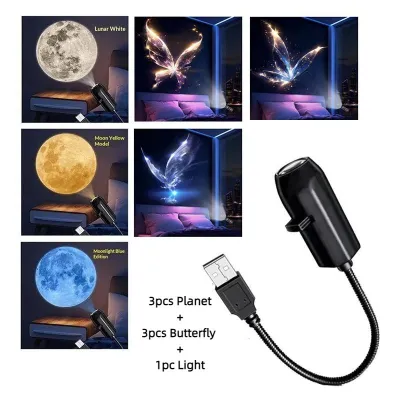
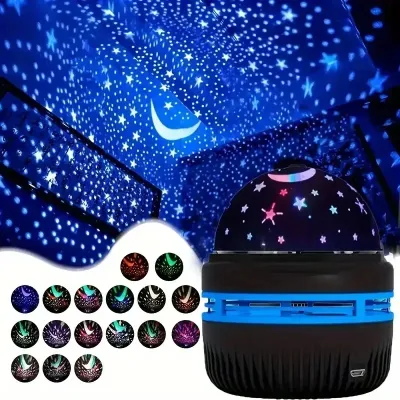
Prices are valid at publication and may change. Please refer to the product page for the latest price.
Your bedroom’s physical layout also dictates the type of projector you should buy. Take note of your ceiling height, wall colors, and overall room dimensions. Light-colored walls and ceilings reflect projections beautifully, whereas dark paint or heavily textured surfaces may absorb the light, requiring a lamp with a slightly stronger output or adjustable focus.
Consider where the lamp will physically sit in your room. Placing a projector on a bedside table requires a compact design that does not crowd your phone charger or water glass. If you plan to position it on a high shelf or the floor to maximize ceiling coverage, you must ensure the power cord is long enough to reach your outlet safely without stretching across walkways.
Evaluating Projection Coverage and Visual Clarity
A common disappointment with entry-level galaxy lamps is a blurry, distorted image that looks more like a smudge than a starry sky. To avoid this, look for models that feature an adjustable manual focus ring or dial. This allows you to fine-tune the lens clarity based on the exact distance between the lamp and your ceiling, ensuring sharp stars and distinct nebula clouds.

The throw ratio and coverage angle determine how much of your room is filled with light. A wide-angle lens can project across an entire ceiling even when placed on a low bedside table, while a narrow lens might only create a small circle of light directly above the unit. Check the manufacturer’s specifications for the recommended projection distance to ensure the light reaches the edges of your ceiling without severe stretching or distortion at the borders.
You will also need to choose between static projections and rotating modes. While a slowly drifting nebula can feel incredibly immersive, the internal motors required for rotation can introduce subtle mechanical vibrations. If you are highly sensitive to sound while sleeping, a static projection mode is often the more reliable choice for a peaceful environment.
Managing Brightness, Colors, and Sleep-Friendly Modes
Effective sleep hygiene relies on darkness, meaning your galaxy lamp must not double as a bright work light. Look for a projector that features stepless dimming or at least three distinct brightness levels. A dedicated low-lumen night mode is highly beneficial, allowing you to enjoy a faint, soothing glow that does not strain your eyes or disrupt your body’s natural melatonin production.
Color selection plays a significant role in how your body prepares for rest. While cool blues and vibrant greens look spectacular, warm tones like amber, soft orange, or red-shifted palettes are far better suited for pre-sleep relaxation. These warmer wavelengths are less likely to interfere with your sleep cycles, making them ideal for the hour before you close your eyes.
Many galaxy lamps combine two distinct light sources: a colorful LED nebula cloud and a green or red laser star grid. Ensure the model you choose allows you to control these elements independently. Being able to turn off a flashing laser grid while leaving a soft, static LED cloud active gives you the flexibility to customize the environment to your exact comfort level.
Checking Timer Settings and Noise Levels
Leaving a projector running all night is rarely necessary and can lead to unnecessary power consumption. Look for a galaxy lamp equipped with an auto-shutoff timer. Common increments include 45-minute, 90-minute, or two-hour settings, which provide ample time for you to drift off to sleep before the device automatically powers down.
Because these lamps operate in a quiet bedroom, mechanical noise can quickly become a nuisance. Even a faint hum from a cheap rotation motor or an internal cooling fan can disrupt light sleepers. Check the product specifications for decibel ratings, aiming for devices that operate below 30 decibels, and read user feedback specifically focusing on motor hum or clicking sounds over time.
Convenience is another critical factor when you are already warm and comfortable under your sheets. A remote control or a dedicated smartphone app allows you to adjust the brightness, change color modes, or set the timer without having to get out of bed. This prevents you from waking yourself up right when you are on the verge of falling asleep.
Power, Safety, and Placement Considerations
When purchasing electrical appliances online, safety should always be your top priority. In the Philippines, standard household electricity runs at 220V at 60Hz. Ensure the galaxy lamp you select is compatible with this voltage or comes with a certified USB power adapter that safely steps down the voltage. Using an incompatible plug or adapter can lead to short circuits or damage the internal electronics of your lamp.
The physical setup of the lamp requires careful planning to avoid hazards. Measure the distance from your desired placement spot to the nearest wall outlet. A cable that is too short can create a dangerous tripping hazard if stretched tight across a room, while a loose, dangling cord might be easily snagged by pets or children.
Stability is equally important, especially if the lamp is placed on a narrow shelf, a high headboard, or a bedside table. Look for models with a wide, weighted base or non-slip rubber feet to prevent the unit from tipping over. Because these devices contain delicate lenses and light-emitting diodes, a single fall can easily crack the casing or misalign the internal projection components.
Finally, check for basic electrical safety certifications on the product packaging or manual. Because galaxy lamps often run for hours at a time, they can generate heat. Ensure the device features adequate ventilation slots and is made of flame-retardant materials. If the unit feels excessively hot to the touch after an hour of use, turn it off, unplug it, and consult the manufacturer’s guidelines to prevent any potential safety risks.
Frequently Asked Questions (FAQ)
Can I leave a galaxy night lamp on all night?
While many modern galaxy lamps are designed to handle extended use, leaving them on all night is generally not recommended. Continuous operation can accelerate the wear and tear on the internal LEDs and laser diodes, shortening the overall lifespan of the device. Additionally, even dim light can disrupt your deep sleep cycles, so utilizing the built-in auto-shutoff timer is the best practice for both energy efficiency and sleep quality.
Do galaxy projectors work well in rooms with ambient street light?
Galaxy projectors rely on high contrast to create vivid star and nebula effects, meaning they perform best in completely dark rooms. If your bedroom receives significant ambient light from streetlights or passing cars, the projection may appear washed out and lose its depth. To maximize the visual impact of your lamp, consider installing blackout curtains or blinds to block out external light pollution.
Community discussion
Share your experience or ask a question. Comments are reviewed before publication.