
Large, strategically placed mirrors with minimal frames—such as those produced by Mandaue’s renowned local manufacturers—are the most effective tools for making compact spaces feel larger. They achieve this by bouncing light, creating the illusion of depth, and breaking up rigid visual boundaries. By understanding how to select and position these functional design pieces, you can easily transform a cramped condo or a small room into an open, airy sanctuary.
The Visual Impact of Mirrors in Compact Rooms
Mirrors are not merely decorative accessories; they function as dynamic architectural tools capable of altering the spatial dynamics of any compact room. In tight layouts, the primary design challenges are usually a lack of visual depth and limited light distribution. A high-quality mirror addresses both issues simultaneously by acting as an artificial window that reflects light and views.
By reflecting both natural sunlight from windows and artificial light from lamps, a mirror illuminates dark corners that would otherwise make a room feel closed-in. This increased brightness instantly makes the environment feel more open and welcoming. Furthermore, the reflective surface creates a virtual extension of the room, tricking the human eye into perceiving a physical boundary that lies far beyond the actual wall.
Products mentioned in this guide
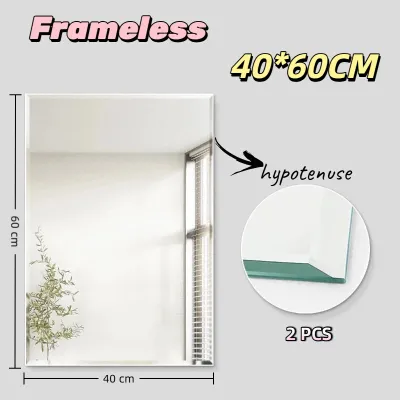
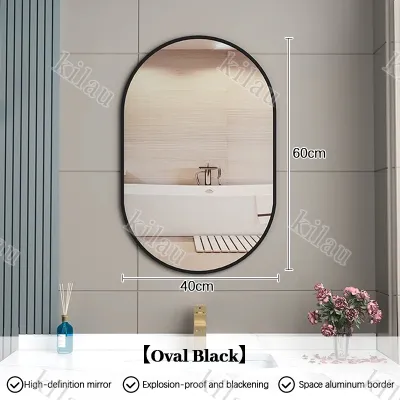
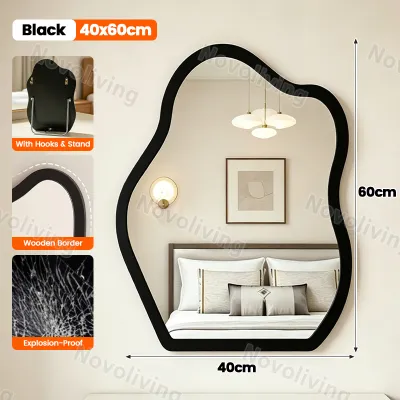
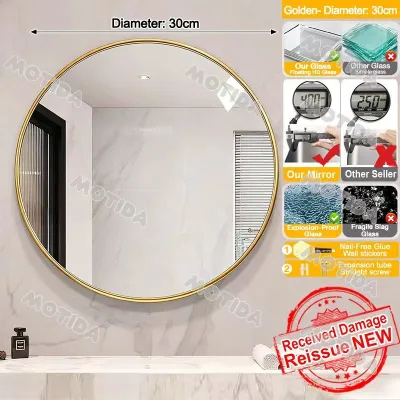
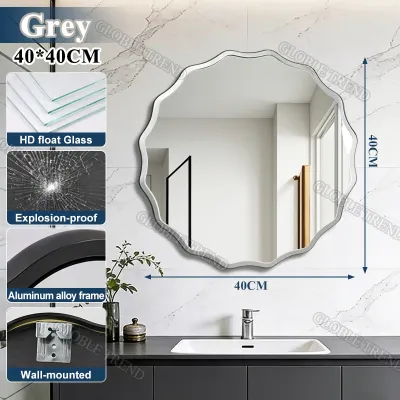
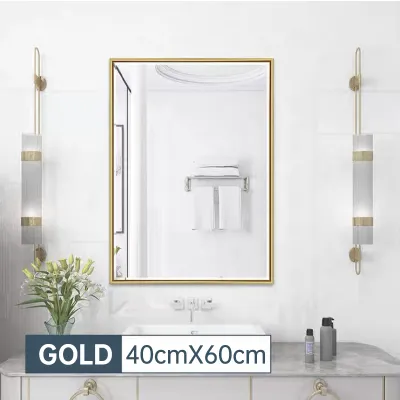
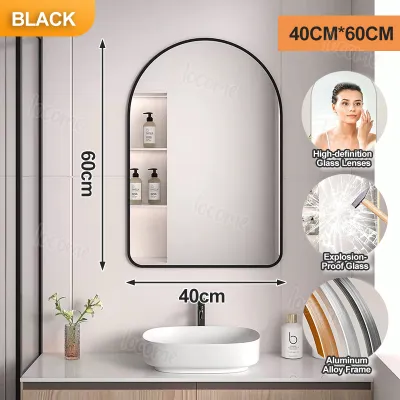
Prices are valid at publication and may change. Please refer to the product page for the latest price.
To achieve this effect, you must treat the mirror as a structural element rather than an afterthought. When you position a mirror to reflect an open view or an attractive design feature, you effectively double the visual footprint of that area. This simple optical illusion breaks down the restrictive feeling of solid walls, making it an essential strategy for small-space living.
Selecting the Right Mirror Size and Proportion
Large-Scale vs. Gallery Walls
An oversized statement mirror is almost always superior to a gallery wall of smaller mirrors when the goal is to make a room feel larger. Gallery walls introduce numerous frames and gaps that fragment the wall surface. This fragmentation creates visual clutter, which can make a small room feel even more confined and busy. In contrast, a single, expansive sheet of reflective glass provides an uninterrupted view, maximizing the illusion of an open floor plan.

Proportion Rules
To maintain balance, a wall-mounted mirror should scale harmoniously with the furniture beneath it. If you are hanging a mirror above a console table, sofa, or sideboard, aim for a width that is roughly two-thirds to three-quarters of the furniture’s total width. A mirror that matches the exact width of the furniture can look blocky, while one that is wider will feel top-heavy and unstable. Keeping the mirror slightly narrower than the furniture creates a balanced, anchored look.
Common Sizing Mistakes
The most frequent error in compact spaces is playing it too safe by purchasing a mirror that is too small. A small mirror on a large, blank wall acts like a tiny window, emphasizing the vastness of the empty wall and making the room feel disjointed. If you cannot accommodate a massive wall-mounted mirror, opt for a tall floor-leaning mirror that covers a significant portion of the vertical plane instead.
Measuring for Fit
Before purchasing or commissioning a mirror, precise measurements are essential. Measure the total height and width of the target wall, accounting for baseboards, crown molding, light switches, electrical outlets, and the swing radius of adjacent doors. If you are placing a mirror in a narrow hallway, ensure there is enough clearance so that passersby do not accidentally bump into the frame, leaving at least a few inches of breathing room on all sides.
Frame Types and Shapes That Maximize Space
Frameless and Thin-Frame Designs
Minimalist frames are highly effective in small spaces because they minimize visual weight. Frameless mirrors with polished or beveled edges are particularly excellent; they allow the reflection to bleed right to the edge of the glass, creating a seamless transition that blends into the surrounding wall. Beveled edges add a touch of elegance by refracting light like a prism without requiring a bulky frame.
If you prefer a framed look, thin metal frames—such as those crafted from brushed nickel, matte black steel, or champagne gold—provide clean structural lines. These thin profiles define the mirror’s shape without dominating the wall or absorbing light. They offer a modern, tailored aesthetic that keeps the focus entirely on the expansive reflection.
Conversely, you should avoid heavy, deeply carved, or dark wooden frames in compact rooms. While beautiful in spacious rustic or traditional settings, these thick frames act as heavy visual anchors. They draw the eye to the physical limits of the mirror, emphasizing the wall’s boundaries rather than dissolving them.
Arched, Round, and Rectangular Shapes
Arched and Tall Rectangular Mirrors Vertical lines are incredibly powerful in rooms with low ceilings, a common feature in many modern Philippine condominiums. A tall rectangular or arched mirror draws the eye upward, emphasizing vertical space and making the ceiling feel significantly higher than it actually is. Arched mirrors, in particular, mimic the shape of classical windows, adding an architectural element that suggests an opening to the outside world.
Round and Oval Mirrors Most compact rooms are inherently boxy, dominated by the sharp, rigid angles of square walls, rectangular doors, and blocky furniture. Introducing a round or oval mirror breaks up these harsh lines. The soft, curved edges relax the visual flow of the room, making the layout feel more organic, less restrictive, and highly sophisticated.
Wide Horizontal Mirrors If you want to make a narrow room, such as a galley kitchen or a tight dining alcove, feel wider, a horizontally oriented mirror is the ideal choice. Placing a wide rectangular mirror above a low-profile sofa or dining bench stretches the visual width of the wall, making the entire seating area feel spacious and airy.
Strategic Placement and Safe Installation
To maximize brightness, position your mirror directly opposite or adjacent to a window. This allows the glass to capture incoming natural light and bounce it deep into the room. If natural light is limited, position the mirror to reflect a beautiful light fixture, such as a stylish pendant or chandelier. In narrow hallways, placing a mirror at the very end of the corridor creates a vanishing point that visually doubles the length of the passage.
Layering mirrors behind furniture is another classic interior design technique. Placing a large, floor-leaning mirror behind a dining table or a console table creates a sense of depth, making the furniture feel as though it is floating in a much larger space. This layering effect breaks the flat plane of the wall and adds sophisticated dimension to the room.
However, hanging heavy glass requires careful structural planning. Before drilling, you must identify your wall type. In the Philippines, residential walls are typically constructed from solid concrete, concrete hollow blocks (CHB), or lightweight drywall partitions. Each material demands specific hardware to ensure the installation remains secure over time.
For solid concrete or hollow block walls, you must use a masonry drill bit and heavy-duty plastic expansion plugs or masonry sleeve anchors. Drywall partitions, on the other hand, require locating the wooden or metal studs using a stud finder, or utilizing heavy-duty toggle bolts if mounting directly to the gypsum board.
Safety Warning: If your mirror features integrated LED backlighting (fixed wiring), is being installed in a damp environment like a bathroom, requires working at a height, or involves a heavy suspended load, always isolate the electrical power before starting, follow the manufacturer’s instructions, and hire a qualified professional. Oversized, heavy, or high-placed mirrors should always be installed by professional handymen to prevent catastrophic structural failure, wall damage, or personal injury.
Customizing Your Mirror with Mandaue Manufacturers
Sourcing your mirror from Mandaue’s renowned local furniture and decor manufacturers offers a distinct advantage over mass-produced, off-the-shelf options. Mandaue City, Cebu, is celebrated globally for its rich heritage of craftsmanship, woodcarving, and metal fabrication. By working directly with a Mandaue manufacturer, you can customize every dimension of your mirror to fit the exact proportions of your compact space.
When placing a custom order, pay close attention to the technical specifications. Request a glass thickness of at least 5mm or 6mm, especially for large-format or floor-leaning mirrors. Thinner glass is prone to flexing, which creates a distorted reflection that ruins the illusion of space. You should also specify your preferred edge finishing, such as a clean flat polish for modern spaces or an elegant bevel for a classic touch, and ensure the manufacturer integrates heavy-duty hanging hardware, such as a French cleat system, directly onto the backing.
Additionally, the tropical climate of the Philippines presents unique challenges for mirror longevity. High humidity can cause moisture to seep behind the glass, leading to black edge or despoilment of the reflective silver backing. To prevent this, explicitly request moisture-resistant backing (such as copper-free silver glass) and sealed edges from your Mandaue supplier, ensuring your custom investment remains pristine for years to come.
Frequently Asked Questions (FAQ)
How high should I hang a mirror in a small room?
As a general rule, the center of a wall-mounted mirror should hang at eye level, which is approximately 57 to 60 inches (145 to 152 cm) from the floor. If you are hanging the mirror above a piece of furniture, such as a console table or a sofa, leave a gap of 4 to 6 inches (10 to 15 cm) between the bottom of the mirror frame and the top of the furniture. This gap prevents the arrangement from looking cramped while keeping the mirror low enough to reflect the room’s main living area rather than just the ceiling.
What is the best way to clean large mirrors without leaving streaks?
To keep large reflective surfaces crystal clear, avoid spraying liquid cleaners directly onto the mirror. Instead, spray a high-quality microfiber cloth with a mild glass cleaner or a homemade solution of equal parts white vinegar and distilled water. Wipe the mirror in a tight, overlapping Z-pattern from top to bottom. Spraying the cloth instead of the glass prevents liquid from running down into the frame or pooling at the bottom edge, which can seep behind the glass and permanently damage the silver backing.
Can I mount a heavy oversized mirror on a hollow block or drywall partition?
Yes, but you must use the correct specialized hardware. Drywall partitions cannot support the weight of a heavy mirror with standard nails or light screws; you must anchor the mounting brackets directly into the wall studs or use heavy-duty toggle bolts rated for the mirror’s weight. For concrete hollow blocks (CHB), standard plastic plugs may slip, so you should use dedicated masonry expansion anchors or sleeve bolts. If the mirror is exceptionally heavy or if you are unsure of your wall’s load-bearing capacity, always consult a professional installer to ensure a safe, secure mount.
Community discussion
Share your experience or ask a question. Comments are reviewed before publication.