
Choosing the right modern indoor wall lamp depends entirely on the physical and functional demands of the space it occupies. In a hallway, a wall lamp serves as a safety guide, requiring wide, even, and glare-free illumination that keeps walkways clear and visible. At the bedside, the same category of fixture must shift its role to personal comfort, offering focused, low-glare task lighting for reading alongside a soft, dimmable glow that prepares the mind for sleep. Balancing these distinct needs requires looking beyond mere aesthetics to evaluate physical dimensions, light distribution, control mechanisms, and material durability.
By understanding how these environments differ, you can select fixtures that not only complement your interior design but also perform reliably over time. Whether you are updating a single reading nook or outfitting an entire corridor, focusing on location-specific features ensures your lighting investment delivers both safety and comfort.
Brightness and Light Distribution: Safety vs. Relaxation
Hallways are high-traffic transit zones that require consistent, uniform light distribution to eliminate dark corners and prevent tripping hazards. For these areas, look for modern wall sconces designed with diffused or multi-directional covers, such as frosted glass or fabric shades, which scatter light evenly across the floor and walls. This wide beam spread helps visually expand narrow corridors while minimizing harsh shadows. When reviewing product specifications, check the lumen output on the packaging; a moderate brightness level is usually sufficient to guide footsteps without causing discomfort when stepping out of a dark room.
Products mentioned in this guide
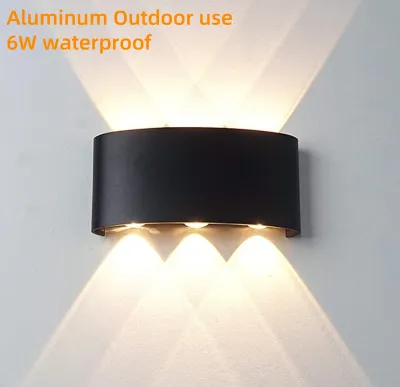
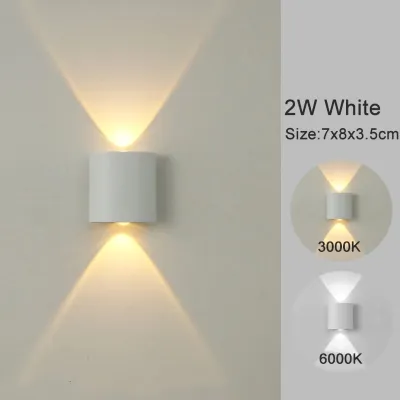

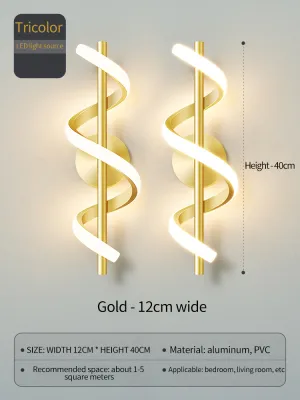
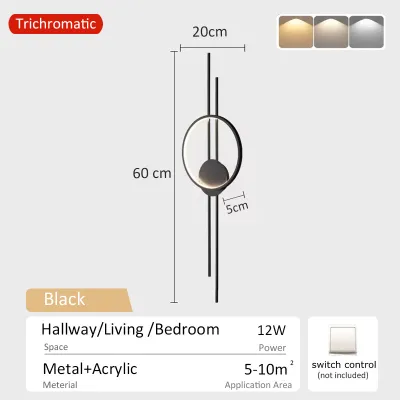

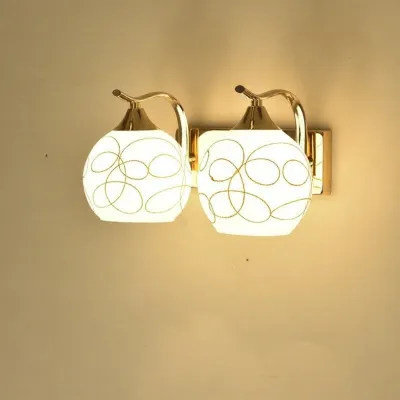
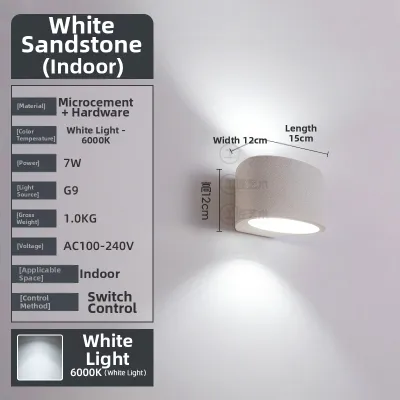
Prices are valid at publication and may change. Please refer to the product page for the latest price.
Bedside lighting, conversely, demands a highly controlled and adaptable approach to light distribution. A successful bedside setup often combines a soft, low-lumen ambient glow for winding down with a dedicated, narrow-beam task light for reading. Many modern bedside fixtures feature dual-source designs, incorporating an integrated, adjustable gooseneck or swiveling spotlight alongside a larger backlit panel. This allows you to direct a concentrated beam of light onto your book without spilling bright light across the bed and disturbing a sleeping partner.
To match these distinct spatial needs, always verify the compatible bulb types, base interfaces, and maximum wattage limits listed on the fixture’s product label. Opt for fixtures that allow you to customize the light source, keeping in mind that lower lumen outputs and warmer color temperatures are generally preferred for relaxation, while slightly higher outputs with excellent diffusion are ideal for safe navigation.
Sizing and Placement: Clearances and Ergonomics
Physical dimensions and mounting clearances are critical when installing wall lamps in narrow transit spaces. In hallways, fixtures must maintain a slim profile to prevent residents and guests from accidentally bumping into them. Look for “low-profile” or “flush-mount” modern sconces that protrude minimally from the wall surface. When planning your layout, measure the clear width of your corridor and ensure the chosen fixture leaves ample room for comfortable passage, especially when carrying laundry baskets or moving furniture.

Bedside ergonomics require a completely different set of measurements based on furniture proportions and human scale. The scale of your wall lamp should harmonize with the height of your headboard and the width of your nightstands. Ideally, a bedside sconce should be mounted at a height that allows you to easily reach the physical switch while sitting up in bed. The bottom of the shade should sit approximately at your shoulder level when seated, ensuring the bulb remains shielded from direct line of sight to prevent uncomfortable glare while you read.
Before finalizing any placement, it is essential to assess your wall structure and the location of existing junction boxes. Modern fixtures vary in weight, and heavier metal or glass designs require secure anchoring into wall studs or appropriate drywall anchors. If you are retrofitting fixtures without opening the walls, consider plug-in sconces with decorative cord covers, ensuring the cord path does not interfere with bedside tables or create a tripping hazard near the bed.
Aesthetics and Finishes: Matching Your Interior Style
A hallway wall lamp acts as a visual bridge, connecting different rooms and unifying the overall design theme of your home. Because corridors are transitional spaces, the materials and finishes of your sconces should echo the architectural details of adjacent areas, such as door hardware, cabinet pulls, or nearby picture frames. Matte black, brushed brass, or satin nickel finishes are popular modern choices that provide a clean, cohesive look throughout a home’s layout.
In the bedroom, the wall lamp serves as an intimate focal point that should complement your personal sanctuary’s decor. Bedside fixtures offer an opportunity to play with more expressive modern designs, such as minimalist geometric shapes, organic ceramic textures, or warm wood accents. The finish should coordinate with your nightstand material, bedding textures, and wall color to create a soothing, clutter-free environment that promotes rest.
When selecting finishes, keep your local environment in mind, particularly in tropical climates where high humidity can accelerate wear. Whether you are budgeting ₱1,500 or ₱5,000 per fixture, selecting finishes that resist humidity is crucial. In humid regions, look for fixtures with durable powder-coated finishes, treated brass, or high-quality anodized aluminum, which offer better resistance to moisture and corrosion than untreated metals. Frosted glass and acrylic diffusers are also excellent choices for both locations, as they are easy to wipe clean and do not degrade when exposed to ambient moisture.
Controls and Smart Features: Convenience by Location
The utility of a modern wall lamp is heavily defined by how easily you can control it in daily use. For hallways, convenience means hands-free operation and automated pathways. Integrating motion-sensor wall lamps or connecting your fixtures to smart home systems allows the lights to activate automatically when someone enters the corridor at night. Alternatively, wiring hallway lights to two-way or three-way switches at both ends of the passage ensures you never have to navigate a dark corridor to turn off a switch.
At the bedside, control must be highly localized and whisper-quiet. Look for fixtures featuring independent on/off switches built directly into the base of the lamp, allowing you to operate the light without reaching for a wall switch or a phone app. Advanced modern bedside lamps often include stepless dimming capabilities, touch-sensitive controls, or integrated USB charging ports. These features allow you to transition smoothly from a bright reading light to a faint nightlight with a simple touch, minimizing disruption to your sleep cycle.
Before purchasing advanced dimmable or smart fixtures, verify whether your existing home wiring supports these technologies. Standard dimmer switches require compatible dimmable LED bulbs, and some smart modules may require a neutral wire inside the junction box. If you are planning to modify your circuits or install complex dimming systems, always consult a qualified electrician to ensure compatibility and safety.
Electrical Safety and Installation Requirements
Regardless of where you choose to install your modern wall lamps, adhering to strict electrical safety standards is paramount. Before beginning any installation, replacement, or maintenance work, always turn off the main power supply at the circuit breaker panel. Use a reliable voltage tester to confirm the wires are completely de-energized before touching them, and verify that the local household voltage matches the rated voltage specified on the fixture’s label.
While basic plug-in sconces can be mounted easily by homeowners, fixed-wiring installations require careful handling. Working with live electrical circuits, mounting fixtures at high reaches in stairwells, or installing lights in damp-prone areas near bathrooms requires professional expertise. To ensure structural stability and prevent electrical hazards, hire a qualified electrician to handle the wiring, secure the junction boxes, and verify proper grounding.
Finally, always inspect your chosen fixtures for recognized national or international electrical safety certification marks before installation. Review the manufacturer’s installation manual thoroughly to understand specific clearance requirements, maximum bulb wattages, and weight limits. Taking these precautions ensures your modern wall lamps provide safe, reliable, and beautiful illumination for years to come.
Frequently Asked Questions (FAQ)
Can I use the exact same wall lamp model for both the hallway and bedside?
Yes, you can use the same fixture model in both locations, but you may need to customize the setup to suit each space’s functional demands. For example, if you choose a minimalist modern sconce, you can install a lower-wattage, warm-toned bulb in the bedside version for a relaxing glow, while using a brighter, neutral-toned bulb in the hallway for safety. Alternatively, selecting a model that offers both an adjustable reading spotlight and a diffused ambient light can bridge the gap, providing the versatility needed for the bedroom while maintaining visual consistency in your corridors.
What type of bulb is best for a bedside wall sconce?
An ideal bulb for a bedside wall sconce is a dimmable LED bulb with a warm color temperature, typically between 2200K and 2700K, which mimics the soft glow of sunset and supports natural sleep cycles. Look for bulbs with a high Color Rendering Index (CRI) of 90 or above to ensure comfortable reading without eye strain. Always check the fixture’s product label to verify the maximum wattage limit and compatible base type, such as E27 or GU10, before purchasing your bulbs.
Community discussion
Share your experience or ask a question. Comments are reviewed before publication.