
Choosing a rechargeable wall lamp for a small condo bedroom in the Philippines requires balancing physical space limits, battery performance, and ambient light quality. Because typical metropolitan condos have compact layouts, traditional bedside tables often crowd the floor plan, making wall-mounted, cordless fixtures an excellent space-saving alternative.
By eliminating the need for nearby electrical outlets or messy trailing cords, rechargeable models offer unmatched placement flexibility. However, selecting the right fixture involves verifying physical dimensions, mounting compatibility, and battery runtimes to ensure the lamp serves your daily routine without becoming a maintenance hassle.
In tropical climates where humidity can affect adhesive backings, and where concrete walls are standard in high-rise developments, understanding these technical specifications is crucial before making a purchase.
Products mentioned in this guide
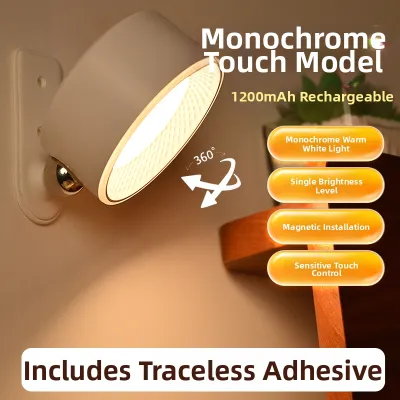
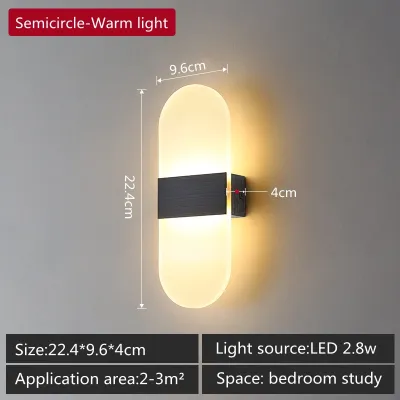
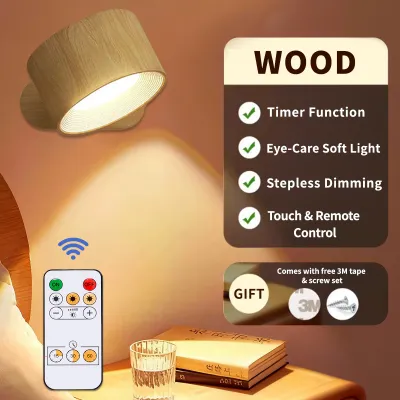
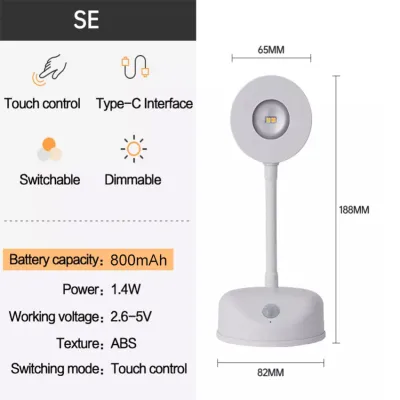
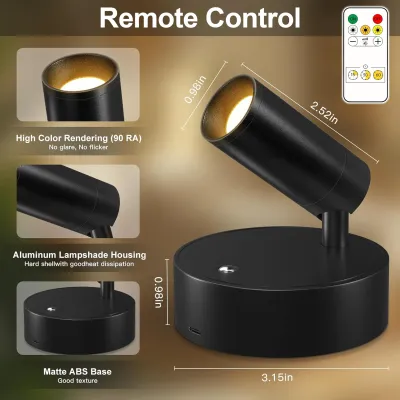
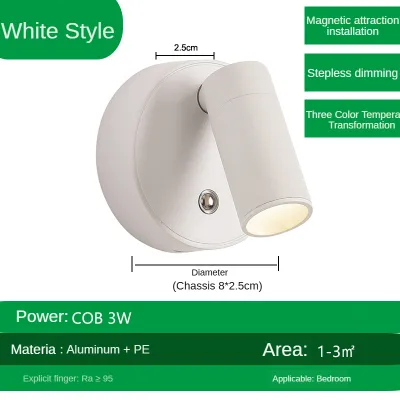
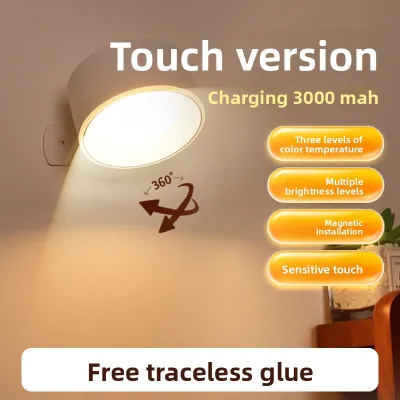
Prices are valid at publication and may change. Please refer to the product page for the latest price.
Assessing Space and Placement Constraints in Compact Bedrooms
Before purchasing any wall lamp, measuring the physical clearance of your bedroom walls is the first essential step. Compact condo bedrooms often feature tight layouts where wardrobes, sliding doors, curtains, or headboards limit the available flat surface area. Use a tape measure to map out the exact spot where you intend to place the lamp, ensuring that opening cabinet doors or drawing curtains will not strike the fixture.
The profile depth of the lamp—how far it protrudes from the wall—is a critical factor in maintaining comfortable walkways. In narrow bedrooms, a bulky fixture can easily be bumped by someone passing by, leading to accidental damage or falls. Selecting a low-profile or slim-line design keeps the visual weight of the room light and prevents the space from feeling cramped or cluttered.
Optimal placement zones should focus on providing soft, indirect illumination rather than harsh, direct glare. For reading or winding down, position the lamp slightly above and to the side of your headboard rather than directly overhead. This placement ensures the light source remains accessible for manual adjustments while casting a gentle glow that does not shine directly into your eyes when you are lying down.
Evaluating Light Quality for Ambient and Mood Effects
Creating a relaxing atmosphere in a small bedroom depends heavily on the characteristics of the light emitted. When browsing options on an online marketplace, check the product specifications for adjustable color temperatures, typically measured in Kelvins (K). Warm white light, ranging from 2700K to 3000K, is ideal for evening relaxation as it mimics the natural sunset and signals to your body that it is time to rest.

Dimming capabilities are equally important for managing light levels in close quarters. Look for lamps that offer stepless dimming or multiple brightness presets so you can transition from a functional reading light to a soft nightlight. This flexibility is particularly useful in studio condos where the sleeping area may also double as a workspace during the day.
The way light diffuses across your walls can visually alter the perception of your room’s size. Lamps with wide beam angles or upward-facing projection features can wash the walls with light, making a small room feel more open and airy. If you are interested in sunset lamps or specific mood presets, verify the manufacturer’s listed projection distance and light patterns to ensure they match your wall-to-bed layout.
Checking Power, Battery, and Mounting Specifications
Because rechargeable wall lamps operate without a direct connection to your condo’s electrical grid, battery performance is a primary consideration. Review the manufacturer’s specifications for the battery capacity, usually listed in milliampere-hours (mAh), and compare it against the expected runtime under different brightness settings. A lamp that requires daily charging can quickly become inconvenient, so look for models that offer extended runtimes on lower settings.
Verify the charging port type and the inclusion of battery indicators on the fixture. Modern USB-C ports generally offer faster and more reliable charging than older micro-USB connections, allowing you to use standard phone chargers. Battery indicators, such as small LED lights that change color or flash, are highly useful for tracking when the lamp needs to be plugged in before it suddenly goes dark.
Mounting mechanisms must be carefully matched to your condo’s wall surfaces and lease agreements. Many rechargeable lamps feature magnetic bases that attach to the wall via adhesive pads, allowing you to easily detach the lamp body for charging. If you are renting and cannot drill into concrete walls, high-quality adhesive mounts are a popular choice, but you must verify the lamp’s physical weight to ensure the adhesive can safely support it over time.
Building Your Shortlist: Key Features to Compare
To make an informed decision, construct a simple comparison matrix based on your bedroom’s physical constraints and your personal lighting preferences. List the dimensions, weight, battery capacity, and mounting type of each candidate lamp side-by-side. This structured approach helps you filter out options that are too heavy for adhesive mounts or too bulky for your narrow bedside clearance.
Consider the convenience features that will enhance your daily use of the lamp. Remote controls, touch-sensitive sensors, and built-in timers that automatically shut off the light after 30 or 60 minutes are highly beneficial for bedside operation. A memory function, which remembers your last-used brightness and color temperature setting when turned back on, saves you from cycling through multiple modes every night.
Finally, check the warranty terms and return policies offered by the seller or manufacturer. Look for specific coverage regarding battery degradation, LED failures, or faulty charging ports, which are the most common issues with rechargeable electronics. A clear warranty provides peace of mind, especially when purchasing from online marketplaces where product quality can vary.
Safe Installation and Maintenance Boundaries
Proper installation is key to preventing property damage and ensuring the longevity of your rechargeable wall lamp. If you are using adhesive mounts, clean the wall surface thoroughly with rubbing alcohol to remove dust and oils, and allow it to dry completely. Follow the manufacturer’s instructions regarding curing times, often requiring you to leave the mount attached to the wall without the lamp’s weight for 24 hours to achieve maximum adhesion.
Safe charging practices are essential for preserving battery health and preventing safety hazards in tropical climates. Avoid leaving the lamp plugged in overnight or charging it on soft, flammable surfaces like mattresses or pillows, which can trap heat. If you notice any signs of battery swelling, unusual heat during charging, or a rapid loss of capacity, stop using the lamp immediately and contact the manufacturer.
Always recognize the limits of DIY installation, especially in high-rise condos with strict property management guidelines. If your chosen lamp requires structural drilling into concrete walls or any modification to existing electrical wiring, consult your building’s maintenance team or a qualified professional. Working at heights or attempting complex installations without the proper tools can lead to personal injury or structural damage.
Frequently Asked Questions (FAQ)
Can I use adhesive-mounted rechargeable lamps on textured condo walls?
Adhesive mounts generally require a smooth, non-porous surface like painted drywall, glass, or smooth tile to create a strong bond. Textured walls, such as rough plaster, concrete, or textured wallpaper, significantly reduce the contact area of the adhesive, which lowers its holding strength and increases the risk of the lamp falling. Before applying, check the manufacturer’s manual for compatible surfaces and strict weight limits, and consider alternative mounting options if your walls are highly textured.
How do I know if a sunset lamp will cause glare in a small bedroom?
In a compact bedroom, a powerful sunset or mood lamp can easily cause uncomfortable glare if it is pointed directly at your bed or reflective surfaces like mirrors and windows. To prevent this, look for lamps with adjustable heads or physical shielding that allow you to direct the beam away from your direct line of sight. You can also perform a temporary placement test using a handheld flashlight or the lamp itself before permanently mounting it, ensuring the light diffuses softly across the wall.
Community discussion
Share your experience or ask a question. Comments are reviewed before publication.