
Selecting a St. Michael Archangel statue for an outdoor garden in the Philippines requires balancing spiritual significance with practical durability. Because tropical climates present intense solar radiation, high humidity, and heavy seasonal rainfall, a successful outdoor display depends on choosing weather-resistant materials, planning the physical footprint, and securing the structure against strong winds. By focusing on verifiable material specifications and proper installation techniques, you can ensure the statue remains a beautiful, lasting focal point in your landscape.
Evaluating Materials for Outdoor Durability
When choosing an outdoor statue, the material is the single most critical factor determining how well the piece will withstand the elements over time. In tropical environments, materials face a continuous cycle of intense heat, high UV exposure, and heavy downpours. Understanding the physical characteristics of each material option allows you to make an informed decision based on your garden’s specific microclimate and your maintenance preferences.
Cast stone, which is a specialized concrete mixture, is one of the most durable options available for outdoor landscapes. Its substantial weight makes it highly resistant to being overturned by strong winds, making it an excellent choice for open garden areas. However, cast stone is naturally porous, meaning it can absorb moisture during prolonged rainy seasons. Over time, this absorbed moisture can encourage the growth of moss or algae, which some homeowners appreciate for an antique look, while others prefer to prevent through regular sealing.
Products mentioned in this guide
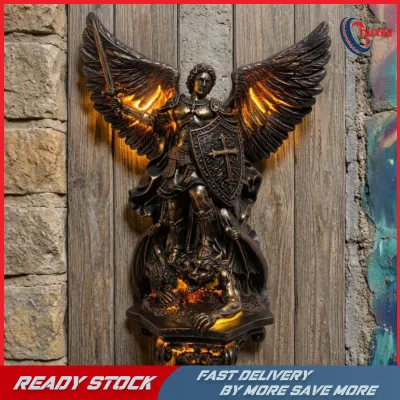
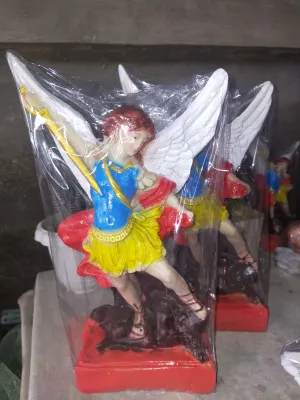
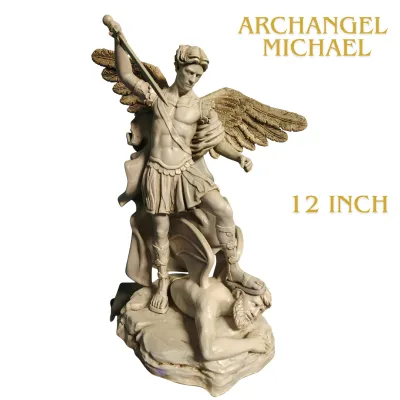
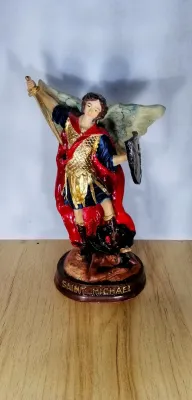
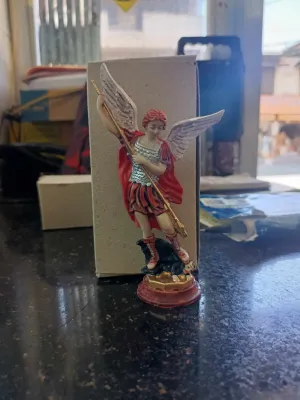
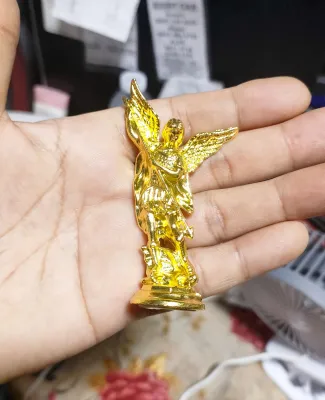
Prices are valid at publication and may change. Please refer to the product page for the latest price.
Polyresin and fiberglass composites offer a lightweight alternative that allows for detailed carvings and dynamic poses. These materials are molded, enabling manufacturers to capture intricate details in St. Michael’s armor, wings, and facial expressions that might be lost in coarser stone. While highly versatile and easy to reposition, untreated polyresin can become brittle and fade under direct, intense sunlight. When evaluating resin statues, it is essential to verify that the product description explicitly states the use of UV-inhibiting resins or protective outdoor topcoats.
Metal options, such as bronze, brass, or cast aluminum, provide a classic, timeless aesthetic with exceptional structural integrity. Metal statues are highly durable and can withstand both heavy rains and high winds without cracking. However, metals conduct heat rapidly, meaning a statue placed in direct sunlight can become extremely hot to the touch, which may be a consideration if you have pets or young children. Additionally, copper-based alloys like bronze will naturally develop a greenish patina over time when exposed to humidity, a chemical reaction that protects the underlying metal but alters its original appearance.
To ensure your selected statue survives the outdoor environment, always look for explicit manufacturer specifications regarding outdoor use. Avoid assuming that a statue labeled “durable” or “high-quality” is suitable for a garden setting; instead, look for terms like “weatherproof,” “UV-resistant,” or “outdoor-rated.” If a product label does not clearly state these properties, it is safest to assume the piece was designed for indoor or covered patio display only.
Sizing and Spatial Planning for Garden Placement
A St. Michael Archangel statue should harmonize with your garden’s scale, neither getting lost among the foliage nor overwhelming the surrounding plants. Proper spatial planning involves measuring the physical footprint of the site, analyzing sightlines from various viewing angles, and selecting a statue size that fits the physical and visual context of your landscape.

Before purchasing, measure the exact area where you plan to install the statue, keeping in mind that you need a clear perimeter around the base. Consider the sightlines from key areas of your home and garden, such as the living room window, the patio seating area, or the entrance gate. A statue placed at the end of a garden path acts as a visual destination, requiring a larger presence, whereas a statue nestled within a flower bed can be smaller and more intimate.
Statues generally fall into three size categories: life-size figures, pedestal-mounted options, and small garden accents. Life-size or near-life-size statues (typically four feet or taller) create a dramatic, commanding presence but require substantial space and a reinforced foundation to prevent sinking. Pedestal-mounted statues, which usually stand between two and three feet tall, use a separate column or block to raise the figure to eye level, adding prominence without the weight of a massive single-piece sculpture. Small accent pieces (under eighteen inches) are ideal for compact gardens, rockeries, or placing alongside low-growing ground cover.
Weight and base dimensions are critical safety factors when planning your installation. Heavy stone or metal statues require a stable, level surface such as a concrete pad, a thick stone paver, or compacted gravel. Placing a heavy statue directly on soft garden soil or grass can cause it to tilt or sink over time as the ground becomes saturated during the rainy season. Always check the manufacturer’s specified weight and base width to determine if your chosen site requires ground preparation before the statue arrives.
Matching Statue Styles to Your Landscape Theme
The artistic style of your St. Michael statue should complement the existing design theme of your outdoor space. Whether your garden is a formal, structured landscape, a lush tropical sanctuary, or a minimalist modern courtyard, selecting a compatible style ensures a cohesive visual experience.
Classical depictions of St. Michael are highly detailed, often showing the archangel in Roman-style armor, holding a sword or spear, and standing triumphantly over a defeated dragon or figure representing evil. These traditional designs work beautifully in formal gardens, classical European-style landscapes, or dedicated prayer alcoves. In contrast, modern or stylized interpretations simplify these forms, focusing on clean lines, abstract wings, and minimalist silhouettes. Modern styles are well-suited for contemporary homes, minimalist rock gardens, or urban balcony spaces where simplicity is preferred.
The finish of the statue also plays a major role in how it integrates with your garden and how it ages over time. An antique patina or weathered stone finish blends naturally with green foliage and soil, making the statue look as though it has been part of the landscape for decades. Hand-painted finishes offer vibrant colors that make the statue stand out, but they require more maintenance in tropical climates, as intense sun and rain can cause paint to peel or fade. If you choose a painted statue, be prepared to apply a clear, UV-resistant protective spray annually to preserve the colors.
Additionally, pay close attention to the statue’s physical pose and wingspan. St. Michael is frequently depicted with wide, outstretched wings, which can significantly increase the overall width of the piece. Ensure that the wingspan does not encroach on garden pathways where passersby might accidentally bump into and damage the delicate wingtips. Measuring both the height and the maximum width of the statue is essential to ensure it fits comfortably within its designated physical boundaries.
Installation, Stability, and Ongoing Maintenance
Proper installation and regular maintenance are essential to protect your investment and ensure the safety of anyone visiting your garden. Because the Philippines experiences severe weather events, including typhoons with high winds, securing your statue is a critical step that should not be overlooked.
For top-heavy statues, especially those with large wings or raised arms, simple gravity is often not enough to keep them upright during a storm. To secure these pieces, start by ensuring the foundation is perfectly level. For resin or lightweight metal statues, you can use heavy-duty landscape stakes, anchor bolts, or concrete adhesives to bond the base to a heavy concrete paver or poured pad. For exceptionally large or heavy stone statues, it is highly recommended to consult a qualified professional to handle the heavy lifting and install structural anchoring systems that can withstand extreme wind loads.
Routine cleaning is the most effective way to prevent dirt buildup, mold, and organic staining on your statue. Use a soft-bristled brush, mild dish soap, and lukewarm water to gently scrub the surface, paying close attention to crevices where dust and moisture tend to collect. Avoid using pressure washers, wire brushes, or harsh chemical cleaners like bleach or acid, as these can strip away protective sealants, paint, or the natural patina of the material.
Finally, always refer to the manufacturer’s specific care instructions, as different materials require different maintenance schedules. Some stone statues may benefit from a periodic application of a breathable water repellent, while metal statues might require a coat of paste wax to protect the finish. Establishing a simple bi-annual maintenance routine—typically before and after the rainy season—will keep your St. Michael statue looking pristine for years to come.
Building Your Shortlist: What to Verify Before Buying
Before making your final purchase from an online marketplace or local garden center, compiling a checklist of key verifications will help you avoid common pitfalls and ensure you receive a product that meets your expectations.
First, carefully review the seller’s product description for explicit claims of outdoor suitability. Look for detailed material breakdowns rather than generic terms; for example, “fiberglass-reinforced concrete” or “cast stone with a polyurethane seal” provides more assurance than simply “stone-look.” Additionally, check if the manufacturer offers any warranty against cracking, fading, or structural defects caused by normal outdoor exposure.
Second, investigate the shipping and delivery policies, particularly if you are purchasing a heavy or fragile item. Large stone or metal statues require specialized handling and crating to prevent damage during transit. Verify that the seller provides tracking, insurance, and a clear return policy that covers items damaged upon arrival. Inspecting the package immediately upon delivery is crucial so you can document any issues and contact the seller right away.
Lastly, calculate the total cost of ownership rather than just the purchase price of the statue, which can range from budget-friendly resin options around ₱2,000 to substantial cast stone pieces exceeding ₱15,000. Be sure to factor in the cost of necessary accessories, such as a separate pedestal, concrete mix for the foundation, protective sealants, anchoring hardware, and potential professional installation fees. By comparing these total costs across your shortlisted options, you can make a well-rounded decision that fits both your budget and your landscape requirements.
Frequently Asked Questions (FAQ)
Do I need to apply a protective sealant to my outdoor statue?
Whether you need to apply a sealant depends on the material and the manufacturer’s original treatment. Always check the product manual or seller specifications first, as many outdoor statues come pre-sealed. If the statue is made of porous material like cast stone, concrete, or unglazed terracotta and is not pre-sealed, applying a clear, breathable acrylic or silane-siloxane water repellent can prevent excessive moisture absorption and reduce algae growth. For painted resin statues, a clear UV-resistant polyurethane spray can help prevent the colors from fading under intense sunlight.
How should I protect the statue during heavy rain or strong winds?
To protect your garden statue during severe weather events, the best approach depends on its size and weight. For smaller, lightweight statues made of resin or thin metal, the safest option is to temporarily move them indoors, into a garage, or under a covered patio before the storm arrives. For larger, heavy stone or anchored statues that cannot be easily moved, ensure that the base is securely bolted or adhered to a solid concrete foundation before the typhoon season begins. If a storm is approaching and you are concerned about flying debris, you can wrap the statue in heavy-duty moving blankets and secure it tightly with tie-down straps to minimize the risk of impact damage.
Community discussion
Share your experience or ask a question. Comments are reviewed before publication.