
A tangled lantern lamp creates a captivating, organic aesthetic by casting intricate, woven shadows and starry projections across a room. To find the ideal model for your space, you must look beyond the decorative exterior and evaluate key technical specifications. Focus on adjustable brightness, color customization, motor noise levels, projection throw distance, and local electrical compatibility to ensure your lamp delivers a safe, visually comfortable, and relaxing atmosphere.
Evaluating Brightness for Ambient Comfort
When selecting a tangled lantern lamp, the light output must match the intended mood of your space. Ambient lighting relies on soft, low-intensity illumination rather than the high-lumen output required for reading or detailed tasks. Check the product label or manufacturer specifications for the lumen rating or wattage; for gentle accent lighting, lower wattages or low-lumen LED configurations are ideal.
Opting for a model with adjustable brightness settings provides the flexibility to adapt the light output throughout the evening. High brightness might work well during early evening gatherings, while a dimmed setting helps your eyes adjust as you wind down for sleep.
Products mentioned in this guide
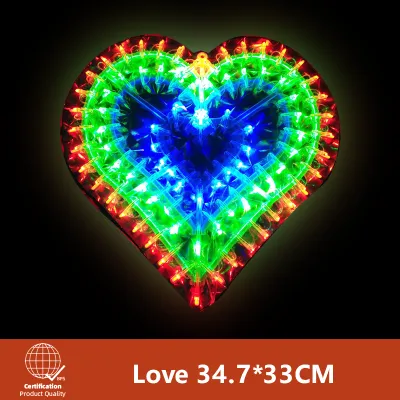
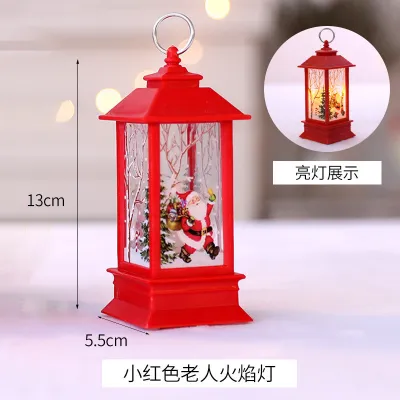
Prices are valid at publication and may change. Please refer to the product page for the latest price.
In bedrooms or dedicated relaxation corners, lower brightness levels are highly preferable. Excessive glare can disrupt your body’s natural sleep preparation, making a highly dimmable lamp a practical choice for nighttime routines.
Choosing Color Modes for the Right Mood
The color options of your projector lamp dictate the overall feel of the room. Many models offer a choice between fixed warm white tones, multi-color RGB options, and dynamic transitions like breathing or fading modes. Warm, static colors promote relaxation, while vibrant, shifting hues can energize a social space.

If you are choosing a lamp that projects complex patterns, verify whether it supports independent control of different projection layers. For instance, some models allow you to turn off the star laser while keeping the nebula cloud active, or vice versa, giving you precise control over the visual density.
Rather than assuming a lamp performs well simply because the packaging lists dozens of modes, check the manufacturer’s specifications for color saturation and light distribution. High-quality LEDs deliver deep, distinct colors, whereas lower-grade components may produce washed-out or muddy projections.
Assessing Rotation Speed and Motor Noise
Dynamic movement can make a projection feel alive, but the mechanics behind that movement require careful inspection. Adjustable rotation speeds allow you to transition from a slow, calming drift to a faster, more active display depending on your mood.
Because these lamps are often used in quiet bedrooms, motor noise is a critical factor. Look for specifications that detail the operating decibels or search for user feedback regarding motor hum. A loud, persistent buzz can quickly ruin the peaceful atmosphere you are trying to build.
A built-in timer function is another essential feature to look for. An automatic shut-off timer, such as a one-hour or two-hour limit, ensures the motor does not run continuously overnight, which preserves the motor’s lifespan and prevents unnecessary electricity consumption.
Matching Projection Distance to Your Room
To achieve sharp, clear projections, the lamp’s capabilities must match the physical dimensions of your room. Before purchasing, measure the distance from your planned placement spot—such as a bedside table or shelf—to the ceiling or target wall.
Many projector lamps feature manual focus dials or sliding lenses that let you adjust the clarity based on this distance. Without a focus mechanism, a lamp placed too close or too far from a surface may project blurry, unrecognizable shapes.
Keep in mind that projection intensity and clarity naturally decrease as the throw distance increases. Always verify the manufacturer’s recommended projection range to ensure the light has enough power to cover your ceiling without losing its vibrant detail.
Verifying Power Options and Safety Standards
Electrical safety and convenience should guide your final decision, especially when integrating a new appliance into your home. In the Philippines, standard household outlets supply 220V at 60Hz. Verify that the lamp’s power adapter is rated for this voltage to ensure safe, direct operation without relying on voltage converters.
Consider how the lamp is powered to determine the most convenient placement in your room layout. USB-powered models offer great flexibility since they can run off power banks or wall adapters, while battery-operated units are highly portable but require regular charging. Direct AC plugs provide a stable power supply but limit placement to areas near wall outlets.
Always check for recognized electrical safety markings on the product packaging or device body. Given the warm, humid tropical climate in the Philippines, avoid placing the lamp in high-humidity areas like bathrooms, and ensure it is kept away from flammable fabrics or enclosed, unventilated spaces where heat can build up.
Frequently Asked Questions (FAQ)
Can a tangled lantern lamp be used as a primary light source?
No, these lamps are designed strictly for decorative and ambient lighting. They do not produce the high lumen output or focused light distribution required for tasks like reading, cooking, or general room illumination. Using them as a primary light source can lead to eye strain.
How do I clean the projection lens safely?
To clean the lens, first turn off and unplug the lamp to ensure safety. Use a dry, clean microfiber cloth to gently wipe away dust and fingerprints from the optical surface. Avoid using liquid cleaners, alcohol, or abrasive materials, as these can scratch the lens or strip away delicate optical coatings.
Does the lamp work with smart home systems?
Smart home compatibility varies by model. If you want to control the lamp via voice assistants or mobile apps, check the product specifications specifically for Wi-Fi or Bluetooth connectivity. Standard models usually rely on physical buttons or dedicated infrared remote controls instead of smart integration.
Community discussion
Share your experience or ask a question. Comments are reviewed before publication.