
Selecting a classic light fixture requires a clear understanding of where it will live and how it will perform. When shopping for a lamp vintage style, the features you prioritize must align with the specific demands of the room. A bedside table lamp is a highly functional tool meant to assist with focused tasks like reading, requiring directable light, easy-to-reach switches, and a space-saving footprint. Conversely, a living room lamp serves primarily as an ambient design statement, relying on larger proportions, rich material patinas, and soft light diffusion to anchor a social space. Understanding these core differences ensures your antique or retro-style lighting is both beautiful and practical.
Core Lighting Needs: Task vs. Ambient Illumination
The fundamental difference between bedroom and living room lighting lies in the contrast between task-focused illumination and ambient atmosphere. Bedside reading demands concentrated, glare-free light directed precisely onto a page or tablet. This setup must protect your eyes from direct bulb exposure while you are lying down or sitting up. Without proper light control, reading in bed can quickly lead to eye strain and disrupted sleep patterns, especially when using high-intensity bulbs.
In contrast, living room lighting is about creating a warm, inviting environment. Instead of focusing light on a single spot, a living room lamp needs to scatter a gentle glow across a wider area, softening shadows and complementing other light sources like recessed ceiling lights or wall sconces. In tropical climates like the Philippines, where evenings can be warm and humid, creating a breezy, visually cool, yet cozy indoor atmosphere is essential. Vintage lamp designs, with their diverse shade shapes and historic materials, can be beautifully adapted to both roles, provided you select the right structural and optical features for each environment.
Products mentioned in this guide

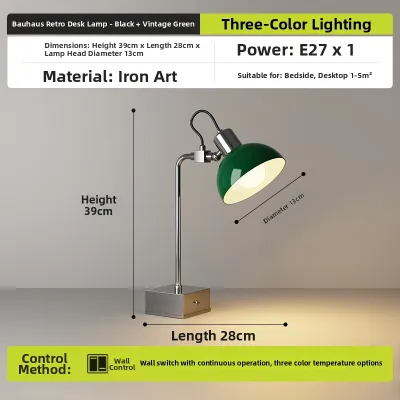
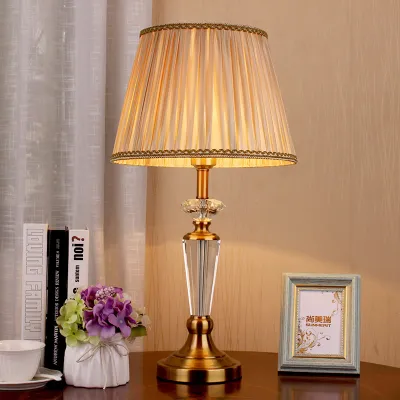
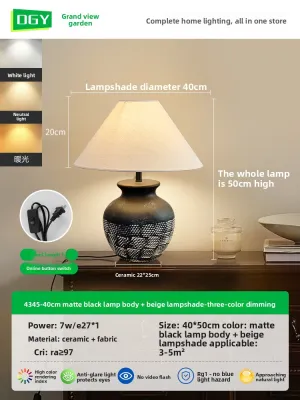
Prices are valid at publication and may change. Please refer to the product page for the latest price.
Key Functional Features of a Lamp Vintage Design for Bedside Reading
To serve as an effective reading companion, a bedside lamp must prioritize utility and physical comfort. The charm of an older design should never get in the way of easy operation or eye safety.

Shade Design and Glare Control
The primary job of a bedside reading lamp shade is to direct light downward while shielding your eyes from the raw glare of the bulb. Opaque materials, such as vintage green glass (characteristic of classic banker’s lamps) or thick, lined parchment, are ideal for this purpose. If the shade is made of fabric, look for options with a white or reflective gold inner lining. These linings prevent light from escaping horizontally into your eyes, instead channeling it directly onto your reading material. Additionally, consider the angle of the shade; adjustable joints or deep, downward-facing domes prevent the bare bulb from being visible when you transition from sitting to reclining.
Switch Placement and Convenience
Convenience is paramount when you are winding down for sleep. A vintage lamp with an awkwardly placed switch can turn a relaxing evening routine into a frustrating chore. Classic pull chains, base-mounted rotary knobs, or easily accessible inline cord switches are highly preferred for bedside tables. Avoid vintage designs that feature stiff toggle switches or switches located high up on the socket, as these can be difficult and unsafe to operate from a lying position in the dark. For added safety, ensure the switch mechanism operates smoothly without requiring excessive force, which could tip a lightweight lamp over.
Proportions and Nightstand Footprint
Bedside tables in modern homes must accommodate a variety of items, from books and glasses to phones and carafes. Therefore, a bedside vintage lamp should have a compact, stable base that leaves plenty of usable surface area. The height of the lamp must also match your bed’s proportions. Ideally, when you are sitting in bed, the bottom of the lamp’s shade should align roughly with your eye level. If the lamp is too tall, the bulb will shine directly into your eyes; if it is too short, the light cast will be too narrow to cover your book comfortably.
Essential Aesthetic and Structural Traits for Living Room Display
In a living room, a vintage lamp transitions from a private utility to a public design statement. Here, visual presence, material quality, and atmospheric contribution take precedence over focused task performance.
Statement Materials and Patina
In a spacious living room, a vintage lamp is more than just a light source—it is a conversation piece. This is where statement materials like aged brass, ornate cast iron, hand-glazed ceramic, or carved tropical hardwoods shine. The natural patina developed over decades adds texture and historical depth to console tables, sideboards, or deep bookshelves. Unlike the bedroom, where decor is often kept minimal and serene, the living room allows you to showcase heavier, more complex textures that catch the light and draw the eye even when the lamp is turned off.
Scale and Visual Weight
Living room furniture, such as large sofas, heavy wooden coffee tables, and expansive media consoles, requires lighting fixtures with matching visual weight. A small bedside lamp will look lost and insignificant in a spacious living area. Living room vintage lamps can safely be taller, wider, and heavier. A substantial base made of solid stone, thick glass, or heavy metal anchors the lamp visually, ensuring it balances the scale of surrounding furniture and stands out as a deliberate design choice rather than an afterthought.
Light Diffusion and Atmosphere
To establish a welcoming living room ambiance, choose shades that diffuse light rather than direct it. Translucent materials like fine linen, pleated silk, or frosted milk glass allow light to scatter softly in all directions, illuminating the surrounding walls and ceiling. This soft diffusion eliminates harsh, dramatic shadows, making the room feel larger and more cohesive. It also prevents the sharp contrasts that can make social spaces feel cold or uninviting, replacing them with a warm, golden glow reminiscent of classic mid-century interiors.
Electrical Safety and Maintenance for Vintage Lamps
Before introducing any vintage electrical item into your home, safety must be your absolute priority. Older wiring, common in authentic antique lamps, can degrade over time, presenting serious fire and shock hazards. Always inspect the entire length of the electrical cord for signs of fraying, cracking, or stiffening. Examine the plug and the socket carefully; look for loose connections, corrosion, or discoloration that indicates historical overheating.
In the Philippines, the standard household electrical system operates at 220 volts at 60Hz. Many imported vintage lamps, particularly those from North America, are wired for 110 volts. Operating a 110V lamp directly on a 220V system without a step-down transformer or proper rewiring will destroy the bulb instantly and can cause an electrical fire. Always check the electrical certification and voltage rating marked on the socket or base.
Before performing any inspection or cleaning, isolate the power by completely unplugging the lamp from the wall socket. If you discover damaged cords, loose sockets, or incompatible voltage configurations, do not attempt a DIY fix unless you are trained to do so. Instead, consult a qualified professional or a licensed electrician to safely rewire the fixture. Professional rewiring services in local specialty shops typically range from ₱500 to ₱1,500, which is a small price to pay for safety. They can replace outdated components with modern, certified E27 or E14 sockets and safe, insulated wiring while preserving the lamp’s exterior aesthetic. Additionally, always respect the maximum wattage limit stamped on the socket—especially when using modern LED retrofits, which still generate localized heat that must dissipate safely.
Can One Vintage Lamp Serve Both Scenarios?
While dedicated lamps are ideal, it is possible to find versatile vintage designs that can transition between the bedside and the living room. To achieve this dual-purpose utility, look for lamps equipped with multi-stage switches or 3-way sockets. By pairing these fixtures with dimmable smart bulbs, you can adjust the output from a bright, focused reading light to a low, atmospheric ambient glow.
However, physical limitations remain. A massive, heavy ceramic lamp that anchors a living room sideboard will likely overwhelm a compact nightstand, leaving no room for your evening essentials. Conversely, a small, delicate boudoir lamp will fail to make a visual impact in a large living space. If you do choose a single lamp for both roles, prioritize medium-sized brass or wood designs with adjustable, semi-translucent shades that balance directional task lighting with soft ambient diffusion.
Frequently Asked Questions (FAQ)
What bulb color temperature is best for a vintage bedside lamp?
For a bedside reading environment, a warm white bulb with a color temperature between 2700K and 3000K is highly recommended. This range provides a cozy, relaxing glow that complements the vintage aesthetic of the lamp while minimizing blue light exposure before sleep. It offers enough contrast for comfortable reading without straining your eyes or disrupting your natural sleep cycle.
How do I clean a vintage metal base without ruining the patina?
To preserve the valuable patina on a vintage metal base, avoid harsh chemical polishes, abrasive scrubbing pads, or acidic cleaners, which can strip away decades of natural aging. Instead, isolate the power by unplugging the lamp, then gently dust the surface with a dry, soft microfiber cloth. For stubborn dust or light grime, wipe the metal with a slightly damp cloth using only water, and dry it immediately with a clean towel to prevent moisture damage or rust.
Community discussion
Share your experience or ask a question. Comments are reviewed before publication.