
Choosing a vintage wall lamp requires balancing ambient safety in high-traffic hallways with intimate, glare-free task lighting at the bedside. While a hallway demands wide-angle, bright illumination to prevent dark spots and ensure safe transit, a bedside setup relies on focused, lower-lumen downward beams that support reading without causing eye strain. The choice also hinges on how you control the light—convenient bedside switches versus multi-point hallway controls—and how the fixture’s physical projection fits the space.
In tropical environments like the Philippines, where high humidity can affect metal finishes and concrete walls are standard in residential construction, selecting the right vintage wall lamp also means verifying material durability, moisture resistance, and appropriate mounting hardware. Understanding these functional differences ensures your vintage fixtures deliver both nostalgic charm and practical daily performance.
Brightness and Beam Angle Requirements
Hallways are transitional zones where safety is paramount. A vintage wall lamp in a corridor should feature a wide beam angle, often achieved with clear, ribbed, or frosted glass shades that disperse light in all directions. This wide distribution minimizes shadows and dark corners, making steps, doorways, and potential obstacles clearly visible. When selecting bulbs, check the manufacturer’s maximum wattage limit and look for higher lumen outputs suitable for general ambient lighting.
Products mentioned in this guide

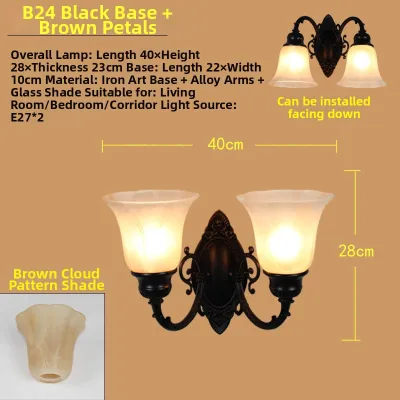
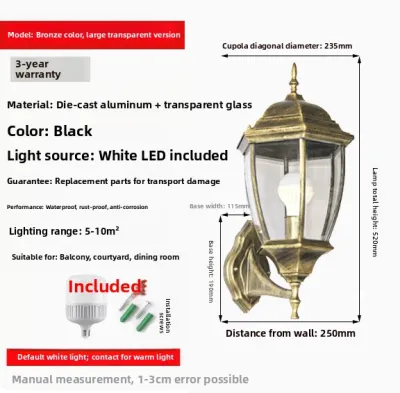
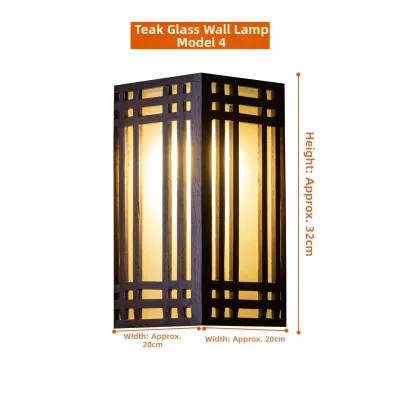
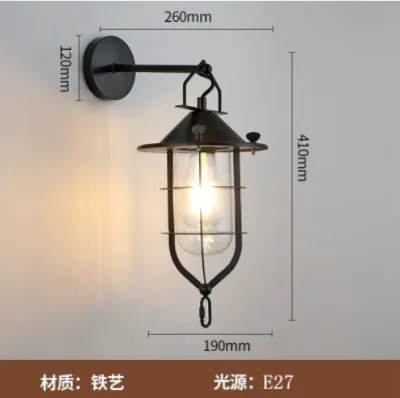

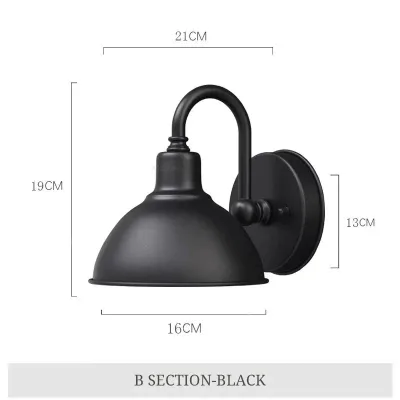
Prices are valid at publication and may change. Please refer to the product page for the latest price.
Conversely, bedside lighting is highly localized. A bedside vintage wall lamp should direct its light downward or feature an adjustable shade to focus the beam onto a book or tablet. This focused beam angle prevents light from spilling across the bed, allowing one person to read while another sleeps. Lower lumen levels are ideal here to promote relaxation and prepare the body for sleep.
To bridge the gap between these different needs, verify that your chosen vintage wall lamp is compatible with dimmable LED bulbs. Many authentic or reproduction vintage fixtures feature standard screw bases, but their internal wiring or socket materials must be rated to handle the specific voltage and dimming controls you plan to install. Using dimmable LEDs allows you to soften the hallway light late at night or fine-tune your bedside reading environment. While warm light is often preferred for creating a cozy vintage ambiance, color temperature remains a personal preference rather than a strict performance rule.
Switch Placement and Control Options
The usability of a vintage wall lamp depends heavily on how easily you can turn it on and off. In a hallway, convenience means being able to control the light from both ends of the corridor. This setup typically requires two-way wall switches integrated into your home’s fixed wiring. Alternatively, if running new wires through solid concrete or plaster walls is too invasive, you can verify if the fixture’s socket accommodates smart LED bulbs. Smart bulbs allow you to control the hallway lights via wireless remotes, mobile apps, or automated schedules, bypassing the need for complex rewiring.

At the bedside, immediate physical access is the priority. You should not have to get out of bed or stretch awkwardly to turn off the light. Look for vintage wall lamps that feature built-in control mechanisms, such as a classic pull chain, a rotary switch, or a toggle switch located directly on the fixture’s backplate. Swing-arm vintage sconces are particularly useful here, as they let you pull the light close for reading and push it back against the wall when finished, often with the switch positioned right on the arm or base.
Before purchasing any fixture, assess your existing wall boxes and wiring infrastructure. Installing a new switch or running wires for a wall-mounted fixture can be challenging, especially in homes with solid masonry walls. Determine whether you need a hardwired fixture that connects directly to an internal junction box or a plug-in model that runs a cord down to a nearby electrical outlet.
Sizing, Mounting Height, and Clearance
Physical dimensions and placement heights dictate both the safety and visual harmony of your lighting. In hallways, narrow passages require fixtures with a shallow projection depth. A vintage wall lamp that extends too far from the wall can become a physical hazard, catching on clothing or causing accidental bumps. As a general rule, aim to mount hallway sconces high enough—typically around eye level or slightly higher—to keep the walkway completely clear, while ensuring the fixture does not protrude excessively into the walking path.
For bedside installations, the mounting height must be calibrated to your specific furniture layout. The bottom of the lamp shade should ideally align near your shoulder height when you are sitting up in bed. This positioning ensures the light shines directly onto your reading material rather than directly into your eyes, preventing harsh glare. It also keeps any built-in switches or pull chains within comfortable arm’s reach without requiring you to sit up or lean forward excessively.
Visual scale is the final piece of the placement puzzle. A massive, heavy brass vintage sconce can overwhelm a small bedside table or a narrow hallway. Conversely, a tiny fixture might look lost on a large, expansive wall. Measure your available wall space, taking into account the height of your headboard, the width of your bedside tables, or the presence of hallway mirrors and doorways, to select a fixture whose proportions complement rather than crowd the surrounding elements.
Electrical Safety and Installation Checks
Working with lighting fixtures—especially vintage models that may feature older wiring standards or heavy cast-metal components—requires strict adherence to electrical safety. Always begin by verifying the voltage rating, socket type, and maximum wattage limits. These specifications are typically printed on a label inside the fixture’s canopy or socket cup. In the Philippines, standard residential voltage is 220V at 60Hz; ensure your vintage wall lamp and its bulbs are fully rated for this electrical standard to prevent overheating or premature bulb failure.
Before undertaking any installation or maintenance, locate your home’s main circuit breaker and turn off the power to the specific lighting circuit. If your project involves installing new wall boxes, running fixed wiring through concrete walls, or modifying your home’s electrical panel, always hire a licensed electrician. Professional installation ensures compliance with local electrical codes and guarantees that the wiring can safely handle the load.
Additionally, vintage wall lamps made of solid brass, iron, or thick glass can be surprisingly heavy. Standard drywall or plaster may not support their weight over time. Verify the structural integrity of your mounting surface and use heavy-duty wall anchors or toggle bolts designed for your specific wall type. If mounting to concrete or masonry, use appropriate masonry wall plugs to ensure the fixture remains securely anchored to the wall, preventing accidental falls and electrical hazards.
Frequently Asked Questions (FAQ)
Can I use the exact same vintage wall lamp model in both the hallway and bedroom?
While using the exact same vintage wall lamp model in both areas creates a cohesive aesthetic throughout your home, it often requires functional compromises. For instance, a lamp with a short, built-in pull chain is highly convenient next to a bed but impractical in a high-traffic hallway where you need centralized wall switches. Similarly, a wide-angle glass sconce that beautifully illuminates a dark corridor might create uncomfortable glare when positioned directly next to your pillow.
Instead of using identical fixtures, consider choosing lamps from the same design family or matching finishes. For example, you might select a flush-mounted, wide-angle glass sconce in antique brass for your hallway, and a matching antique brass swing-arm sconce with a focused metal shade and a built-in toggle switch for your bedside. This approach maintains visual consistency across your interior decor while ensuring each space benefits from lighting tailored to its specific physical and practical needs.
Community discussion
Share your experience or ask a question. Comments are reviewed before publication.