
Quick Guide to Selecting an Outdoor Pardon Crucifix
Adding a sacred focal point to your garden brings a sense of peace, reflection, and spiritual beauty to your outdoor living space. When selecting an outdoor pardon crucifix for a garden in the Philippines, material durability against intense tropical elements is the single most important factor to consider. The local climate presents unique challenges, including heavy monsoonal rains, high relative humidity, and intense ultraviolet radiation, all of which can rapidly degrade poorly chosen materials.
An outdoor pardon crucifix serves a dual purpose as a deeply meaningful devotional symbol and a permanent structural ornament. To ensure your selection remains beautiful and structurally sound for years to come, you must balance aesthetic reverence with physical resilience. The ideal decision path involves evaluating how different materials perform under tropical conditions, determining the correct scale and proportion for your specific garden layout, and planning for a secure, wind-resistant installation.
Evaluating Materials for Tropical Weather Resistance
The climate of the Philippines is characterized by high temperatures, extreme humidity levels that often exceed 80 percent, and distinct wet and dry seasons. From the heavy downpours of the Southwest Monsoon (Habagat) to the intense dry-season heat, outdoor decor is subjected to continuous environmental stress. Over time, moisture can cause rot, rust, or cracking, while high UV exposure can fade painted details and weaken structural integrity.
Products mentioned in this guide
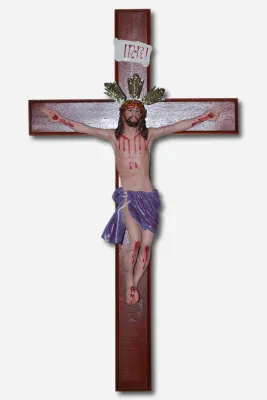

Prices are valid at publication and may change. Please refer to the product page for the latest price.

No material is entirely maintenance-free when exposed to the elements year-round. Before making a purchase, it is essential to check product labels, technical specifications, and manufacturer guidelines to verify that the item is explicitly rated for outdoor use. Many decorative pieces are designed solely for indoor display or covered patios, and placing them in an open garden without proper weatherproofing will lead to rapid deterioration.
Polyresin and Fiberglass Options
Polyresin and fiberglass are popular modern materials for garden statuary because they can be cast into highly detailed shapes. These synthetic materials are naturally resistant to rot, insect damage, and rust, making them highly suitable for damp garden environments. They can replicate the look of carved wood, aged bronze, or classical stone at a fraction of the weight and cost.
However, prolonged exposure to intense tropical sunlight can cause untreated polyresin to become brittle, fade, or develop a chalky surface texture. When shopping for a resin or fiberglass pardon crucifix, look for products that specify the use of UV-stabilized coatings and marine-grade, hand-painted protective seals. These specialized finishes help prevent the vibrant colors of the corpus and the detailed inscriptions from peeling or cracking under the sun.
Because resin and fiberglass pieces are relatively lightweight, they are highly susceptible to being displaced or damaged by strong winds. While their light weight makes them easy to transport and position during initial setup, they require secure anchoring. You must plan to mount them to a heavier base or use integrated ground stakes to prevent them from tipping over during sudden afternoon thunderstorms.
Cast Stone and Concrete Durability
Cast stone and precast concrete represent the traditional choice for permanent outdoor religious displays, offering an unmatched sense of gravity, permanence, and reverence. These materials are exceptionally heavy, providing natural resistance to strong winds and typhoons without requiring complex anchoring systems. They are highly durable and can withstand decades of exposure to heavy rain and sun without losing their structural integrity.
Because cast stone and concrete are heavy, they require a solid, level, and well-drained foundation. Placing a heavy stone crucifix directly on soft, clay-heavy garden soil can cause it to sink, tilt, or crack as the ground shifts during the rainy season. To prevent this, you should install the piece on a dedicated concrete pad, a paved gravel bed, or a reinforced stone pedestal that can evenly distribute the weight.
Additionally, cast stone and concrete are naturally porous materials that absorb moisture. In the humid, shaded areas of a tropical garden, this moisture retention will eventually lead to the growth of moss, green algae, or lichen. While some homeowners appreciate this weathered, rustic appearance for its antique charm, others prefer a clean look, which will require periodic washing and the application of a breathable, silane-siloxane water repellent.
Treated Wood and Metal Considerations
Wood offers a warm, organic aesthetic that blends beautifully with natural garden foliage, but it requires the highest level of maintenance in a tropical climate. Untreated wood is highly vulnerable to wood-boring beetles, termites, rot, and warping caused by alternating cycles of heavy rain and intense heat. If you choose a wooden pardon crucifix, verify that it is crafted from high-density, oil-rich tropical hardwoods like ipil, yakal, or premium treated teak, and ensure it has been treated with a marine-grade, outdoor-rated sealant.
Metals such as cast iron, bronze, copper, and aluminum provide a classic, elegant appearance but are subject to oxidation when exposed to high humidity. Bare iron will rust rapidly, leaving unsightly orange stains on the ground or pedestal, while bronze and copper will gradually develop a green patina. To prevent corrosion, ensure that any metal crucifix you select features a rust-proof finish, professional powder coating, or hot-dip galvanization, and be prepared to inspect the finish annually for signs of wear.
Regardless of whether you choose wood or metal, both materials require regular upkeep to survive the local climate. Wood will typically require sanding and the reapplication of a protective polyurethane or outdoor varnish every one to two years to prevent moisture penetration. Metal pieces may need touch-ups with rust-inhibiting paint or the application of a specialized paste wax to maintain their original luster and prevent moisture from reaching the underlying metal.
Sizing, Proportions, and Garden Placement
Achieving the right visual balance is essential when placing a pardon crucifix in your garden. A piece that is too small can easily be visually swallowed by lush, fast-growing tropical plants like broad-leafed philodendrons, colorful crotons, or towering heliconias. Conversely, a crucifix that is excessively large can overwhelm a small courtyard or pocket garden, disrupting the peaceful harmony of the landscape.
For medium-sized residential gardens, a crucifix height of 24 to 48 inches is generally appropriate, especially when elevated on a pedestal. This height allows the intricate details of the corpus and the traditional inscriptions to remain clearly visible without dominating the entire space. In smaller garden nooks or dedicated prayer corners, a scale of 12 to 18 inches can create an intimate, personal atmosphere when framed by low-growing ground covers.
Carefully consider the sightlines from common seating areas, patio dining spaces, and main garden pathways. The crucifix should be positioned to serve as a natural point of visual rest and spiritual reflection, aligning with your natural path of movement through the garden. Avoid placing it in high-traffic pathways where children or pets might accidentally bump into it, or in areas where it is completely hidden from view behind dense shrubbery.
Avoid placing your garden crucifix directly beneath large canopy trees, such as mango, rambutan, or talisay trees. During the typhoon season, falling branches can easily crack resin, chip stone, or bend metal components. Furthermore, these trees frequently drop acidic sap, heavy fruits, and organic debris, which can permanently stain the surface of the crucifix and accelerate the growth of mold and mildew.
To protect your investment, always elevate the base of the crucifix off the bare ground. Placing the ornament directly on soil exposes it to constant moisture, mud splatter during heavy downpours, and accidental damage from lawnmowers, grass cutters, or string trimmers. Utilizing a dedicated stone pedestal, a raised concrete planter, or a paved gravel pad keeps the piece clean, dry, and safe from maintenance equipment.
If you wish to appreciate the spiritual beauty of your garden crucifix at night, you may want to install landscape lighting. When adding accent lighting, such as low-voltage LED spotlights, ensure that all fixtures, connectors, and cables are rated IP65 or higher for outdoor wet environments. For any fixed-wired lighting systems connected directly to your home’s 220V power supply, always isolate the power source before beginning installation. Run all outdoor electrical cables through protective PVC conduits buried at a safe depth to prevent accidental cuts from garden spades. If the installation involves complex electrical wiring, deep trenching, or mounting fixtures at height, always consult a licensed electrical professional to ensure safety and compliance with local building codes.
Design Styles and the Pardon Crucifix Tradition
The pardon crucifix is a highly specific devotional item rich in Catholic heritage, featuring unique symbolic elements that distinguish it from standard crucifixes. Historically associated with specific spiritual promises and indulgences, a true pardon crucifix features the image of Christ on the front, with the label “INRI” placed above His head. On the reverse side, it traditionally bears the words “Father, Forgive Them” on the horizontal crossbeam, and “Behold This Heart Which Has So Loved Men” on the vertical beam, often accompanied by an image of the Sacred Heart or a Marian monogram.
When choosing a garden-scale reproduction of a pardon crucifix, it is vital to verify the depth and legibility of these inscriptions. In an outdoor setting, shallow engravings or lightly stamped text can quickly become filled with dust, environmental grime, or algae, rendering them unreadable over time. Look for pieces with deeply carved, cast, or engraved lettering that will remain legible even as the material naturally weathers and ages.
To create a cohesive outdoor space, match the design style of the crucifix to the overall theme of your garden. For a lush, naturalistic tropical garden filled with ferns, wild orchids, and natural stone pathways, an antique or distressed finish—such as weathered stone, faux-bronze, or rustic verdigris—blends seamlessly into the organic surroundings. For a modern, minimalist courtyard characterized by clean lines, smooth concrete, and geometric layouts, a crucifix with clean, defined lines and a monochromatic stone or polished metal finish works best.
Finally, consider how the color palette of the crucifix interacts with the colors of your garden. A dark bronze, dark wood, or deep grey stone crucifix may visually disappear if placed against a dark boundary wall or a dense backdrop of dark green foliage. In these settings, choosing a lighter-colored cast stone, a white marble-finished resin, or a highlighted metallic piece ensures that the crucifix stands out as a beautiful, readable focal point against the vibrant tropical greenery.
Secure Installation and Routine Maintenance
Because the Philippines experiences an average of 20 typhoons every year, secure installation is a critical safety requirement for any outdoor garden ornament. Top-heavy stone, concrete, or metal crucifixes can pose a severe physical hazard to residents and pet animals if they are blown over by high winds. To prevent tipping, secure heavy pedestals and crucifix bases to a solid concrete foundation using heavy-duty stainless steel ground spikes, masonry sleeve anchors, or concrete bolts.
For lightweight resin or fiberglass pieces, you must take extra precautions to windproof the installation. Many hollow-cast resin statues feature a plug at the bottom; filling the interior cavity with dry sand or fine gravel before sealing and mounting it can significantly increase its stability. Once weighted, secure the base to a heavy concrete paver or stone slab using outdoor-rated construction adhesives or specialized mounting brackets.
Always consult a qualified professional or structural contractor when securing heavy stone, concrete, or metal ornaments to brick walls, concrete boundary walls, or elevated stone pedestals. Attempting to lift, mount, or drill into heavy masonry without the proper tools, safety equipment, and physical assistance can lead to severe personal injury or permanent damage to your religious artwork.
To preserve the appearance and longevity of your outdoor crucifix, establish a regular, gentle cleaning routine. Use a soft-bristle brush, mild dish soap, and clean water to gently scrub away accumulated dirt, bird droppings, and algae. Avoid using harsh chemical cleaners, bleach, abrasive scrubbing pads, or high-pressure washers, as these can strip away protective clear coats, chip hand-painted details, or erode the surface of softer cast stones and resins.
Always read and strictly follow the manufacturer’s specific care and maintenance instructions before applying any cleaning agents, protective waxes, or sealants to your crucifix. If the manufacturer’s instructions conflict with general cleaning advice, prioritize the manufacturer’s guidelines to preserve any active warranties and protect the specific material composition of your devotional piece.
Frequently Asked Questions (FAQ)
Can I leave a wooden crucifix outside during the rainy season?
Whether a wooden crucifix can remain outdoors during the rainy season depends entirely on the specific wood species and the quality of the protective sealant applied. High-density tropical hardwoods like ipil or treated teak perform better, but they still require a high-quality, marine-grade outdoor sealant to resist warping, rot, and insect damage. You should check the manufacturer’s specific outdoor rating. If the item is not explicitly rated for full, year-round exposure to heavy monsoonal rains, it is highly recommended to move it to a covered patio or bring it indoors during the peak of the rainy season to prevent permanent damage.
How do I prevent a metal crucifix from rusting in a humid garden?
To prevent rust and oxidation on a metal crucifix in a humid garden, you should inspect the surface annually for any chips, scratches, or wear in the protective powder coating or rust-proof finish. If recommended by the manufacturer, apply a thin coat of clear, outdoor-rated protective wax or a marine-grade rust inhibitor to seal the surface from moisture. Additionally, position the crucifix away from constant sprinkler spray, automated irrigation zones, or low-lying areas where rainwater pools, ensuring the metal has adequate airflow to dry quickly after a downpour.
Community discussion
Share your experience or ask a question. Comments are reviewed before publication.