
Living in a modern condominium in the Philippines offers unparalleled convenience, but it often comes with spatial limitations, particularly in terms of vertical clearance. Many high-rise developments in metropolitan areas feature finished ceiling heights ranging from 2.4 to 2.7 meters. In these compact spaces, traditional hanging light fixtures like chandeliers or low-slung pendants can make a room feel cramped, disrupt visual sightlines, and even present physical hazards. Selecting a low-profile bar light flush mount is an excellent way to maximize your vertical space while ensuring your home remains bright, functional, and visually open.
A flush-mounted bar light, also known as a linear flush mount, provides a sleek, modern aesthetic that aligns well with contemporary condo interiors. Unlike bulky circular dome lights, the elongated shape of a bar light distributes illumination evenly across a wider area, making it highly effective for open-plan layouts common in studio and one-bedroom units. However, finding a suitable fixture involves more than just picking an attractive design. You must carefully evaluate physical dimensions, electrical specifications, light quality, and the structural constraints of concrete high-rise ceilings to make a safe and lasting investment.
Assessing Your Condo's Ceiling and Spatial Constraints
To choose a bar light that fits your space optimally, you must first understand the physical boundaries of your condominium unit. Begin by taking precise measurements of your floor-to-ceiling height using a reliable steel tape measure or a digital laser distance meter. Do not rely on the general dimensions provided in your unit’s marketing brochure, as actual finished heights can vary significantly due to structural variations or the installation of dropped gypsum ceilings designed to conceal utility pipes, air conditioning ducts, and electrical wiring.
Products mentioned in this guide
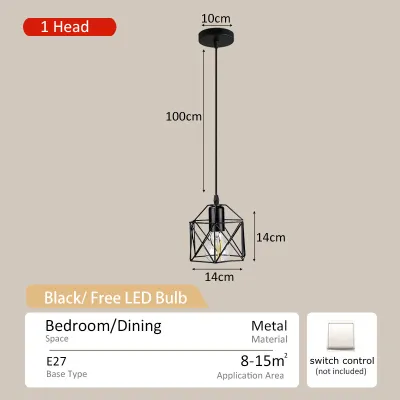
Prices are valid at publication and may change. Please refer to the product page for the latest price.
Once you have your exact ceiling height, calculate the maximum allowable fixture drop to maintain a safe and comfortable living environment. As a general rule of thumb, you should ensure a minimum clearance of 2.1 meters (approximately 7 feet) between the bottom of the light fixture and the finished floor. If your condo has a low ceiling of 2.4 meters, your light fixture should have a total depth or drop of no more than 30 centimeters. Opting for an ultra-slim flush mount that sits close to the ceiling plane ensures that you preserve maximum headroom and maintain an airy, spacious feel.
The primary function of the room where you plan to install the bar light will dictate its placement and design. For instance, if you are mounting the fixture over a kitchen island, a dining table, or a home office desk, the bar light will primarily serve as task lighting, requiring a focused downward beam to illuminate your work surface. If you are installing it in a narrow hallway, a walk-in closet, or a living room, the fixture will function as ambient lighting, where a wider beam angle is preferred to bounce light off the walls and ceiling, softening harsh shadows.
Finally, take note of the natural light availability and the color palette of your condo’s interior. Many urban condominiums have limited window openings or face adjacent towers, which restricts the amount of natural daylight entering the unit. Additionally, dark accent walls, deep wood cabinetry, and dark tiled floors absorb a significant amount of light. If your space features these design elements, you will need to select a bar light with a higher light output to compensate for the light absorption and ensure the room does not feel gloomy or dim.
Critical Specifications for Low-Profile Bar Lights
When shopping for a bar light flush mount, the profile height of the fixture is the most critical physical specification to consider. To achieve a truly integrated, modern look that does not encroach on your vertical space, prioritize fixtures with an ultra-slim profile of 5 centimeters or less. These low-profile designs sit almost flush against the ceiling surface, minimizing their visual footprint and creating a clean, uninterrupted ceiling plane that makes the entire room appear taller and more expansive.

The length and proportion of the bar light must also harmonize with the furniture and architectural features directly below it. If you are positioning a linear bar light over a kitchen counter, dining table, or console, the fixture should ideally measure between two-thirds and three-quarters of the length of that surface. A bar light that is too short will look disproportionate and fail to provide adequate light coverage at the ends of the table, while a fixture that exceeds the length of the furniture will look visually top-heavy and awkward in a compact condo setting.
Electrical compatibility is another non-negotiable factor when selecting lighting fixtures for the Philippine market. The standard electrical grid in the Philippines operates at 220V to 240V at a frequency of 60Hz. Many linear bar lights sold online are imported from regions that use 110V systems. Always verify the manufacturer’s specification label to ensure the internal driver or ballast is rated for 220V-240V. Installing a 110V fixture directly into a local electrical outlet without a compatible step-down transformer will permanently damage the LEDs and presents a severe electrical fire hazard.
Additionally, pay close attention to the design and placement of the integrated LED driver. In ultra-slim bar lights, the driver is the electronic component that converts alternating current (AC) from your home’s wiring into the direct current (DC) required by the LEDs. Some low-profile fixtures house this driver within a slightly raised canopy, while others require the driver to be tucked away inside the ceiling’s junction box. If your condo has a solid concrete ceiling with a shallow junction box, you must ensure the fixture you choose has a canopy spacious enough to accommodate the driver without pinching the wires.
Matching Light Output and Color to Your Space
To ensure your new bar light provides the appropriate amount of illumination, you must shift your focus from wattage to lumens. In the past, homeowners relied on wattage to estimate the brightness of incandescent bulbs, but modern LED technology is highly energy-efficient, producing far more light while consuming very little power. Lumens measure the actual amount of visible light emitted by a source. For a typical condominium living room or kitchen, look for a bar light that delivers between 1,500 and 3,000 lumens, depending on the size of the room and the tasks performed there.
To determine the precise light output required for your specific space, you can calculate the necessary lumens based on the room’s square footage. As a general guideline, general living areas require approximately 100 to 200 lumens per square meter, while task-oriented zones like kitchens and home offices require 300 to 400 lumens per square meter. For example, if you have a compact condo kitchen measuring 6 square meters, multiplying this area by 400 lumens gives you a target of 2,400 lumens, which can easily be supplied by a single, high-quality linear flush mount.
Color temperature, measured in Kelvin (K), plays a vital role in setting the mood and functionality of your condo. For areas dedicated to relaxation and entertainment, such as the living room or dining nook, select a warm white color temperature between 2700K and 3000K. This range emits a soft, golden glow that mimics traditional halogen lighting, creating a cozy and inviting atmosphere. For task-heavy areas like the kitchen counter, laundry zone, or study desk, opt for a cool white color temperature of around 4000K, which provides crisp, clear light that enhances focus and reduces eye strain.
Another essential metric to evaluate is the Color Rendering Index (CRI), which measures a light source’s ability to reveal the true colors of objects, surfaces, and skin tones accurately. A low CRI can make your home decor look dull, alter the appearance of food, and make spaces feel sterile. For residential interiors, prioritize bar lights with a CRI of 80 or higher. A high CRI is especially beneficial over dining tables and kitchen prep areas, ensuring that fresh ingredients look vibrant and meals are presented in their most appealing, natural colors.
Finally, consider whether you require a dimmable fixture to add versatility to your living space. Dimmable bar lights allow you to easily transition your condo’s ambiance from bright, energetic task lighting during the day to soft, intimate accent lighting in the evening. However, not all integrated LED fixtures are compatible with standard wall dimmers. To avoid annoying flickering, buzzing, or premature driver failure, verify that both the light fixture and your wall switch are compatible, often requiring a trailing-edge or electronic low-voltage (ELV) dimmer designed specifically for LED loads.
Navigating Condo Installation and Electrical Safety
Before purchasing your chosen bar light, you must assess the structural and electrical conditions of your condo’s ceiling. Start by inspecting the existing ceiling junction box, which is the plastic or metal enclosure where your building’s electrical wiring terminates. In many Philippine condominiums, these boxes are cast directly into the concrete slab or attached to lightweight metal channels behind a gypsum ceiling. Ensure that the junction box is securely anchored and capable of supporting the weight of a linear bar light, which can be heavier than standard circular fixtures due to its elongated metal frame.
Installing a flush mount on a solid concrete ceiling—a common structural feature in high-rise developments—presents unique challenges. Unlike hollow drywall or plasterboard ceilings where you can easily route wires and use simple toggle bolts, concrete requires specialized tools and hardware. You will need a rotary hammer drill equipped with a high-quality masonry drill bit to create mounting holes, along with durable metal expansion anchors or heavy-duty nylon plugs. Standard plastic wall plugs are not recommended for ceiling installations, as they can loosen over time under the constant downward pull of the fixture.
When drilling into a concrete ceiling slab, extreme caution is required to avoid damaging embedded infrastructure. High-rise concrete slabs contain tensioned steel rebar and plastic conduits carrying electrical wiring or plumbing lines for the unit above yours. Accidentally drilling into a live conduit or structural rebar can cause severe electrical hazards, water leaks, or structural damage. Always drill to the minimum depth required by your mounting hardware, and if your drill bit encounters sudden, hard resistance, stop immediately and relocate the mounting hole slightly to avoid the obstruction.
It is also crucial to consult your condominium’s building administration and review their renovation guidelines before undertaking any electrical work. Most condo corporations enforce strict policies regarding structural drilling, modifications to the electrical system, and the types of fixtures permitted in the units. You may be required to submit a formal work permit application, provide a copy of the fixture’s technical specifications, and pay a construction bond. Failing to obtain the necessary approvals can result in hefty fines and a forced removal of the non-compliant fixture.
Given the complexities of working with fixed electrical wiring, concrete drilling, and high-voltage systems, hiring a licensed electrician is highly recommended. A professional electrician possesses the expertise and specialized tools to safely isolate the power at your unit’s circuit breaker, verify the integrity of the wiring, securely mount the fixture, and ensure all connections comply with the Philippine Electrical Code. This investment not only guarantees your personal safety during the installation process but also protects your property from potential electrical fires caused by faulty wiring.
Building a Conditional Shortlist for Comparison
To streamline your decision-making process, compile a structured comparison matrix of the bar light flush mounts you are considering from local lighting showrooms or reputable online marketplaces. In your spreadsheet, track essential parameters such as the fixture’s profile height, total lumen output, color temperature, dimming compatibility, material composition, and price in Philippine Pesos (₱). This systematic approach allows you to evaluate each option objectively, ensuring you do not compromise on critical specifications for the sake of aesthetics or a low price tag.
While budget is always an important consideration, it is wise to factor in the long-term value and total cost of ownership rather than simply choosing the cheapest option. Low-cost linear lights priced under ₱1,500 often utilize low-grade LED chips and cheap plastic drivers that are highly susceptible to voltage fluctuations, which are common in many parts of the Philippines. Investing in a mid-range or premium fixture, typically priced between ₱3,000 and ₱8,000, generally provides you with a robust aluminum housing, a high-quality driver with surge protection, and a significantly longer operational lifespan.
Because many modern low-profile bar lights feature integrated LED modules rather than replaceable bulbs, verifying the manufacturer’s warranty terms is essential. If an integrated LED chip or driver fails after a few months, you cannot simply screw in a new bulb; you will likely need to replace the entire fixture or source a compatible replacement driver. Look for reputable brands that offer a comprehensive warranty of at least one to two years, and confirm that they have established local distributors or service centers in the Philippines to make the warranty claim process straightforward and hassle-free.
Finally, pay close attention to user reviews and technical specifications regarding heat dissipation. The tropical climate and high humidity levels in the Philippines can place additional thermal stress on electronic components. LEDs generate heat, and if a flush-mounted fixture lacks adequate ventilation or a high-quality heat sink, this heat will build up within the enclosed housing, rapidly degrading the LED chips and shortening their lifespan. Prioritize fixtures constructed with extruded aluminum or high-grade metal alloys, as these materials conduct and dissipate heat far more efficiently than cheap plastic alternatives.
Frequently Asked Questions (FAQ)
Can I install a bar light flush mount on a concrete condo ceiling?
Yes, you can install a bar light flush mount on a solid concrete condo ceiling, but the installation method depends on the layout of your existing electrical wiring. If your ceiling already has a recessed junction box cast directly into the concrete slab, you can mount the fixture’s bracket directly over the box using appropriate masonry anchors and screws. This allows for a clean, seamless installation where all wiring and connections are completely hidden within the ceiling cavity and the fixture’s canopy.
If there is no existing junction box in the location where you want to install the bar light, you cannot easily chisel a new channel into the structural concrete slab, as this is typically prohibited by condo building regulations. In this case, you will need to run surface-mounted electrical conduits, such as PVC pipes or decorative metal moldings, from the nearest power source to the fixture. To achieve a neat look, look for a bar light flush mount that features side-entry knockouts in its canopy, allowing the surface conduit to connect directly to the fixture without leaving exposed wires.
Do integrated LED bar lights require special maintenance?
Integrated LED bar lights require very little day-to-day maintenance compared to traditional fixtures, as there are no lightbulbs to replace. However, because the LED chips and driver are sealed inside the fixture, keeping the exterior clean is essential to maintain optimal light output. Over time, dust, airborne particles, and grease from cooking can accumulate on the diffuser, especially in open-concept condo units where the kitchen is close to the living area. Periodically wipe the exterior of the fixture with a dry or slightly damp microfiber cloth, ensuring the power is turned off beforehand.
In the warm and humid tropical climate of the Philippines, you must also protect your lighting fixtures from moisture and insect intrusion. When selecting a bar light for semi-humid areas like a covered balcony, a laundry zone, or near a kitchen sink, check the fixture’s Ingress Protection (IP) rating. While a standard IP20 rating is suitable for dry indoor living rooms, a fixture with an IP44 rating offers effective protection against water splashes and prevents tiny insects from crawling inside the diffuser, which can block light and potentially damage the delicate electronic circuitry.
Community discussion
Share your experience or ask a question. Comments are reviewed before publication.