
Selecting the right specifications for a rechargeable magnetic spotlight depends entirely on how you intend to navigate or rest in your space. For hallway navigation, the goal is safe passage, requiring a wider beam angle of 60 degrees or more paired with a moderate output of 100 to 150 lumens to spread soft light across the floor. Conversely, bedside reading demands focused task lighting, which is best achieved with a narrow beam angle of 15 to 30 degrees and a lower, dimmable output of 50 to 100 lumens to prevent eye strain and avoid waking anyone nearby.
In tropical climates like the Philippines, where evening temperatures remain warm and sudden power interruptions can occur, cordless lighting solutions offer both convenience and emergency utility. A magnetic spotlight that can be easily detached from its wall mount serves as a reliable hand-held flashlight during unexpected brownouts. However, achieving the perfect balance of illumination requires looking closely at how light behaves when projected from different heights and angles.
Matching Light Output and Beam Spread to Your Room Task
To make an informed purchase on an online marketplace, you must first understand the relationship between lumens and beam angles. Lumens measure the total amount of visible light emitted by a source, representing the overall brightness of the bulb. Beam angle, measured in degrees, dictates how that light is directed; a narrow angle concentrates the light into a sharp, intense spotlight, while a wide angle disperses it into a soft, broad floodlight.
Products mentioned in this guide
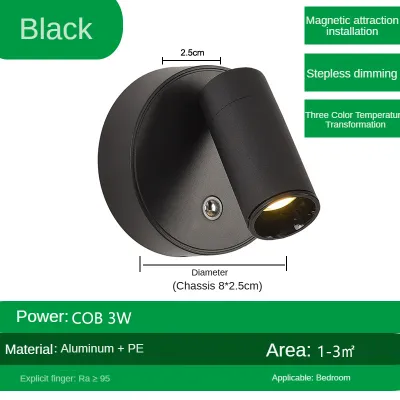
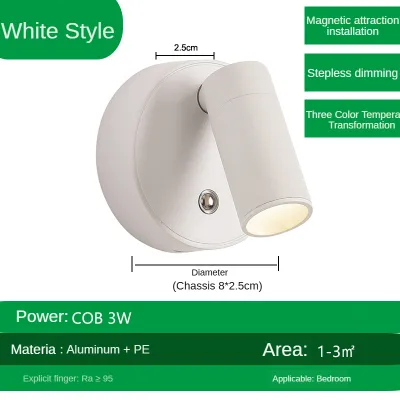
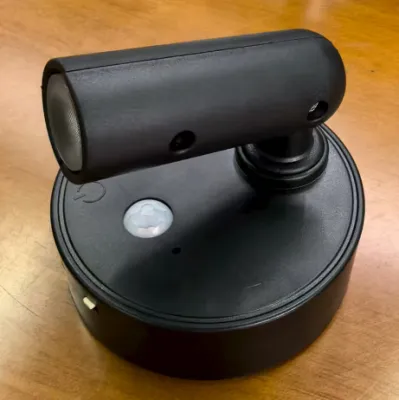
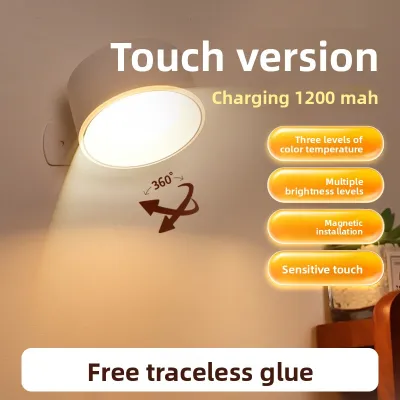
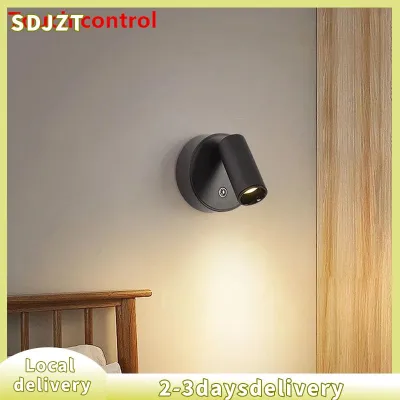
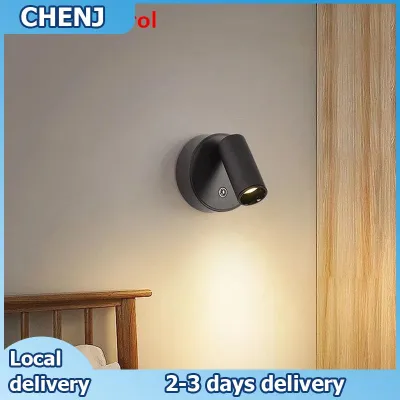
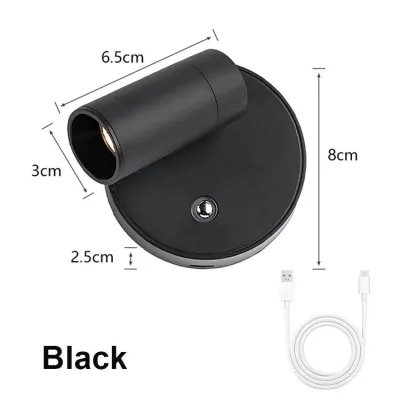
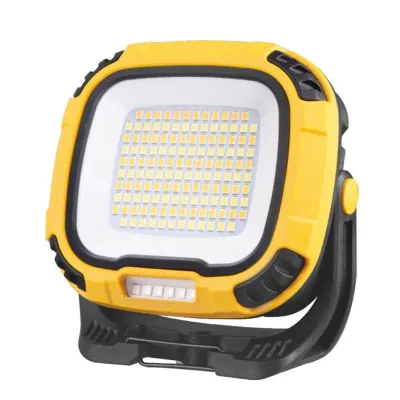
Prices are valid at publication and may change. Please refer to the product page for the latest price.
The distance between the spotlight and the surface it illuminates dramatically alters your visual experience. As you mount a fixture higher on a wall or ceiling, the light spread widens, but the perceived brightness on the floor or bed decreases. If you place a narrow-beam light too far from its target, you may end up with a dim, overly dispersed circle, whereas placing a high-lumen light too close creates an intense, blinding hotspot.
This concentrated glare is a primary source of visual discomfort, especially in transitional spaces or intimate rooms. When your eyes are adjusted to the dark, sudden exposure to concentrated, unshielded light causes temporary blindness and eye fatigue. By matching the light spread to the physical dimensions of your room, you can create a seamless transition that guides your steps or eases you into sleep.
Hallway Lighting: Specs for Safe Navigation Without Glare
Hallways are transitional zones where the primary objective is safe movement without harsh transitions. To achieve this, look for rechargeable magnetic spotlights that offer a wide beam angle, typically between 60 and 120 degrees. This broad distribution ensures that the light washes over the floor and lower walls, illuminating potential tripping hazards like stray shoes or toys without casting long, deceptive shadows.

Brightness levels in a hallway should remain moderate, ideally ranging from 100 to 150 lumens. This range provides sufficient visibility to read door labels or navigate steps safely, yet it is low enough to prevent blinding glare when you step out of a dark bedroom in the middle of the night. Positioning the fixtures at a lower height, such as knee-level or just above the baseboards, can also direct the light downward where it is needed most.
Because hallways experience frequent foot traffic, the physical stability of your lighting setup is paramount. Before mounting, verify the texture and material of your wall surface, as standard adhesive backings may struggle to grip textured plaster, concrete, or moisture-prone plywood walls in humid environments. Ensure the magnetic base is rated to hold the weight of the spotlight securely, preventing accidental falls if someone brushes past the wall.
Bedside Lighting: Specs for Reading Comfort and Ambient Glow
Bedside lighting serves a dual purpose: it must provide enough focused light for reading while maintaining a relaxing, low-light environment that prepares your body for sleep. For this application, a narrow beam angle of 15 to 30 degrees is highly recommended. This tight focus allows you to direct the light precisely onto your book or tablet, keeping the surrounding areas in shadow and ensuring you do not disturb a sleeping partner.
When it comes to brightness, lower outputs of 50 to 100 lumens are generally sufficient for close-up reading. It is also crucial to check the color temperature specifications on the product packaging, opting for warm white light between 2700K and 3000K. Warm light mimics the natural sunset, helping to promote relaxation, whereas cool blue-toned light can disrupt your natural sleep cycle.
To maximize comfort, prioritize rechargeable spotlights that feature built-in dimming capabilities or multiple brightness modes. A step-less dimming feature allows you to fine-tune the light output as your eyes adjust to the evening darkness. This flexibility ensures that the spotlight can transition seamlessly from a functional reading light to a very low-intensity nightlight for overnight comfort.
Evaluating Rechargeable Magnetic Spotlight Features for Your Setup
Beyond light output, the utility of a cordless spotlight depends heavily on its battery specifications and physical design. Check the manufacturer’s rated battery capacity, usually listed in milliampere-hours (mAh), and compare it against your expected daily usage. A hallway light that stays on for several hours each night will require a larger battery capacity or more frequent charging than a bedside light used only for brief reading sessions.
The strength of the magnetic connection is another critical safety factor to verify before installation. High-capacity batteries add significant weight to the fixture, requiring a robust magnetic base to keep the light from sliding down the wall. Look for models that utilize high-grade magnets and feature a textured, non-slip contact surface on both the base and the light body.
Finally, evaluate the charging mechanism and overall convenience of the design. Most modern fixtures utilize a standard USB-C port, which is highly convenient for charging with standard mobile phone adapters. Check whether the spotlight can be easily detached from its magnetic base without disturbing the wall mount, or if the unit supports pass-through charging, allowing it to operate while plugged into a nearby power bank or wall outlet.
Common Spec-Matching Mistakes to Avoid
One of the most frequent errors is installing an excessively bright spotlight in a small, dark-adapted space. Buying a high-lumen fixture thinking “brighter is better” often results in an uncomfortable glare that makes bedside reading painful and hallway navigation jarring. Always match the lumen output to the specific task rather than opting for the maximum brightness available.
Another common mistake is ignoring the beam angle entirely, which leads to poor light distribution. A narrow-beam spotlight installed in a hallway will create a harsh, circular hotspot on the floor while leaving the rest of the path in deep shadow, increasing the risk of trips. Conversely, a wide-beam light used at the bedside will spill light across the entire room, defeating the purpose of a private reading light.
Lastly, do not overlook the physical weight of the spotlight in relation to its mounting system. Choosing a model with a massive battery for extended runtime is useless if the weight exceeds the holding capacity of the magnetic mount or the adhesive pad. Always verify that the mounting hardware is rated for the specific weight of the light, especially when installing on non-metallic surfaces.
Frequently Asked Questions (FAQ)
Can I use the same spotlight for both the hallway and bedside?
Yes, you can use the same model for both locations, provided the spotlight features adjustable settings. To make a single fixture work in both environments, choose a model that offers adjustable beam angles (or a zoomable lens) and variable brightness levels. This allows you to widen the beam and increase the brightness for hallway safety, or narrow the beam and dim the output for comfortable bedside reading.
How do I safely mount a magnetic light on a non-metal wall?
To mount a magnetic spotlight on drywall, concrete, or wood, you must use the metal mounting plate typically included with the fixture. For smooth, painted surfaces, a high-quality double-sided adhesive pad is usually sufficient. For textured walls, concrete, or heavy fixtures, it is safer to secure the metal plate to the wall using small screws and wall anchors to prevent the entire assembly from falling.
Community discussion
Share your experience or ask a question. Comments are reviewed before publication.