
Selecting the perfect capiz shell St. Therese of the Child Jesus decor piece for your home altar or personal prayer corner requires a thoughtful balance of size, style, and devotional purpose. The natural, pearlescent translucency of capiz shells makes them a beautiful medium for sacred art, catching ambient light to create a serene, reflective atmosphere. To find the ideal piece, you must evaluate how the artwork’s scale, frame design, and representation of the Little Flower harmonize with your existing religious items and the physical environment of your home.
Assessing Your Devotional Space: Home Altars vs. Prayer Corners
Creating a dedicated space for reflection and prayer is a deeply personal endeavor that reflects your household’s spiritual life. Before purchasing any capiz shell decor, evaluate the physical and spiritual characteristics of the designated area. A formal home altar, or altar de casa, typically serves as the central devotional hub for the entire family. This space often demands a prominent, structured focal point where a larger, framed capiz shell portrait of St. Therese of the Child Jesus can anchor the setup alongside statues, candles, and a central crucifix.
In contrast, a personal prayer corner is designed for quiet, individual contemplation and requires a much more subtle, intimate touch. For these smaller nooks, a delicate capiz shell hanging plaque or a small, freestanding framed accent is often more appropriate. These smaller pieces foster a sense of closeness and simplicity, aligning beautifully with St. Therese’s “Little Way” of spiritual childhood.
Products mentioned in this guide

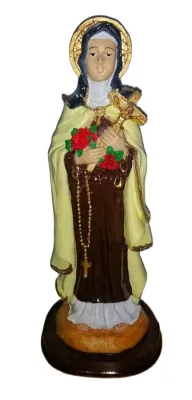
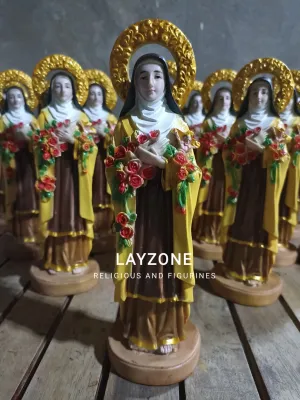

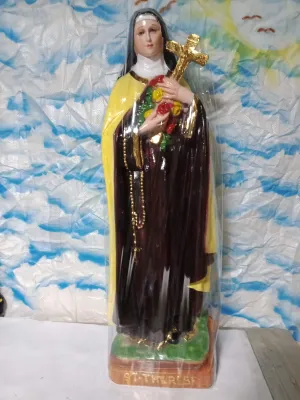

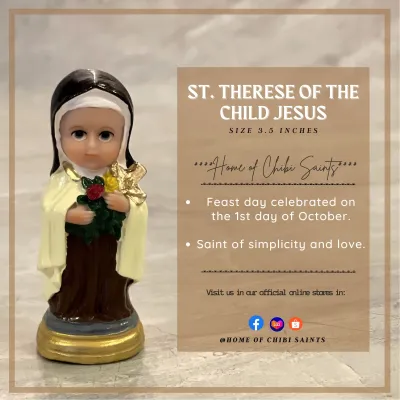
Prices are valid at publication and may change. Please refer to the product page for the latest price.
You must also carefully assess the physical constraints of the space, including available wall area, existing lighting conditions, and the collection of religious items already present. Overcrowding an altar can lead to visual clutter, which distracts from the peaceful mindset needed for prayer. Observe how natural light enters the room throughout the day and identify where shadows fall. This observation helps you determine whether your St. Therese of the Child Jesus piece will be viewed primarily under soft morning light, bright afternoon sun, or the warm glow of evening altar candles.
Choosing the Right Capiz Shell St. Therese Piece
Capiz shells, harvested from the windowpane oyster native to the coastal waters of the Philippines, possess unique natural properties that make them highly prized for religious decor. The shell’s natural translucency allows light to pass through, creating a soft, warm glow that shifts in intensity depending on the angle of illumination. When used in religious art, this pearlescent quality lends a gentle, ethereal beauty to the image of St. Therese, highlighting her gentle expression and the roses she holds.

When selecting a piece, verify the structural integrity of the frame and the secure mounting of the shell inlays. High-quality capiz decor features shells that are carefully cut, laid, and bound with durable metal or wood frames. Inspect the edges of the shell panels to ensure they are smooth and tightly sealed, as loose edges can catch dust or lift over time. The backing of the frame should be sturdy enough to support the delicate shell work without flexing, which could cause the natural material to crack.
Additionally, match the color palette and finish of the capiz piece with your existing altar furnishings. Capiz shell decor ranges from natural, creamy white tones to pieces accented with gold, silver, or soft pastel dyes. If your altar features dark wood tables and brass candle holders, a capiz frame with warm gold trim or natural cream tones will create a cohesive, traditional look. For modern, minimalist prayer spaces, a silver-trimmed or pure white capiz design offers a clean, contemporary aesthetic.
Sizing and Proportion Guidelines
Achieving the right visual balance on your altar requires careful measurement and an understanding of visual hierarchy. Begin by measuring the designated wall area or shelf space where you plan to place the St. Therese of the Child Jesus decor. A piece that is too large will overwhelm the space, while a piece that is too small may get lost among other devotional items.
To maintain a respectful visual hierarchy, consider how the St. Therese piece interacts with other sacred objects. Traditionally, a central crucifix or a statue of the Blessed Virgin Mary holds the primary position of honor on a home altar. A capiz shell portrait of St. Therese should be scaled to complement, rather than compete with, these central figures. If you have a large central statue, choose a medium-sized framed capiz portrait to place slightly to the side or below it.
Leaving adequate negative space around the decor is equally important for preserving a serene, prayerful atmosphere. Allow a few inches of open wall space around the frame to let the artwork “breathe.” This open space prevents the altar from feeling cramped and allows the delicate details of the capiz shell to stand out clearly during your moments of reflection.
Style and Imagery Considerations
The artistic representation of St. Therese of the Child Jesus should resonate with your personal devotion and complement your home’s interior design. Traditional representations often feature highly detailed, colorful portraits printed or painted behind the translucent shell, giving the image a soft, vintage depth. These classic styles are perfect for traditional homes and formal altars where detailed iconography is preferred.
Alternatively, minimalist shell inlay designs use the natural shapes and shades of the capiz shell itself to form the silhouette of the saint or her symbolic roses. These modern interpretations rely on texture and light rather than detailed paintwork, making them ideal for contemporary homes that favor clean lines and subtle symbolism.
When choosing a piece, pay close attention to the symbolic elements included in the design. St. Therese is almost always depicted holding a crucifix and a bundle of roses, symbolizing her promise to spend her heaven doing good on earth and letting fall a shower of roses. Ensure that these symbols are rendered with clarity and reverence. Check product photos closely to confirm that the printing or hand-painted details are sharp, aligned correctly with the shell panels, and free from distortion.
Placement, Lighting, and Maintenance
Proper installation and care are vital to preserving the delicate beauty of your capiz shell decor for years to come. When mounting wall decor, always check your wall type—whether concrete, drywall, or wood—and use the appropriate anchors and screws. Because capiz shell pieces can be fragile, relying solely on temporary adhesive strips is not recommended; a secure, mechanical fastener ensures the piece will not fall and break.
Positioning your decor to maximize the natural translucency of the capiz shell requires a balance of light and protection. Place the piece where it can catch ambient light from a nearby window or a dedicated altar lamp, which will illuminate the pearlescent layers of the shell. However, avoid exposing the decor to direct, harsh tropical sunlight. Over time, intense UV rays can fade the printed imagery of St. Therese and dry out the natural shell, making it brittle and prone to cracking.
Cleaning capiz shell decor requires a gentle, non-abrasive touch to avoid scratching the delicate surface or damaging the printed image. Use a dry or barely damp microfiber cloth to wipe away dust from the flat surfaces. Never use harsh chemical cleaners, abrasive pads, or excessive water, as these can strip the protective coating of the shell and dissolve the adhesives holding the inlays together. For intricate, textured edges where dust tends to collect, use a soft-bristled brush or a clean makeup brush to gently sweep away particles without dislodging the delicate shell pieces.
Sourcing Authentic Capiz Shell Religious Decor
When shopping for religious capiz shell items on online marketplaces or from local artisans, careful evaluation of product listings is key to ensuring you receive a high-quality piece. Read product descriptions thoroughly, looking for explicit mentions of authentic capiz shell materials, sturdy frame construction, and protective packaging. Authentic capiz has a distinct, cool-to-the-touch feel and a natural variation in texture that synthetic plastic imitations cannot replicate.
To verify the quality of the St. Therese imagery, check the seller’s reputation and look closely at customer-uploaded photos. These real-world images provide a much more accurate representation of the item’s true colors, shell thickness, and overall craftsmanship than polished promotional photos. Pay attention to reviews that mention how well the item was packaged for shipping, as fragile capiz shells require generous bubble wrap and sturdy boxing to survive transit.
Finally, always review the return and refund policies of the online marketplace or seller before finalizing your purchase. Because religious items are sacred and capiz shell is inherently fragile, you want to ensure that you have a clear recourse if the item arrives damaged or does not meet your expectations. Choosing sellers who offer guarantees on fragile shipments provides peace of mind as you prepare to welcome this beautiful devotional piece into your home.
Frequently Asked Questions (FAQ)
Can capiz shell decor be placed in humid areas like near an open window?
Capiz shell is a natural marine material that handles moderate humidity well, but prolonged exposure to high humidity, rain spray, or condensation near an open window can damage the piece. Excess moisture can weaken the adhesives holding the shell inlays to the frame and cause wooden backings to warp. It is best to place your St. Therese decor in a well-ventilated, indoor area away from direct exposure to outdoor elements, and relocate the piece if you notice any signs of warping or peeling.
How do I clean a capiz shell frame without damaging the St. Therese image?
To clean the frame safely, use a dry, soft microfiber cloth to gently wipe the surface. If there are stubborn spots, slightly dampen the cloth with plain water, but avoid spraying water directly onto the decor or using chemical cleaners. For the textured edges and joints of the capiz shell, use a soft-bristled brush, such as a clean paint or makeup brush, to sweep away dust without applying pressure that could dislodge the delicate shell pieces.
Community discussion
Share your experience or ask a question. Comments are reviewed before publication.