
Selecting the best cat figurines for outdoor garden display in the Philippines requires balancing visual appeal with extreme tropical weather resistance. The local climate presents unique challenges, including intense solar radiation, high humidity, and torrential monsoon rains. To ensure your decorative feline companions remain charming focal points rather than weathered eyesores, you must evaluate material durability, structural stability, and protective coatings before making a purchase.
High humidity can accelerate mold and algae growth on porous materials, while relentless UV rays can quickly fade vibrant paint finishes. By understanding how different materials interact with these environmental factors, you can make an informed decision that enhances your outdoor living space for years to come. This guide outlines the essential criteria for choosing, placing, and maintaining outdoor cat figurines to keep your garden looking its best.
Key Factors for Selecting Outdoor Cat Figurines
Before browsing online marketplaces or local garden centers, establishing clear baseline criteria helps narrow down your options. The primary consideration for any outdoor ornament in a tropical environment is its ability to withstand constant exposure to the elements. Manufacturers often apply specific treatments to outdoor decor, so reading product descriptions carefully for weatherproofing claims is a crucial first step.
Products mentioned in this guide
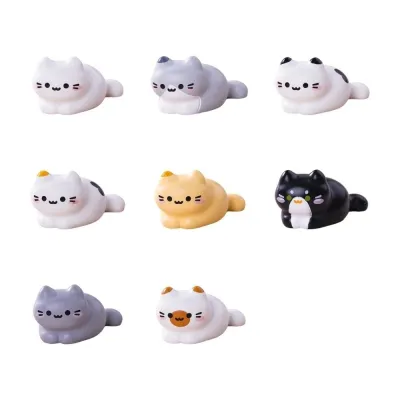
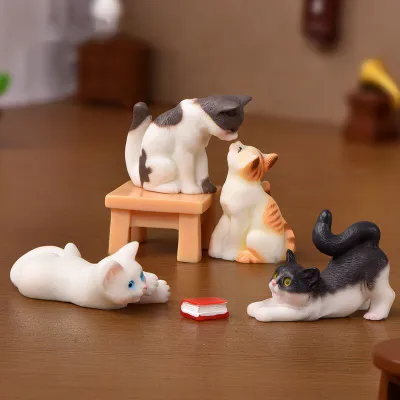
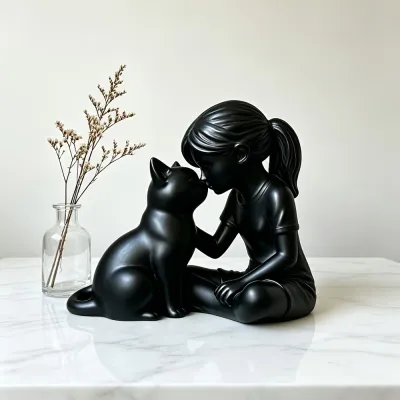
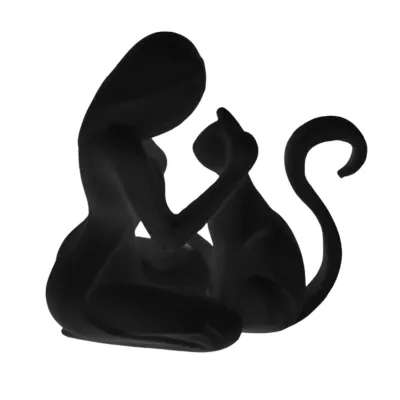
Prices are valid at publication and may change. Please refer to the product page for the latest price.
UV stability is particularly important in the Philippines, where intense sunlight can degrade unprotected plastics and resins, causing them to become brittle, crack, or lose their color. Look for products that explicitly mention UV-resistant coatings or weather-resistant paint. If a figurine is labeled for indoor use only, it will likely deteriorate rapidly if placed in an open garden bed.
Weight and base stability are equally critical, especially if you live in an area prone to strong winds or plan to display the figurine on an elevated surface like a balcony railing or a retaining wall. A lightweight ornament can easily tip over during a sudden gust, leading to chips, cracks, or damage to surrounding plants. Evaluating the surface area of the figurine’s base and its overall center of gravity will help you determine if it can stand securely on its own.
Additionally, you must inspect the design for potential water-pooling risks. Hollow figurines or those with complex, cupped poses (such as a cat curled up or holding a small decorative bowl) can collect rainwater. Standing water not only damages the material over time but also creates a breeding ground for mosquitoes. Checking for built-in drainage holes or choosing designs that naturally shed water will prevent these moisture-related issues.
Comparing Common Materials for Garden Ornaments
Different materials offer distinct advantages and trade-offs regarding durability, maintenance, and aesthetic style. Understanding these differences allows you to choose a cat figurine that aligns with your garden’s environment and your willingness to perform regular upkeep.

Resin and polyresin are highly popular for detailed, realistic, or whimsical cat designs. These materials are lightweight, versatile, and capable of holding intricate textures like molded fur. When evaluating resin figurines, check for UV-coating claims and frost-resistance labels on the packaging. While frost is not a concern in most parts of the Philippines, frost-resistant ratings often indicate a higher structural density that resists cracking under temperature fluctuations. Ensure the resin is thick and substantial, as thin-walled resin can be fragile.
Ceramics and terracotta offer a classic, artisanal look that blends beautifully with potted plants. Glazed ceramics provide excellent water resistance and vibrant colors that resist fading. However, unglazed terracotta is highly porous. In humid tropical climates, porous clay absorbs moisture from the air and soil, which can lead to rapid algae growth, damp stains, or structural weakening. Verify the glaze quality to ensure there are no micro-cracks where water can seep in and damage the material.
Metal figurines, such as those made of cast iron, aluminum, or steel, provide a timeless and often elegant aesthetic. Cast iron is exceptionally heavy and stable, making it highly resistant to wind, but it is prone to rust in humid environments unless treated with a protective sealant. Aluminum is lighter and naturally rust-resistant, though it may require a powder-coated finish to maintain its appearance. When choosing metal, look for powder-coating specifications and plan to apply a clear rust-inhibiting spray periodically.
Stone and concrete are the most durable options for permanent garden installations. These materials are heavy, highly stable, and weather beautifully over time, developing a natural patina that complements lush foliage. However, their weight makes them unsuitable for delicate shelves, hanging planters, or soft, muddy soil. If you select a stone or concrete cat figurine, ensure the supporting surface is stable and capable of bearing the load without sinking or tilting.
Matching Styles, Poses, and Sizes to Your Garden
An effective garden display relies on visual harmony between your ornaments and the surrounding landscape. The style, pose, and size of your cat figurine should complement your existing plants, hardscaping, and overall design theme.
Aligning the figurine’s aesthetic with your garden theme creates a cohesive look. For instance, a sleek, minimalist stone cat fits perfectly in a modern Zen garden or alongside structured ornamental grasses. Conversely, a colorful, whimsical resin cat holding a lantern or playing with a butterfly is well-suited for a lush, cottage-style flower bed or a playful family patio. Consider the existing colors and textures in your garden to choose a style that enhances rather than clashes with the environment.
Scaling is another crucial factor. A tiny figurine will easily get lost in a bed of large elephant ears, broad-leafed philodendrons, or tall shrubs. On the other hand, an oversized statue might overwhelm a delicate succulent arrangement or a small balcony garden. Measure the intended display area and compare those measurements with the product’s dimensions before purchasing to ensure the figurine is proportionate to its surroundings.
Furthermore, different poses can be used strategically to fit specific niches or focal points. A sleeping cat figurine looks natural and endearing nestled under a low-hanging shrub, on a shaded garden bench, or tucked into a hollow log. A stretching or sitting cat can act as a sentinel at the entrance of a pathway, on top of a retaining wall, or next to a prominent garden gate. Ensure the pose does not obstruct foot traffic or make routine garden maintenance, such as weeding or watering, difficult.
Strategic Placement and Weather Protection
Where and how you position your cat figurine can significantly impact its lifespan and visual appeal. Strategic placement helps protect the material from environmental wear while maximizing its decorative effect.
Even figurines with UV-resistant coatings can fade over time if exposed to direct, intense sunlight day after day. To prolong the vibrant colors of painted or resin pieces, position them in semi-shaded areas. Placing them under the canopy of larger garden plants, beneath a pergola, or on a covered patio shield them from the harshest midday sun while still allowing them to be seen and enjoyed.
Placing figurines directly on bare, damp soil exposes them to constant moisture wicking, which can cause base rot, staining, or rapid algae buildup. To prevent this, elevate your decor slightly. You can place the figurine on a flat stepping stone, a decorative saucer, a bed of gravel, or a wooden riser. This keeps the base dry, improves air circulation, and prevents the ornament from sinking into the mud during heavy downpours.
In windy corridors, open terraces, or elevated planter edges, securing lightweight figurines is essential to prevent them from falling and breaking. For hard, non-porous surfaces like concrete, tile, or stone, you can use outdoor-safe adhesives, museum wax, or heavy-duty double-sided mounting tape to secure the base. If you are placing a lightweight figurine in a garden bed, look for designs that accommodate ground stakes or have hollow bases that can be anchored securely.
Cleaning and Seasonal Maintenance
Regular maintenance preserves the appearance and structural integrity of your outdoor figurines, ensuring they remain a beautiful part of your garden for years. Establishing a simple cleaning routine is highly effective in a tropical climate.
Dust, dirt, bird droppings, and algae can accumulate quickly in humid conditions. Clean your figurines regularly using a soft-bristled brush, warm water, and mild, diluted dish soap. Avoid harsh chemical cleaners, bleach, or abrasive scrubbers, as these can strip away protective UV coatings, paint, or delicate patinas. Rinse the figurine thoroughly with clean water and allow it to dry completely in a shaded area.
During the heavy monsoon or typhoon seasons in the Philippines, wind, heavy rain, and flying debris pose a significant risk to outdoor decor. It is highly recommended to move delicate, lightweight, or highly valued figurines indoors or to a secure storage area during extreme weather. Always refer to the manufacturer’s care instructions regarding weather exposure and storage recommendations.
Periodically inspect your garden ornaments for signs of wear, such as hairline cracks, paint peeling, or rust spots. Addressing these minor issues early prevents them from turning into major damage. If you notice wear, consult the manufacturer’s guidelines for recommended repair methods, such as applying a fresh coat of clear outdoor sealant or rust-inhibiting paint to restore the protective barrier.
Frequently Asked Questions (FAQ)
Can I leave painted resin cat figurines outside all year round?
While many resin figurines are designed for outdoor use, leaving them exposed to intense tropical sun and heavy rains year-round can accelerate fading and material degradation. Check the product label for specific UV-resistance ratings. If the paint begins to show signs of chalking, peeling, or brittleness, it is best to move the figurine to a shaded or covered area to prolong its lifespan.
How do I stop a lightweight cat figurine from blowing over?
To stabilize lightweight garden ornaments on hard surfaces like concrete or tiles, apply outdoor-safe museum wax or temporary mounting adhesives to the base. If the figurine has a hollow design with an accessible bottom opening, you can carefully add dry sand or small pebbles to weigh it down, provided this does not block any essential drainage holes designed to prevent water accumulation.
Are solar-powered cat figurines safe for rainy garden beds?
Solar-powered figurines can be safe for outdoor use, but you must verify their Ingress Protection (IP) rating on the packaging. Look for an IP44 rating or higher, which indicates resistance to splashing water from all directions. Ensure the solar panel remains free of dirt, fallen leaves, and standing water, and position the figurine where it receives sufficient sunlight to charge without being submerged in waterlogged soil.
Community discussion
Share your experience or ask a question. Comments are reviewed before publication.