
Selecting the right Chinese New Year wall art involves balancing vibrant cultural traditions with the specific functional needs of your living spaces. While the living room thrives on bold, energetic focal points that welcome guests with wishes of prosperity, the bedroom requires a more subdued, restful approach to ensure a peaceful environment. By understanding traditional motifs, sizing rules, and material durability, you can seamlessly integrate festive decor into your home.
Exploring Traditional and Modern Festive Motifs
Auspicious symbols carry deep historical meanings that can set the tone for your entire home during the spring festival. Peonies represent wealth, honor, and prosperity, making them a popular choice for families wishing for financial growth. Koi fish symbolize abundance and perseverance, reflecting the traditional phrase nian nian you yu, which wishes for surplus year after year. Plum blossoms, which bloom in late winter, signify resilience, hope, and new beginnings, offering a beautiful natural aesthetic that complements various interior styles.
Zodiac representations are highly popular but require careful selection depending on your household preferences. You can choose the animal of the current lunar year to mark the specific occasion, or opt for a representation of your family members’ zodiac signs for a more personalized, long-term display. Some families prefer to display a compilation of all twelve zodiac animals in a stylized, modern format, which avoids the need to replace the artwork every year.
Products mentioned in this guide
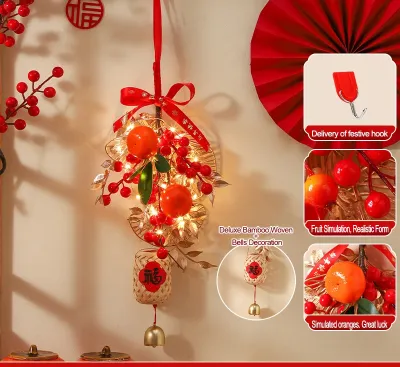

Prices are valid at publication and may change. Please refer to the product page for the latest price.
Traditional calligraphy, featuring characters like Fu (prosperity) or Chun (spring), adds a classic touch to any wall. For modern homes, minimalist interpretations use clean lines, abstract gold foil accents, and negative space to soften the intense contrast of traditional red and gold colorways. These contemporary designs allow you to honor cultural traditions without disrupting a modern minimalist or Scandinavian interior design theme.
To keep your home looking cohesive, balance the festive vibrancy of these pieces with your existing decor. If your room features neutral tones, a single bold red canvas can serve as a striking accent without clashing with your everyday aesthetic. Alternatively, you can opt for pieces that feature gold accents on white or cream backgrounds, which offer a subtle nod to the holiday while maintaining a calm, sophisticated atmosphere.
Sizing and Placement Strategies for the Living Room
The living room is the central gathering space during Chinese New Year, making it the ideal location for a high-impact visual statement. Hanging a large, single-panel canvas or a coordinated multi-panel arrangement above the sofa immediately draws the eye and sets a celebratory tone. This area serves as the backdrop for family photos and gatherings, so the artwork should feel intentional and well-integrated.

To maintain visual balance, follow standard proportion guidelines when selecting your artwork. The piece should ideally span approximately two-thirds to three-quarters of the width of the furniture below it. Additionally, ensure the center of the piece hangs at eye level, which is typically about 140 to 150 centimeters from the floor. If you have high ceilings, you can opt for taller vertical scrolls or a stacked multi-panel arrangement to fill the vertical space.
Be mindful of existing wall decor, wall-mounted televisions, and lighting fixtures to avoid a cluttered appearance. Leaving sufficient breathing room—at least 15 to 20 centimeters of blank wall space around the frame—prevents visual clutter and allows each decorative element to stand out. If you have wall sconces, ensure the artwork is centered between them to maintain symmetry.
Natural light is another critical factor in the Philippines, where bright tropical sunlight can stream through large windows. Position your canvas prints away from direct glare, or choose matte finishes over glossy coatings to ensure the artwork remains clearly visible throughout the day. If the room receives intense afternoon sun, hanging the art on a wall adjacent to the window rather than directly opposite it can help minimize reflections.
Creating a Restful Festive Atmosphere in the Bedroom
While the living room embraces high-energy celebration, the bedroom must remain a sanctuary for rest and recovery. Festive decor in this space should feature softer, more soothing color palettes, such as pastel pinks, muted golds, or watercolor washes, rather than intense, saturated reds. This approach allows you to participate in the holiday spirit without compromising your sleep quality.
Opt for smaller, single-panel formats or subtle triptychs that match the intimate scale of the room. Delicate floral motifs, like soft plum blossoms or elegant bamboo watercolor prints, introduce the spirit of the season without overwhelming the senses. These designs offer a gentle reminder of renewal and growth, which aligns beautifully with the themes of the new year.
If you plan to hang artwork above the headboard, prioritize safety and visual weight. The piece should not feel top-heavy or wider than the bed frame itself. Secure mounting is essential here to prevent any accidental falls during sleep, especially in regions prone to minor seismic activity. A lightweight canvas frame is often a safer choice for this specific location than a heavy glass-fronted frame.
Avoid pieces with highly textured surfaces, heavy frames, or aggressive geometric patterns. These elements can create visual tension, making it harder to unwind at the end of the day. Instead, focus on fluid, organic lines and soft, blended brushstrokes that promote relaxation and a sense of peace.
Evaluating Materials, Frames, and Hanging Hardware
Before purchasing, verify the quality of the materials to ensure your investment lasts beyond a single season. Look for canvas prints that are tightly wrapped and stretched over solid wood stretcher bars to prevent sagging over time. The canvas material itself should be water-resistant and UV-resistant, which helps protect the print from fading under tropical sunlight and resisting damage from indoor humidity.
The structural composition of your walls dictates the type of hanging hardware you need. In the Philippines, residential walls are frequently constructed from solid concrete or hollow blocks rather than drywall. Hanging heavy frames on these surfaces requires masonry drills, plastic wall plugs, and sturdy screws rather than simple nails. For lighter pieces, specialized concrete hooks with small steel pins can be tapped directly into the wall without drilling.
Always check the manufacturer’s specifications for the weight of the artwork and ensure your hooks or brackets are rated to support that specific load. For lightweight, unframed canvases, adhesive strips designed for high-humidity environments may suffice, but heavier framed pieces demand mechanical anchors. Using underrated hardware can lead to the artwork falling, potentially causing damage to your floors or furniture.
If you are dealing with exceptionally large, heavy, or high-reaching installations, it is safest to pause and consult a qualified professional. Attempting to mount substantial pieces without the proper tools or experience can result in damaged walls, broken artwork, or personal injury. A professional installer can ensure the piece is precisely level and securely anchored to the wall structure.
Navigating Online Marketplaces and Local Stores
When shopping on e-commerce platforms, always read the detailed dimension specifications rather than relying solely on product photos, which can sometimes be digitally altered to look larger. Measure your actual wall space with a tape measure before finalizing your order to ensure the piece fits your room’s proportions.
Customer reviews and uploaded photos are invaluable resources for verifying quality. These real-world images help you assess the true color accuracy, print resolution, and frame finish, ensuring the product matches the polished studio photography. Look for reviews that mention the packaging quality, as festive decor can easily be damaged during transit if not properly protected.
Compare prices in ₱ across different online marketplaces and local home decor stores to find great value. Keep in mind that extremely low prices may indicate thinner canvas material, lower-resolution printing, or flimsy framing. Investing slightly more in a high-quality print can ensure the colors remain vibrant for many years to come.
Because Chinese New Year is a peak shopping season, shipping timelines can experience significant delays. Verify the estimated delivery dates on the product page and order well in advance to ensure your decorations arrive in time for the festivities. Additionally, review the seller’s return policies so you know how to handle situations where an item arrives damaged or incorrect.
Frequently Asked Questions (FAQ)
How early should I order wall art before the holiday?
It is advisable to place your order at least four to six weeks before Chinese New Year. This timeline accounts for standard processing, potential holiday logistics bottlenecks, and shipping transits. Ordering early also provides a comfortable buffer period to handle returns or exchanges if the artwork arrives damaged or does not match your expectations.
Can I reuse Chinese New Year canvas prints for other occasions?
Yes, you can easily reuse your prints if you select versatile motifs. Designs featuring elegant koi fish, blooming peonies, or abstract gold accents carry year-round appeal and fit beautifully into everyday tropical decor. To maximize reusability, avoid pieces that feature highly specific zodiac animals or explicit calendar dates.
What is the best way to clean and store festive canvas art?
To clean your canvas, gently dust the surface with a soft, dry microfiber cloth. Avoid using harsh chemical cleaners, wet sponges, or excessive moisture, which can warp the canvas or cause the inks to bleed. When storing seasonal pieces, wrap them in acid-free paper and place them flat or upright in a cool, dry area away from direct sunlight and high humidity.
Community discussion
Share your experience or ask a question. Comments are reviewed before publication.