
In the Philippines, the arrival of the Ber months brings a wave of festive preparation, with the living room serving as the central hub for family reunions and daytime gatherings. However, a living room blessed with abundant natural daylight presents a unique decorating challenge. Heavy, traditional holiday drapes can block the cheerful tropical sun, trap heat, and make the space feel dark and cramped. Conversely, overly thin curtains might fail to control harsh midday glare, making guests uncomfortable and washing out your festive decor. Finding the perfect Christmas curtains requires a thoughtful balance of fabric weight, color selection, and smart layering techniques to keep your home bright, cool, and beautifully festive.
Assessing Daylight and Privacy Needs for Gatherings
Before purchasing new seasonal window treatments, observe how natural light moves through your living room during the day. Direct sunlight, especially during late morning and early afternoon, can rapidly raise indoor temperatures and create uncomfortable glare on television screens or mobile devices. If your living room windows face east or west, you will experience intense, direct rays at specific hours, whereas north- or south-facing windows typically receive softer, indirect light.
Socializing during daytime holiday parties requires a balance between preserving pleasant outdoor views—such as a manicured garden or a decorated patio—and softening the harsh tropical sun. You want your guests to feel connected to the outdoors without squinting or feeling overheated. Assessing these light patterns helps you determine whether you need light-diffusing fabrics or more substantial light-filtering panels.
Products mentioned in this guide
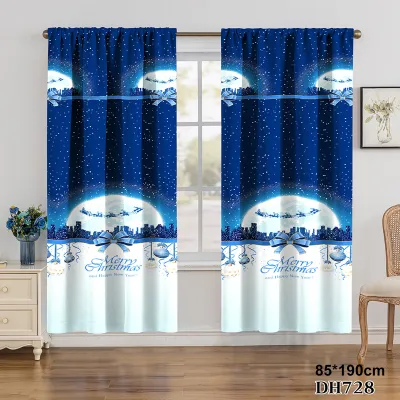
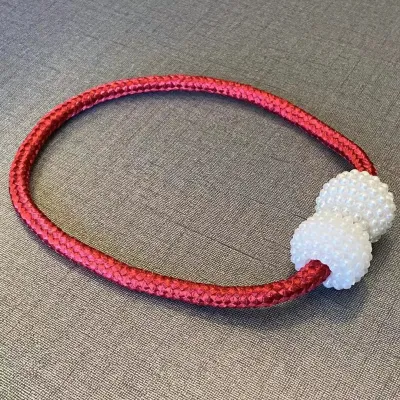
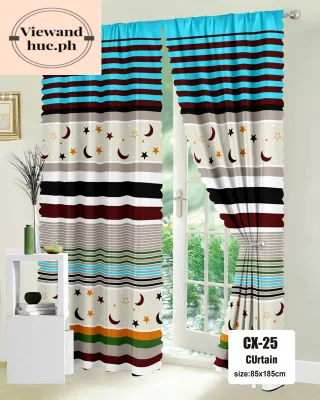
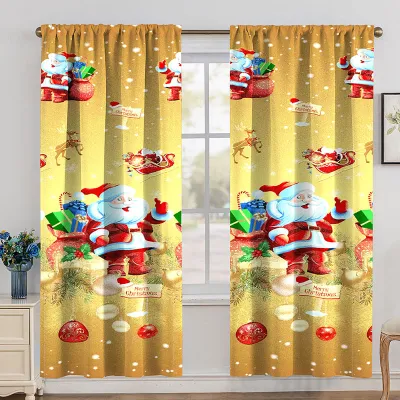
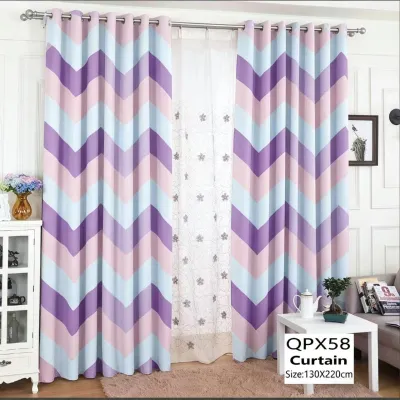
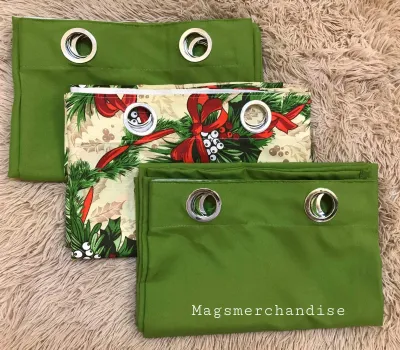
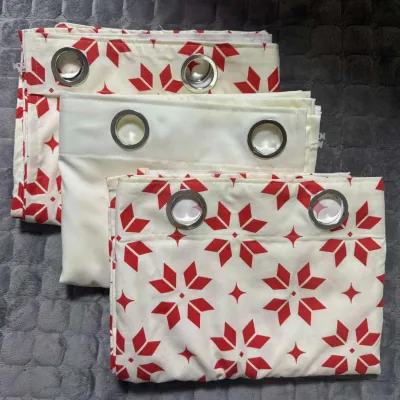
Prices are valid at publication and may change. Please refer to the product page for the latest price.
Additionally, take a close look at your existing window hardware. Measure the clearance between the window frame and the curtain rod, and check if your current brackets can support the weight of additional seasonal layers. Ensuring your hardware is secure and properly spaced prevents installation headaches when you begin hanging your holiday decor.
Selecting Festive Fabrics for Bright Environments
The choice of fabric is the most critical factor in managing light while maintaining a festive atmosphere. For highly sunlit living rooms, sheer and semi-sheer fabrics like voile, organza, or lightweight linen blends are excellent options. These materials gently diffuse intense sunlight, transforming harsh glare into a soft, warm glow while keeping the room feeling airy and spacious. They allow the natural beauty of daylight to illuminate your holiday decorations without sacrificing comfort.

If you prefer curtains with printed holiday motifs, look for light-filtering cotton or high-quality polyester blends. Polyester is particularly resilient in bright environments, as it tends to resist sun degradation and color fading better than pure natural fibers. These medium-weight fabrics offer a clean canvas for festive prints like subtle pine branches or delicate snowflakes, providing moderate light control and privacy during peak daylight hours.
In contrast, it is best to avoid thick, heavy fabrics such as dark velvet, heavy brocade, or dense blackout weaves as your primary window treatments in sun-drenched spaces. While these materials are traditional in colder climates, they tend to trap heat in tropical environments and can make a bright living room feel dark and uninviting. Save heavy textures for small accents rather than full-length window coverings.
Colors and Patterns That Complement Natural Light
Color choice significantly influences how natural light interacts with your living room. Instead of deep, light-absorbing shades, prioritize light-reflecting or neutral-based festive colors. Cream, soft gold, champagne, and warm beige serve as beautiful backdrops that bounce daylight around the room, making the space feel larger and brighter. You can introduce traditional holiday colors through muted accents, such as soft sage, dusty pine green, or a gentle cranberry red, which harmonize with the sunlight rather than overpowering it.
When it comes to patterns, subtlety is key. Large, dense, and dark graphics can block light and appear overly heavy when backlit by the sun. Instead, opt for delicate, minimalist designs. Fine tartans, slender botanical evergreen prints, or scattered metallic snowflakes catch the light beautifully without darkening the room. These patterns allow the natural daylight to filter through, highlighting the details of the design rather than turning the curtain into a solid shadow.
To create a cohesive look, coordinate your seasonal curtain colors with your existing living room furniture and natural wood tones. Sunlight naturally highlights the grain of wooden tables, chairs, and flooring. Choosing curtains with warm undertones, such as gold or cream, complements these natural elements, creating a seamless transition between your everyday decor and your seasonal holiday touches.
Layering Techniques for Flexible Light Management
Layering your window treatments offers the ultimate flexibility, allowing you to adjust light levels as the sun moves throughout the day. A highly effective approach is pairing a solid, light-filtering base panel—such as a neutral roller shade or a simple linen curtain—with a sheer festive overlay. During the brightest hours, you can draw the base layer to block glare, while leaving the sheer, decorated panel visible to maintain the holiday spirit.
If you prefer to keep your main window glass completely clear to maximize daylight and views, consider using top treatments. Christmas-themed valances, cornices, or short swags introduce festive colors and patterns at the top of the window frame without obstructing the sunlight below. You can also use decorative holiday tie-backs, such as red ribbons, faux pine garlands, or beaded tassels, to pull back your everyday curtains and frame the window beautifully.
When installing your curtain rods, extend them beyond the sides of the window frame to allow for wider stack-back widths. This design choice ensures that when you fully open the curtains for daytime parties, the fabric stacks neatly against the wall rather than blocking the glass. This simple adjustment maximizes the amount of natural light entering the room, keeping your gathering space bright and welcoming.
Practical Purchasing and Installation Checks
Before finalizing your purchase on any online marketplace or local home store, perform a few practical checks to ensure a safe and successful installation. Start by measuring your window dimensions accurately, noting both the width of the frame and the drop from the rod to the floor. If you plan to layer multiple panels, verify that your curtain rod is rated to support the combined weight of the fabrics, especially if you are adding decorative hardware or heavy holiday accents.
Always review the manufacturer’s care labels before buying. Look for fabrics that specify sun-resistant or UV-resistant treatments, which help protect the material from premature fading and weakening under intense daylight. Additionally, prioritize machine-washable fabrics; seasonal curtains accumulate dust and humidity during the Ber months, and being able to wash them easily before packing them away ensures they remain fresh for future holiday seasons.
Safety is paramount when arranging your window decor. Ensure that your curtains do not block the airflow from air conditioning vents or wall fans, as restricted airflow can strain your cooling systems and cause discomfort for your guests. If you plan to integrate holiday string lights or lighted parols near your windows, verify that all electrical cords are kept clear of the curtain fabric. Always check the wattage limits and electrical certifications of your holiday lights, and ensure they are plugged into safe, unoverloaded outlets to prevent fire hazards.
Frequently Asked Questions (FAQ)
Do sheer Christmas curtains provide enough privacy for daytime parties?
Sheer Christmas curtains are highly effective at providing daytime privacy. Because the light outside is much brighter than the light inside during the day, sheers create a visual barrier that prevents outsiders from seeing into your living room while still allowing natural light to flood the space. However, if your living room directly faces a busy street or a close neighbor, or if your gatherings extend into the evening when indoor lights are turned on, sheers alone will not be sufficient. In these cases, it is best to pair your sheer holiday curtains with adjustable blinds or solid secondary panels that can be closed when extra privacy is required.
Will direct sunlight quickly fade festive curtain patterns?
Direct sunlight can cause vibrant holiday colors, particularly deep reds and rich greens, to fade over time. To protect your investment, check the manufacturer’s specifications for UV resistance or colorfastness before purchasing. If you fall in love with a fabric that lacks sun-resistant properties, you can protect it by hanging a plain, light-colored protective lining behind the decorative curtain. This lining absorbs the brunt of the solar radiation, preserving the bright colors and intricate patterns of your festive curtains so they look beautiful year after year.

Community discussion
Share your experience or ask a question. Comments are reviewed before publication.