
Transitioning crystal sun catchers from the protected environment of indoor windows to the open, dynamic spaces of a tropical garden requires a thoughtful approach. In the Philippines, where outdoor ornaments must contend with intense tropical sunlight, high relative humidity, and sudden seasonal downpours, selecting the right style is not just an aesthetic choice but a practical one. To ensure your garden ornaments remain beautiful and intact, you must evaluate how different crystal shapes, weights, and assembly materials interact with the local climate.
By focusing on weather-resistant materials, secure hanging hardware, and strategic placement, you can enjoy the brilliant, dancing light of a sun catcher crystal without worrying about premature wear or safety hazards. This guide outlines the essential criteria for selecting, placing, and maintaining these sparkling ornaments in your outdoor living spaces.
Key Evaluation Criteria for Outdoor Crystal Sun Catchers
Outdoor exposure in a tropical climate is demanding, and the intense ultraviolet (UV) radiation can rapidly degrade low-quality materials. While genuine crystal and high-grade glass are inherently UV-stable and will not cloud or yellow over time, the same cannot be said for acrylic or plastic alternatives. When shopping on ecommerce platforms, it is vital to verify the material composition. Look for manufacturer specifications that explicitly state the use of K9 crystal or hardened glass. Additionally, check if any decorative accents, such as colored beads or resin components, are rated for outdoor use, as cheap dyes can fade within a few months of exposure to the sun.
Products mentioned in this guide
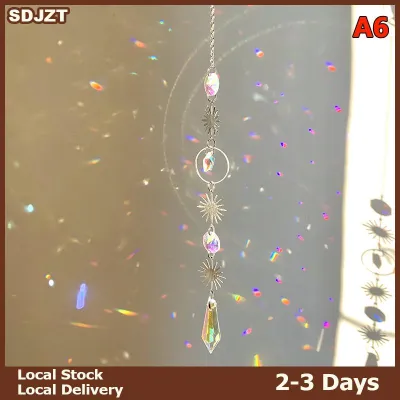
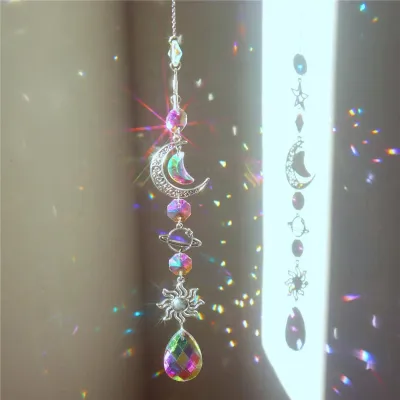
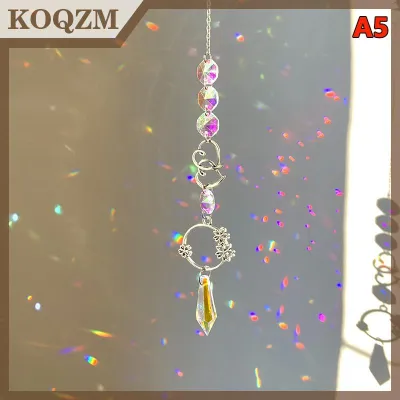
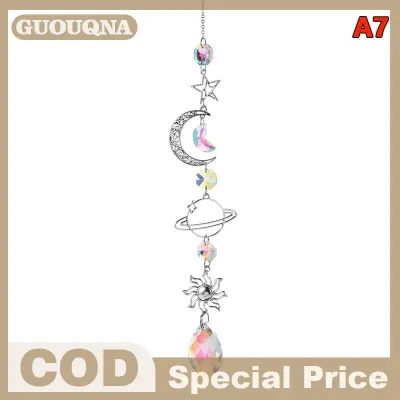
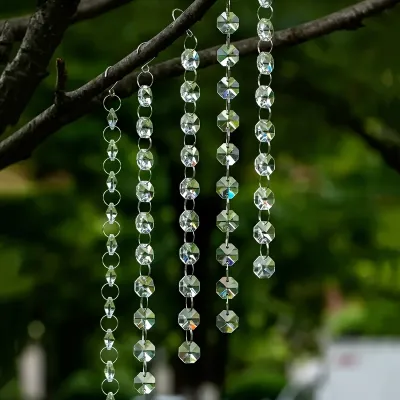
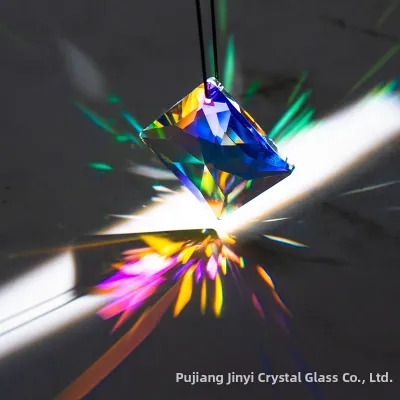
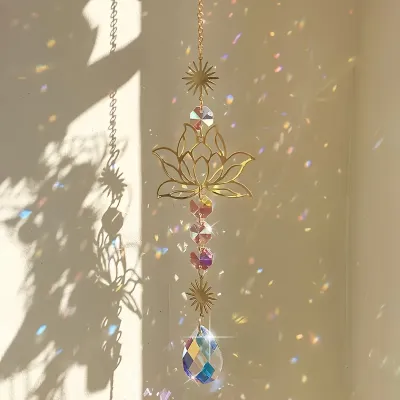
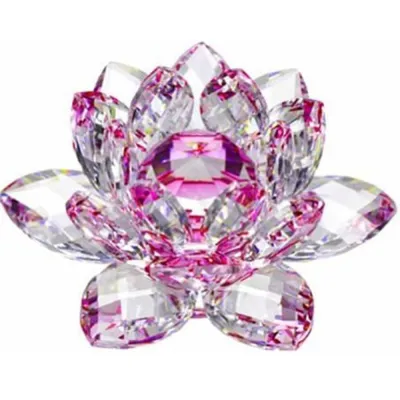
Prices are valid at publication and may change. Please refer to the product page for the latest price.
Finding the right balance between size and weight is crucial for outdoor safety. A sun catcher that is too light will toss violently in the slightest breeze, risking damage to itself or nearby foliage. Conversely, an excessively heavy ornament can strain delicate tree branches or garden hooks, especially when wet or subjected to wind resistance. For natural hangers like the branches of a plumeria (kalachuchi) or hibiscus (gumamela) bush, lightweight to medium-sized crystals are ideal. For heavier, multi-tiered designs, sturdy structural supports such as wooden pergolas, metal arches, or dedicated garden shepherd’s hooks are necessary.
The high humidity of the Philippines, particularly during the rainy season, makes standard indoor hanging hardware highly susceptible to rust and corrosion. Iron or cheap alloy chains will quickly develop unsightly orange rust, which can stain the crystal and weaken the structural integrity of the ornament. To prevent this, prioritize hardware made of marine-grade stainless steel, solid brass, or copper. If using monofilament (fishing line), ensure it is a heavy-duty, UV-resistant variety, as standard nylon lines can become brittle and snap under prolonged sun exposure. Incorporating a high-quality metal swivel at the top of the hanging assembly is also highly recommended; this allows the sun catcher to spin freely in the wind without twisting and snapping the main cord.
Evaluating Design Styles for Different Garden Zones
Faceted crystal prisms, such as teardrops, icicles, and spheres, are the classic choice for maximizing light refraction. When placed in open garden beds that receive direct sunlight, these shapes act as tiny prisms, scattering vibrant rainbows across your lawn, pathways, and foliage. In shaded patio areas or under the canopy of large trees like mango or rambutan, clear crystal drops can capture dappled sunlight, creating a subtle, dancing light effect. When choosing these styles, inspect the stringing material. Individual crystals strung on flexible stainless steel wire offer the best combination of durability and flexibility for outdoor environments.

If you want to add color to your garden even on overcast days, fused glass and stained crystal sun catchers are excellent options. These designs use colored glass panels or crystal accents joined together to create intricate patterns. However, the construction method is critical for outdoor longevity. Traditional stained glass techniques using lead came or copper foil can be sensitive to extreme temperature fluctuations and high humidity, which may cause the solder joints to oxidize or weaken over time. For outdoor gardens, look for fused glass pieces where the colors are melted directly into the glass, or designs that use minimal adhesive bonds. Ensure any metal framing is treated with a rust-resistant coating.
Multi-piece mobiles and miniature crystal chandeliers offer a dramatic, kinetic element to garden decor. As they sway in the breeze, they create a shifting tapestry of light and sometimes a gentle, wind-chime-like sound. However, these complex designs come with a higher risk of tangling and damage during strong winds. To minimize this risk, select mobiles with wide spacing between the individual crystal strands and shorter hanging lengths. These intricate styles are best reserved for semi-sheltered garden zones, such as under the eaves of a veranda, inside a gazebo, or suspended from a sturdy pergola where wind speeds are somewhat mitigated.
Sizing and Placement Strategies for Garden Ornaments
To create a visually appealing garden, the size of your sun catcher should harmonize with its surroundings. A small, delicate crystal will easily get lost amidst the lush, oversized leaves of tropical plants like elephant ears (gabi) or split-leaf philodendrons. For these vibrant, dense areas, larger ornaments or clustered arrangements work best to draw the eye. On the other hand, smaller, intricate sun catchers are perfect for intimate garden spaces, such as hanging near a patio seating area, alongside potted orchids, or next to a small water feature where they can be appreciated up close.
Safety should always be a primary consideration when positioning garden ornaments. Hang your sun catchers at a height that keeps them clear of pedestrian pathways to prevent accidental head bumps or entanglement. Additionally, calculate the swinging radius of the ornament. During sudden gusts of wind, a sun catcher can swing significantly; ensure there is a clear clearance zone of at least twice the length of the hanging chain around the ornament. Avoid hanging crystals directly over delicate, brittle plants or hard stone pathways where a falling crystal could cause severe damage or shatter.
To get the most out of your sun catcher crystal, observe how sunlight moves through your garden at different times of the day. East-facing garden zones receive bright, direct morning light, which is ideal for creating soft, fresh rainbow patterns early in the day. West-facing areas experience the intense, low-angle afternoon sun, which can project dramatic, long-reaching light beams across your outdoor space. If your garden is primarily north- or south-facing, place your sun catchers in elevated positions where they can catch the sun as it passes overhead, ensuring consistent light refraction throughout the day.
Installation and Maintenance Checklist for Outdoor Use
Before hanging any crystal ornament, perform a thorough inspection of both the support structure and the ornament itself. If hanging from a tree branch, gently tug on the branch to ensure it is alive, flexible, and strong enough to bear the weight. For wooden pergolas or trellises, check for signs of wood rot or termite damage that could compromise structural integrity. Inspect the sun catcher’s jump rings, crimps, and hanging loops to ensure they are securely closed and free of hairline fractures.
The tropical climate can quickly coat outdoor crystals in a layer of dust, pollen, and water spots from rain or garden sprinklers, dulling their refractive properties. To restore their brilliant shine, clean your sun catchers every few weeks. Prepare a gentle cleaning solution using warm water and a few drops of mild dish soap. Avoid harsh chemical cleaners that could strip protective coatings from the metal hardware. Gently wipe the crystals with a soft microfiber cloth, rinse thoroughly with clean water, and dry them immediately to prevent new water spots from forming.
Our climate experiences frequent heavy rains, monsoons, and typhoons. High winds can easily turn a beautiful crystal sun catcher into a hazardous projectile or smash it against nearby structures. Establish a clear protocol for severe weather: whenever a tropical cyclone warning is issued or when strong winds are anticipated, take down all outdoor sun catchers and store them safely indoors. For seasonal monsoons, consider temporarily relocating more delicate or complex mobiles to a fully sheltered porch or veranda until the stormy season passes.
Frequently Asked Questions (FAQ)
Can indoor crystal sun catchers be repurposed for outdoor gardens?
While it is tempting to move an indoor sun catcher outside, doing so without modifications carries significant risks. Indoor models are typically assembled using materials that cannot withstand outdoor elements. They often feature iron-based jump rings and chains that will rust rapidly when exposed to rain and high humidity. Additionally, the delicate nylon threads or adhesives used in indoor designs can degrade quickly under intense UV exposure, leading to structural failure. If you wish to repurpose an indoor piece, it is highly recommended to replace the hanging hardware with outdoor-grade stainless steel or brass and ensure the crystal itself is securely fastened.
How do I prevent the hanging chain from rusting in a humid garden?
To prevent rust in a humid garden environment, the most effective strategy is to select the right materials from the start. Opt for chains and hooks made of solid brass, copper, or marine-grade stainless steel (such as 304 or 316 grade), which are highly resistant to moisture-induced oxidation. Avoid plated metals, as the thin protective layer can easily scratch or wear away, exposing the vulnerable iron underneath to the damp air. For added protection, you can apply a thin, even coat of clear, rust-preventative spray or a dab of silicone grease to the joints and jump rings where metal-on-metal friction occurs.
Will crystal sun catchers start a fire if left in direct garden sunlight?
The risk of a crystal sun catcher starting a fire in your garden is extremely low, but it depends entirely on the shape of the crystal. Faceted crystals, such as those with multiple flat cut surfaces, are designed to scatter and disperse light in many different directions, which prevents the light from focusing into a single, high-temperature focal point. However, solid, smooth spherical glass or crystal balls (like magnifying spheres) can act as lenses, focusing sunlight into a concentrated beam that could potentially ignite dry materials. To ensure absolute safety, avoid using large, unfaceted solid glass spheres in areas with dry thatch, dried leaves, or exposed wooden structures, and stick to faceted prism designs for open garden beds.
Community discussion
Share your experience or ask a question. Comments are reviewed before publication.