
Finding the right seasonal decorative lighting for a condominium in the Philippines requires balancing festive warmth with the spatial constraints of modern urban living. Whether you are decorating a compact bedroom in a high-rise or a multi-functional living room ready for holiday hosting, fairy string lights offer a lightweight, highly customizable solution. The key to a successful setup lies in selecting lights that match your layout, power accessibility, and landlord guidelines.
By understanding the physical characteristics of different light types and utilizing damage-free installation techniques, you can create a warm, inviting atmosphere without risking your security deposit. This guide outlines how to evaluate your space, choose the safest and most efficient power sources, select the right wire and color options, and store your lights safely for future seasons.
Evaluating Condo Space and Rental Constraints for Holiday Decor
Before purchasing any seasonal decorative lighting, you must assess the physical layout of your condo and understand the rules set by your building administration or landlord. Condo bedrooms and living rooms serve different functional purposes, which directly influences the scale and type of lighting you should install.
Products mentioned in this guide
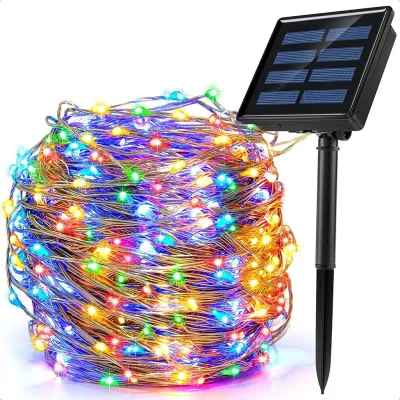
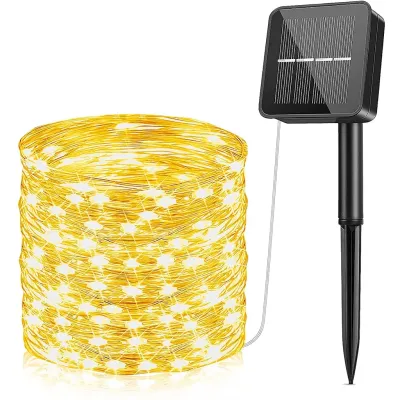
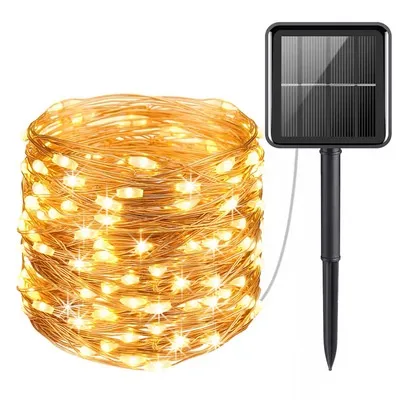
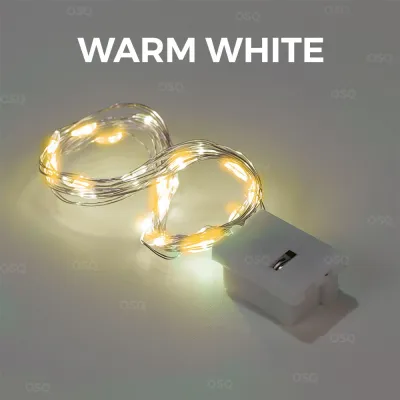
Prices are valid at publication and may change. Please refer to the product page for the latest price.
In a condo bedroom, the design focus is typically on relaxation, quiet wind-down routines, and maximizing a smaller footprint. Lighting here should be subtle and localized, such as accentuating a headboard, framing a vanity mirror, or draping gently along a window sill. Because these spaces are smaller, high-wattage or excessively bright light strings can easily overwhelm the room and disrupt your sleep patterns.
In contrast, the living room is a larger, multi-use space designed for entertaining guests, family gatherings, and holiday hosting. This area can accommodate larger, more complex lighting arrangements, such as wrapping main structural pillars, outlining balcony doors, or weaving lights through a holiday tree or garland. The scale of the lighting in the living room must match the larger furniture pieces to maintain visual balance.
Regardless of which room you decorate, rental constraints are a primary concern for condo dwellers. Most standard lease agreements in the Philippines strictly prohibit permanent wall modifications, including drilling, nailing, or using heavy-duty mounting tapes that can peel off paint or drywall when removed. Violating these terms can lead to expensive repair deductions from your security deposit.
To avoid these issues, map out the existing, non-damaging anchor points in your condo. Look for structural elements that can support lightweight fairy lights without any adhesive or hardware. Excellent options include curtain rods, bed frames, wooden shelving units, door frames, and even sturdy indoor plants like snake plants or palms. Utilizing these natural anchors allows you to drape and wrap lights easily while keeping your walls completely untouched.
Matching Power Sources to Your Condo Layout
How you power your seasonal decorative lighting determines where you can place your displays and how clean the final installation will look. Choosing between battery-operated, USB-powered, and traditional plug-in lights requires balancing portability, continuous performance, and cord management.

Battery-Operated Lights for Cordless Flexibility
Battery-powered fairy lights offer unmatched portability because they do not require proximity to a wall outlet. This makes them the ideal choice for isolated decorative features, such as dining table centerpieces, floating shelves, wreaths, or holiday displays placed high on kitchen cabinets.
However, battery-operated lights have distinct limitations. You must monitor battery life closely, as continuous daily use will drain standard batteries quickly, leading to dimming and the recurring cost of replacements. Additionally, you must ensure that battery packs are placed in well-ventilated areas. When enclosed inside decorative glass jars, synthetic wreaths, or tight fabric arrangements, battery packs can trap heat, creating a potential safety hazard.
USB and Plug-In Options for Continuous Ambiance
For long-term holiday displays that run for several hours every evening, USB and standard plug-in lights are far more practical. USB-powered lights are highly versatile because they can draw power from media consoles, televisions, or portable power banks, allowing you to place them on entertainment centers without running long wires to the floor.
Standard plug-in lights are best for extensive displays, such as wrapping a Christmas tree or outlining a large window. When using plug-in lights in the Philippines, always verify that the product is rated for the local standard voltage of 220V at 60Hz. Look for the Import Commodity Clearance (ICC) sticker or the Philippine Standard (PS) certification mark on the packaging to ensure the product has undergone official safety testing.
Proper cord management is essential when using plug-in options. Route all power cords flat along baseboards and secure them with temporary, low-profile cable clips to prevent tripping hazards. Never run cords under rugs, carpets, or heavy furniture, as friction and trapped heat can damage the wire insulation. Finally, avoid overloading your condo’s wall outlets or power strips; calculate the total wattage of your light strings and ensure it remains well below the maximum rating of your extension devices.
Choosing Wire Types and Light Colors by Room
The construction material of your string lights affects both their durability and how easily they can be shaped around your decor. Similarly, the color temperature of the bulbs dictates the mood and functionality of the space.
Copper Wire vs. Cotton and Plastic Strings
Bare copper wire fairy lights, often called micro LED lights, consist of tiny bulbs embedded directly into thin, flexible wire. The primary advantage of copper wire is its extreme malleability. You can easily bend, twist, and shape it around delicate objects, weave it through fine table garlands, or coil it inside glass masonry jars. Because the wire is incredibly thin, it virtually disappears when the lights are turned off, leaving only the clean glow of the bulbs when lit.
On the other hand, traditional plastic-coated or cotton ball string lights are much more durable and resistant to tangling. The thick plastic jacket protects the internal copper conductors from physical wear, making them far safer for high-traffic areas where people or pets might brush against them. Plastic-coated strings are also much easier to untangle at the end of the season and are highly suited for wrapping around bed headboards, banisters, or balcony railings where sturdiness is required.
Warm White vs. Multicolor for Festive Ambiance
Choosing between warm white and multicolor lights depends on the specific atmosphere you want to create in each room. These color options should be treated as conditional preferences rather than universal rules, as different spaces benefit from different visual energies.
Warm white lights (typically ranging from 2700K to 3000K) emit a soft, golden glow that mimics candlelight. This color temperature is highly recommended for bedrooms because it supports your natural circadian rhythm, helping you wind down and relax at the end of the day. Warm white also coordinates seamlessly with classic, minimalist, or rustic holiday decor themes.
Multicolor, cool white, or smart RGB options are excellent for living rooms and social areas. These lights bring a vibrant, high-energy festive atmosphere that is perfect for hosting holiday gatherings, dinners, or viewing parties. Smart RGB lights offer the added benefit of customization, allowing you to change colors or program flashing patterns via a smartphone app to match the specific theme of your gathering.
Damage-Free Installation Methods for Renters
Hanging seasonal decorative lighting in a rental condo requires techniques that leave no permanent trace. By using the right temporary fasteners and respecting the surfaces in your home, you can achieve a professional look that is completely reversible.
To hang lights safely on painted drywall, concrete, or wood panels, use specialized removable adhesive hooks and transparent clips. These products are designed to hold lightweight wires and can be pulled clean away from the wall without stripping paint or leaving sticky residue. For glass surfaces, such as windows or sliding balcony doors, small clear suction cups with integrated hooks provide an excellent, completely residue-free holding point.
Before applying any adhesive strip or suction cup, always clean the target surface thoroughly with isopropyl alcohol to remove dust, grease, and moisture. In the humid tropical climate of the Philippines, surface moisture and dust can significantly weaken adhesives, causing your lights to fall. Let the surface dry completely before pressing the adhesive firmly in place, and allow the adhesive to cure according to the manufacturer’s instructions before hanging the weight of the lights.
Instead of relying solely on adhesives, take advantage of your condo’s architectural features. You can drape light strings gently over curtain rods, weave them through open wooden shelving, or rest them along the top ledge of window frames and door trims. This draping technique reduces the tension on the wires and eliminates the need for wall adhesives entirely.
Never use heavy-duty mounting tapes, duct tape, packing tape, staples, or hot glue guns to secure your lights. These materials are not designed for easy removal; they will bond permanently with paint, wallpaper, or wood finishes, tearing away the surface material or leaving a thick, stubborn residue that is incredibly difficult to clean without causing further damage.
Safety Practices and Post-Season Storage
Electrical safety should always be your top priority when installing and maintaining holiday lighting. Taking preventive measures protects your home from electrical fires and ensures your light sets remain functional for years to come.
Before hanging any light string—especially if you are reusing older sets from previous years—perform a thorough physical inspection. Unplug the lights and run the wires through your hands to check for any fraying, cracking, or exposed copper. Inspect the plug and the transformer casing for cracks or loose pins. If you find any visible damage, discard the light set immediately rather than attempting a temporary tape repair.
When positioning your lights, establish strict clearance rules to prevent heat buildup. Keep all transformers, power adapters, battery packs, and individual LED bulbs away from flammable fabrics, bedsheets, heavy curtains, and dry holiday decorations like paper ornaments or dried pine wreaths. Although LED lights generate significantly less heat than older incandescent bulbs, the power adapters can still warm up during prolonged use and require adequate air circulation.
If you are planning to install lights near damp areas, such as close to indoor plants that require regular misting, or on high ceilings that require working at heights, always prioritize your safety. Isolate the power source completely before handling the lights. If your installation involves complex wiring or reaching high, unstable areas, consult a qualified professional to assist with the setup.
Proper post-season storage is critical to extending the lifespan of your lights. When it is time to take down your holiday decor, do not bunch the lights into a tight ball, as this bends the internal copper filaments and causes premature wire failure. Instead, wrap the light strings carefully around a flat piece of clean cardboard or a dedicated plastic storage spool. This keeps the wires straight and prevents tangling.
Store your wrapped lights in a sturdy, dry, and temperature-stable plastic bin. Because the Philippine climate is highly humid, place several silica gel packets inside the storage container. These packets will absorb ambient moisture, protecting the delicate copper wires, solder joints, and battery terminals from rust, oxidation, and mold during the off-season months.
Frequently Asked Questions (FAQ)
How do I calculate the right length of string lights?
To find the correct length of string lights, start by using a physical measuring tape to measure the straight, linear distance of the area you want to decorate, such as a window frame or the top of a headboard. Once you have this base measurement, add a buffer of 20% to 30% to the total length. This extra length accounts for the natural sag, draping, or zig-zag patterns you will use during installation, ensuring your lights do not look pulled, tense, or too short.
Is it safe to leave battery fairy lights on overnight?
It is not recommended to leave battery-operated fairy lights on overnight while you are sleeping. Continuous, unattended operation can cause the battery pack to overheat, especially if it is resting on fabric, wood, or enclosed within decorative elements. Additionally, leaving them on overnight will drain the batteries unnecessarily. To maintain safety and conserve power, choose light sets equipped with built-in automatic timers, or make it a habit to manually switch them off before going to bed.
Can indoor fairy lights be used near condo windows?
You must exercise caution when placing indoor-rated fairy lights near condo windows. In many tropical regions, the temperature difference between an air-conditioned condo interior and the humid outdoor air can cause heavy condensation to form on the inside of window glass. Standard indoor fairy lights lack moisture protection; exposure to this condensation can cause short circuits or damage the wire connections. Always check the manufacturer’s packaging for an Ingress Protection (IP) rating, and use moisture-resistant or outdoor-rated lights if you plan to hang them directly against windows or near semi-outdoor balcony doors.
Community discussion
Share your experience or ask a question. Comments are reviewed before publication.