
Designing a beautiful outdoor landscape in the Philippines requires lighting that can withstand intense tropical sun, high humidity, and torrential monsoon rains. While solar-powered fixtures offer an energy-efficient and wire-free solution for illuminating gardens, pathways, and courtyards, the market is flooded with low-quality imitations that fail after just a few weeks of exposure. Choosing genuine, high-quality outdoor solar lights involves verifying key technical specifications, checking for authentic manufacturer credentials, and matching the fixture’s build materials to the demands of a tropical environment. By focusing on verifiable performance metrics rather than exaggerated marketing claims, you can build a reliable, long-lasting landscape lighting system that enhances your outdoor living space night after night.
Identifying Genuine Solar Lights vs. Counterfeits
The convenience of online shopping has made outdoor lighting highly accessible, but it has also opened the door to counterfeit and substandard solar products. Many generic fixtures sold on online marketplaces feature exaggerated specifications, such as claiming thousands of lumens of brightness or decades of battery life at impossibly low prices. To protect your investment, it is essential to learn how to distinguish genuine, well-engineered solar lights from cheap imitations before making a purchase.
First, look for brand authorization and official storefronts. Reputable manufacturers typically sell their products through official flagship stores on major ecommerce platforms or through authorized local distributors in the Philippines. These sellers provide clear, written warranty terms—typically ranging from six months to two years—and offer accessible customer support channels. If a seller cannot provide a clear warranty policy or lacks a verifiable business presence, the product is likely a generic import with no quality control.
Products mentioned in this guide
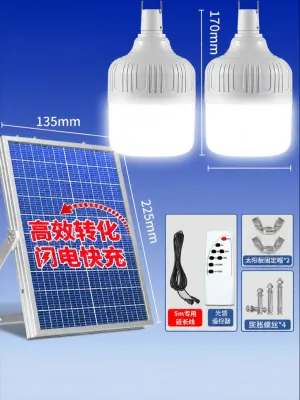
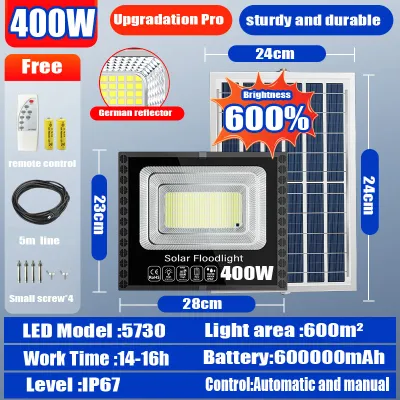
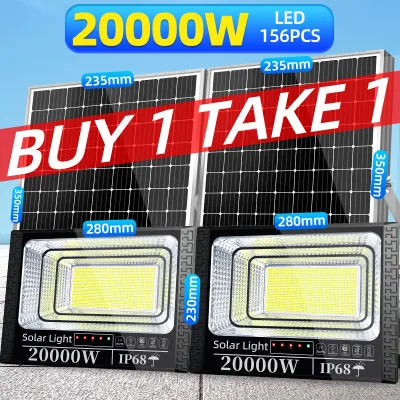
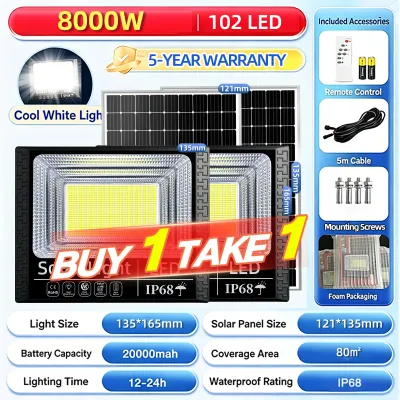
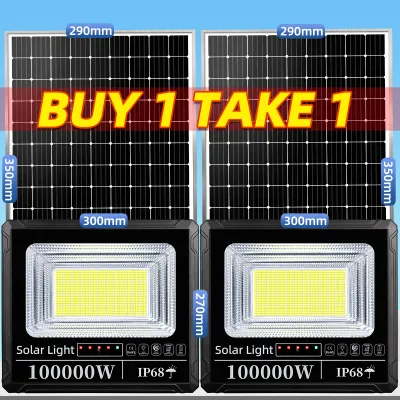
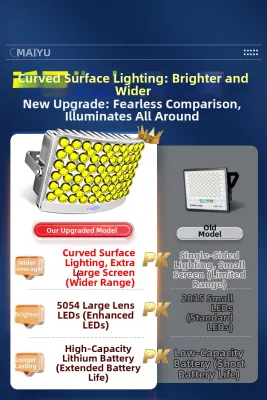
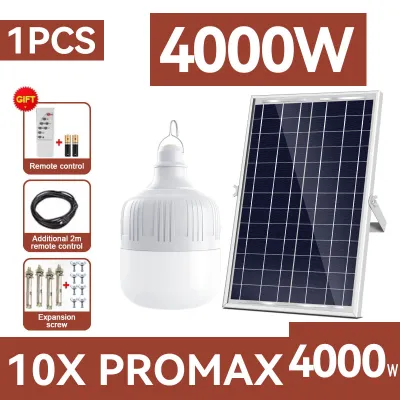
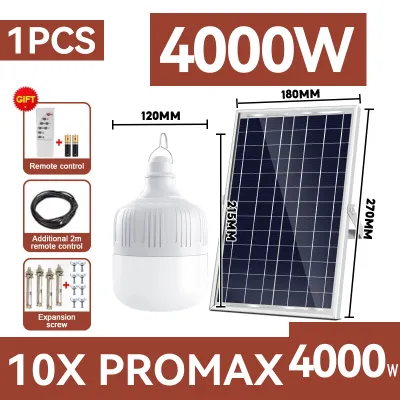
Prices are valid at publication and may change. Please refer to the product page for the latest price.
Packaging and labeling are also major indicators of authenticity. Genuine solar lights arrive in professional packaging that clearly displays the manufacturer’s name, model number, contact information, and valid electrical safety certifications. Look for recognized international standards such as CE, RoHS, or FCC markings, which indicate the product has undergone testing for safety and environmental compliance. Counterfeit products often arrive in plain brown boxes with generic labels, missing brand names, or poorly translated instruction manuals that lack specific technical details.
Finally, be highly skeptical of suspiciously low pricing. High-quality components, such as monocrystalline solar panels, durable lithium iron phosphate (LiFePO4) batteries, and UV-resistant housing materials, have baseline manufacturing costs. If a listing offers a pack of ten solar path lights for the price of a single high-quality fixture, the manufacturer has likely cut corners on the battery capacity, waterproofing seals, and LED driver quality. Reading verified customer reviews, paying close attention to photos uploaded by actual buyers, and checking the seller’s overall rating can help you filter out substandard listings.
Evaluating Technical Specs for Landscape Performance
To ensure your solar lights perform reliably under the intense weather conditions of the Philippines, you must evaluate their technical specifications carefully. Rather than relying on vague marketing terms like “super bright” or “heavy duty,” look for specific, verifiable metrics on the product datasheet or packaging.

The solar panel is the engine of the fixture, and its type directly affects charging efficiency. Monocrystalline solar panels are the preferred choice for tropical climates because they offer the highest energy conversion efficiency, typically between 15% and 22%. This efficiency is crucial during the rainy season when daylight is limited by heavy cloud cover. Polycrystalline panels are less expensive but have lower efficiency (around 13% to 16%), requiring a larger surface area to generate the same amount of power. Additionally, check the panel’s protective coating; tempered glass covers are highly durable and resist yellowing under intense UV exposure, whereas cheap PET plastic films degrade quickly, reducing light absorption over time.
Battery chemistry and capacity determine how long the lights will stay illuminated after sunset. Modern, high-quality solar lights utilize Lithium Iron Phosphate (LiFePO4) or Lithium-ion (Li-ion) batteries. LiFePO4 batteries are particularly well-suited for the warm Philippine climate because they have a high thermal tolerance, a lower risk of thermal runaway, and a long lifespan of over 2,000 charge cycles. Older or cheaper fixtures often use Nickel-Metal Hydride (NiMH) or Nickel-Cadmium (NiCd) batteries, which degrade rapidly in high ambient temperatures and suffer from memory effects. Always verify the battery capacity, measured in milliampere-hours (mAh), and ensure it is sufficient to power the LED wattage throughout the night.
Ingress Protection (IP) ratings are critical for determining a fixture’s resistance to dust and water. For outdoor garden landscaping, look for a minimum rating of IP65, which indicates the light is dust-tight and protected against water jets from any angle. For ground-level path lights or fixtures installed in low-lying areas of the courtyard where water might pool during heavy downpours, an IP67 or IP68 rating is highly recommended, as these units can withstand temporary or continuous submersion.
Lumen output and color temperature should be selected based on the specific lighting zone. Lumens measure the total amount of visible light emitted by the source. For soft path lighting or garden borders, 50 to 150 lumens is generally sufficient to guide the way without causing glare. For accent spotlights highlighting trees or architectural features, look for 200 to 400 lumens. Security floodlights may require 500 to 1,000 lumens or more. Perceived color temperature, decorative style, and spatial lighting effects are highly subjective and should be treated as conditional preferences based on your landscape design, rather than universal indicators of product performance. Warm white (2700K to 3000K) creates a cozy, inviting ambiance suitable for seating areas, while cool white (5000K to 6500K) provides high-contrast visibility for security and modern architectural styles.
Matching Fixture Styles to Garden and Courtyard Zones
A well-designed landscape lighting scheme uses a variety of fixture styles to create depth, highlight key features, and ensure safe navigation. Matching the right solar light style to each zone of your garden or courtyard prevents visual clutter and optimizes energy use.
Path lights are designed to line walkways, driveways, and garden boundaries. These fixtures typically feature a downward-facing hat or shield that directs light onto the ground, preventing glare from shining directly into the eyes of pedestrians. When placing path lights, space them evenly to create a continuous path of light, avoiding dark gaps while ensuring they do not obstruct lawnmowers or foot traffic.
Spotlights and floodlights are ideal for dramatic accent lighting. Solar spotlights feature adjustable heads and narrow beam angles, allowing you to direct a concentrated beam of light upward to illuminate the trunks and leaves of palm trees, pocket gardens, or outdoor sculptures. Floodlights, on the other hand, have wide beam angles and are used to wash large areas, such as stone walls, fences, or wide driveways, with uniform light.
String lights and decorative lanterns add a festive, warm ambiance to seating areas, pergolas, and patios. Solar-powered Edison-style string lights can be draped overhead to define outdoor dining zones, while decorative hanging lanterns can be suspended from tree branches or placed on tables. Because these fixtures are primarily decorative, they often feature lower lumen outputs and warmer color temperatures to foster a relaxed atmosphere.
When planning your layout, prioritize glare control and neighbor-friendly placement. Avoid positioning high-intensity spotlights or floodlights at angles that project light directly into neighboring properties or onto public streets, as this can cause discomfort and safety hazards. Opt for fixtures with built-in shields or deep-set LEDs that conceal the light source from direct view.
Building Your Shortlist: A Pre-Purchase Checklist
Before finalizing your purchase and proceeding to checkout, creating a structured pre-purchase checklist will help you avoid compatibility issues and ensure you buy the correct quantity of fixtures.
First, verify the physical dimensions and mounting requirements of each light. Measure the intended installation areas in your garden to ensure the fixtures will fit without crowding plants or blocking pathways. Check the construction materials; for the humid, coastal, or tropical environments of the Philippines, high-grade ABS plastic with UV inhibitors, powder-coated aluminum, or marine-grade stainless steel are preferred to prevent rust, corrosion, and sun damage.
Second, check for user-replaceable batteries and the availability of spare parts. Even the highest-quality solar batteries will eventually degrade after several years of daily charge cycles. Choosing fixtures with accessible battery compartments allows you to replace the battery cell easily, extending the overall lifespan of the light housing. Avoid completely sealed, single-use fixtures that must be thrown away entirely once the internal battery fails.
Third, review the seller’s return policies and after-sales support. Ensure the manufacturer provides clear documentation, including detailed installation instructions, wiring diagrams (if applicable for split-panel models), and troubleshooting guides. A reliable brand will offer a straightforward return process if a fixture arrives damaged or fails to charge out of the box.
Fourth, when selecting solar fixtures that integrate with existing systems or feature hybrid power options, verify the operating voltage, base or interface compatibility, and wattage limits. Ensure the installation environment matches the fixture’s design, and check for recognized electrical certifications to guarantee safe operation.
Finally, sketch a basic site plan of your garden or courtyard. Mark the locations of major plants, pathways, seating areas, and structures. Note which areas receive full, unobstructed sunlight throughout the day and which zones are shaded by trees or roof overhangs. This plan will help you estimate the exact number of path lights, spotlights, and decorative fixtures you need, while ensuring that solar panels are placed only in high-exposure zones.
Installation Boundaries and Long-Term Maintenance
Proper installation and regular maintenance are vital to maximizing the performance and lifespan of your outdoor solar lights. Because solar fixtures rely entirely on sunlight to charge, their placement determines their nightly runtime.
For optimal charging, position the solar panels where they will receive at least six to eight hours of direct, unobstructed sunlight daily. In the Philippines, pay close attention to the changing angles of the sun throughout the year and avoid placing panels directly under roof eaves, dense tree canopies, or fast-growing garden shrubs that will eventually cast shadows over the sensors. For fixtures with separate, wire-connected solar panels, mount the panel on a sunny wall or roofline while placing the light fixture itself in the shaded garden zone.
When mounting your fixtures, use safe and stable methods suited to the surface material. For soil installations, gently loosen the ground before inserting plastic or metal ground stakes; forcing a stake into hard, dry soil can crack the shaft or damage the light housing. For concrete, brick, or stone surfaces, use a masonry drill bit to install expansion anchors and secure the mounting brackets with stainless steel screws. If you are mounting fixtures on wooden decks or fences, pre-drill pilot holes to prevent the wood from splitting.
Routine maintenance is simple but essential. Wipe the solar panels clean at least once a month using a soft, damp microfiber cloth to remove dust, pollen, bird droppings, and salt residue. A dirty panel can experience a significant drop in charging efficiency, leading to dim lights or short runtimes. Periodically inspect the fixtures for signs of moisture ingress, such as condensation behind the lens, and check that the rubber seals and gaskets remain intact and pliable.
It is important to recognize the boundaries of do-it-yourself installation. While individual stake lights are safe for anyone to install, projects involving fixed electrical wiring, integration with existing low-voltage transformer systems, work at significant heights (such as mounting floodlights on high roofs or poles), or heavy suspended loads require professional assistance. Always isolate the power source before working on any electrical connections, follow the manufacturer’s safety instructions, and consult a qualified electrician for complex installations to ensure compliance with local electrical codes.
Frequently Asked Questions (FAQ)
Do solar lights work effectively during the rainy season? (FAQ)
Yes, high-quality solar lights can still function during the rainy season in the Philippines, though their performance will be reduced. Solar panels do not require direct sunlight to charge; they can generate electricity from diffuse daylight on overcast or rainy days. However, because the intensity of diffuse light is much lower, the solar panel will not charge the battery to its full capacity. As a result, you should expect shorter runtimes at night during prolonged periods of heavy rain and cloud cover. Choosing fixtures with highly efficient monocrystalline panels and larger battery capacities can help maximize energy capture and storage during these low-light periods.
Can I replace the built-in battery in my solar garden light? (FAQ)
Whether you can replace the battery depends entirely on the design of the fixture. Many high-quality solar lights feature user-replaceable batteries housed behind a removable, gasket-sealed compartment secured by screws. To replace the battery, you must open the compartment, remove the old cell, and install a new one that matches the exact chemistry (such as LiFePO4 or NiMH), voltage (typically 3.2V or 1.2V), and physical size of the original. Always follow proper safety precautions: turn off the fixture before opening it, avoid short-circuiting the battery terminals, and dispose of the old battery at an authorized recycling center. If the fixture is completely sealed or glued shut, attempting to replace the battery will compromise its waterproofing and is not recommended.
Community discussion
Share your experience or ask a question. Comments are reviewed before publication.