
Illuminating a large yard or garden in the Philippines requires more than standard, low-output pathway stakes. Large residential properties, expansive lawns, and long driveways demand jumbo solar lights—high-capacity fixtures engineered with oversized solar panels, high-capacity batteries, and wide-angle light arrays. These robust systems harness the abundant tropical sunlight to provide reliable, bright illumination throughout the night, enhancing both security and outdoor aesthetics without adding to your monthly electricity bill.
To find the right jumbo solar light for your property, you must look beyond basic marketing claims and focus on verifiable technical specifications. Factors such as battery chemistry, ingress protection (IP) ratings, solar panel efficiency, and structural mounting requirements dictate how well a fixture will perform under intense heat and heavy monsoon rains. By matching these specifications to your specific yard layout, you can establish an efficient, durable outdoor lighting system that withstands the local climate.
Defining Jumbo Solar Lights for Expansive Yards
Standard solar garden lights are typically designed for localized accent lighting, offering low lumen output and small, integrated solar cells that cover only a few square feet. In contrast, jumbo solar lights are heavy-duty fixtures characterized by their substantial physical dimensions, large-format photovoltaic panels, and high-capacity battery packs. These components are scaled up to collect, store, and distribute significantly more energy, allowing them to project a broad, intense beam of light across wide areas.
Products mentioned in this guide
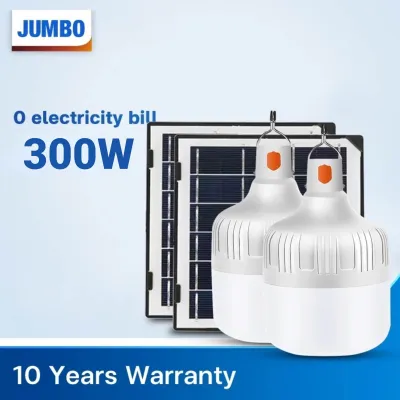
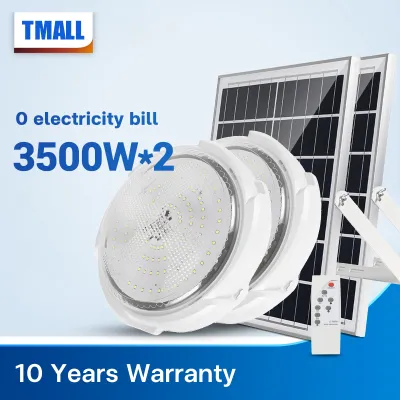
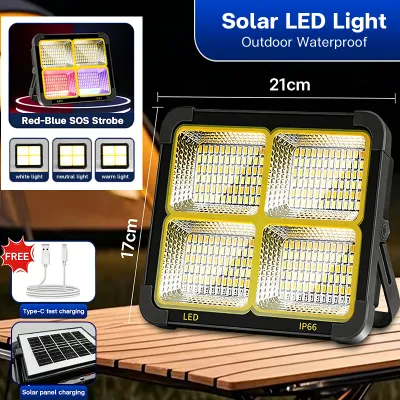
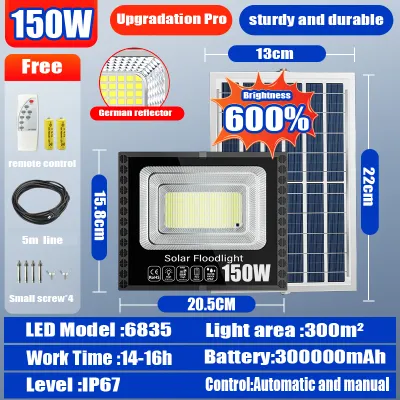
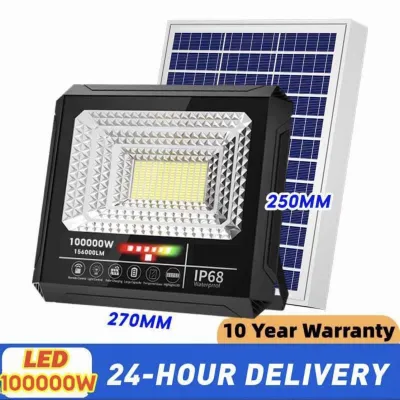
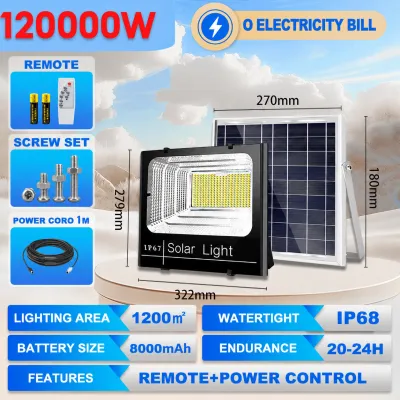
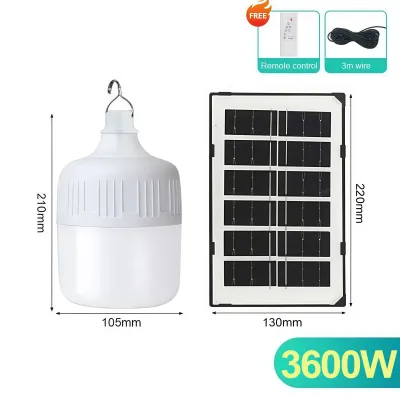
Prices are valid at publication and may change. Please refer to the product page for the latest price.
The primary use cases for these high-output fixtures include illuminating expansive driveways, securing dark perimeter fences, lighting up large lawns, and providing functional illumination for spacious patios or outdoor dining areas. Because they are designed to cover vast distances, jumbo models often feature multiple light-emitting diode (LED) arrays arranged in multi-directional configurations. This design ensures a wider beam spread, reducing the total number of individual fixtures needed to cover a large property.
However, the increased physical size and weight of jumbo solar lights mean they cannot simply be pushed into the soil with a plastic stake. These units require robust structural mounting, such as heavy-duty metal poles, concrete bases, or secure wall anchors. Understanding this structural requirement is essential before purchasing, as the installation environment must be capable of supporting the physical load, especially during strong winds and tropical storms.
Critical Specifications to Verify Before Purchase
When evaluating jumbo solar lights, the first specification to verify is the light output, typically measured in lumens. For broad area coverage, look for fixtures that specify their lumen output on the product label or technical datasheet, keeping in mind that task lighting requires higher concentrated lux levels than general ambient illumination. Be cautious of unverified performance claims and look for products that reference standard testing certifications to ensure the stated brightness matches actual performance.

The battery is the heart of any solar lighting system, determining how long the fixture can operate after the sun goes down. Modern jumbo solar lights generally utilize either Lithium Iron Phosphate (LiFePO4) or Lithium-ion (Li-ion) batteries. LiFePO4 batteries are highly recommended for large fixtures due to their superior thermal stability in hot climates, longer overall lifespan, and ability to handle deep discharges without rapid degradation. Always check the battery capacity, measured in milliampere-hours (mAh) or watt-hours (Wh), to ensure it matches the power consumption of the LED array for overnight operation.
Solar panel wattage and efficiency are equally critical, as they dictate how quickly the battery can recharge during the day. In the Philippines, where cloud cover during the rainy season can limit direct sunlight, a larger, highly efficient monocrystalline solar panel is essential. Verify the panel’s wattage rating and ensure it is sized appropriately to fully charge the high-capacity battery within typical daylight hours, even on overcast days.
Given the intense tropical downpours and high humidity, verifying the Ingress Protection (IP) rating is non-negotiable. For outdoor fixtures exposed to the elements, an IP65 rating is the minimum standard, indicating complete protection against dust and resistance to water jets. For highly exposed areas or coastal regions, seeking an IP66 or IP67 rating provides additional peace of mind against heavy rain penetration and moisture buildup inside the casing.
Additionally, it is essential to verify the electrical and physical compatibility of the unit before finalizing your purchase. This includes checking the operating voltage (particularly for hybrid solar-grid systems), the base or interface type if the bulbs are replaceable, the maximum wattage limits, and the physical dimensions of both the light head and the solar panel. Confirm the supported dimming method—such as motion-activated dimming or timed power steps—and ensure the fixture carries recognized electrical certifications to guarantee safe operation in your specific installation environment.
Matching Light Output and Beam Angle to Your Layout
Achieving optimal illumination across a large yard requires a careful balance between mounting height, beam angle, and ground coverage. As a general rule, mounting a fixture higher increases the overall area of ground coverage but decreases the intensity of the light reaching the surface. Conversely, lower mounting heights concentrate the light over a smaller area, which is ideal for pathways or specific security zones but leaves outer areas in darkness.
You must also choose between different optical styles based on your layout goals. Floodlight-style jumbo solar lights feature wide beam angles, often 120 degrees or more, to provide uniform, low-glare illumination across wide lawns or driveways. Spotlight-style fixtures utilize focused lenses to project a narrow, intense beam, making them suitable for highlighting architectural features, large trees, or specific entry points.
Seasonal sunlight variations and physical obstructions on your property will also influence performance. Large trees, roof overhangs, and neighboring structures can cast shadows over solar panels during different times of the day, drastically reducing charging efficiency. When planning your layout, position the solar panels where they will receive unobstructed sunlight, even if this requires using split-type solar lights where the panel is mounted separately from the light fixture.
To prevent dark spots and ensure safe navigation, plan the placement of multiple units so that their light pools slightly overlap. However, be mindful of light pollution and glare. Directing high-output beams toward neighboring windows or public roads can cause discomfort and safety hazards. Opt for fixtures with adjustable brackets or integrated shields that allow you to direct the light precisely where it is needed, keeping the illumination contained within your property boundaries.
When planning your layout, remember that decorative style, perceived color temperature (such as warm white versus cool daylight), and the overall spatial effect are conditional preferences rather than universal performance facts. While cool daylight is often preferred for security and task visibility, warm white may be more suitable for creating a relaxed, low-glare ambiance in recreational garden areas. Choose the color temperature and style that align with your specific aesthetic goals and functional needs.
Installation Requirements and Safety Boundaries
Successful installation of jumbo solar lights begins with selecting a location that guarantees unobstructed solar exposure. Avoid placing the solar panels directly under dense tree canopies or near existing artificial light sources, such as streetlights or bright porch lamps. Competing light sources can trick the integrated dusk-to-dawn sensors, preventing the solar light from turning on automatically when night falls.
Because jumbo fixtures are significantly heavier than standard garden lights, you must carefully assess the structural integrity of your chosen mounting surface. Whether mounting on concrete walls, wooden fences, or standalone steel poles, always use high-quality, corrosion-resistant anchors and brackets. Ensure the mounting structure can withstand not only the static weight of the fixture but also the dynamic wind loads experienced during the typhoon season.
Safety boundaries must be strictly observed during installation, especially when dealing with complex setups. If your project involves fixed wiring (such as hybrid backup lines), working at height on ladders or scaffolding, installing fixtures in highly damp areas, or managing suspended loads over walkways, always prioritize safety. Ensure complete power isolation before handling any electrical connections, strictly follow the manufacturer’s installation instructions, and hire a qualified professional or licensed electrician to handle high-risk tasks.
Always follow the manufacturer’s instructions regarding the handling and assembly of large lithium batteries and integrated electrical components. Avoid exposing the internal battery compartment to moisture during assembly, and ensure all seals and cable entry points are tightly secured before mounting the fixture. Proper handling during the initial setup prevents premature component failure and ensures the system operates safely for years to come.
Long-Term Maintenance and Weatherproofing Checks
To maintain optimal charging efficiency, establish a regular cleaning schedule for your solar panels. In tropical environments, panels quickly accumulate dust, pollen, bird droppings, and salt residue if you live near the coast. A dirty panel can experience a significant drop in energy conversion, leading to shorter runtimes at night. Gently wipe the panel surface with a soft, damp cloth and mild soap, avoiding abrasive materials that could scratch the glass.
Periodic inspections of the fixture’s physical integrity are crucial, especially after severe weather events like typhoons or heavy monsoon weeks. Check the casing, glass covers, and mounting brackets for any signs of cracking, loose screws, or structural shifting. Pay close attention to the rubber gaskets and seals; if they dry out or crack due to intense UV exposure, moisture can penetrate the housing, leading to short circuits and corrosion of the internal electronics.
Over time, all rechargeable batteries experience degradation, resulting in a noticeable decrease in overnight runtime. When the light no longer stays illuminated for the expected duration despite receiving full daily sunlight, it is likely time to replace the battery. Always follow the manufacturer’s approved procedures for battery replacement, using only compatible specifications, and dispose of the old lithium batteries safely at an authorized recycling center.
Finally, review the warranty terms and conditions provided by the manufacturer before making your purchase. Pay close attention to any specific exclusions related to tropical climate wear, water damage, or coastal corrosion. A comprehensive warranty from a reputable manufacturer provides valuable protection and serves as an indicator of the product’s overall build quality and long-term reliability.
Frequently Asked Questions (FAQ)
How do I prevent my solar light from turning on during the day?
Daytime activation is usually caused by a blocked or dirty light sensor, or because the solar panel (which often doubles as the light sensor) is heavily shaded, tricking the system into detecting darkness. To resolve this, clean the solar panel surface and ensure no nearby structures or foliage cast a shadow over it during daylight hours. If the fixture has a separate sensor, verify that it is free from obstructions and not positioned in a dark alcove.
What is the difference between LiFePO4 and Li-ion batteries in large solar lights?
Lithium Iron Phosphate (LiFePO4) batteries offer several distinct advantages over standard Lithium-ion (Li-ion) batteries for large solar fixtures. LiFePO4 chemistry provides superior thermal stability, making it much safer and more durable under the high ambient temperatures common in tropical climates. Additionally, LiFePO4 batteries typically support a significantly higher number of charge-discharge cycles and can handle deeper discharges without degrading, resulting in a longer overall lifespan for your investment.
How far apart should I space multiple jumbo solar lights along a long driveway?
To determine the ideal spacing, consult the manufacturer’s specifications for the fixture’s mounting height and beam angle to calculate the physical spread of the light pool on the ground. For continuous, safe illumination along a driveway, space the fixtures so that the edges of their light pools slightly overlap, preventing dark zones. For typical high-output jumbo lights mounted at a height of three to four meters, a spacing of eight to twelve meters is often recommended, though this should be adjusted based on the specific optical characteristics of your chosen model.
Community discussion
Share your experience or ask a question. Comments are reviewed before publication.