
Choosing the right led vine tree string lights depends entirely on how you use each space. For a bedroom, your goal is to create a restful sanctuary, which requires low-intensity, ultra-warm light that signals your brain to wind down. In contrast, a living room demands versatility, calling for longer, denser vine configurations with adjustable brightness to transition from lively family gatherings to cozy movie nights. By matching the technical specifications of your light set—such as color temperature, power source, and control options—to the physical layout and purpose of each room, you can achieve the perfect balance of style and functionality.
Quick Guide: Bedroom vs. Living Room Lighting Needs
Before purchasing your led vine tree string lights, it is essential to understand how lighting affects your daily routines in different parts of your home. The bedroom is primarily a private retreat dedicated to rest, recovery, and sleep preparation. Because of this, the lighting should be subtle, indirect, and deeply calming. High-contrast shadows or overly bright points of light can disrupt your circadian rhythm, making it harder to fall asleep after a long day.
The living room, on the other hand, is a multi-functional hub. On any given day, it might host social gatherings, serve as a workspace, or transform into a home theater. The lighting here must be adaptable enough to support these shifting activities. While you still want a cozy atmosphere, the lights need to provide enough ambient illumination so that guests can navigate the room safely and comfortably without feeling like they are in a dark cave.
Products mentioned in this guide
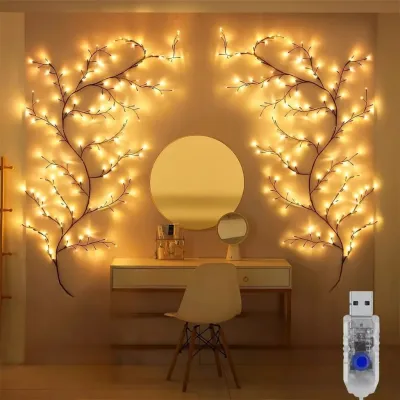
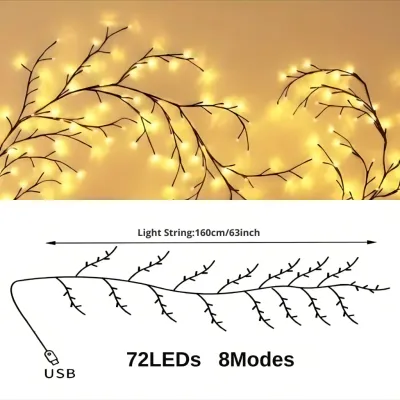
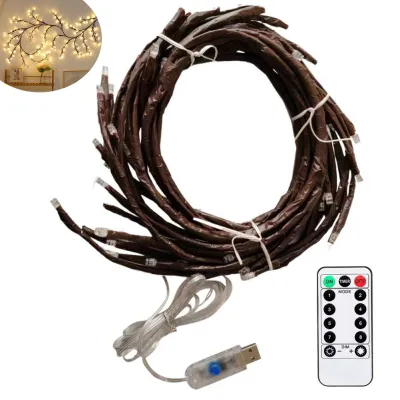
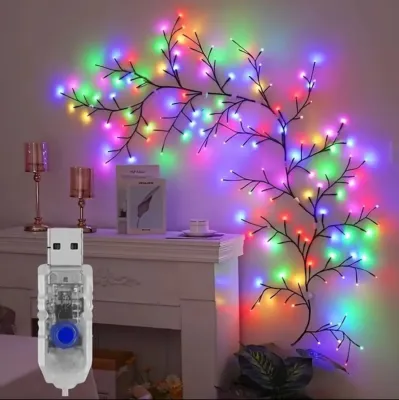
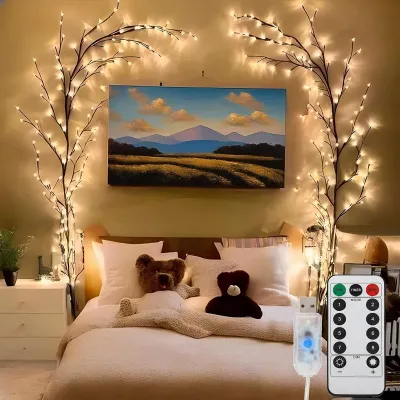
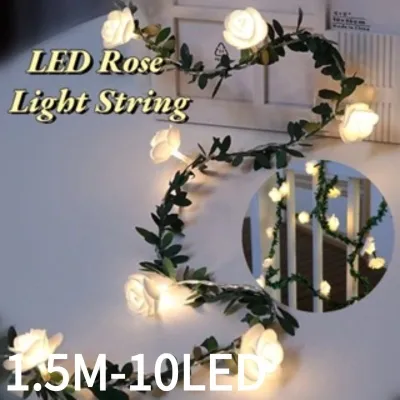
Prices are valid at publication and may change. Please refer to the product page for the latest price.
To help you visualize the differences, consider these general guidelines for each space:
- Bedroom Setup: Focuses on shorter lengths (typically 1.5 to 2.5 meters), lower overall brightness, and ultra-warm color temperatures. The lights are usually draped over a headboard or tucked into a quiet corner.
- Living Room Setup: Favors longer runs (3 meters or more), higher branch density, and versatile control options like dimmers or dual-color modes. These are often mounted along accent walls, wrapped around pillars, or framed around large windows.
Evaluating your room’s layout, outlet locations, and primary activities beforehand will prevent you from buying a set that is either too dim to notice or too bright to enjoy.
Selecting the Right Color Temperature for Each Space
Color temperature, measured in Kelvin (K), dictates how warm or cool the light appears to your eyes. For a bedroom, the priority is promoting relaxation. You should look for led vine tree string lights that emit a very warm white light, ideally between 2200K and 2700K. This range mimics the soft, amber glow of candlelight or a sunset, which minimizes blue light exposure and helps your body prepare for sleep.

In the living room, you have more flexibility, but maintaining a welcoming vibe is still key. A slightly crisper warm white, ranging from 2700K to 3000K, is often ideal. This temperature provides a clean, inviting glow that keeps the room looking vibrant and clear during social interactions, without crossing into the clinical, blue-toned territory of daylight bulbs (which are typically 5000K or higher).
When shopping, avoid relying solely on vague marketing terms like “warm white” or “soft glow,” as these descriptions vary wildly between manufacturers. Instead, examine the product packaging, specification sheet, or online product details for the exact Kelvin rating. This ensures you get a consistent color across all your decorative lighting fixtures.
If your living room serves multiple purposes, consider investing in adjustable or dual-color temperature models. These advanced vine lights allow you to switch between a brighter, neutral white for daytime reading and a deep, warm amber for evening relaxation. Having this flexibility ensures your ambient lighting always matches the mood of the hour.
Determining the Ideal Length and Vine Density
Selecting the correct length of your led vine tree string lights is crucial for achieving a polished, professional look. Start by measuring the specific feature you plan to decorate, such as a bed headboard, a living room bookshelf, a window frame, or a TV console. Use a flexible measuring tape to trace the exact path the vine will follow, keeping in mind that vine lights are designed to mimic natural branches and look best when allowed to curve and drape naturally.
Always factor in extra length for two critical reasons: the power cord reach and the draping effect. If your target wall area is exactly two meters wide, a two-meter light string will be stretched taut, losing its organic, vine-like appearance. Purchasing a set that is 20% to 30% longer than your measurement allows you to create realistic bends, curves, and drops. Additionally, ensure the unlit lead wire connecting the branches to the power plug is long enough to reach your nearest outlet without requiring unsightly extension cords.
Vine density—the number of individual LED bulbs and branch splits per meter—greatly influences the final visual impact. A high-density vine features tightly packed branches and numerous small lights, creating a lush, dramatic focal point that works beautifully on large living room walls. A lower-density vine has a more delicate, minimalist appearance, which is often preferred in bedrooms where a subtle, understated accent is more appropriate.
Finally, never attempt to daisy-chain or connect multiple vine light sets together unless the manufacturer explicitly states they are end-to-end connectable. Overloading a single power adapter or stretching thin copper wires beyond their structural limits can cause overheating, short circuits, or premature LED failure. If you need to cover a massive area, it is safer to install multiple independent sets with their own dedicated power sources.
Choosing Brightness Levels and Dimming Controls
The brightness of LED lights is measured in lumens, though many decorative string lights do not list this figure directly. Instead, you must rely on wattage, LED count, and control features to gauge how intense the light will be. For bedroom applications, high brightness is rarely desirable. You want a soft, low-intensity glow that serves as accent lighting rather than a primary light source.
To ensure your bedroom lights do not cause eye strain or unwanted glare, look for sets that feature built-in dimming capabilities. Having a remote control or an inline dimmer switch allows you to lower the brightness to a faint whisper of light, perfect for late-night reading or navigating the room without waking a partner.
In contrast, living room installations often require a higher maximum brightness to compete with other ambient light sources like floor lamps or overhead fixtures. A set with adjustable brightness levels is highly recommended here. This allows you to turn the intensity up when hosting guests or playing board games, and dim it down when it is time to watch a movie.
Consider the control interface that best fits your lifestyle and room layout:
- Inline Switches: Simple and reliable, but require you to physically walk over to the cord to turn the lights on or off. Best for easily accessible outlets.
- Remote Controls: Highly convenient for both bedrooms and living rooms, allowing you to adjust brightness, color temperature, and timer settings from your bed or couch.
- Smart App Integration: Ideal for tech-savvy households, enabling control via smartphone or voice assistants, allowing you to schedule the lights to turn on automatically at sunset.
Before purchasing, verify if the vine lights are compatible with standard wall dimmer switches. Most decorative LED string lights use low-voltage DC adapters and will flicker, buzz, or fail completely if plugged into an outlet controlled by a traditional wall-mounted AC dimmer. Always use the control method provided by the manufacturer.
Checking Power Options and Indoor Safety Specs
Choosing the right power source is essential for both convenience and safety. LED vine tree string lights generally come in three power configurations: USB-powered, battery-operated, and traditional plug-in wall adapters.
USB-powered models offer excellent flexibility, as they can be plugged into standard phone chargers, power banks, or even the USB ports on your living room television. Battery-operated sets are highly portable and eliminate the need for visible cords, making them perfect for temporary setups or hard-to-reach shelves; however, they require frequent battery replacements if used daily. For permanent installations in both bedrooms and living rooms, a plug-in wall adapter is usually the most reliable and cost-effective choice.
In the Philippines, standard household electricity runs at 220V. When buying plug-in lights, always verify that the power adapter is rated for 220V input and carries recognized safety certifications, such as the Import Commodity Clearance (ICC) sticker or the Philippine National Standard (PNS) mark. Using non-certified adapters or plugging 110V-only devices directly into local outlets can lead to immediate product damage or electrical hazards.
Given the tropical climate and high humidity levels in the Philippines, indoor electrical safety requires extra attention. Ensure your vine lights are kept away from damp areas, such as open windows during heavy rains or near indoor humidifiers. Inspect the entire length of the wire before installation, looking for any exposed copper, frayed insulation, or cracked plastic joints.
When mounting your lights on the concrete walls common in many local homes, avoid using metal staples or nails that can pinch and cut through the thin protective insulation of the vine branches. Instead, opt for plastic cable clips, adhesive hooks, or non-conductive ties. Never drape the lights directly over highly flammable materials like paper decorations or lightweight synthetic curtains. If you are planning a complex, large-scale installation that involves running wires behind drywall or connecting to fixed household wiring, always consult a qualified electrician to ensure compliance with local electrical codes.
Frequently Asked Questions (FAQ)
Can I use the same LED vine tree string lights in both the bedroom and living room?
Yes, you can use the same set of lights in both rooms, provided the product features adjustable brightness and color temperature settings to match the different ambient needs of each space. However, physically moving them back and forth is rarely practical. The delicate, wire-based branches of vine lights are designed to be bent and shaped during installation; repeatedly unmounting, packing, and reshaping them can fatigue the internal copper wiring, leading to broken connections and dead LED sections over time. It is generally best to select a dedicated set for each room.
How do I safely clean and maintain the vine branches?
To clean your led vine tree string lights, always unplug them from the power source first to eliminate any risk of electrical shock. Because these lights feature intricate branch structures that easily collect household dust, use a dry, soft microfiber cloth or a clean, static-free duster to gently wipe down the branches and bulbs. Avoid using wet cloths, liquid spray cleaners, or harsh chemical solvents, as moisture can seep into the LED housings or degrade the protective wire coating. If you encounter stubborn dirt, a very slightly damp cloth may be used, but you must allow the lights to dry completely before plugging them back in.
Community discussion
Share your experience or ask a question. Comments are reviewed before publication.