
Finding a quiet moment to unwind in the Philippines can often be interrupted by the persistent buzz of mosquitoes, leaving many homeowners searching for a natural solution that combines peaceful aromatherapy with practical insect deterrence. While lemongrass incense is widely celebrated for its bright, refreshing scent and natural repellent properties, finding the right product requires understanding how different formulations affect both your indoor air quality and its overall effectiveness. By selecting incense based on its physical structure, verifying whether it uses pure essential oils or synthetic fragrances, and matching the burn profile to your specific living space, you can create a soothing, pest-free environment without compromising your household’s safety or comfort.
What types of lemongrass incense are available for home use?
To choose the right lemongrass incense, you must first understand the physical formats and ingredient bases available on the market, as these factors directly dictate how the product burns and disperses its scent. Incense is not a single uniform category; the manufacturing process and the raw materials used can dramatically alter your experience. By learning to distinguish between different stick structures and scent sources, you can avoid common pitfalls such as excessive smoke or ineffective insect deterrence.
Physical Forms and Burning Characteristics
The physical structure of incense generally falls into three categories: bamboo-core sticks, solid extruded sticks, and cones. Bamboo-core sticks feature a thin wooden sliver coated in a mixture of aromatic paste and essential oils. They are highly durable, easy to handle, and fit into standard incense holders. However, as the bamboo core burns, it releases its own woody smoke, which can slightly alter the clean, citrusy profile of the lemongrass.
Products mentioned in this guide
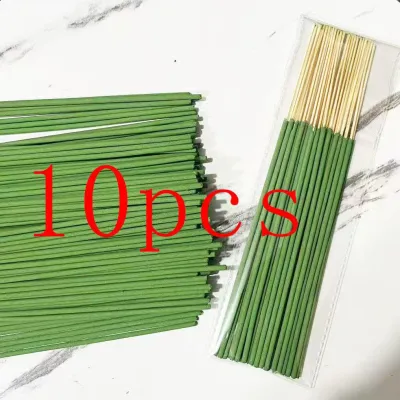
560 Lazada user ratings
Was expecting it to be a long incense stick. Though it's fine. Good for incense burning inside the house while praying. It's citronella so i…Read full reviewShow less
Was expecting it to be a long incense stick. Though it's fine. Good for incense burning inside the house while praying. It's citronella so it's also good for driving away mosquitos and flies.
Item is good.The smell is mild and not irritating to nose. price is affordable .this is my first to order the said item,its very less in num…Read full reviewShow less
Item is good.The smell is mild and not irritating to nose. price is affordable .this is my first to order the said item,its very less in number but anyway it's worth.
We received the items in good condition. Quality at its best and an affordable price. Thank you seller and the rider. Kudos to all. Keep it …Read full reviewShow less
We received the items in good condition. Quality at its best and an affordable price. Thank you seller and the rider. Kudos to all. Keep it up. Thanks again.
👌Ease of Use:as with all scented sticks 🛡️Safety:will know soon First time to order. Will see if effective muna in holding back mosquitoes Wi…Read full reviewShow less
👌Ease of Use:as with all scented sticks 🛡️Safety:will know soon First time to order. Will see if effective muna in holding back mosquitoes Will review again
Only received 10 sticks when it shud be100 Its a ripped off Can you please resend me the difference It comes out to be 10 per stick

93 Lazada user ratings
xlmt po seller at lazada 1000th
hope it's effective
Seems effective.
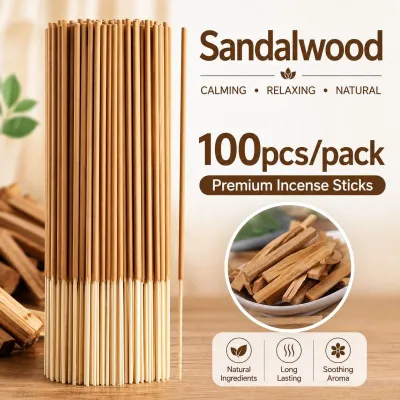
3 Lazada user ratings
bought this because the former product we use is so harsh to the nose it causes migraines so I'm thankful I found something mild
Truly effective to repell mosquitoes ,used it in every room for insect repellant this morning ,sounds good .Thank you
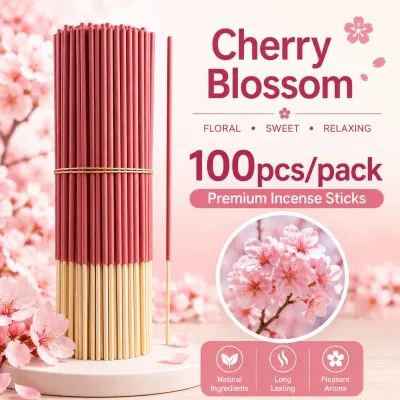

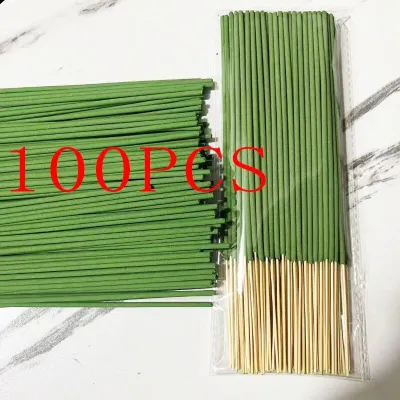
3 Lazada user ratings
easy to burn, long lastung fragrance, perfect for home and office, eco friendly product, good quality material nice aro.a for relaxation, fr…Read full reviewShow less
easy to burn, long lastung fragrance, perfect for home and office, eco friendly product, good quality material nice aro.a for relaxation, fresh lemongrass scent
Prices are valid at publication and may change. Please refer to the product page for the latest price.
Solid extruded sticks, often associated with traditional Japanese or Tibetan styles, contain no wooden core. They are made entirely of compressed aromatic paste, meaning they burn with a purer scent profile and produce less overall smoke. Because they lack a rigid core, they are more fragile and require specialized holders that can grip the solid base securely without snapping it.
Cones are compact, molded shapes that burn from the top down. They tend to release a higher volume of smoke and fragrance in a shorter period compared to sticks. This makes cones highly effective for rapidly scenting a room or creating a concentrated barrier of scent, though they do not offer the sustained, slow-release burn of a traditional stick.
Scent Sources: Synthetic Fragrances vs. Natural Essential Oils
The effectiveness of lemongrass incense depends heavily on whether the manufacturer uses synthetic fragrance oils or natural essential oils. Natural essential oils are steam-distilled from the Cymbopogon plant family, which includes both lemongrass (Cymbopogon citratus) and citronella (Cymbopogon nardus). These natural oils contain active organic compounds like citral, geraniol, and citronellal, which provide genuine therapeutic aromatherapy benefits and actively deter insects by masking human scents.
Synthetic fragrance oils are chemically formulated in laboratories to mimic the aroma of lemongrass. While they can replicate the bright, pleasant scent at a lower production cost, they lack the active botanical compounds necessary to repel mosquitoes. If your primary goal is insect deterrence, synthetic options will offer little to no practical benefit, making it essential to verify the oil source before purchasing.
Deciphering Ingredient Labels and Binders
When evaluating incense on an online marketplace or at a local specialty shop, carefully inspect the ingredient list. High-quality incense typically utilizes natural binders, such as makko (a natural wood powder derived from the Machilus thunbergii tree) or gum arabic, to hold the aromatic materials together. These natural binders burn cleanly without emitting harsh chemical fumes.
In contrast, lower-grade products may use chemical adhesives or synthetic combustion agents to ensure an even burn. These additives can produce a sharp, acrid undertone and release unwanted particulates into your living space. Look for clear labeling that specifies “100% natural ingredients,” “pure essential oils,” and lists the specific botanical names of the plants used.
How should you select lemongrass incense for relaxation and aromatherapy?
Selecting lemongrass incense for relaxation requires a focus on scent purity, gentle smoke emission, and a balanced aromatic profile that supports a calm state of mind. When using incense indoors for meditation, yoga, or winding down after a long day, the goal is to create a soothing sensory backdrop rather than an overwhelming cloud of smoke. By prioritizing specific product characteristics, you can enjoy the therapeutic benefits of lemongrass without irritating your senses.

Managing Indoor Smoke and Air Quality
For indoor relaxation, minimizing smoke is crucial to maintaining comfortable air quality. Solid extruded sticks are generally the preferred choice for indoor aromatherapy because they lack the wooden core that contributes to excess smoke and soot. Some premium brands offer specialized “low-smoke” or “smokeless” formulations, which are processed to burn slowly with minimal visible emissions.
If you prefer using incense cones indoors, look for small, slow-burning varieties rather than backflow cones. Backflow cones are designed to draw smoke downward for visual effect, which naturally produces a denser, heavier smoke that can quickly overwhelm a standard-sized room. Keeping the smoke output low ensures that the refreshing, uplifting notes of lemongrass remain pleasant rather than suffocating.
Selecting Nuanced Essential Oil Profiles
While pure citronella is excellent for repelling insects outdoors, its sharp, medicinal, and highly stimulating aroma is rarely conducive to indoor relaxation. For aromatherapy, look specifically for lemongrass (Cymbopogon citratus) essential oil, which offers a sweeter, softer, and more herbal citrus scent. This profile is known for its grounding and calming properties, helping to relieve stress and mental fatigue.
To enhance your relaxation routine, consider blended incense formulations that pair lemongrass with other calming botanicals. Sandalwood provides a warm, woody, and grounding base that balances the bright citrus top notes of lemongrass. Lavender adds a soft, floral layer that promotes restful sleep, while cedarwood or frankincense can add a resinous depth that is highly suited for meditation and deep breathing exercises.
Evaluating Burn Times for Relaxation Routines
Match the burn time of the incense to the duration of your relaxation activities to avoid having to manually extinguish a burning stick. A standard thin incense stick typically burns for 30 to 45 minutes, which aligns perfectly with a standard meditation session, a short yoga practice, or a quiet reading hour.
If you only want a quick burst of fragrance to refresh your living room before guests arrive or before transitioning to sleep, smaller cones with a 15-to-20-minute burn time are highly efficient. Always check the packaging for the manufacturer’s estimated burn time, and remember that indoor air currents from ceiling fans or air conditioning units can cause incense to burn slightly faster than rated.
What features make lemongrass incense suitable for mosquito repellent use?
When your primary objective is keeping mosquitoes and other pests away, the selection criteria shift from delicate, low-smoke aromatherapy to robust, high-emission formulations designed to create an effective environmental barrier. Repellent incense relies on a steady, concentrated release of active botanical compounds to mask the attractants that draw insects to humans. Understanding the physical and chemical traits of repellent-focused incense will help you establish a more effective protective zone.
Identifying Repellent-Specific Formulations
To ensure an incense product is effective against mosquitoes, look for explicit labeling indicating insect repellent, outdoor, or patio use. These products are formulated with a significantly higher concentration of active essential oils—specifically citronella (Cymbopogon nardus) or a potent combination of lemongrass, rosemary, and peppermint oils.
Citronella oil contains high levels of citronellal, geraniol, and citronellol, which are scientifically recognized for their ability to interfere with a mosquito’s olfactory receptors. While a standard aromatherapy stick may contain just enough lemongrass oil to provide a pleasant scent, a dedicated repellent stick will have a much higher oil-to-binder ratio to ensure a dense, active vapor is released during combustion.
Structural Features of Outdoor and Semi-Outdoor Incense
Repellent incense designed for outdoor or semi-outdoor areas, such as verandas, patios, or gardens, is structurally distinct from delicate indoor sticks. These products are often much thicker, sometimes measuring up to a centimeter in diameter, and are built on sturdy bamboo or wooden cores. The extra thickness allows the stick to hold a larger volume of active ingredients and produce a more substantial volume of smoke, which is necessary to combat outdoor air movement.
Another highly effective physical format is the incense coil. Coils are wound in a continuous spiral, allowing for an exceptionally long burn time that can range from two to over six hours. This extended burn time makes coils highly practical for long outdoor dinners, barbecues, or evening gatherings, as they eliminate the need to constantly replace burned-out sticks.
Understanding Coverage Limits and Environmental Factors
It is important to recognize that lemongrass and citronella incense serve as supplementary environmental deterrents rather than absolute barriers. They work by creating a localized zone of protection; once the smoke and vapor disperse, the repellent effect in that specific area ceases. Therefore, incense should be used in conjunction with structural defenses, such as window screens, and approved topical repellents for personal protection.
The performance of repellent incense is highly dependent on environmental conditions, particularly wind. A strong breeze will quickly carry the active smoke away, leaving your seating area unprotected. To optimize coverage in semi-outdoor spaces, check the manufacturer’s specified coverage radius and place multiple sticks or coils strategically upwind of your seating area, allowing the natural air current to gently distribute the protective scent across your space.
What safety and usage checks are necessary before burning incense indoors?
Because burning incense involves open combustion and the release of airborne particulates, establishing strict safety protocols is essential to protect your home from fire hazards and safeguard the health of your household. Whether you are burning a delicate stick for relaxation or a thicker formulation for pest control, performing basic safety and environmental checks ensures a worry-free experience.
Fire Prevention and Ash Management
Never leave burning incense unattended. Always place your incense in a dedicated, non-flammable holder or ash catcher made of heat-resistant materials such as ceramic, stone, brass, or thick glass. The holder must be structurally stable and wide enough to catch all falling hot ash, as stray embers can retain enough heat to scorch wooden furniture, melt plastics, or ignite nearby fabrics.
Position your incense burner on a flat, elevated, and heat-resistant surface, well away from open windows, air conditioning vents, cooling fans, curtains, tablecloths, or hanging decorations. A sudden gust of wind can easily tip over a lightweight burner or blow flammable materials directly into the glowing tip of the incense stick.
Ventilation Protocols for Indoor Spaces
Adequate ventilation is non-negotiable when burning any type of incense indoors. While the goal is to enjoy the aromatic qualities of lemongrass, burning incense in a completely sealed room can lead to an unhealthy accumulation of fine particulate matter, carbon monoxide, and other combustion byproducts.
Always keep a window or an interior door slightly open to facilitate continuous air exchange. This is particularly critical in smaller, enclosed spaces like bathrooms, home offices, or compact bedrooms. If the air begins to feel heavy, or if you notice a visible haze forming in the room, extinguish the incense immediately and open additional windows to clear the air.
Health Sensitivities and Pet Safety
The respiratory systems of domestic pets, particularly cats and dogs, are far more sensitive than those of humans. Many essential oils, including concentrated citrus, lemongrass, and citronella oils, contain compounds that can be toxic to pets if inhaled in high concentrations or if airborne residue settles on their fur and is subsequently ingested during grooming. Always consult a qualified veterinarian before introducing incense into a pet-friendly household, and ensure your pets have a clear path to leave the room if the scent becomes too strong for them.
Furthermore, individuals who are pregnant, suffer from asthma, chronic obstructive pulmonary disease (COPD), or have other respiratory sensitivities should exercise extreme caution. The particulates in incense smoke can trigger respiratory distress or allergic reactions. If you or anyone in your household experiences coughing, wheezing, throat irritation, or headaches while burning incense, extinguish the product immediately and consult a healthcare professional.
Quality and Anomaly Checks
Before lighting any incense product, perform a quick physical inspection. High-quality incense should have a uniform texture and be free from excessive moisture or crumbling. When lit, the tip should glow gently without producing large sparks or flare-ups.
If you observe unusual sparking, rapid or uneven burning, or a harsh, chemical odor that smells of burning plastic or synthetic solvents rather than natural lemongrass, extinguish the stick immediately. These anomalies often indicate poor manufacturing quality, moisture contamination, or the presence of unsafe chemical binders. Safely discard the defective product and consult the manufacturer’s instructions or customer support for guidance.

Community discussion
Share your experience or ask a question. Comments are reviewed before publication.