
Creating a cozy, inviting atmosphere in a compact condominium requires a thoughtful approach to lighting. In tight living spaces, traditional bulky lamps often crowd valuable tabletop surfaces and cast harsh, overwhelming shadows. Selecting the right mini LED light allows you to introduce soft, localized pools of light that make your living area feel larger and more defined without sacrificing precious square footage.
Achieving the perfect balance of warmth and functionality depends on understanding how small-scale fixtures interact with your condo’s layout. Because tropical climates and high humidity can affect both the performance of adhesive mounts and the heat dissipation of electronic devices, choosing fixtures designed for durability and safety is essential. By focusing on compact dimensions, adjustable brightness, and strategic placement, you can transform a standard studio or one-bedroom unit into a layered, visually relaxing sanctuary.
Assessing Your Condo Space and Light Spread Needs
Before purchasing any lighting fixtures, evaluate the physical layout of your condominium. Small spaces often feature multi-purpose zones where a single desk or dining table serves several functions. Start by measuring the depth and height of potential mounting surfaces, such as floating shelves, television consoles, window ledges, and wall niches. These tight spots are ideal for low-profile mini LED lights, but they require precise measurements to ensure the fixtures remain completely hidden from direct view.
Products mentioned in this guide
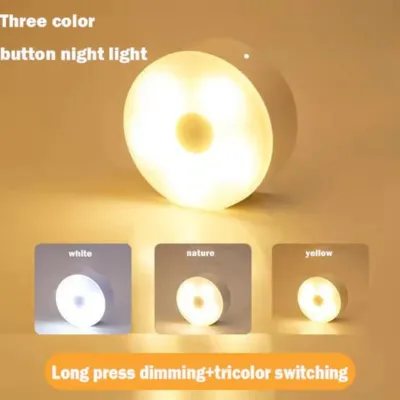
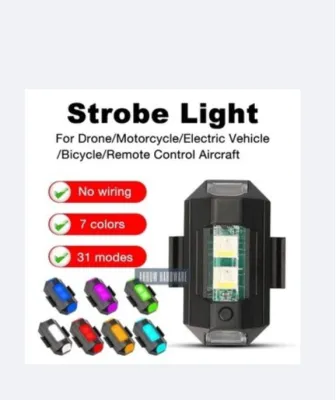
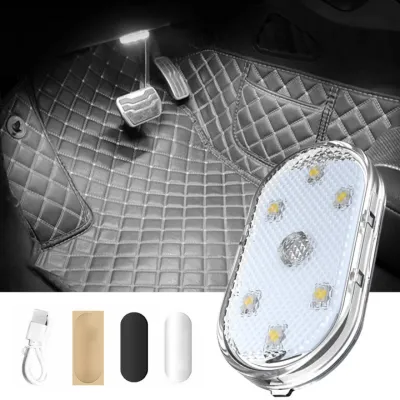
Prices are valid at publication and may change. Please refer to the product page for the latest price.
The beam angle of your chosen light source plays a critical role in determining the overall mood of the room. A narrow beam angle creates a concentrated spotlight effect, which is excellent for highlighting a specific piece of art. For ambient lighting, however, a wide beam angle is far more effective because it disperses light over a broader area, softening transitions between light and shadow. In a small room, wide-angle diffusion helps blend the illumination seamlessly into the background, preventing a harsh, clinical feel.
Identifying existing dark zones and separating them from active task areas is another key step in planning your layout. Observe where your main overhead lighting fails to reach, such as under kitchen cabinets or behind the television. Placing mini LEDs in these specific shadows balances the room’s overall brightness and eliminates high-contrast glare. This targeted approach prevents visual clutter, ensuring that your ambient lighting enhances the space rather than contributing to sensory overload.
Key Specifications for Compact Ambient Mini LEDs
When browsing online marketplaces or local lighting stores, checking the technical specifications on product labels is vital for safety. Begin by verifying the physical dimensions of the light fixture, including the depth of its housing and the length of any attached power cords. In a small condo, excess cabling can quickly become an unsightly tripping hazard or a source of visual clutter. Look for fixtures with slim profiles and manageable cord lengths, or opt for models that feature integrated cable management.

Color temperature and dimmability are the two most important factors for establishing a relaxing mood. For ambient lighting, look for warm white light sources, typically rated between 2700K and 3000K, which mimic the gentle glow of sunset. Avoid cool white or daylight bulbs above 4000K for relaxation zones, as these can feel overly sterile. Additionally, prioritize fixtures that offer step-less dimming or multiple brightness levels, allowing you to adjust the light intensity to match different times of day.
Power source compatibility is another critical consideration that dictates where you can place your lights. In the Philippines, the standard household voltage is 220V at 60Hz, so any plug-in mini LED lights must be rated to handle this electrical standard safely. Look for products that carry recognized safety certifications, such as the Philippine Standard (PS) mark or the Import Commodity Clearance (ICC) sticker. If outlets are scarce, consider low-voltage USB-powered fixtures or rechargeable battery-operated models, which offer greater placement flexibility without overloading your wall sockets.
Placement Strategies to Avoid Overwhelming the Room
The secret to successful ambient lighting in a compact condo lies in indirect illumination. Instead of pointing light sources directly into the living space, position your mini LEDs so their output bounces off walls, ceilings, or architectural features. For example, placing a small LED bar behind a wall-mounted television or a headboard creates a soft halo effect. This technique reduces eye strain by softening the contrast between bright screens and dark walls, making the entire room feel more spacious.
Layering your light sources is equally important for creating depth in a single-room layout. Rather than relying on a single, bright overhead fixture, combine several low-intensity mini LEDs at different heights throughout the space. You might place a small accent light on a low shelf, a slim strip under the kitchen cabinets, and a compact uplight in a corner. This vertical distribution of light draws the eye across the room, creating a sense of movement and making a small floor plan feel significantly larger.
To maintain a comfortable environment, always avoid placing exposed light sources at direct eye level. In a small, open-plan condo, a bare bulb or an unshielded LED chip can cause immediate discomfort and distracting glare. Position your mini fixtures behind valances, inside recessed lips, or under shelves so that only the reflected glow is visible. If a fixture must be exposed, ensure it features a frosted diffuser or a deeply recessed lens to soften the light output before it reaches your eyes.
Electrical Safety and Condo Installation Limits
Operating multiple electronic devices in a compact space requires careful attention to electrical safety. When planning to connect several mini LED fixtures, always verify the total wattage and current draw against the capacity of your power strips and wall outlets. Avoid daisy-chaining multiple extension cords or overloading a single outlet with high-draw adapters. Even though individual mini LEDs consume very little power, cumulative loads and poor-quality adapters can lead to overheating, especially in tropical environments.
For renters or those who prefer not to drill into concrete condo walls, damage-free mounting solutions are essential. High humidity levels, common in tropical regions, can weaken standard double-sided tapes and cause fixtures to fall. Choose high-quality, humidity-resistant adhesive strips specifically rated for the weight of your fixtures, and thoroughly clean the mounting surface with rubbing alcohol before application. For temporary setups, magnetic mounts or freestanding weighted bases offer excellent stability without leaving permanent marks.
While many mini LED projects are simple, do-it-yourself installations, recognize when a task exceeds basic home improvement limits. If your lighting plan involves modifying the condo’s internal wiring, installing recessed ceiling cans, or connecting fixtures directly to a circuit breaker panel, stop and consult a qualified professional. Working with fixed electrical wiring poses significant safety risks, and professional installation ensures compliance with local building codes and condominium association guidelines.
Building Your Shortlist: Matching Lights to Room Zones
To build a practical shortlist of mini LED lights, categorize your choices based on the specific functional zones of your condominium. For accent zones like media consoles, bookshelves, and under-cabinet spaces, low-profile LED puck lights or slim, rigid light bars are highly effective. These fixtures fit neatly into tight crevices and provide a clean, integrated look that highlights decorative items or provides subtle task lighting without taking up usable surface area.
For flexible zones such as bedside tables, reading nooks, or dining counters, portable and rechargeable mini LEDs offer unmatched convenience. These cordless options can be easily moved around as your daily needs change, allowing you to transition a space from a bright workspace to a cozy dining area in seconds. When selecting rechargeable models, check the battery capacity and charging times to ensure they can operate reliably throughout the evening.
Finally, pay close attention to heat dissipation requirements when selecting lights for enclosed or semi-enclosed spaces, such as glass display cabinets or deep wardrobes. Although LEDs are highly efficient, they still generate heat at the base of the diode. Look for fixtures with aluminum housings or built-in heat sinks, and ensure there is adequate air circulation around the light to prevent heat buildup in confined areas.
Frequently Asked Questions (FAQ)
Can I use mini LED lights in a condo with strict rental modification rules?
Yes, you can easily install mini LED lights without violating strict rental agreements or losing your security deposit. Opt for battery-powered or USB-rechargeable fixtures that do not require permanent electrical wiring or drilling. Use high-quality, damage-free adhesive strips designed for humid environments to secure light strips or puck lights to walls and cabinets. When it is time to move out, these adhesives can be cleanly peeled away without stripping paint or leaving sticky residue behind.
How do I prevent mini LED lights from making my small room feel too hot?
While LEDs produce significantly less heat than traditional incandescent or halogen bulbs, they still emit a small amount of thermal energy from their bases. To keep your small condo cool, choose low-wattage mini LEDs and avoid placing them in completely sealed, unventilated enclosures. Ensure there is a small gap around the fixture for natural air circulation, and select models with metal backings or aluminum channels that help draw heat away from the light source.
Community discussion
Share your experience or ask a question. Comments are reviewed before publication.