
Choosing Wall Lights with Modern Design and LED Efficiency for Bedside Lighting
When selecting wall lights of modern design, LED fixtures offer the ultimate balance between focused task lighting and soft bedroom ambiance. Bedside areas serve a dual purpose: they are active spaces for reading and unwinding, as well as sanctuaries for deep, restful sleep. Achieving the perfect balance between these activities requires a thoughtful lighting strategy, particularly at the bedside. Traditional bedside setups often rely on table lamps, which occupy valuable nightstand real estate and cast broad, uncontrolled shadows. Modern LED wall sconces address these challenges by shifting the light source to the wall, freeing up physical space while offering highly targeted, eye-level illumination that can adapt to changing needs.
To choose the right fixture, you must first understand the conflicting requirements of task lighting and ambient lighting. Reading requires focused, glare-free illumination concentrated on a book, tablet, or e-reader. This task light must be bright enough to prevent eye strain but sufficiently controlled to avoid waking a sleeping partner. Conversely, winding down demands soft, diffused ambient lighting that mimics the natural transition to night. Balancing these two distinct lighting types requires an understanding of how beam angles, brightness levels, and light diffusion interact within a modern LED fixture.
Key Features to Look for in Dual-Purpose Bedside Sconces
Selecting a bedside wall light that successfully transitions from a focused reading aid to a relaxing ambient source requires evaluating several key technical and physical features. Unlike standard decorative fixtures, a dual-purpose bedside sconce must offer control over where the light falls and how intensely it shines. By focusing on adjustable components, advanced dimming capabilities, and thoughtful shade designs, you can find a fixture that excels in both roles without cluttering your bedroom aesthetic.
Products mentioned in this guide
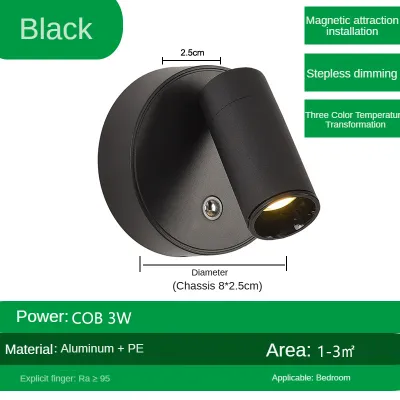
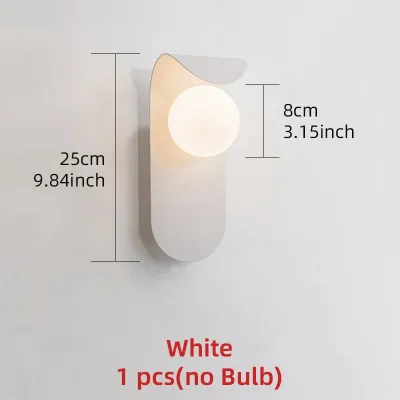
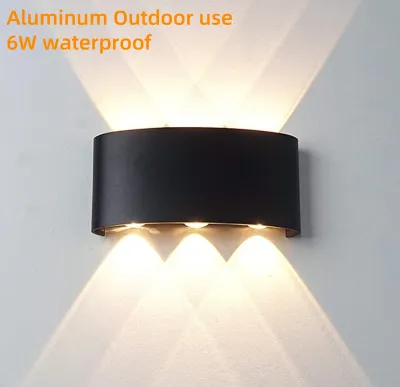
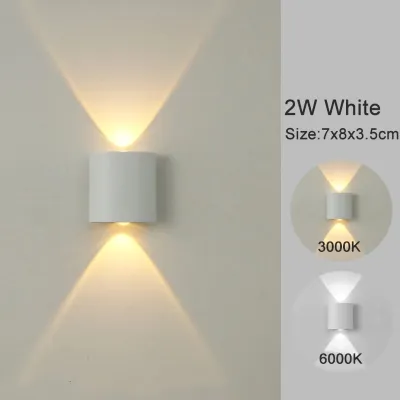
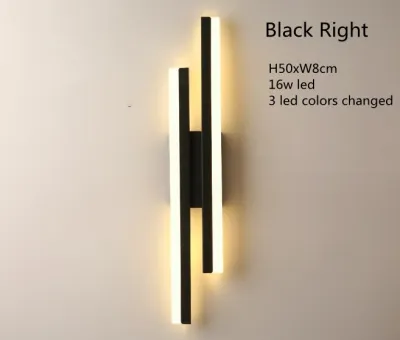
Prices are valid at publication and may change. Please refer to the product page for the latest price.

Adjustable Arms and Swivel Heads
Directional control is the foundation of effective bedside task lighting. Sconces equipped with flexible goosenecks, articulated scissor arms, or multi-axis swivel heads allow you to direct the light beam exactly where it is needed. When sitting up to read, you can pull the light source closer and angle it downward to illuminate your page. When you are finished, you can simply push the fixture back against the wall or point the head upward to transition the space into a softer, indirect light setting.
When evaluating these adjustable fixtures, pay close attention to joint durability and build quality. Daily adjustments put physical stress on the hinges, swivels, and tension screws. Look for fixtures constructed from robust materials like solid brass, machined aluminum, or heavy-duty steel, and verify that the joints can hold their position securely over time without drooping. In humid tropical environments, such as the Philippines, coastal air and high humidity can cause low-quality metal components to rust or seize. Opting for corrosion-resistant finishes and high-quality mechanical joints ensures the fixture remains smooth and functional for years to come.
Dimmability and Color Temperature Control
The transition from reading to sleeping is not just about where the light points, but also about its intensity and color. Built-in dimming capabilities are essential for adjusting the brightness to match your eyes’ natural adaptation to the dark. Many modern LED wall lights feature integrated touch dimmers on the base, physical rotary knobs, or smart home integration that allows for seamless brightness adjustments.
Beyond dimming, color temperature control—often referred to as Correlated Color Temperature (CCT) tuning—is a valuable feature for bedside fixtures. A cooler, neutral white light (around 3500K to 4000K) is excellent for focus and reading clarity, as it enhances contrast on printed pages. However, as bedtime approaches, shifting the light to a warm, amber glow (around 2200K to 2700K) minimizes blue light exposure, which is known to disrupt sleep cycles.
Before purchasing a dimmable fixture, always verify that your chosen wall dimmer switch is explicitly compatible with the fixture’s specific LED driver. Incompatible pairings can lead to annoying flickering, buzzing, or premature driver failure. In the Philippines, where residential electrical grids can experience minor voltage fluctuations, choosing high-quality, certified LED drivers designed to handle 220V to 240V at 60Hz is vital for safety, longevity, and consistent, flicker-free performance. Additionally, when choosing bulb-based sconces, always verify the base interface (such as E27 or GU10), the maximum wattage limit of the fixture, and the physical dimensions to ensure they fit your bedside layout.
Shade Materials and Light Diffusion
The material and design of the sconce’s shade dictate how light is distributed throughout the room. Opaque metal shades with directional openings or narrow apertures are excellent for focused reading because they concentrate the light into a tight, glare-free beam. However, they provide very little ambient light, leaving the rest of the bedroom in shadow. On the other hand, shades made from frosted glass, opal acrylic, or tightly woven fabrics diffuse light in all directions, creating a soft, room-filling glow that is perfect for relaxing but often too scattered and dim for comfortable reading.
To achieve the best of both worlds, consider dual-light designs. These innovative fixtures feature two independent light sources on a single wall plate: a main, upward- or downward-facing ambient wash that illuminates the wall, and a separate, highly adjustable spotlight on a flexible arm dedicated purely to reading. This layout allows you to turn on the soft ambient light while winding down, switch to the focused reading spot when opening a book, or run both simultaneously to create a layered, visually rich lighting scheme.
Modern Design Styles That Fit Bedroom Aesthetics
Integrating modern LED wall lights into your bedroom is as much about visual harmony as it is about utility. Modern design is not a single, rigid aesthetic; rather, it encompasses several distinct styles that can be matched to your personal decor preferences. By selecting a style that complements your existing furniture, headboard, and color palette, you can elevate the room’s overall design while adding functional light.
- Minimalist: Characterized by clean lines, geometric shapes, and a lack of unnecessary ornamentation. Minimalist sconces often feature slim matte black, brushed brass, or satin nickel profiles that blend seamlessly into the wall. These fixtures are ideal for contemporary bedrooms where space is at a premium and a clutter-free look is desired.
- Mid-Century Modern: This style combines organic shapes with warm metallic accents and iconic glass globes. Mid-century modern sconces often feature brass or copper detailing paired with frosted spherical shades, offering a nostalgic yet sophisticated look that pairs beautifully with rich wood headboards and retro-inspired decor.
- Industrial: Utilizing exposed LED filament bulbs, matte iron pipes, or wire cages, industrial sconces bring a raw, utilitarian edge to the bedroom. While the light from an exposed bulb can sometimes be too harsh for direct reading, choosing a fixture with a tinted glass shade or a directional metal shield can soften the output while preserving the rugged aesthetic.
When choosing a design, consider the physical profile of the fixture in relation to your bed. Sconces that protrude too far from the wall can become physical hazards, leading to accidental head-bumps when you sit up, turn over, or get in and out of bed. Look for low-profile or swing-arm designs that can be folded flat against the wall when not in use, keeping the bedside pathway clear and safe.
Installation and Power Options for Bedside Sconces
Deciding how to power your bedside wall lights involves balancing aesthetic preferences, budget constraints, and structural realities. Modern LED sconces generally fall into two categories: hardwired and plug-in. Each option presents unique benefits and distinct installation requirements.
Hardwired sconces offer a clean, seamless appearance with no visible cords running down the wall. The electrical wiring is hidden entirely behind the drywall, and the fixture is controlled via a wall switch or a built-in toggle. However, hardwired installations require cutting into the wall, routing electrical cables, and mounting a junction box.
Plug-in sconces, by contrast, offer a highly flexible, renter-friendly alternative. These fixtures mount directly to the wall surface and feature a power cord that plugs into a standard nearby outlet. While the visible cord can disrupt a perfectly clean wall aesthetic, many modern designs feature decorative fabric-wrapped cords or matching metal cord covers that turn the wire into an intentional design element. Plug-in models are incredibly easy to install as a DIY project, requiring only basic wall anchors and screws.
Regardless of the power style you choose, switch ergonomics are critical. You should be able to turn the light on and off easily from a lying position without having to stretch, sit up, or reach awkwardly behind your head. Look for fixtures with switches located directly on the wall plate, inline cord switches positioned within easy arm’s reach, or smart models that can be controlled via a bedside wireless remote or smartphone app.
Safety Boundary: Working with electricity carries inherent risks of shock, fire, and damage to your home’s electrical system. For any hardwired installation, adding new junction boxes, or modifying existing household wiring, always isolate the power by turning off the main circuit breaker at the panel. Hire a licensed, qualified professional electrician to complete the wiring. Additionally, ensure that any lighting fixture you install is rated for the correct voltage (typically 220V in the Philippines) and carries recognized safety certifications, such as the Philippine Standard (PS) mark or Import Commodity Clearance (ICC) sticker, to guarantee safe operation.
Placement and Positioning Tips for Optimal Lighting
Correct placement is the final step in ensuring your modern LED wall lights perform beautifully. Because bed heights, mattress thicknesses, and individual sitting heights vary widely, there is no single, universal measurement for mounting bedside sconces. Instead, you should base the placement on your specific physical setup and reading habits.
To find the ideal mounting height, sit up in bed in your typical reading position. Ideally, the bottom of the sconce’s shade or the light source should be positioned slightly above your shoulder height. This placement ensures that the light beam projects downward onto your book or device without shining directly into your eyes, preventing uncomfortable glare. If the light is mounted too low, your head and shoulders will cast shadows over your reading material; if it is mounted too high, the light will scatter, losing its focused task utility and potentially shining into your partner’s eyes.
Horizontal spacing is equally important. Sconces should be mounted approximately 30 to 45 centimeters (12 to 18 inches) out from the edge of the mattress or the headboard. This spacing provides enough clearance to prevent you from bumping into the fixture when moving around, while keeping the light close enough to deliver effective illumination. If you are using adjustable swing-arm sconces, test the full range of motion before drilling permanent holes into the wall to ensure the light can extend comfortably over your reading area and fold back neatly when you are ready to sleep.
Frequently Asked Questions (FAQ)
Can I use a single wall sconce for both reading and ambient light?
Yes, you can use a single wall sconce for both purposes, provided you choose a highly versatile fixture. To make a single sconce work, look for a model that features both a built-in dimmer and an adjustable head or shade. This allows you to point the light directly at your book on a brighter setting for reading, and then dim the light and swivel the head toward the wall or ceiling to create a soft, indirect ambient glow for relaxation. Alternatively, selecting a dual-light sconce with an independent reading spotlight and an ambient backlight offers the most seamless single-fixture solution.
What is the best color temperature for bedside reading?
For bedside reading, a color temperature between 2700K (warm white) and 3000K (soft white) is generally recommended. This range provides a comfortable balance, offering enough clarity and contrast for reading printed or digital text without emitting excessive blue light, which can interfere with your body’s natural sleep preparation. If you prefer a crisper light for reading, look for a CCT-tunable LED fixture that allows you to select a neutral 4000K setting for active reading and then switch down to a warm 2200K setting as you wind down for sleep. Always check the product specifications or packaging to verify the Kelvin rating before purchasing.
Community discussion
Share your experience or ask a question. Comments are reviewed before publication.